Understanding the Distinct Styles of Hatha and Vinyasa Yoga

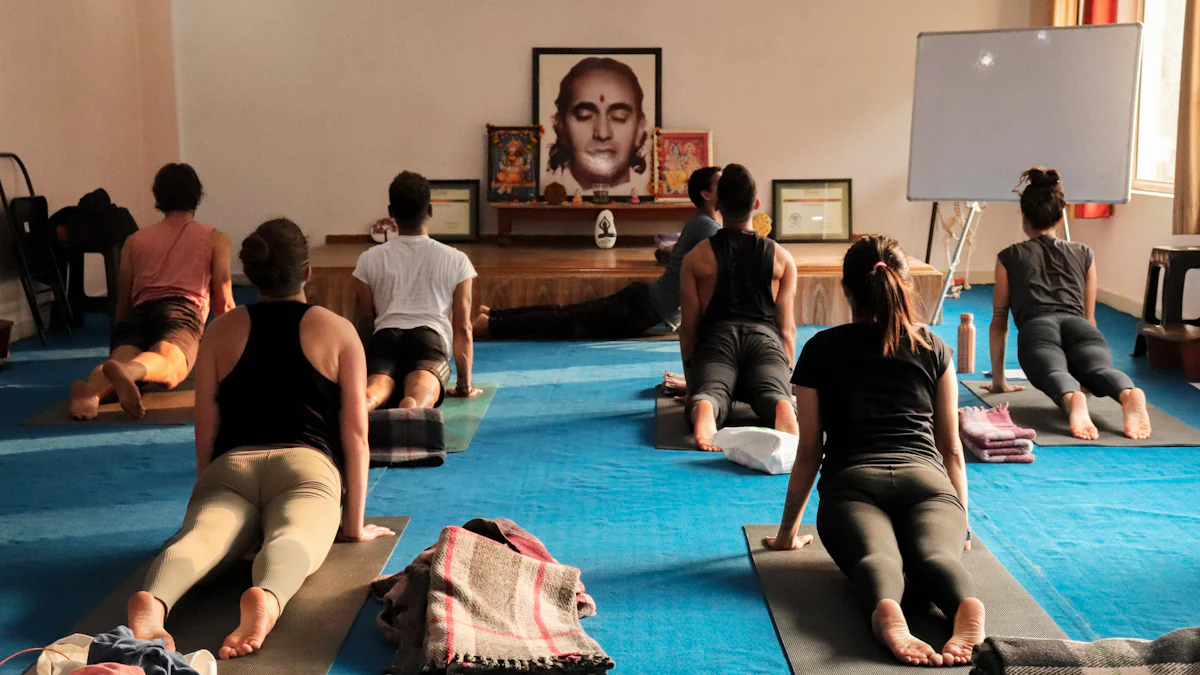
When you step onto your yoga mat, you might wonder about the differences between Hatha and Vinyasa yoga. These two styles offer unique experiences. Hatha flow yoga focuses on physical postures and breath control, making it accessible to many. On the other hand, Vinyasa yoga involves dynamic sequences that synchronize breath with movement. Understanding these differences is crucial. It helps you choose a practice that aligns with your personal goals, whether you're seeking relaxation or a more vigorous workout. By knowing what each style offers, you can enhance your yoga journey and find the perfect fit for your needs.
Defining Hatha Yoga
Characteristics of Hatha Yoga
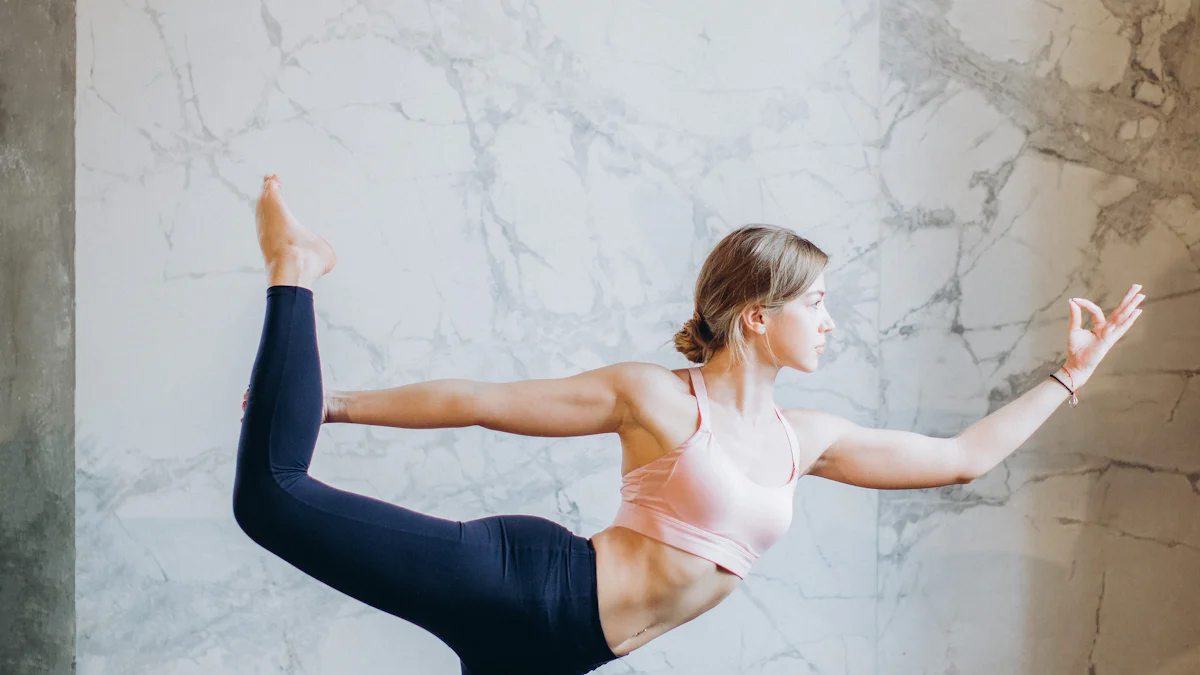
Hatha yoga offers a gentle introduction to the world of yoga. You focus on physical postures, known as asanas. These postures form the foundation of your practice. Each pose is held for a longer duration, allowing you to delve deeper into the alignment and structure of your body. This approach helps you understand how each part of your body contributes to the overall posture.
Breathing plays a crucial role in Hatha yoga. You learn to synchronize your breath with your movements, enhancing your awareness and concentration. This emphasis on alignment and breathing creates a meditative experience, helping you connect with your inner self.
Benefits of Hatha Yoga
Hatha yoga is perfect for beginners. Its slower pace and focus on individual postures make it accessible to everyone, regardless of fitness level. You can take your time to learn each pose, ensuring you perform them correctly and safely. This makes hatha flow yoga an excellent starting point for your yoga journey.
The benefits of Hatha yoga extend beyond the physical. It promotes relaxation and stress relief, offering a sanctuary from the hustle and bustle of daily life. Studies have shown that Hatha yoga can reduce anxiety and depression symptoms, providing a mental and emotional boost. By practicing regularly, you can enhance your flexibility, strength, and balance, while also improving your respiratory function and mental focus.
Incorporating Hatha yoga into your routine can lead to a more balanced and harmonious life. You gain not only physical strength but also emotional stability and inner peace. This holistic approach to well-being makes Hatha yoga a valuable practice for anyone seeking to improve their overall health.
Defining Vinyasa Yoga
Characteristics of Vinyasa Yoga
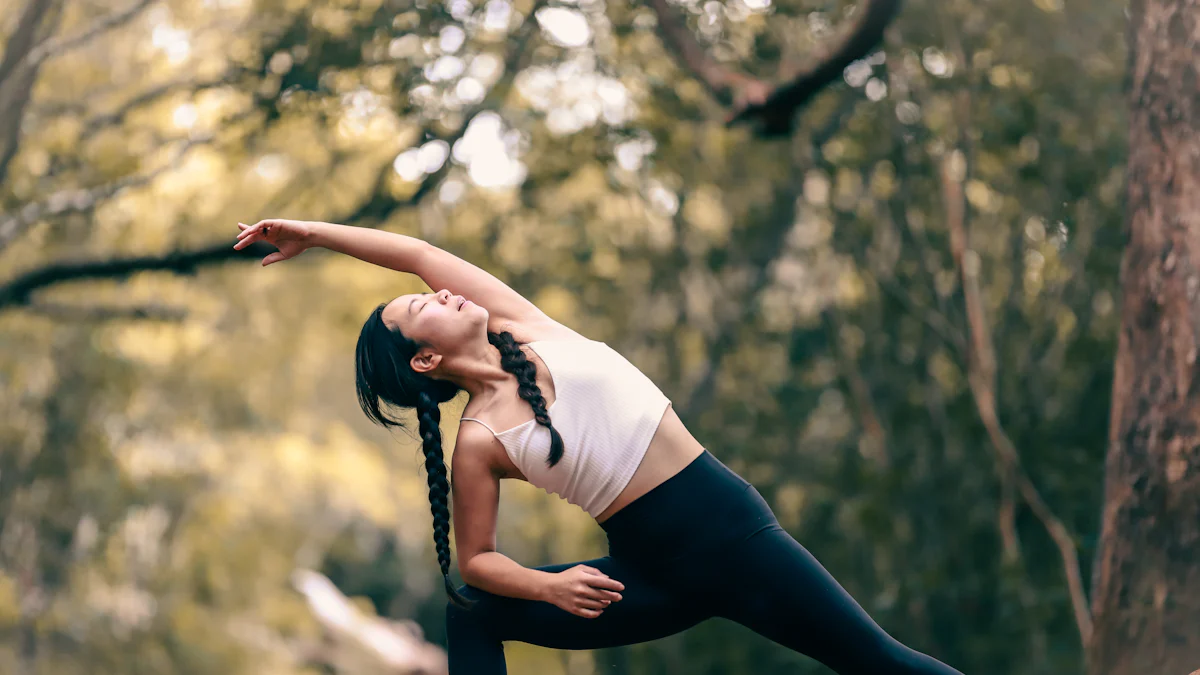
Vinyasa yoga offers a vibrant and energetic practice. You engage in dynamic and flowing sequences that keep you moving from one pose to the next. This style creates a rhythm that feels almost like a dance. Each movement connects seamlessly with your breath, creating a harmonious flow. You inhale as you rise and exhale as you fold, making your practice feel like a moving meditation. This synchronization of breath and movement enhances your focus and keeps you present in the moment.
Benefits of Vinyasa Yoga
Vinyasa yoga provides a fantastic cardiovascular workout. The fast-paced nature of the practice strengthens your heart and improves circulation. Studies have shown that regular engagement in Vinyasa yoga can enhance cardiovascular system efficiency, similar to traditional aerobic activities. You might find that this style helps with weight loss due to its cardio benefits.
Moreover, Vinyasa yoga builds strength and flexibility. As you move through various poses, you engage different muscle groups, which helps tone your body. The continuous flow challenges your endurance and balance, making you stronger over time. You also improve your flexibility as you stretch and lengthen your muscles in each pose. This combination of strength and flexibility makes Vinyasa yoga a well-rounded practice that complements other forms of exercise.
Incorporating Vinyasa yoga into your routine can transform your fitness journey. You gain not only physical benefits but also mental clarity and focus. The dynamic sequences keep you engaged and motivated, making your practice both challenging and rewarding. Whether you're looking to boost your cardiovascular health or build a stronger body, Vinyasa yoga offers a path to achieving your goals.
Comparative Analysis of Hatha and Vinyasa Yoga
Differences in Pace and Intensity
When you compare Hatha flow yoga to Vinyasa, the pace and intensity stand out. In Hatha flow yoga, you move through poses at a slower pace. This allows you to focus on alignment and breath. You hold each pose for a longer time, which helps you understand your body's structure and balance. This slower pace makes Hatha flow yoga accessible to many, especially beginners.
On the flip side, Vinyasa yoga offers a more vigorous flow. You transition quickly from one pose to the next, creating a dynamic sequence. This fast-paced nature requires you to synchronize your breath with each movement. The intensity of Vinyasa yoga provides a cardiovascular workout, making it ideal if you're looking for a more challenging practice.
Suitability for Different Fitness Levels
Hatha flow yoga suits beginners well. Its gentle pace and focus on individual postures make it easy for you to learn and practice safely. You can take your time to master each pose, ensuring proper alignment and breathing. This makes Hatha flow yoga an excellent starting point for anyone new to yoga.
Vinyasa yoga, however, caters more to experienced practitioners. The fast transitions and continuous flow demand greater strength and flexibility. If you're familiar with basic yoga poses and want to push your limits, Vinyasa yoga offers a rewarding challenge. It helps you build endurance and enhances your overall fitness level.
Breathing Techniques and Mindfulness
Both Hatha flow yoga and Vinyasa emphasize the importance of breath. In Hatha flow yoga, you learn to control your breath, aligning it with each posture. This focus on breathing enhances mindfulness, allowing you to connect deeply with your inner self. The meditative aspect of Hatha flow yoga promotes relaxation and stress relief.
In Vinyasa yoga, breath synchronization is crucial. You inhale and exhale with each movement, creating a seamless flow. This breathing technique keeps you present and focused, turning your practice into a moving meditation. The dynamic nature of Vinyasa yoga challenges your breathing control, enhancing your concentration and mental clarity.
By understanding these differences, you can choose the style that aligns with your goals. Whether you seek the calm and meditative experience of Hatha flow yoga or the energetic and challenging practice of Vinyasa, both styles offer unique benefits. Explore each to find what resonates with you and enrich your yoga journey.
Choosing the Right Style for Your Goals
Goals for Relaxation and Stress Relief
Why Hatha might be preferable
If you're looking to unwind and de-stress, Hatha yoga could be your go-to choice. This style offers a slower pace, allowing you to focus on each posture and your breath. You can find tranquility in the gentle flow of movements. Hatha yoga provides a peaceful environment, perfect for those with busy or physically demanding lifestyles. It gives you a chance to escape the chaos and find calmness within.
"If you’re someone who has a physically active job or a busy, hectic lifestyle, the calm and quiet you get from an hour of Hatha yoga might be just what you’re looking for."
This quote highlights how Hatha yoga can serve as a sanctuary for relaxation and stress relief. By practicing Hatha, you can cultivate mindfulness and inner peace, making it an ideal choice for those seeking a break from the hustle and bustle.
Goals for Fitness and Strength
Why Vinyasa might be more suitable
For those aiming to boost fitness and build strength, Vinyasa yoga stands out. This style involves dynamic sequences that keep you moving and engaged. The fast-paced nature challenges your cardiovascular system, enhancing your overall fitness. Vinyasa yoga helps you build strength and flexibility through continuous movement and varied poses.
"Going to a yoga class and learning that it is a safe space where I can explore and do my best with what I have just felt so good!"
This personal account emphasizes the empowering nature of Vinyasa yoga. It offers a safe space to push your limits and explore your physical capabilities. If you're looking for a workout that combines strength, flexibility, and endurance, Vinyasa yoga might be the perfect fit for you.
Personal Preferences and Lifestyle
Considering time, energy, and personal interest
When choosing between Hatha and Vinyasa yoga, consider your personal preferences and lifestyle. Think about the time and energy you can dedicate to your practice. If you prefer a slower, more meditative approach, Hatha yoga might suit you better. On the other hand, if you enjoy a more vigorous and challenging workout, Vinyasa yoga could be your style.
Reflect on your interests and what you hope to achieve through yoga. Whether it's relaxation, fitness, or a combination of both, understanding your goals will guide you in selecting the right style. Remember, yoga is a personal journey, and finding the style that resonates with you will enhance your experience and help you achieve your desired outcomes.
Exploring both Hatha and Vinyasa yoga can enrich your practice. Each style offers unique benefits. Hatha yoga emphasizes meditation and relaxation, making it ideal for stress relief. Vinyasa, on the other hand, provides a dynamic workout that boosts cardiovascular health.
"Vinyasa is a form of exercise, whereas Hatha is regarded as meditation."
Consider trying both styles to discover which aligns with your goals. Whether you seek mental clarity or physical fitness, yoga has something for everyone. If you have questions, feel free to explore FAQs or reach out to a yoga instructor for guidance.
See Also
Exploring Hatha And Vinyasa Yoga: Key Differences
Discovering The Advantages Of Practicing Bikram Yoga
Beginner's Guide To Insights From Iyengar Yoga

Hi my name is Lia and i am your host in this yoga journey in Portugal, Subscribe to our newsletter to receive every week the best of Yoga in Portugal.

We bring back the importance of initiation into womanhood by Roos-Veerle Krijnen & Ella-June Henrard
Welcome to the Women’s Initiation Retreat by Naked Truth Retreats, a transformative journey into the depths of your True Feminine Nature. This retreat invites you to remember the sacredness and wholeness of your being.
Roos-Veerle Krijnen & Ella-June Henrard