Choosing the Right Government-Approved Yoga Certification in India


Choosing the right yoga certification course by government of India can significantly impact your career in the wellness industry. Government approval ensures that you receive quality training and standardized education. This recognition opens doors to various career paths, such as becoming a yoga instructor, therapist, or even a corporate yoga trainer. With a recognized certification, you can expect competitive salaries ranging from INR 1 LPA to 8 LPA, depending on your education level. Moreover, established yoga entrepreneurs can earn between INR 9-15 LPA. Investing in a government-approved certification not only enhances your skills but also boosts your professional credibility.
Understanding Government Approval and Accreditation
When you decide to pursue a yoga certification course by government of India, understanding the nuances of government approval and accreditation becomes crucial. This section will guide you through the essentials of what government approval means, why accreditation matters, and which bodies in India are recognized for accrediting yoga courses.
What is Government Approval?
Government approval signifies that a yoga certification course meets specific standards set by the authorities. It ensures that the course content, teaching methods, and instructors adhere to quality benchmarks. When you enroll in a government-approved course, you can trust that the education you receive is both credible and comprehensive. This approval not only validates the course but also enhances your professional standing in the yoga community.
Importance of Accreditation in Yoga Certification
Accreditation plays a pivotal role in yoga certification. It acts as a seal of quality, assuring you that the course has undergone rigorous evaluation. Accredited courses provide structured learning paths and standardized curricula, which are essential for developing your skills as a yoga professional. By choosing an accredited program, you align yourself with recognized standards, which can significantly boost your career prospects. Accreditation also ensures that your certification is respected both nationally and internationally, opening doors to global opportunities.
Recognized Accrediting Bodies in India
India hosts several accrediting bodies that oversee yoga certification programs. These organizations ensure that courses maintain high standards and meet the requirements set by the government.
Yoga Certification Board (YCB)
The Yoga Certification Board (YCB) stands out as a prominent accrediting body in India. Established under the Ministry of AYUSH, YCB aims to promote and standardize yoga education. It offers certifications at various levels, such as Yoga Instructor, Yoga Teacher, Yoga Master, and Yoga Acharya. These certifications evaluate your competence and provide a clear pathway for career advancement. By choosing a course accredited by YCB, you gain access to a structured curriculum and a recognized qualification that can enhance your professional journey.
Key Factors to Consider When Choosing a Course
When you're on the hunt for the perfect yoga certification course by government of India, several factors come into play. These elements can shape your learning experience and influence your career path in the yoga industry.
Course Content and Curriculum
The heart of any yoga certification lies in its curriculum. You want a course that covers a broad range of topics and offers depth in areas that interest you.
Core Subjects and Specializations
Look for courses that offer a solid foundation in core subjects like yoga philosophy, anatomy, and teaching methodologies. Some programs, like the YogaFit Certification Programs, provide options to specialize in areas such as yoga for children, prenatal yoga, or advanced postures. Specializations can set you apart in the competitive yoga market.
Duration and Intensity of the Course
Consider how much time you can dedicate to your training. Courses vary in length, from intensive 200-hour programs to more extensive 800-hour ones. The Himalayan Yoga Institute offers a 28-day intensive retreat, which might be ideal if you prefer an immersive experience. Think about your schedule and how much intensity you can handle.
Location and Environment
The setting of your training can greatly enhance your learning experience. India offers diverse environments, each with its unique charm.
Urban vs. Rural Settings
Urban settings provide convenience and access to modern amenities. However, rural locations, like the serene Kullu Valley where the Himalayan Yoga Institute is located, offer tranquility and a chance to connect deeply with nature. Decide what environment suits your learning style best.
Cultural and Spiritual Significance
India is rich in cultural and spiritual heritage. Training in a place with historical significance can deepen your understanding of yoga's roots. Locations like Rishikesh and Mysore are renowned for their spiritual ambiance and are popular choices for yoga enthusiasts.
Cost and Financial Considerations
Budget plays a crucial role in your decision-making process. You need to weigh the costs against the benefits of the certification.
Tuition Fees and Additional Costs
Tuition fees can vary widely. For instance, the Himalayan Yoga Institute charges $1,700 for their 28-day program. Be sure to account for additional costs like accommodation, meals, and travel. Some courses might include these in their fees, while others do not.
Scholarships and Financial Aid Options
Explore financial aid options. Some institutions offer scholarships or payment plans to ease the financial burden. This can make a significant difference, especially if you're pursuing a comprehensive program.
Choosing the right yoga certification course by government of India involves careful consideration of these factors. By aligning your personal goals with the course offerings, you can embark on a fulfilling journey in the world of yoga.
Mode of Training
When selecting a yoga certification course, the mode of training plays a crucial role in shaping your learning experience. You have the option to choose between online and offline courses, each offering unique benefits and challenges.
Online vs. Offline Options
Online yoga certification courses provide flexibility and convenience. You can learn from the comfort of your home, making it easier to balance other commitments. Programs like Ayushman Yog offer online courses approved by the Government of India, ensuring you receive quality education without geographical constraints. Online courses often include video lectures, live sessions, and interactive forums, allowing you to engage with instructors and peers.
On the other hand, offline courses offer immersive experiences. Attending classes in person allows you to connect deeply with instructors and fellow students. The Himalayan Yoga Institute provides an offline 200-hour yoga retreat in the serene Kullu Valley. This setting offers a unique opportunity to practice yoga in a tranquil environment, surrounded by nature. Offline courses often include hands-on practice, which can enhance your understanding of yoga techniques.
Flexibility and Accessibility
Flexibility is a significant advantage of online courses. You can access course materials at any time, allowing you to learn at your own pace. This flexibility is ideal if you have a busy schedule or prefer self-paced learning. Online courses also eliminate travel costs, making them more accessible financially.
Offline courses, while less flexible, offer a structured learning environment. You follow a set schedule, which can help maintain discipline and focus. Being physically present in a class can enhance your learning through direct feedback and real-time interaction with instructors.
Ultimately, the choice between online and offline training depends on your personal preferences and lifestyle. Consider what mode of training aligns best with your learning style and career goals. Whether you opt for the flexibility of online courses or the immersive experience of offline programs, ensure that the course is recognized and accredited to maximize your career opportunities.
Popular Locations for Yoga Certification in India
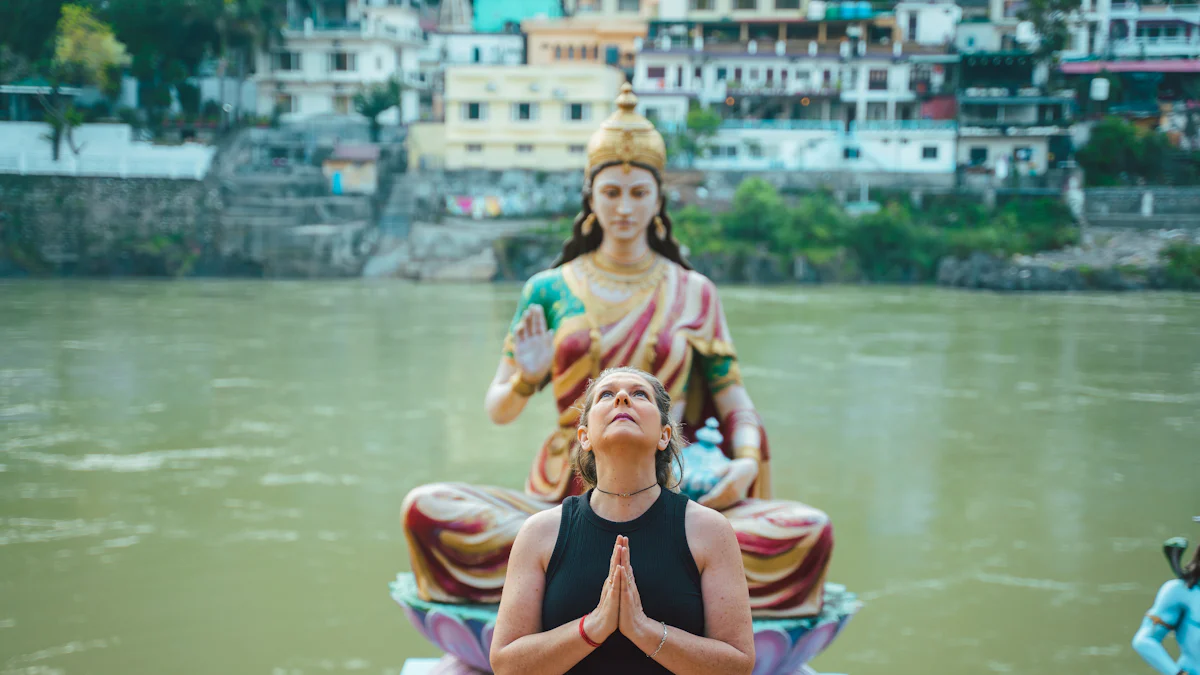
Choosing the right location for your yoga certification can greatly enhance your learning experience. India, the birthplace of yoga, offers a variety of settings that cater to different preferences and styles. Let's explore some of the most popular destinations for yoga certification in India.
Rishikesh: The Yoga Capital
Rishikesh, often called the "Yoga Capital of the World," is a haven for yoga enthusiasts. Nestled in the foothills of the Himalayas, this city offers a serene environment perfect for deepening your practice. You can find numerous ashrams and yoga schools here, each offering unique programs. The spiritual ambiance of Rishikesh attracts practitioners from all over the globe. You can immerse yourself in traditional teachings while enjoying the natural beauty of the Ganges River. If you're seeking a place rich in spiritual energy and history, Rishikesh might be the ideal choice for you.
Mysore: The Home of Ashtanga Yoga
Mysore is renowned for its Ashtanga yoga tradition. This city in southern India has become a pilgrimage site for those dedicated to this dynamic style of yoga. You can study under experienced teachers who have been practicing and teaching Ashtanga for decades. Mysore offers a structured and disciplined environment, which is perfect if you're serious about mastering this form of yoga. The city's vibrant culture and historical landmarks add to the overall experience, making it a compelling destination for yoga certification.
Kerala: Combining Yoga with Ayurveda
Kerala, known as "God's Own Country," provides a unique blend of yoga and Ayurveda. This southern state is famous for its lush landscapes and tranquil backwaters. You can find yoga schools that incorporate Ayurvedic principles into their teachings, offering a holistic approach to wellness. Kerala's peaceful environment allows you to focus on your practice while exploring the benefits of Ayurveda. If you're interested in a comprehensive wellness experience, Kerala offers the perfect setting to combine yoga with traditional healing practices.
Each of these locations offers something special for aspiring yoga instructors. Whether you prefer the spiritual energy of Rishikesh, the disciplined environment of Mysore, or the holistic approach of Kerala, you'll find a place that resonates with your personal and professional goals.
Tips for Evaluating Yoga Schools
Choosing the right yoga school is a crucial step in your journey to becoming a certified yoga instructor. Here are some tips to help you evaluate and select the best school for your needs.
Researching School Reputation and Reviews
Start by researching the reputation of the yoga schools you're considering. Look for reviews and testimonials from past students. These can provide valuable insights into the quality of the training and the overall experience. Websites like Yoga Alliance and Google Reviews often have detailed feedback from alumni. Pay attention to both positive and negative comments to get a balanced view. A school with a strong reputation will likely offer a more reliable and enriching learning experience.
Visiting Schools and Attending Trial Classes
Whenever possible, visit the schools in person. This gives you a chance to observe the environment and facilities. Many schools offer trial classes or open days. Attending these can help you gauge the teaching style and interact with instructors and current students. You'll get a feel for the school's atmosphere and whether it aligns with your learning preferences. If visiting in person isn't feasible, check if the school offers virtual tours or online trial classes.
Speaking with Alumni and Instructors
Talking to alumni and instructors can provide firsthand insights into the school's strengths and weaknesses. Alumni can share their experiences and how the certification has impacted their careers. Instructors can discuss the curriculum and teaching methodologies. Ask about the support provided during and after the course, such as mentorship or job placement assistance. Engaging with these individuals can help you make an informed decision and choose a school that best fits your goals.
By following these tips, you can confidently select a yoga school that will provide a solid foundation for your career in yoga.
Checking Global Recognition and Career Support
When choosing a yoga certification course, you should consider its global recognition. A certification recognized worldwide can open doors to international opportunities. It ensures that your skills and knowledge meet global standards, making you a competitive candidate in the yoga industry.
Global Recognition: Look for courses accredited by well-known bodies like the Yoga Certification Board (YCB). Such accreditation assures that your certification is respected both in India and abroad. This recognition can be crucial if you plan to teach yoga internationally or work with diverse clientele.
Career Support: Evaluate the career support offered by the yoga school. Some schools provide job placement assistance, helping you find teaching positions after certification. Others might offer mentorship programs, where experienced instructors guide you as you start your career. These resources can be invaluable as you navigate the yoga industry.
Networking Opportunities: Consider the networking opportunities available through the school. Attending a school with a strong alumni network can connect you with professionals in the field. This network can offer support, advice, and potential job leads. Engaging with fellow students and instructors can also lead to collaborations and partnerships.
Reputation and Reviews: Research the school's reputation and read reviews from past students. A school with a strong reputation often provides better career support and has a higher rate of successful graduates. Reviews can give you insights into the experiences of others and help you make an informed decision.
By ensuring your yoga certification has global recognition and robust career support, you set yourself up for success in the yoga industry. Whether you aim to teach locally or internationally, these factors can significantly impact your career trajectory.
Choosing a government-approved yoga certification course is crucial for your career. It ensures you receive quality training and opens doors to numerous opportunities. As you embark on this journey, consider all factors like course content, location, and cost. Conduct thorough research to find the best fit for your goals. Remember, this decision shapes your future in yoga. Trust yourself to make an informed choice. Embrace the learning curve and diverse experiences. With the right certification, you'll develop well-rounded skills and thrive in the yoga community. Your path to becoming a successful yoga instructor starts here.
See Also
Explore The Best Yoga Courses Available In 2024
Discover The Leading Yoga Schools In Rishikesh 2024
Uncover The Best Yoga Classes Offered In Mumbai

Hi my name is Lia and i am your host in this yoga journey in Portugal, Subscribe to our newsletter to receive every week the best of Yoga in Portugal.

We bring back the importance of initiation into womanhood by Roos-Veerle Krijnen & Ella-June Henrard
Welcome to the Women’s Initiation Retreat by Naked Truth Retreats, a transformative journey into the depths of your True Feminine Nature. This retreat invites you to remember the sacredness and wholeness of your being.
Roos-Veerle Krijnen & Ella-June Henrard