Finding the Perfect Yoga Class for Your Journey

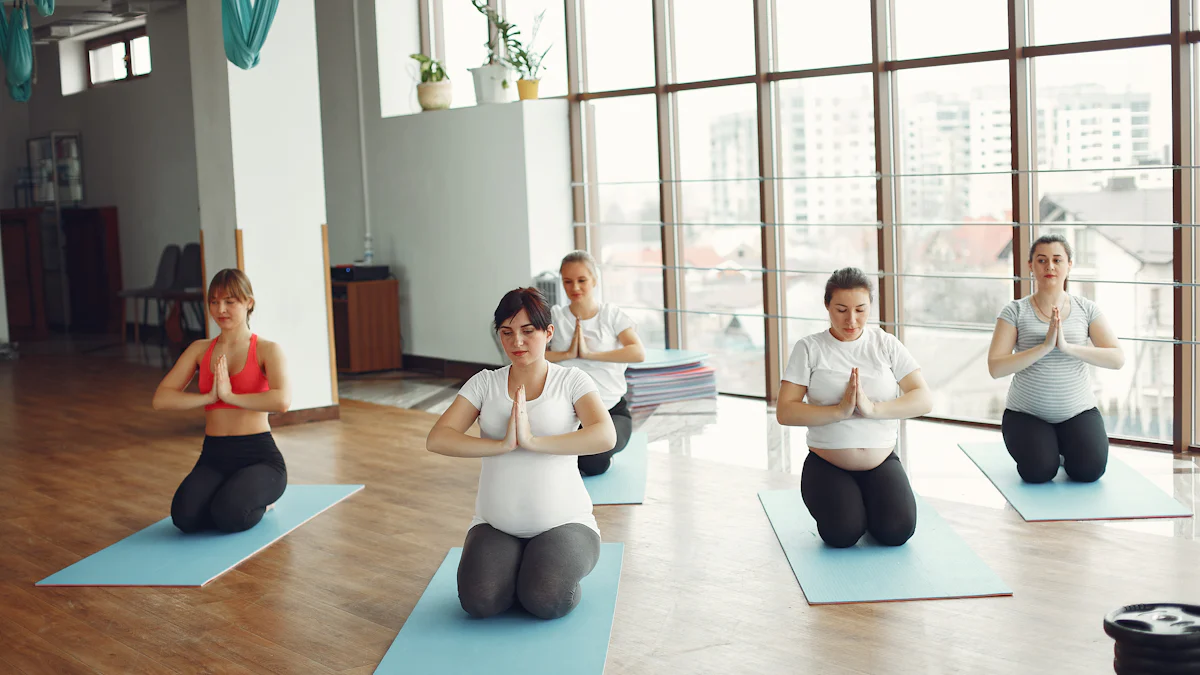
Choosing the right yoga class can significantly impact your personal journey. You may seek physical fitness, stress relief, or spiritual growth. Each practitioner has unique goals and preferences. Take the time to explore various options. Find what truly resonates with you in our yoga space. This exploration will help you connect with a practice that excites and motivates you.
Key Takeaways
Define your personal goals for practicing yoga, whether it's for physical fitness, stress relief, or spiritual growth, to guide your class selection.
Assess your current fitness level to choose classes that match your abilities, ensuring a safe and enjoyable practice.
Explore different yoga styles like Hatha, Vinyasa, and Yin to find what resonates with your personal goals and preferences.
Research local yoga studios by reading reviews and seeking recommendations to find a welcoming environment that aligns with your needs.
Evaluate potential instructors based on their qualifications and teaching styles to ensure they support your yoga journey effectively.
Prepare for your first class by bringing essentials like a yoga mat and water, and arrive early to settle in and communicate with your instructor.
Stay open to trying different classes and adjusting your practice as you grow, allowing for a deeper connection to your yoga journey.
Define Your Personal Goals
Identify Your Reasons for Practicing Yoga
Before you dive into the world of yoga, take a moment to reflect on why you want to practice. Understanding your motivations can guide you toward the right class. Here are some common reasons people choose yoga:
Physical fitness
Many practitioners seek yoga for physical fitness. You might want to improve your strength, balance, or flexibility. Yoga offers a full-body workout that can enhance your overall health.
Stress relief
If stress relief is your goal, yoga can be a powerful tool. The practice encourages relaxation and mindfulness. You can find peace through deep breathing and gentle movements. In fact, 7% of people practice yoga primarily for stress relief, highlighting its effectiveness in calming the mind.
Spiritual growth
Some individuals connect yoga with spiritual growth. You may wish to explore your inner self or deepen your spiritual practice. Yoga provides a path for self-discovery and personal development. About 3% of practitioners identify yoga with their spiritual journey, showing that this aspect resonates with many.
Assess Your Current Fitness Level
Next, assess your current fitness level. This step helps you choose classes that match your abilities and needs.
Beginner, intermediate, advanced
Are you a beginner, intermediate, or advanced practitioner? Knowing where you stand can help you select the right class. Beginners should look for classes labeled as "beginner" or "foundational." Intermediate and advanced practitioners can explore more challenging options.
Physical limitations or injuries
Consider any physical limitations or injuries you may have. If you have specific concerns, communicate them to your instructor. They can help you modify poses to ensure a safe practice. Remember, yoga should feel good, not painful.
By defining your personal goals and assessing your fitness level, you set a solid foundation for your yoga journey. This clarity will guide you in finding the perfect class in our yoga space.
Explore Different Yoga Styles
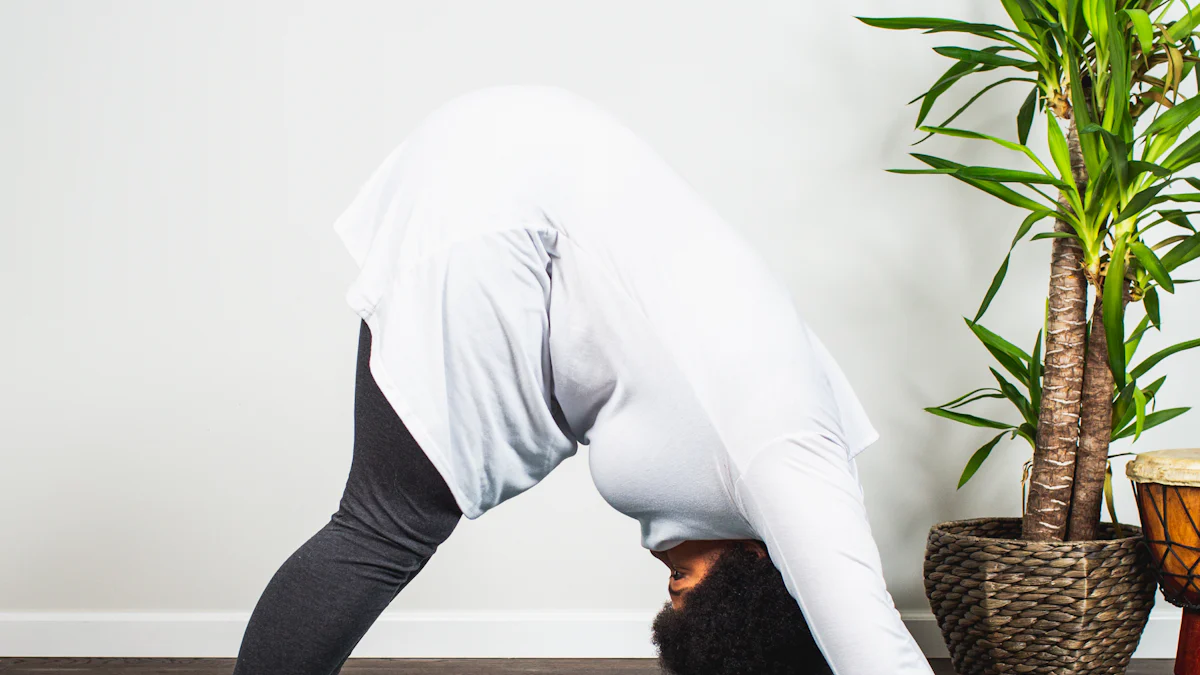
Yoga offers a variety of styles, each with its unique approach and benefits. Exploring these styles helps you find what fits your needs best. Here’s a look at some popular yoga styles:
Overview of Popular Yoga Styles
Hatha
Hatha yoga focuses on basic postures and breathing techniques. It provides a gentle introduction to yoga. You can expect slower-paced classes that emphasize alignment and relaxation. This style suits beginners or anyone looking for a calm practice.
Vinyasa
Vinyasa yoga links breath with movement. You flow from one pose to another, creating a dynamic and energetic practice. This style often includes creative sequences and can vary in intensity. If you enjoy a workout that keeps you moving, Vinyasa might be your go-to.
Ashtanga
Ashtanga yoga follows a set sequence of poses performed in a specific order. This style is physically demanding and builds strength and stamina. If you seek a challenge and enjoy structure, Ashtanga could be the right fit for you.
Yin
Yin yoga involves holding poses for longer periods, typically three to five minutes. This style targets deep connective tissues and promotes flexibility. If you want to relax and stretch deeply, Yin offers a restorative experience.
Restorative
Restorative yoga focuses on relaxation and healing. You use props to support your body in gentle poses. This style encourages deep relaxation and stress relief. If you need to unwind and recharge, consider trying a restorative class.
Match Styles to Your Goals
Now that you know about different styles, match them to your personal goals. Each style serves specific needs.
For relaxation
If relaxation is your primary goal, consider Yin or Restorative yoga. Both styles emphasize calming the mind and body. They help reduce stress and promote a sense of peace. Research shows that yoga can significantly lower stress levels and improve overall well-being.
For strength building
If you want to build strength, Vinyasa or Ashtanga yoga can help. These styles challenge your muscles and enhance endurance. Regular practice can lead to improved physical fitness and body awareness. Many practitioners notice increased strength and balance through these dynamic styles.
For flexibility
To improve flexibility, Hatha and Yin yoga are excellent choices. Hatha introduces foundational poses, while Yin allows for deeper stretching. Both styles encourage gradual progress in flexibility. Studies indicate that yoga can enhance flexibility and overall quality of life.
By exploring different yoga styles, you can find what resonates with you. Each style offers unique benefits that align with your personal goals. In our yoga space, you can discover the perfect fit for your journey.
Research Local Yoga Studios
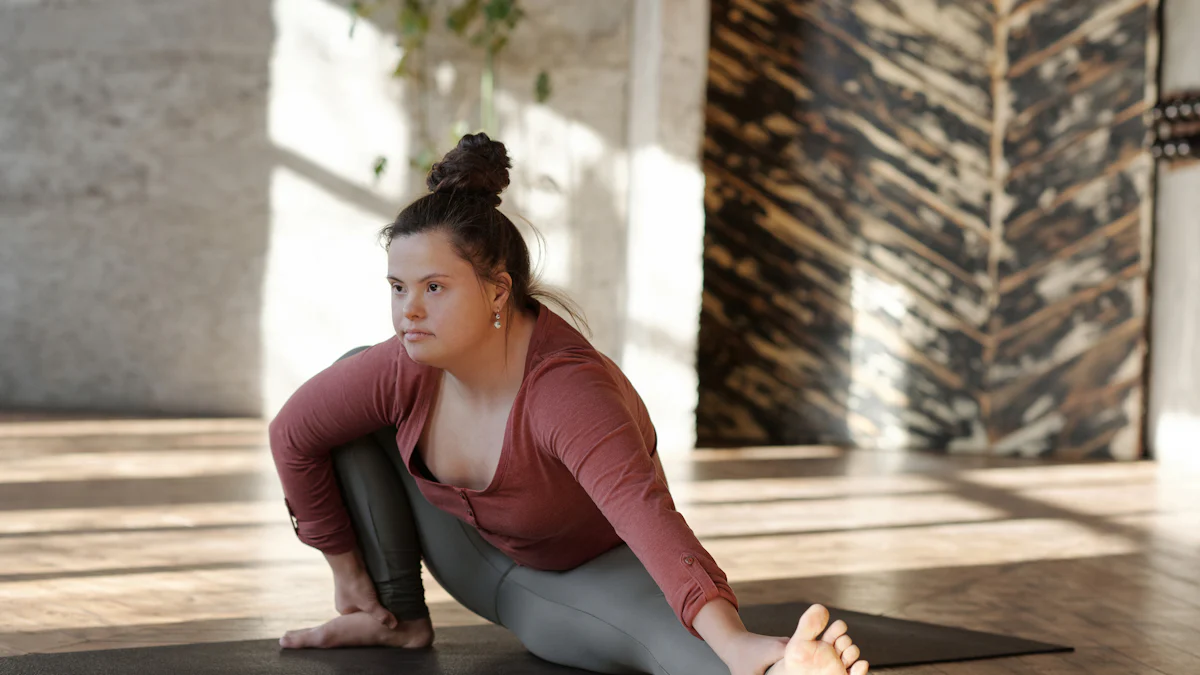
Finding the right yoga studio can make a big difference in your practice. You want a place that feels welcoming and aligns with your goals. Here’s how to start your search for local yoga studios.
Finding Studios in Your Area
Online searches
Begin by Googling yoga studios near you. This simple step can reveal a variety of options. Look for studios that offer classes in the styles you’re interested in. Check their websites for class schedules, descriptions, and any special events.
Social media recommendations
Social media can be a goldmine for finding local studios. Platforms like Instagram and Facebook often showcase studios and their offerings. You can also ask friends or family for recommendations. Word of mouth is powerful. Hearing about someone else's positive experience can guide you toward a studio that fits your needs.
Reading Reviews and Testimonials
Once you have a list of potential studios, dive into the reviews. Reading what others say can help you gauge the quality of the classes and the atmosphere.
What to look for in reviews
Focus on reviews that mention the instructors' teaching styles and the overall environment. Look for comments about the friendliness of the staff and the community vibe. Positive feedback about the studio's cleanliness and facilities can also indicate a good choice.
Red flags to consider
Be cautious of studios with numerous negative reviews. If people mention issues like overcrowded classes or unhelpful staff, take note. You want a supportive environment where you can thrive.
By researching local yoga studios, you set yourself up for success. Take your time to explore your options. Each studio offers a unique experience, so don’t hesitate to try a few before settling on the one that feels right for you.
Evaluate Instructors
Choosing the right instructor can elevate your yoga experience. You want someone who aligns with your goals and makes you feel comfortable. Here’s how to evaluate potential instructors effectively.
Understanding Instructor Qualifications
Certifications
Look for instructors with recognized certifications. A qualified instructor has completed a training program that meets industry standards. This ensures they possess the necessary skills to guide you safely through your practice. The yoga market is expanding rapidly, with a projected value of $66.2 billion by 2027. This growth highlights the demand for qualified instructors.
Experience
Experience matters in yoga instruction. An instructor with years of teaching can offer valuable insights and adjustments. They often understand how to cater to different skill levels and physical limitations. Ask about their teaching history and the types of classes they have led. This information can help you gauge their expertise.
Questions to Ask Potential Instructors
When you meet a potential instructor, don’t hesitate to ask questions. This conversation can help you determine if they’re the right fit for you.
Teaching style
Inquire about their teaching style. Do they focus on alignment, flow, or mindfulness? Understanding their approach can help you decide if it matches your preferences. For example, if you enjoy a dynamic practice, a Vinyasa instructor might suit you best. If you prefer a slower pace, look for someone who emphasizes Hatha or Restorative yoga.
Class structure
Ask about the structure of their classes. Do they follow a specific sequence or theme? Knowing what to expect can ease any anxiety about attending a new class. Some instructors may incorporate meditation or breathwork, while others focus solely on physical postures. Choose an instructor whose class structure resonates with your goals.
By evaluating instructors carefully, you set yourself up for a fulfilling yoga journey. Take the time to find someone who inspires you and supports your growth. This connection can make all the difference in your practice.
Prepare for Your First Class
What to Bring to Class
Getting ready for your first yoga class? You want to ensure you have everything you need to feel comfortable and focused. Here’s a quick list of essentials to bring along:
Yoga mat
A yoga mat provides the foundation for your practice. It offers grip and cushioning, making your poses more stable. If you don’t have one yet, many studios rent mats. However, investing in your own mat can enhance your experience.
Comfortable clothing
Wear clothing that allows you to move freely. Look for breathable fabrics that stretch with your body. Avoid anything too loose, as it might get in the way during poses. You want to feel at ease while practicing.
Water bottle
Staying hydrated is crucial, especially if you’re attending a more vigorous class. Bring a water bottle to sip on before and after class. Some studios may have water stations, but having your own bottle ensures you stay refreshed.
Tips for Attending Your First Class
Feeling nervous about your first class? That’s completely normal! Here are some tips to help you ease into the experience:
Arriving early
Try to arrive at least 10-15 minutes before class starts. This gives you time to check in, find your spot, and settle in. Arriving early helps you relax and mentally prepare for the practice ahead. Plus, it allows you to ask any last-minute questions.
Communicating with the instructor
Don’t hesitate to introduce yourself to the instructor. Let them know you’re new to yoga. They can offer guidance and modifications tailored to your needs. If you have any injuries or concerns, share those too. Open communication helps create a supportive environment.
By preparing well and following these tips, you’ll set yourself up for a positive first experience. Remember, every yogi started somewhere. Embrace the journey and enjoy your time on the mat!
Stay Open to Change in Our Yoga Space
Trying Different Classes
Yoga is a journey, and part of that journey involves trying different classes. Each class offers a unique experience that can deepen your understanding of yoga.
Benefits of variety
Exploring various classes keeps your practice fresh and exciting. You might discover new poses or techniques that resonate with you. For example, attending a restorative class after a vigorous Vinyasa session can provide a perfect balance. This variety not only enhances your physical skills but also enriches your emotional connection to yoga.
Many practitioners find that switching things up helps them connect their physical self with their emotional self. As one anonymous practitioner shared, “Yoga can be whatever you need it to be – an opportunity to develop physically, time to reconnect with your thoughts, or simply a place of respite and renewal.” This flexibility allows you to adapt your practice to your current needs.
Listening to your body
Listening to your body is crucial. Each day brings different energy levels and feelings. Some days, you might crave a gentle flow, while other days, you may want a challenging workout. Pay attention to what your body tells you. If a class feels too intense, don’t hesitate to modify your practice or choose a different style.
Ridhi’s experience highlights this beautifully. She started her yoga journey while managing a busy schedule. With encouragement from her instructors, she found the motivation to join classes regularly. This commitment transformed her daily life, making her more focused and organized.
Adjusting Your Practice as You Grow
As you progress in your yoga journey, your goals may evolve. Staying open to change allows you to adapt your practice to your growth.
Evolving goals
Your initial reasons for practicing yoga might shift over time. Perhaps you started for physical fitness but now seek mental clarity or spiritual growth. Embrace these changes. They reflect your personal development and can lead to a more fulfilling practice.
Exploring advanced classes
Once you feel comfortable with the basics, consider exploring advanced classes. These classes can challenge you and introduce new techniques. They often provide deeper insights into the philosophy of yoga. You might find that advanced classes help you connect with your practice on a whole new level.
Allison’s story illustrates this point. After a serious sports injury, she turned to yoga for rehabilitation. Over time, yoga became integral to her recovery, enhancing both her physical and mental well-being. By exploring different classes, she found a path that supported her healing journey.
In our yoga space, remember that growth comes from exploration and openness. Each class offers a chance to learn something new about yourself and your practice.
Aligning your yoga classes with your personal goals is crucial for success. Take the first step in your yoga journey with confidence. Remember, finding the right class may take time and experimentation. Don't hesitate to explore different styles and instructors in our yoga space. Each experience brings you closer to discovering what truly resonates with you. Embrace the process, and enjoy every moment on your mat!
FAQ
How do I pick the ‘right’ yoga class?
Before you walk into the yoga studio, research the classes offered. A quick Google search for yoga classes in your area will reveal many options. Take your time to read through class descriptions. Choosing the right class for you requires a bit of patience, but it’s worth it!
What should I expect in my first yoga class?
Expect a welcoming environment where everyone is there to learn and grow. Your instructor will guide you through basic poses and breathing techniques. Don’t worry if you feel unsure; everyone starts somewhere. Just focus on your breath and enjoy the experience.
Do I need to be flexible to practice yoga?
Not at all! Yoga welcomes everyone, regardless of flexibility. Many practitioners start with limited flexibility and gradually improve over time. Remember, yoga is about progress, not perfection. Listen to your body and honor where you are today.
What should I wear to a yoga class?
Wear comfortable clothing that allows you to move freely. Look for breathable fabrics that stretch with your body. Avoid anything too loose, as it might get in the way during poses. You want to feel at ease while practicing.
How often should I practice yoga?
Aim for consistency rather than frequency. Practicing two to three times a week can yield great benefits. However, listen to your body. If you feel energized, add an extra class. If you need rest, take a break. Your practice should fit your lifestyle.
Can yoga help with stress relief?
Absolutely! Yoga promotes relaxation and mindfulness. Many practitioners find peace through deep breathing and gentle movements. Research shows that yoga can significantly lower stress levels and improve overall well-being.
What if I have injuries or physical limitations?
Always communicate any injuries or limitations to your instructor. They can help you modify poses to ensure a safe practice. Yoga should feel good, not painful. Your instructor is there to support you and make adjustments as needed.
How do I find a good yoga instructor?
Look for instructors with recognized certifications and experience. Ask about their teaching style and class structure. A good instructor will create a supportive environment and help you feel comfortable. Trust your instincts; if you feel a connection, that’s a great sign!
Is it okay to try different styles of yoga?
Definitely! Exploring various styles keeps your practice fresh and exciting. Each class offers a unique experience that can deepen your understanding of yoga. Trying different classes helps you discover what resonates with you.
What if I don’t feel comfortable in a class?
If you ever feel uncomfortable, don’t hesitate to speak up. You can communicate with your instructor or even leave the class if needed. Yoga is about finding what works for you. Trust your feelings and prioritize your comfort.
See Also
Discovering The Ideal Yoga Studio For Your Needs
Locating The Best Yoga Class At Red Tree Yoga
A Beginner's Path To Yoga Classes In Your Area
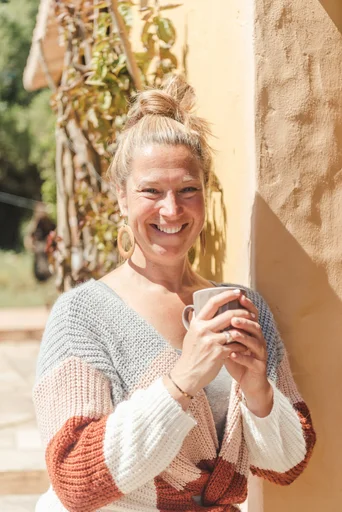
Hi my name is Lia and i am your host in this yoga journey in Portugal, Subscribe to our newsletter to receive every week the best of Yoga in Portugal.

We bring back the importance of initiation into womanhood by Roos-Veerle Krijnen & Ella-June Henrard
Welcome to the Women’s Initiation Retreat by Naked Truth Retreats, a transformative journey into the depths of your True Feminine Nature. This retreat invites you to remember the sacredness and wholeness of your being.
Roos-Veerle Krijnen & Ella-June Henrard