Extended Hand-To-Big-Toe Pose (Utthita Hasta Padangustasana)

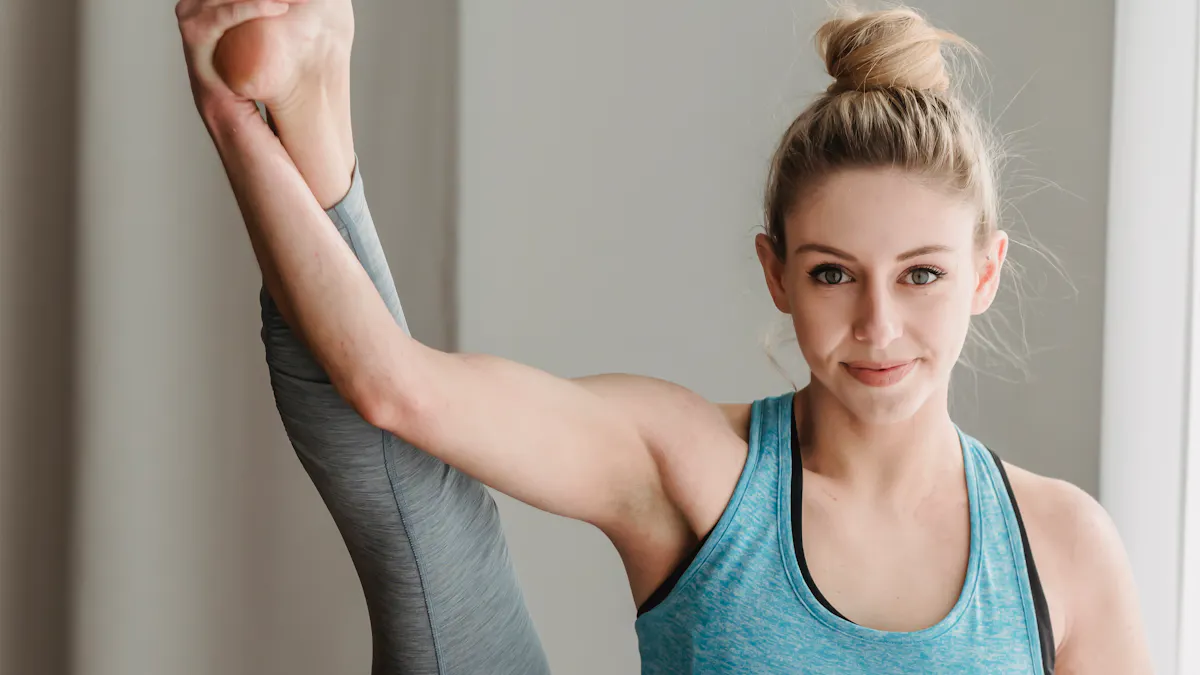
Introduction to Utthita Hasta Padangustasana
Discovering the Pose
My first encounter with Utthita Hasta Padangustasana was a revelation in balance and focus. The pose, also known as Extended Hand-To-Big-Toe Pose, challenged me to find stability on one leg while extending the other. It felt like a dance of strength and grace, requiring both physical and mental presence.
The significance of this yoga pose goes beyond its physical demands. It fosters equilibrium, balance, and increased focus, as evidenced by a 2015 study by James et al. This variant of padangusthasana practice has been shown to improve cardiovascular endurance and heart rate, making it not just a physical exercise but also beneficial for overall health.
What Makes Utthita Hasta Padangustasana Special
This pose is truly a test of balance and focus. By standing on one foot and extending the other, it challenges the practitioner to find stability while stretching muscle groups that are often tight for many people: the hamstrings. Additionally, Utthita Hasta Padangustasana strengthens and stretches the ankles, calves, thighs, and spine; it improves balance; stimulates the abdominal organs and heart; and helps relieve stress in the shoulders.
The Foundation of Extended Hand-To-Big-Toe Pose
Anatomy of the Pose
When practicing Utthita Hasta Padangustasana, the feet play a crucial role as the cornerstone of stability. The standing foot provides the foundation for the entire pose, anchoring the body and allowing for a strong base from which to extend and balance. This emphasis on the feet highlights the significance of maintaining solid grounding throughout the practice.
The role of the standing leg in Utthita Hasta Padangustasana is pivotal. It serves as the pillar of strength, supporting the body's weight while engaging various muscle groups to maintain balance. The standing leg acts as a stabilizing force, promoting alignment and focus throughout the pose. By consciously distributing weight evenly across the foot and activating specific areas such as the arch and heel, practitioners can enhance their stability and experience a deeper connection with the earth.
Step-by-Step Guide to the Pose
Finding Your Ground
To begin, stand tall in Tadasana (Mountain Pose) with both feet rooted firmly into the ground. Shift your weight onto one leg while maintaining a strong connection with the earth through your feet. Engage your core muscles to stabilize your pelvis and maintain an upright posture.
The Lift and Extend
As you lift one foot off the ground, maintain awareness of your standing foot's connection with the earth. Slowly extend your raised leg forward while keeping it engaged and active. Find a focal point to help steady your gaze and enhance your balance throughout this movement.
By following these steps mindfully, you can cultivate a deeper understanding of how Utthita Hasta Padangustasana relies on stable footing and intentional movements to achieve balance and poise.
Incorporating Extended Hand-To-Big-Toe Pose into Your Practice

As you progress in your yoga journey, incorporating Utthita Hasta Padangustasana into your practice can offer a myriad of benefits. Whether you are new to yoga or have an established practice, understanding how to integrate this pose effectively can enhance your overall experience on the mat.
From Basics to Extended Hand-To-Big-Toe Pose
Warm-Up Poses
Before delving into the intricacies of Utthita Hasta Padangustasana, it's essential to prepare your body with suitable warm-up poses. Gentle stretches such as Tadasana (Mountain Pose), Adho Mukha Svanasana (Downward-Facing Dog), and Virabhadrasana II (Warrior II) can help awaken and engage the muscles necessary for maintaining balance and stability in the extended hand-to-big-toe pose.
Sequencing for Success
When structuring your yoga sequence, consider placing Utthita Hasta Padangustasana after standing poses like Trikonasana (Triangle Pose) and Virabhadrasana I (Warrior I). These preparatory poses help create space along the back body by lengthening through all four sides of the waist, which is beneficial for transitioning into the extended hand-to-big-toe pose. Additionally, including hip-opening postures such as Baddha Konasana (Bound Angle Pose) can further facilitate ease and depth in performing this challenging balance pose.
Challenges and Modifications
Common Hurdles
For many practitioners, tight hamstrings and limited hip mobility may present challenges when attempting Utthita Hasta Padangustasana. It's common to feel restricted in extending the raised leg fully or maintaining equilibrium throughout the pose. Furthermore, finding a focal point for balance may be difficult initially.
Adjusting for Every Level
To address these obstacles, consider practicing near a wall to reduce the possibility of falling over while refining your balance. Utilize props such as a yoga block placed under the hand for additional support when reaching for the extended leg. For beginners, focusing on lifting and extending the leg gradually over time can lead to steady progress in mastering this pose.
Incorporating this challenging yet rewarding posture into your practice not only improves balance, coordination, and focus but also offers an opportunity to stretch and strengthen various muscle groups essential for overall well-being.
Beyond the Pose: The Journey of Balance and Stability
Lessons Learned on the Mat
As I delved deeper into my yoga practice, I discovered that Utthita Hasta Padangustasana goes beyond being just a physical pose. It serves as a profound lesson in finding balance not only in the body but also in the mind. The coordination of muscular and nervous balance required for this pose fosters a deep sense of equilibrium, both physically and mentally.
Practicing Utthita Hasta Padangustasana has taught me that the journey of balance transcends the confines of the yoga mat. The focus and concentration cultivated during this pose have a ripple effect, extending into daily life. By honing my ability to maintain steadiness amidst physical challenges, I've learned to approach life's obstacles with a greater sense of composure and resilience.
Tips for Healthy Feet and a Strong Foundation
Maintaining healthy feet is essential for a strong foundation in both yoga practice and everyday activities. Incorporating daily practices for foot health can significantly contribute to overall stability and well-being.
Daily Practices for Foot Health
Regularly massage your feet using a tennis ball or a foot roller to release tension and improve blood circulation.
Perform toe stretches to enhance flexibility and prevent stiffness in the toes.
Practice ankle rotations to strengthen the ankle joints and improve mobility.
Elevate your feet at the end of each day to reduce swelling and promote relaxation.
Yoga Poses for Stronger Feet
Incorporating specific yoga poses into your practice can help strengthen the muscles in your feet, promoting stability and balance.
Tadasana (Mountain Pose): This foundational pose encourages grounding through the feet, strengthening their connection with the earth.
Virabhadrasana I (Warrior I): As you ground through the back foot in this pose, it activates the muscles in the foot, enhancing stability.
Vrksasana (Tree Pose): Balancing on one foot strengthens the muscles in the standing leg while improving overall stability.
By integrating these practices into your routine, you can cultivate healthier feet, providing a solid foundation for various balancing yoga poses such as Utthita Hasta Padangustasana.
Conclusion: Reflecting on the Journey
Embracing the Path of Yoga
As I reflect on my journey with yoga, Utthita Hasta Padangustasana stands out as a pivotal milestone in my practice. This challenging yet rewarding pose has been instrumental in deepening my understanding of balance, both physically and mentally. Through dedicated practice, I have embraced the path of yoga as a transformative journey that extends beyond the confines of the mat.
Utthita Hasta Padangustasana has become an integral part of my yoga routine, serving as a constant reminder of the continuous learning curve inherent in this ancient discipline. It has taught me to approach each practice with humility and openness, recognizing that there is always room for growth and refinement. The pose embodies the essence of yoga as a lifelong exploration of self-discovery and inner harmony.
Utthita Hasta Padangustasana as a Milestone
For many practitioners, mastering Utthita Hasta Padangustasana represents a significant achievement in their yoga journey. The pose symbolizes not only physical prowess but also mental fortitude, requiring unwavering focus and determination. As I reached new milestones in my ability to hold and extend through this pose, I gained a profound sense of accomplishment and resilience.
The benefits of Utthita Hasta Padangustasana, including increased flexibility, strength in the hamstrings and calves, improved balance, and stimulation of abdominal organs, have contributed to its status as a milestone within the realm of yoga poses. Its multifaceted impact on the body and mind underscores its significance as a cornerstone pose in advancing one's yoga practice.
The Continuous Learning Curve
Throughout my experience with Utthita Hasta Padangustasana, I have come to appreciate the depth of knowledge that unfolds through consistent practice. Each session presents an opportunity for growth, whether it involves refining alignment, deepening stretches, or cultivating mental resilience. The pose serves as a testament to the ever-evolving nature of yoga—a discipline that thrives on continuous learning and self-improvement.
As I continue along this enriching path of yoga, Utthita Hasta Padangustasana remains an embodiment of perseverance and dedication. It exemplifies the ongoing learning curve inherent in yoga practice—a journey characterized by exploration, introspection, and evolution.
See Also
Enhance Your Practice with 4 Mudras

Hi my name is Lia and i am your host in this yoga journey in Portugal, Subscribe to our newsletter to receive every week the best of Yoga in Portugal.

We bring back the importance of initiation into womanhood by Roos-Veerle Krijnen & Ella-June Henrard
Welcome to the Women’s Initiation Retreat by Naked Truth Retreats, a transformative journey into the depths of your True Feminine Nature. This retreat invites you to remember the sacredness and wholeness of your being.
Roos-Veerle Krijnen & Ella-June Henrard