Exploring Yoga Through an Islamic Lens

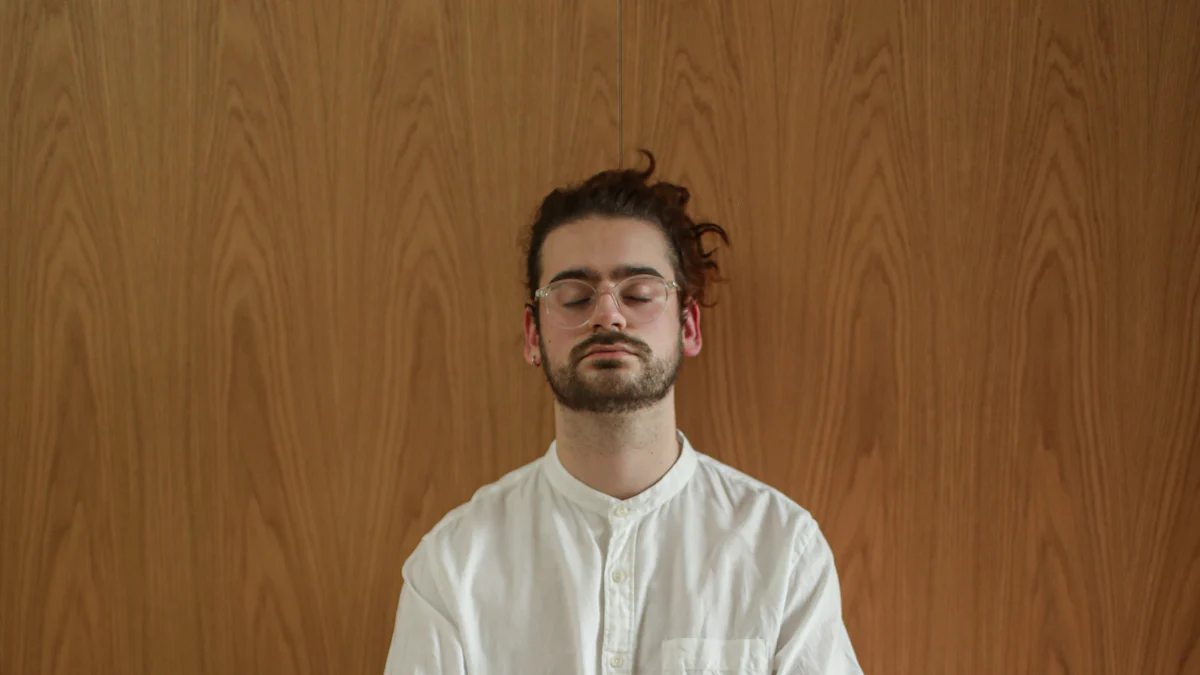
Yoga has become a popular form of exercise, with more than 20 million Americans practicing it regularly. You might wonder how yoga fits within the framework of different belief systems, such as Islam. Exploring yoga through an Islamic lens reveals fascinating connections. Both practices emphasize peace of mind, focus, and balance. Understanding yoga menurut islam can enrich your spiritual journey. This blog aims to delve into these connections, offering insights that may enhance your appreciation of both yoga and Islamic practices.
Conceptual Framework
Understanding Yoga
Historical Background
Yoga has a rich history that dates back thousands of years. It originated in ancient India, with evidence of its practice found in the Indus Valley civilization. This ancient tradition has evolved through various cultural and religious influences, including Vedic, Buddhist, and Jain traditions. The Yoga Sutras of Patanjali, a foundational text, played a significant role in shaping modern yoga practices. During the eleventh to twelfth centuries, Islamic mysticism arrived in India, coinciding with the translation of the Yoga Sutras into Arabic. This period marked a significant interaction between Islamic and yogic traditions, as Muslim Sufis began to incorporate yogic practices into their spiritual framework.
Core Principles and Practices
Yoga focuses on achieving balance and harmony within the body and mind. Its core principles include physical postures (asanas), breath control (pranayama), and meditation (dhyana). These practices aim to promote self-awareness, inner peace, and spiritual growth. Yoga encourages individuals to explore their spiritual nature and seek a higher purpose in life. By integrating these practices, you can enhance your physical health and mental well-being.
Islamic Perspective
Basic Tenets of Islam
Islam is a monotheistic religion founded on the belief in one God, Allah. The basic tenets include the Five Pillars: Shahada (faith), Salah (prayer), Zakat (charity), Sawm (fasting), and Hajj (pilgrimage). These pillars guide Muslims in their daily lives, emphasizing devotion, compassion, and community. Islam encourages followers to maintain a balance between physical and spiritual well-being, aligning with some of the principles found in yoga.
Views on Physical and Spiritual Practices
In Islam, physical and spiritual practices hold great importance. Prayer, or Salah, involves specific physical postures that resemble certain yoga poses. This similarity highlights a potential common ground between the two practices. Meditation and mindfulness, central to yoga, also find a place in Islamic teachings. Both traditions emphasize the importance of self-awareness and spiritual growth. While some scholars view yoga as rooted in Hindu philosophy, others believe that practicing yoga as a form of physical exercise aligns with Islamic values. By exploring yoga menurut islam, you can discover how these practices complement each other, enriching your spiritual journey.
Comparative Analysis
Similarities Between Yoga and Islamic Practices
Meditation and Prayer
Both yoga and Islamic practices emphasize meditation and prayer as essential components of spiritual growth. In yoga, meditation helps you achieve a state of inner peace and mindfulness. Similarly, Islamic prayer, known as Salah, involves a series of physical postures and recitations that foster a deep connection with Allah. These practices encourage you to focus on the present moment, promoting mental clarity and spiritual awareness. By exploring yoga menurut islam, you can find that both traditions aim to cultivate a sense of tranquility and devotion.
Mindfulness and Spiritual Awareness
Mindfulness is a key aspect of both yoga and Islamic teachings. Yoga encourages you to be present in each moment, enhancing your awareness of your thoughts and emotions. Islamic teachings also emphasize mindfulness, urging you to be conscious of your actions and intentions. This shared focus on mindfulness helps you develop a deeper understanding of yourself and your spiritual journey. By integrating yoga menurut islam into your daily routine, you can enhance your spiritual awareness and achieve a greater sense of balance and harmony.
Differences and Challenges
Philosophical Divergences
While yoga and Islamic practices share many similarities, they also have philosophical differences. Yoga's roots in Hindu philosophy may present challenges for some Muslims, as it involves concepts like karma and reincarnation, which differ from Islamic beliefs. However, practicing yoga as a form of physical exercise, without its spiritual connotations, aligns with Islamic values. By understanding yoga menurut islam, you can navigate these philosophical divergences and find a practice that resonates with your beliefs.
Cultural and Religious Sensitivities
Cultural and religious sensitivities play a significant role in the integration of yoga and Islamic practices. Some Muslims may feel uncomfortable with certain yoga practices due to their association with other religions. It's important to approach yoga menurut islam with an open mind, respecting both cultural and religious differences. By focusing on the physical and mental benefits of yoga, you can create a practice that complements your Islamic beliefs and enhances your overall well-being.
Benefits of Integrating Yoga with Islamic Practices
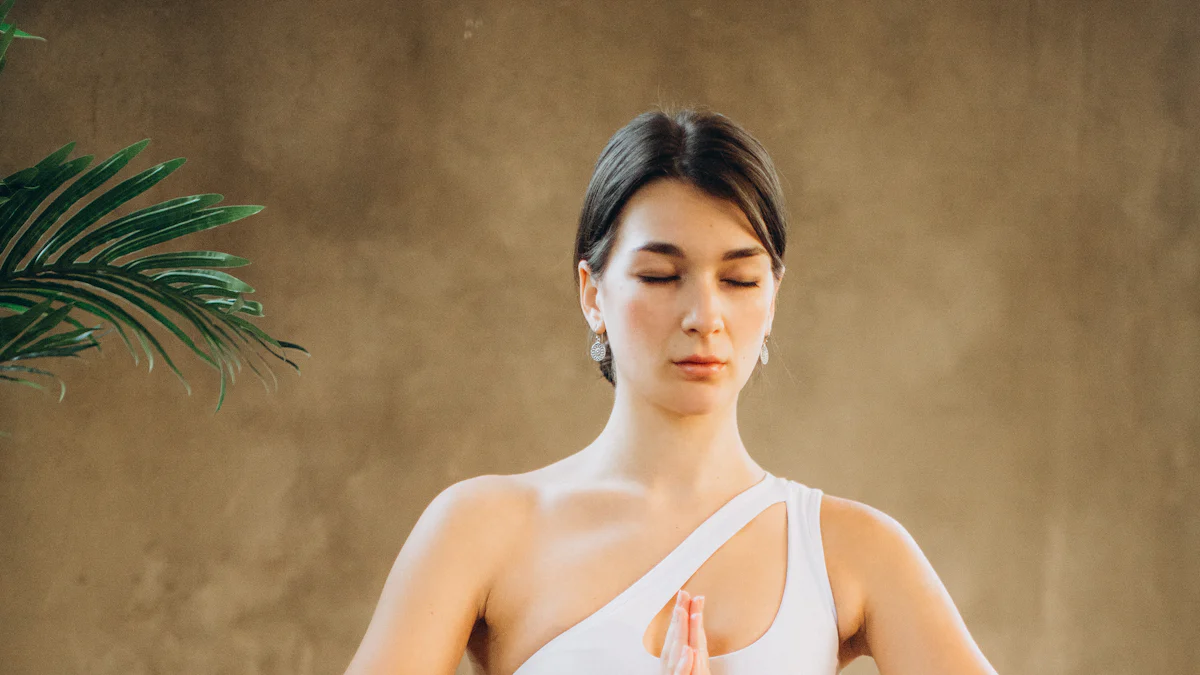
Exploring yoga menurut islam can offer numerous benefits, enhancing both your physical health and spiritual well-being. By integrating yoga into your Islamic practices, you can experience a holistic improvement in your life.
Physical Health Benefits
Flexibility and Strength
Yoga is renowned for its ability to improve flexibility and strength. When you practice yoga regularly, you engage in various poses that stretch and strengthen your muscles. This not only enhances your physical capabilities but also helps prevent injuries. The physical postures in yoga, known as asanas, align well with the movements in Islamic prayer, offering a complementary approach to maintaining your body's health. By incorporating yoga menurut islam, you can achieve a balanced and strong physique.
Stress Reduction
In today's fast-paced world, stress has become a common challenge. Yoga offers a powerful tool for stress reduction. Through controlled breathing exercises and meditation, yoga helps calm your mind and reduce anxiety. Studies have shown that consistent yoga practice can lead to significant decreases in stress levels and improvements in mood. By integrating yoga menurut islam into your routine, you can cultivate a sense of tranquility and resilience, allowing you to navigate life's challenges with ease.
Spiritual and Mental Well-being
Enhanced Focus and Concentration
Yoga encourages mindfulness, which enhances your focus and concentration. When you practice yoga, you learn to be present in the moment, paying attention to your breath and movements. This mindfulness translates into other areas of your life, improving your ability to concentrate on tasks and make thoughtful decisions. Islamic teachings also emphasize the importance of focus during prayer and daily activities. By exploring yoga menurut islam, you can strengthen your mental clarity and achieve greater success in your endeavors.
Inner Peace and Harmony
Achieving inner peace and harmony is a central goal of both yoga and Islamic practices. Yoga promotes self-awareness and spiritual growth, helping you connect with your inner self. This connection fosters a sense of peace and contentment. Islamic teachings also encourage you to seek inner peace through devotion and mindfulness. By integrating yoga menurut islam, you can create a harmonious balance between your physical, mental, and spiritual well-being, leading to a more fulfilling and meaningful life.
Philosophical Parallels
Exploring yoga menurut islam reveals fascinating philosophical parallels between yoga and Islamic teachings. Both traditions emphasize unity and oneness, encouraging you to connect with the world around you and seek a deeper spiritual connection.
Concepts of Unity and Oneness
Yoga's View on Universal Connection
Yoga promotes the idea of universal connection. It teaches you to recognize the interconnectedness of all beings and the universe. This philosophy encourages you to see beyond individual differences and embrace a sense of unity with the world. By practicing yoga menurut islam, you can cultivate a deeper understanding of your place in the universe and foster a sense of harmony with others.
Islamic Teachings on Tawhid
In Islam, the concept of Tawhid represents the oneness of Allah and the unity of creation. This fundamental belief emphasizes that everything in the universe is interconnected and originates from a single source. By embracing Tawhid, you can develop a profound sense of unity with the world and strengthen your spiritual connection with Allah. Integrating yoga menurut islam into your spiritual practice can enhance your understanding of this concept, allowing you to experience a greater sense of oneness and peace.
Ethical and Moral Values
Yoga and Islamic teachings share common ethical and moral values, promoting compassion, kindness, and charity. These principles guide you in your interactions with others and help you lead a more fulfilling life.
Ahimsa and Compassion
Ahimsa, a core principle of yoga, emphasizes non-violence and compassion towards all living beings. Practicing ahimsa encourages you to act with kindness and empathy, fostering positive relationships and promoting peace. By incorporating yoga menurut islam into your life, you can develop a greater sense of compassion and understanding, enhancing your interactions with others.
Islamic Principles of Kindness and Charity
Islamic teachings also emphasize the importance of kindness and charity. The concept of Zakat, or charitable giving, encourages you to support those in need and contribute to the well-being of your community. By practicing kindness and charity, you can create a positive impact on the world and strengthen your spiritual connection with Allah. Integrating yoga menurut islam into your daily routine can help you embody these values, promoting a more compassionate and harmonious way of living.
By exploring these philosophical parallels, you can gain a deeper understanding of how yoga menurut islam can enrich your spiritual journey. Both traditions offer valuable insights into the pursuit of inner peace and unity, guiding you towards a more balanced and fulfilling life.
Expert Opinions and Personal Reflections
Insights from Yoga Practitioners
Experiences of Muslim Yogis
Muslim yogis have shared their unique experiences of integrating yoga into their spiritual practices. They often find that yoga menurut islam enhances their connection to their faith. The physical postures and breathing techniques in yoga align well with the movements and meditative aspects of Islamic prayer, or Salah. This alignment allows you to experience a deeper sense of peace and mindfulness during your spiritual practices.
Yoga Journal highlights that both yoga and Islamic teachings emphasize compassion, kindness, and empathy. These values resonate deeply with Muslim yogis, who find that practicing yoga helps them embody these principles in their daily lives. By exploring yoga menurut islam, you can discover how these practices complement each other, enriching your spiritual journey.
Challenges and Opportunities
While many Muslim yogis embrace yoga, they also encounter challenges. Some face skepticism from their communities due to misconceptions about yoga's origins and its compatibility with Islamic beliefs. However, these challenges present opportunities for dialogue and understanding. By educating others about the benefits of yoga menurut islam, you can help bridge cultural and religious gaps, fostering a more inclusive environment for spiritual growth.
Reflections from Islamic Scholars
Interpretations of Yoga in Islamic Context
Islamic scholars have offered diverse interpretations of yoga within an Islamic context. Some scholars view yoga as a beneficial practice that aligns with Islamic values when approached as a form of physical exercise. They emphasize that yoga menurut islam can enhance your physical health and mental well-being without conflicting with your faith.
Medium notes that Islamic prayer shares similar intentions with yoga, such as achieving peace of mind and inner balance. This similarity suggests that yoga can coexist with Islamic practices, offering complementary benefits. By understanding these interpretations, you can navigate the philosophical differences and find a practice that resonates with your beliefs.
Future Prospects and Developments
The future of yoga menurut islam holds promising prospects for further integration and understanding. As more people explore the connections between yoga and Islam, new opportunities for collaboration and growth emerge. Scholars and practitioners can work together to develop resources and programs that highlight the benefits of combining these practices. By embracing this potential, you can contribute to a more harmonious and enriched spiritual community.
In exploring yoga menurut islam, you discover a rich tapestry of shared values and practices. Both traditions emphasize self-awareness, inner peace, and spiritual growth. You find that yoga's physical postures and breathing techniques align well with Islamic prayer, enhancing your spiritual journey. Muslim yogis often note the harmony between these practices, experiencing deeper mindfulness and peace. As you integrate yoga menurut islam into your life, you open doors to further understanding and enrichment. Embrace this journey, and continue to explore the profound connections between these two spiritual paths.
Hi my name is Lia and i am your host in this yoga journey in Portugal, Subscribe to our newsletter to receive every week the best of Yoga in Portugal.

We bring back the importance of initiation into womanhood by Roos-Veerle Krijnen & Ella-June Henrard
Welcome to the Women’s Initiation Retreat by Naked Truth Retreats, a transformative journey into the depths of your True Feminine Nature. This retreat invites you to remember the sacredness and wholeness of your being.
Roos-Veerle Krijnen & Ella-June Henrard