Exploring the Various Types of Yoga Asanas

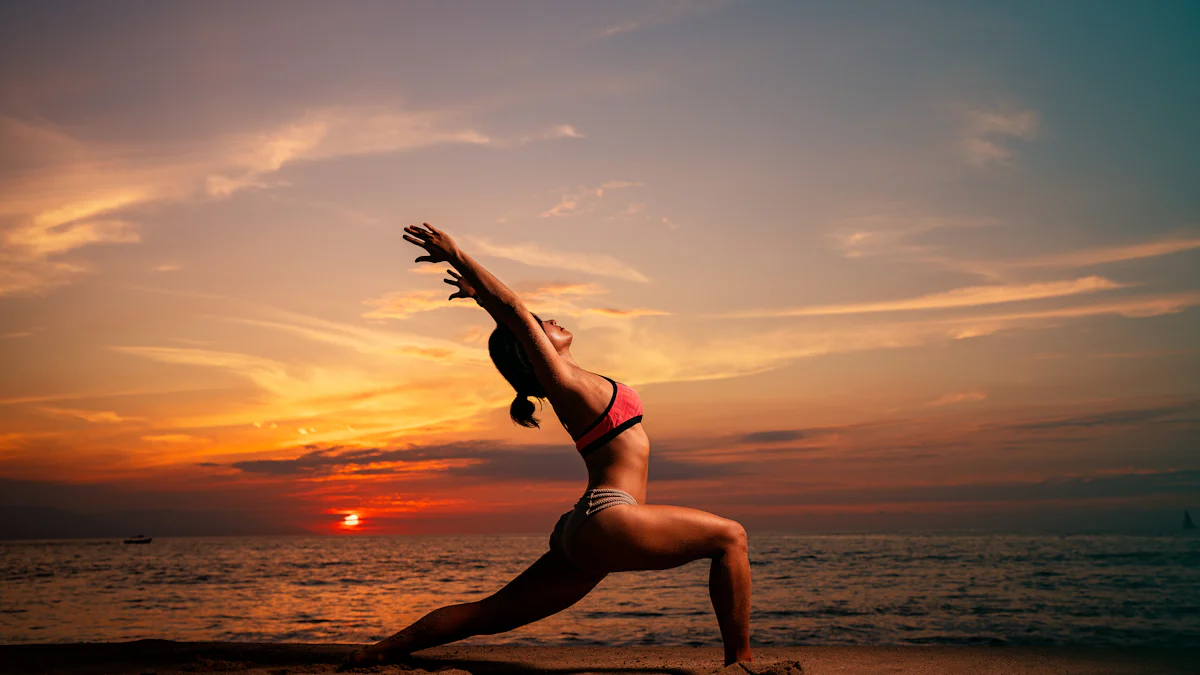
Yoga asanas, or postures, play a crucial role in enhancing both your physical and mental well-being. They help reduce stress, improve flexibility, and boost overall health. Practicing different types of yoga asanas can lead to improved cardiovascular fitness, better posture, and a sense of calm. Understanding these various asanas is essential for a comprehensive yoga practice. By exploring the diverse poses, you can tailor your routine to meet your specific needs, ensuring a balanced and effective approach to wellness.
Types of Yoga Asanas
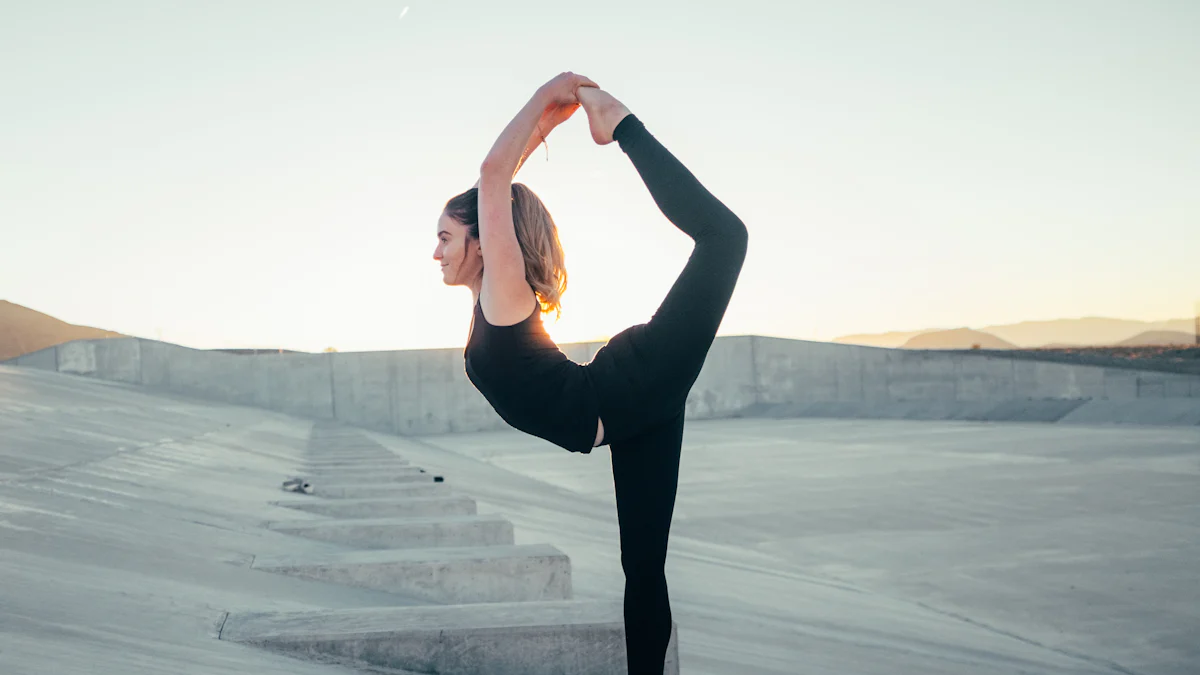
Yoga offers a variety of asanas, each designed to enhance your physical and mental well-being. Understanding the different types of yoga asanas can help you create a balanced practice that meets your individual needs. Let's explore some of these asanas.
Standing Asanas
Standing asanas form the foundation of many yoga practices. They help improve balance, strength, and posture.
Mountain Pose (Tadasana)
Mountain Pose, or Tadasana, is a simple yet powerful standing asana. It helps you develop better posture and strengthens your core muscles. By practicing Tadasana, you align your body and mind, creating a sense of stability and grounding. This pose also improves blood circulation and enhances concentration.
Warrior Pose (Virabhadrasana)
Warrior Pose, known as Virabhadrasana, builds strength and endurance. It engages your legs, arms, and core, promoting balance and focus. Practicing this asana regularly can improve your overall fitness and boost your confidence. Warrior Pose also helps correct imbalances, reducing strain on your spine and joints.
Sitting Asanas
Sitting asanas offer a chance to stretch and relax your body while improving flexibility and concentration.
Lotus Pose (Padmasana)
Lotus Pose, or Padmasana, is a classic sitting asana that promotes relaxation and meditation. It opens your hips and stretches your knees and ankles. This pose enhances concentration and stimulates the spine, making it an excellent choice for calming the mind and relieving stress.
Seated Forward Bend (Paschimottanasana)
Seated Forward Bend, known as Paschimottanasana, stretches your spine, shoulders, and hamstrings. It helps improve flexibility and digestion. By practicing this asana, you can ease anxiety and nervous disorders, promoting a sense of calm and relaxation.
Backbending Asanas
Backbending asanas invigorate your body and mind, enhancing flexibility and strength.
Cobra Pose (Bhujangasana)
Cobra Pose, or Bhujangasana, strengthens your spine and opens your chest. It improves blood circulation and stimulates the respiratory system. This asana also boosts your mood and energy levels, making it a great addition to your yoga routine.
Bridge Pose (Setu Bandhasana)
Bridge Pose, known as Setu Bandhasana, stretches your chest, neck, and spine. It strengthens your back muscles and improves posture. Practicing this asana can relieve stress and anxiety, promoting a sense of well-being and relaxation.
By incorporating these types of yoga asanas into your practice, you can experience a wide range of benefits, from improved flexibility and strength to enhanced mental clarity and relaxation. Each asana offers unique advantages, allowing you to tailor your yoga routine to suit your personal goals and needs.
Balancing Asanas
Balancing asanas play a vital role in enhancing your stability and focus. They challenge your coordination and concentration, helping you achieve a sense of equilibrium both physically and mentally.
Tree Pose (Vrikshasana)
Tree Pose, or Vrikshasana, is a fundamental balancing asana. You stand on one leg while placing the sole of the other foot on your inner thigh. This pose strengthens your legs and improves your balance. It also enhances your concentration and mental clarity. Practicing Tree Pose regularly can help you develop better posture and stability, which are essential for a well-rounded yoga practice.
Crow Pose (Bakasana)
Crow Pose, known as Bakasana, is an advanced balancing asana that requires strength and focus. In this pose, you balance your body on your arms, engaging your core and upper body muscles. Crow Pose improves your arm strength and enhances your ability to concentrate. It also boosts your confidence as you master the art of balancing your body weight on your hands.
Inversion Asanas
Inversion asanas involve turning your body upside down, which can offer numerous benefits. These poses improve circulation and stimulate the brain, providing a refreshing perspective.
Headstand (Sirsasana)
Headstand, or Sirsasana, is often referred to as the "king of asanas." This inversion pose involves balancing on your head and forearms. It improves blood circulation to the brain, enhancing concentration and memory. Headstand also strengthens your shoulders and arms, promoting overall stability and balance.
Shoulder Stand (Sarvangasana)
Shoulder Stand, known as Sarvangasana, is another powerful inversion asana. You lift your legs and torso vertically while supporting your back with your hands. This pose stimulates the thyroid gland and improves digestion. It also helps relieve stress and anxiety, promoting a sense of calm and relaxation.
Restorative Asanas
Restorative asanas focus on relaxation and rejuvenation. They allow you to unwind and release tension, promoting overall well-being.
Child's Pose (Balasana)
Child's Pose, or Balasana, is a gentle resting asana that provides a deep sense of relaxation. You kneel on the floor and stretch your arms forward, resting your forehead on the mat. This pose gently stretches your back and hips, relieving tension and stress. Child's Pose encourages introspection and mindfulness, making it an excellent choice for calming the mind.
Corpse Pose (Savasana)
Corpse Pose, known as Savasana, is the ultimate restorative asana. You lie flat on your back with your arms and legs relaxed. This pose allows your body to rest and rejuvenate, promoting deep relaxation. Savasana helps reduce stress and anxiety, providing a sense of peace and tranquility. It is often practiced at the end of a yoga session to integrate the benefits of all the types of yoga asanas.
By incorporating these types of yoga asanas into your routine, you can experience a wide range of benefits. From improved balance and strength to enhanced mental clarity and relaxation, each asana offers unique advantages. Tailor your yoga practice to suit your personal goals and needs, ensuring a balanced and effective approach to wellness.
FAQ on Practicing Yoga Asanas
How to practice yoga asanas safely?
Practicing yoga asanas safely requires attention to your body's signals and limitations. Begin with a warm-up to prepare your muscles and joints. This reduces the risk of injury. Focus on maintaining proper alignment in each pose. This helps prevent strain on your spine and joints. Use props like blocks or straps if needed. They provide support and help you achieve correct posture. Listen to your body. If you feel pain, ease out of the pose. Consistency is key. Regular practice improves flexibility and strength over time.
What are the common mistakes to avoid?
Avoiding common mistakes enhances your yoga practice. One mistake is holding your breath. Remember to breathe deeply and evenly. This supports your movements and calms your mind. Another mistake is pushing too hard. Respect your body's limits. Overstretching can lead to injuries. Skipping warm-ups is also a common error. Warm-ups prepare your body for more challenging poses. Lastly, neglecting alignment can cause imbalances. Proper alignment ensures you engage the right muscles and protect your joints.
How often should one practice yoga asanas?
The frequency of practicing yoga asanas depends on your goals and schedule. For beginners, practicing two to three times a week is beneficial. This allows your body to adapt and build strength. As you progress, aim for four to five sessions weekly. This frequency helps improve flexibility and balance. Daily practice is ideal for those seeking deeper benefits. It enhances mental clarity and reduces stress. Remember, consistency matters more than duration. Even short sessions contribute to overall well-being.
Practicing various yoga asanas offers numerous benefits. You enhance your physical strength and flexibility while promoting mental clarity and relaxation. Incorporating these poses into your daily routine can significantly improve your overall well-being. Consistency is key. Regular practice helps you achieve lasting results. Mindfulness during each session ensures you engage both body and mind effectively.
Qualified Yoga Instructor: "If you’re new to yoga or have specific health concerns or injuries, seeking guidance from a qualified yoga instructor or healthcare professional is highly recommended."
Embrace yoga as a journey towards a healthier, more balanced life.
See Also
Discovering 11 Distinct Yoga Styles And Their Advantages
A Beginner's Guide To Practicing Yoga Asanas In Hindi
Best 10 Yoga Poses For Couples To Enjoy Together

Hi my name is Lia and i am your host in this yoga journey in Portugal, Subscribe to our newsletter to receive every week the best of Yoga in Portugal.

We bring back the importance of initiation into womanhood by Roos-Veerle Krijnen & Ella-June Henrard
Welcome to the Women’s Initiation Retreat by Naked Truth Retreats, a transformative journey into the depths of your True Feminine Nature. This retreat invites you to remember the sacredness and wholeness of your being.
Roos-Veerle Krijnen & Ella-June Henrard