Essential Yoga Sequences for Beginners

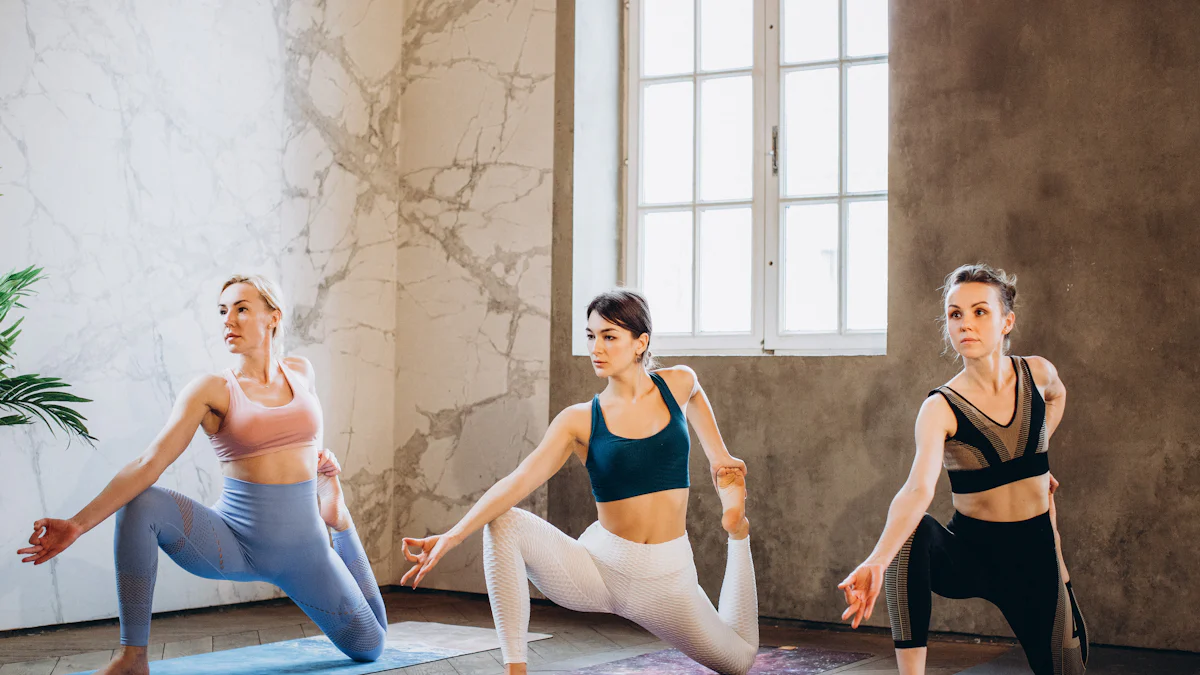
Yoga offers numerous benefits that can transform your life. As a starter yoga practitioner, you can enhance your physical strength, improve your mental clarity, and boost your emotional well-being through regular practice. Studies show that 94% of adults who engage in yoga do so to enhance their overall wellness. You can experience reduced stress levels and improved self-esteem by incorporating simple poses into your routine. Starting your yoga journey today can lead to a healthier, happier you.
Key Takeaways
Yoga enhances physical strength, mental clarity, and emotional well-being, making it a transformative practice for beginners.
Start with foundational poses like Mountain Pose to establish stability and improve posture.
Incorporate standing sequences such as Warrior I and II to build strength and confidence in your practice.
Seated poses like Easy Pose and Seated Forward Bend promote relaxation and flexibility, essential for overall well-being.
Calming sequences, including Child’s Pose and Corpse Pose, help reduce stress and enhance mental clarity.
Consistency is key; aim to practice yoga two to three times a week to see improvements in strength and flexibility.
Yoga is accessible to everyone; listen to your body and modify poses as needed to enjoy a fulfilling practice.
Standing Yoga Sequences
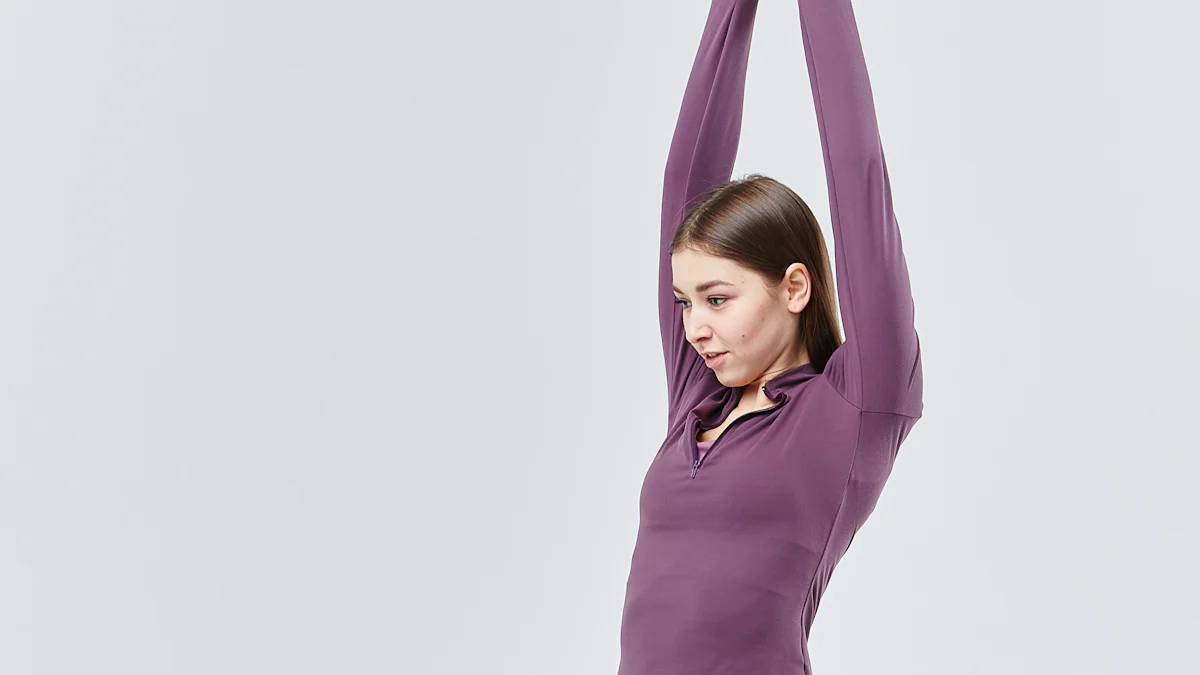
Mountain Pose (Tadasana)
Begin your standing yoga journey with Mountain Pose, known as Tadasana. This foundational pose helps you establish a strong connection with the ground. Stand tall with your feet together, grounding your weight evenly through your feet. Engage your thighs and lift your chest. Relax your shoulders away from your ears. Breathe deeply and feel the energy flow through your body. This pose enhances posture and promotes stability, making it an essential starting point for any beginner.
Warrior I (Virabhadrasana I)
Next, transition into Warrior I. Step one foot back while keeping the front knee bent. Your back leg should remain straight, and your hips should face forward. Raise your arms overhead, palms facing each other. This pose builds strength in your legs and opens your chest. It also cultivates focus and determination. As a beginner, you may find it helpful to use a yoga mat that provides good grip and stability. A mat with adequate thickness protects your joints during this pose.
Warrior II (Virabhadrasana II)
Finally, move into Warrior II. From Warrior I, open your hips and shoulders to face the side. Extend your arms parallel to the floor, gazing over your front hand. This pose strengthens your legs and improves balance. It also encourages a sense of empowerment. Practising these standing sequences regularly can significantly enhance your confidence and physical strength. Remember to breathe deeply throughout each pose, allowing your body to relax into the movements.
Incorporating these standing yoga sequences into your routine will help you build a solid foundation for your practice. As you progress, consider adding props like blocks or straps to assist with alignment and support. These tools can enhance your experience and make your practice more enjoyable.
Seated Yoga Sequences
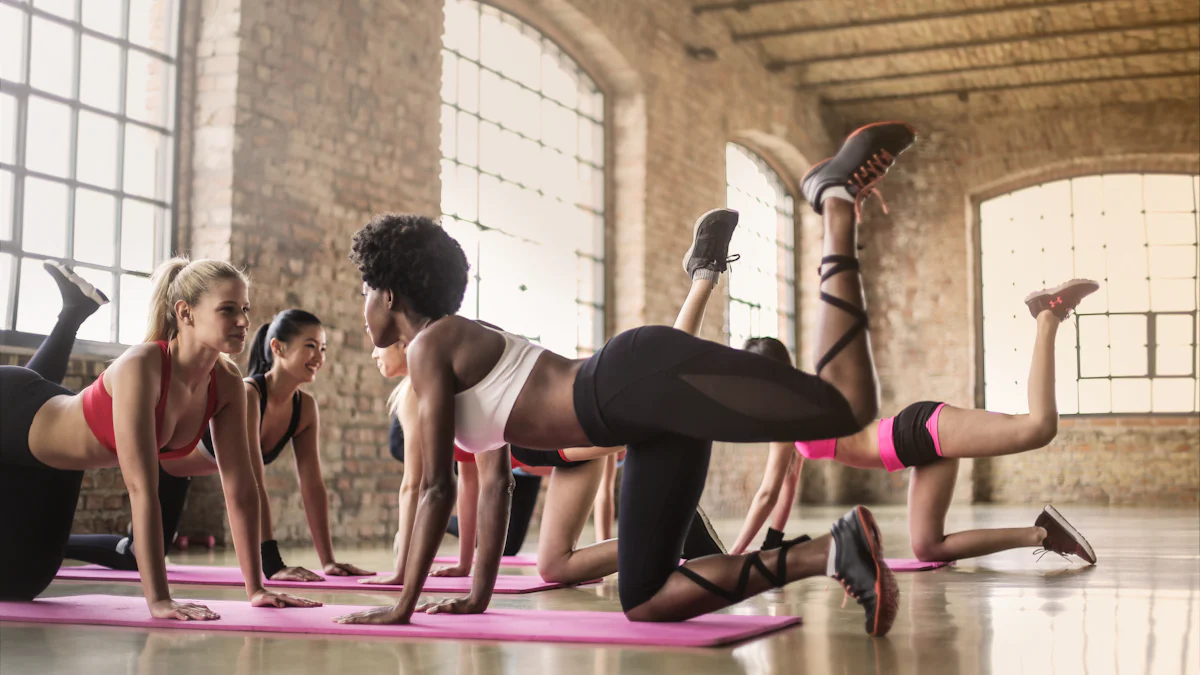
Easy Pose (Sukhasana)
Start your seated yoga practice with Easy Pose, known as Sukhasana. Sit comfortably on your mat with your legs crossed. Keep your spine straight and shoulders relaxed. Rest your hands on your knees, palms facing up or down. Close your eyes and focus on your breath. This pose promotes relaxation and helps you connect with your inner self. As a beginner, you may find this pose grounding and calming. Practising Sukhasana regularly can enhance your overall sense of well-being.
Seated Forward Bend (Paschimottanasana)
Next, transition into Seated Forward Bend, or Paschimottanasana. Sit with your legs extended straight in front of you. Inhale deeply, lengthening your spine. As you exhale, hinge at your hips and reach towards your feet. If you cannot touch your toes, that is perfectly fine. Simply reach as far as you can while keeping your back straight. This pose stretches your hamstrings and lower back. It also calms the mind and relieves stress. Regular practice of this pose can improve your flexibility and promote a sense of tranquillity.
Cat-Cow Stretch (Marjaryasana-Bitilasana)
Finally, incorporate the Cat-Cow Stretch into your routine. Start on all fours with your wrists aligned under your shoulders and knees under your hips. Inhale as you arch your back, lifting your head and tailbone towards the ceiling (Cow Pose). Exhale as you round your spine, tucking your chin to your chest (Cat Pose). Flow between these two positions, synchronising your breath with your movements. This sequence warms up your spine and improves mobility. It also helps relieve tension in your back and neck. Practising Cat-Cow regularly can enhance your body awareness and prepare you for deeper stretches.
Incorporating these seated yoga sequences into your practice will deepen your understanding of yoga. Each pose offers unique benefits that contribute to your overall growth as a starter yoga practitioner. Remember to listen to your body and progress at your own pace.
Calming Yoga Sequences
Child’s Pose (Balasana)
Begin your calming yoga practice with Child’s Pose, known as Balasana. Kneel on your mat and sit back on your heels. Lower your torso forward, resting your forehead on the ground. Extend your arms in front of you or let them rest alongside your body. This pose encourages relaxation and helps you release tension. Focus on your breath as you sink deeper into the pose. Feel the gentle stretch in your back and hips. Child’s Pose is an excellent way to calm your mind and body after a busy day. Practising this pose regularly can enhance your overall sense of peace.
Corpse Pose (Savasana)
Next, transition into Corpse Pose, or Savasana. Lie flat on your back with your legs extended and arms relaxed at your sides. Close your eyes and take slow, deep breaths. Allow your body to relax completely. Focus on each part of your body, releasing any remaining tension. This pose promotes deep relaxation and helps you integrate the benefits of your practice. Savasana is essential for grounding yourself after your yoga session. Spend several minutes in this pose to fully absorb the calming effects of your practice. Regularly practising Corpse Pose can significantly improve your mental clarity and emotional balance.
Incorporating these calming yoga sequences into your routine will help you cultivate a sense of tranquillity. Each pose offers unique benefits that contribute to your overall well-being as a starter yoga practitioner. Remember to listen to your body and enjoy the stillness that these poses provide.
Starting your yoga journey opens doors to numerous benefits for your body and mind. You can enhance your strength, flexibility, and mental clarity through simple sequences. Embrace the opportunity to try these poses. Each sequence offers a unique experience that can transform your practice.
Remember, yoga is accessible to everyone, regardless of age or fitness level. As Joe discovered, yoga can help you regain a sense of whole-body awareness. Take the first step today and enjoy the journey towards a healthier, more balanced life.
FAQ
What should I wear for yoga?
Choose comfortable clothing that allows you to move freely. Opt for breathable fabrics that wick away sweat. Many beginners prefer fitted tops and stretchy bottoms. Avoid overly loose clothing, as it may hinder your movements.
How often should I practice yoga as a beginner?
Aim to practise yoga at least two to three times a week. Consistency helps you build strength and flexibility over time. You can start with shorter sessions and gradually increase the duration as you become more comfortable.
Do I need any special equipment to start yoga?
You only need a yoga mat to begin your practice. A good-quality mat provides grip and cushioning. As you progress, you might consider using props like blocks or straps to assist with alignment and support.
Can yoga help with stress relief?
Absolutely! Yoga promotes relaxation and mindfulness. Poses combined with deep breathing techniques can significantly reduce stress levels. Practising calming sequences, such as Child’s Pose and Corpse Pose, enhances your ability to unwind.
Is yoga suitable for everyone?
Yes, yoga is accessible to individuals of all ages and fitness levels. You can modify poses to suit your abilities. Always listen to your body and consult a healthcare professional if you have any concerns.
How long does it take to see results from yoga?
Results vary from person to person. Many beginners notice improvements in flexibility and strength within a few weeks. Regular practice leads to enhanced mental clarity and emotional balance over time.
What if I can't do certain poses?
It's perfectly fine if you cannot perform certain poses. Focus on what feels comfortable for you. Modify poses or use props to assist your practice. Yoga is about progress, not perfection.
Should I eat before practising yoga?
Avoid heavy meals before your session. A light snack, such as fruit or yogurt, can provide energy without discomfort. Allow at least an hour after eating before you begin your practice.
How can I stay motivated to continue my yoga practice?
Set realistic goals and track your progress. Join a class or find a yoga buddy to keep you accountable. Explore different styles of yoga to keep your practice fresh and exciting.
Where can I find beginner-friendly yoga classes?
Many local studios offer beginner classes. Online platforms also provide a variety of resources. Websites like Kaya Health Clubs feature helpful guides for beginners. Explore options that fit your schedule and preferences.
See Also
Starting Your Yoga Adventure with Kassandra's Tutorials
Initiating Your Yoga and Mindfulness Experience
Powerful Yoga Sequences for Weight Loss and Toning
Hi my name is Lia and i am your host in this yoga journey in Portugal, Subscribe to our newsletter to receive every week the best of Yoga in Portugal.

We bring back the importance of initiation into womanhood by Roos-Veerle Krijnen & Ella-June Henrard
Welcome to the Women’s Initiation Retreat by Naked Truth Retreats, a transformative journey into the depths of your True Feminine Nature. This retreat invites you to remember the sacredness and wholeness of your being.
Roos-Veerle Krijnen & Ella-June Henrard