Essential Yoga Asanas for Beginners: A Complete Guide

Yoga asanas, or poses, form the foundation of a beginner's yoga practice. These essential poses help you build strength, flexibility, and balance. Practicing them regularly can significantly enhance your physical and mental well-being. For instance, many people experience reduced stress and improved mindfulness through yoga. In fact, 62% of practitioners use yoga to boost mindfulness, which helps decrease anxiety and depression. A yoga asan chart can guide you in learning these poses effectively. By incorporating these asanas into your routine, you embark on a journey toward better health and tranquility.
Understanding Yoga and Its Benefits
What is Yoga?
Yoga is an ancient practice that combines physical postures, breathing exercises, and meditation. Originating in India over 5,000 years ago, it aims to harmonize the body, mind, and spirit. You engage in a series of poses, known as asanas, which help improve your flexibility and strength. Breathing techniques, or pranayama, enhance your lung capacity and focus. Meditation fosters a sense of inner peace and mindfulness. By practicing yoga, you embark on a journey of self-discovery and holistic well-being.
Benefits of Practicing Yoga
Practicing yoga regularly offers numerous benefits for both your physical and mental health. Here are some key advantages:
Improved Mental Health: Yoga can significantly boost serotonin levels and reduce stress hormones. Studies show that it effectively alleviates depression and anxiety, enhancing overall mental health. You may find that yoga helps you manage stress and promotes a positive outlook on life.
Enhanced Physical Health: Engaging in yoga can improve cardiovascular function, musculoskeletal conditions, and diabetes management. Regular practice strengthens your muscles, increases flexibility, and enhances balance. You may also experience better glycemic control and improved lipid levels.
Better Sleep Quality: Yoga can enhance sleep quality by calming the mind and relaxing the body. It helps regulate your sleep patterns, making it easier for you to fall asleep and stay asleep.
Reduced Inflammation: Yoga has been shown to reduce inflammation in the body, which can lower the risk of chronic diseases. By incorporating yoga into your routine, you support your body's natural healing processes.
Increased Mindfulness: Yoga encourages mindfulness, helping you stay present and focused. This heightened awareness can lead to improved concentration and decision-making skills.
By embracing yoga, you unlock a wealth of benefits that contribute to a healthier, more balanced life. Whether you seek physical strength, mental clarity, or emotional peace, yoga offers a path to achieving your goals.
Essential Yoga Asanas for Beginners
Mountain Pose (Tadasana)
Mountain Pose, or Tadasana, serves as the foundation for many other yoga poses. You stand tall with your feet together, grounding yourself firmly into the earth. This pose helps you improve posture and balance. It also strengthens your legs and core. By practicing Tadasana, you cultivate awareness of your body's alignment. Focus on your breath as you hold this pose, feeling the energy flow from your feet to the crown of your head. Regular practice of Mountain Pose enhances your stability and prepares you for more complex asanas.
Downward-Facing Dog (Adho Mukha Svanasana)
Downward-Facing Dog, known as Adho Mukha Svanasana, is a staple in yoga practice. You begin on your hands and knees, then lift your hips to form an inverted V-shape. This pose stretches your entire body, especially the hamstrings, calves, and shoulders. It strengthens your arms and legs while promoting blood circulation. As you hold this pose, focus on distributing your weight evenly between your hands and feet. Downward-Facing Dog not only energizes your body but also calms your mind, making it an essential part of any yoga routine.
Warrior I (Virabhadrasana I)
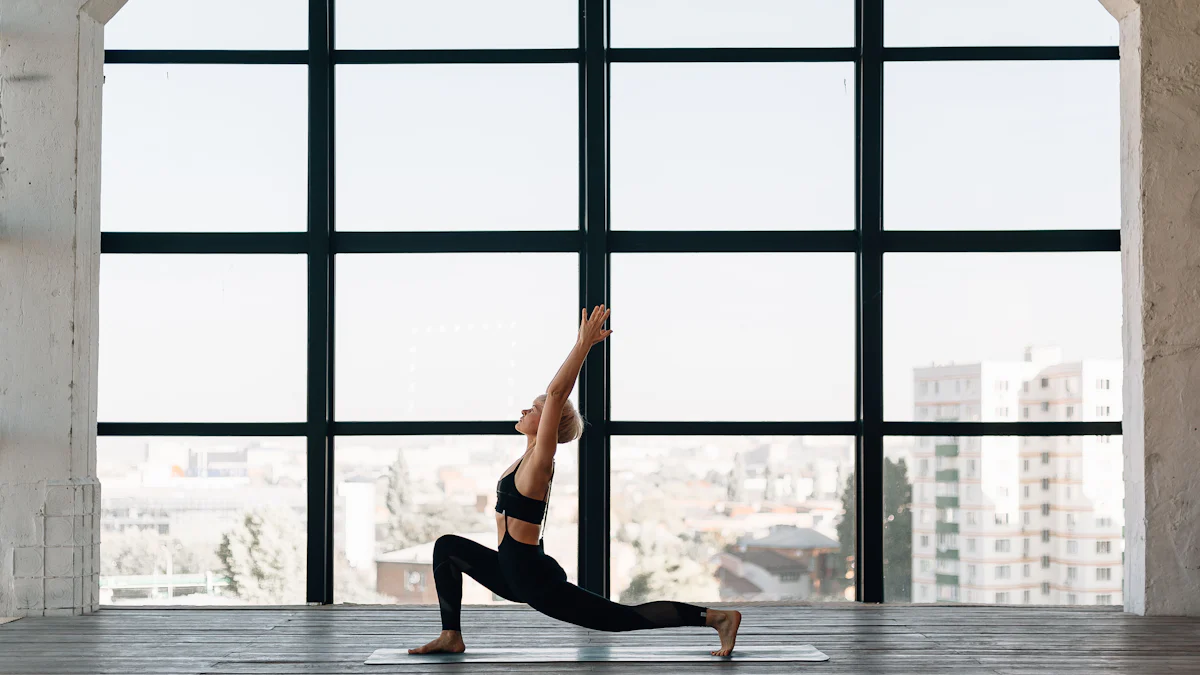
Warrior I, or Virabhadrasana I, embodies strength and focus. You step one foot forward, bending the knee while keeping the other leg straight behind you. Your arms reach overhead, palms facing each other. This pose opens your hips and chest, building strength in your legs and core. Warrior I encourages you to find balance and stability. As you hold this pose, concentrate on your breath, allowing it to guide your movements. Practicing Warrior I regularly enhances your endurance and confidence, empowering you both on and off the mat.
Child's Pose (Balasana)
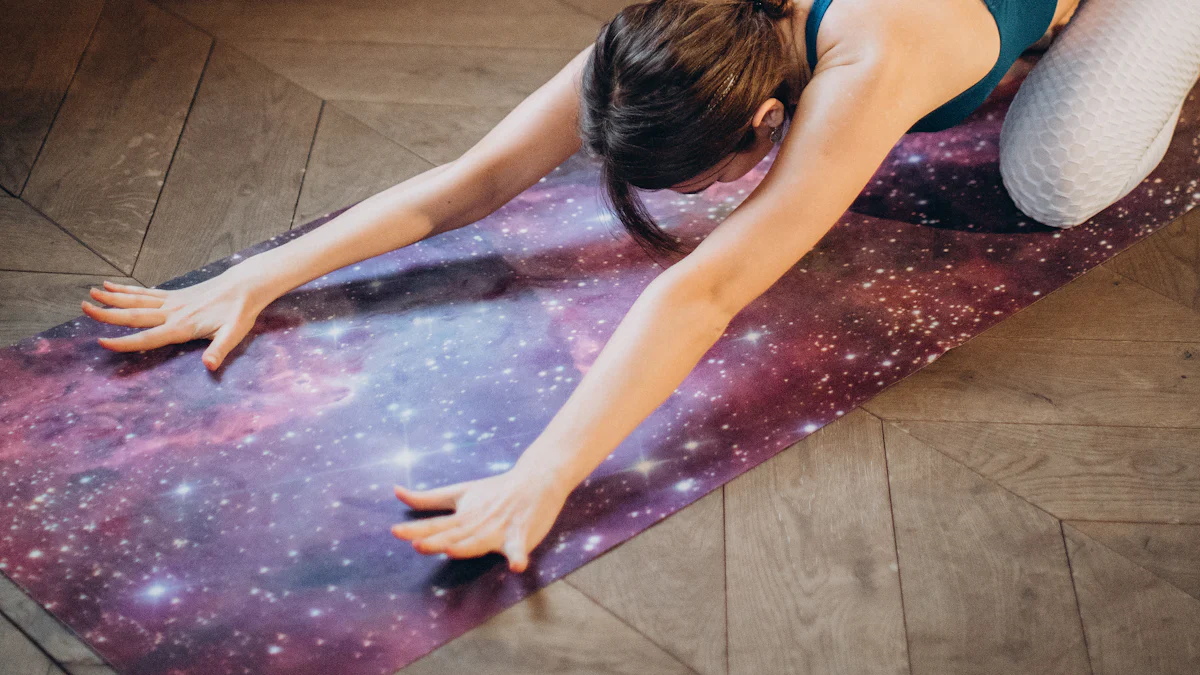
Child's Pose, or Balasana, offers a moment of rest and reflection in your yoga practice. You kneel on the mat, sitting back on your heels, and extend your arms forward while lowering your forehead to the ground. This pose gently stretches your back, hips, and thighs. It provides a calming effect, allowing you to pause and breathe deeply. According to Chintha Ram, a yoga instructor, Child's Pose serves as a "safe place" during a workout, offering you a chance to rest whenever needed. Embrace this pose to release tension and cultivate a sense of peace.
Bridge Pose (Setu Bandhasana)
Bridge Pose, known as Setu Bandhasana, strengthens your back and opens your chest. You lie on your back, bend your knees, and place your feet flat on the floor. As you lift your hips, you engage your core and glutes. This pose stretches your chest, neck, and spine, promoting flexibility and relieving stress. Focus on your breath as you hold the pose, feeling the expansion in your chest. Regular practice of Bridge Pose enhances your posture and energizes your body, making it a valuable addition to your yoga routine.
Tree Pose (Vrksasana)
Tree Pose, or Vrksasana, challenges your balance and concentration. You stand tall, shift your weight onto one leg, and place the sole of the opposite foot on your inner thigh or calf. Your hands come together in a prayer position at your chest. This pose strengthens your legs and core while improving your focus. As you hold Tree Pose, concentrate on a fixed point in front of you to maintain balance. Practicing this pose regularly enhances your stability and mental clarity, grounding you both physically and mentally.
Triangle Pose (Trikonasana)
Triangle Pose, or Trikonasana, offers a comprehensive stretch for your body. You begin by standing with your feet wide apart. Turn one foot out and extend your arms parallel to the floor. As you reach forward, tilt your torso over the extended leg, placing your hand on your shin or the floor. Your other arm reaches toward the sky. This pose stretches your legs, hips, and torso, enhancing flexibility and balance. Focus on your breath as you hold the pose, feeling the stretch along your side body. Practicing Trikonasana regularly improves your posture and strengthens your core, making it a vital addition to your yoga routine.
Cat-Cow Pose (Marjaryasana to Bitilasana)
Cat-Cow Pose, known as Marjaryasana to Bitilasana, provides a gentle flow that warms up your spine. You start on your hands and knees. Inhale as you arch your back, lifting your head and tailbone for Cow Pose. Exhale as you round your spine, tucking your chin and tailbone for Cat Pose. This sequence increases spinal flexibility and relieves tension in your back. Focus on synchronizing your breath with each movement. Regular practice of Cat-Cow Pose enhances your spinal health and promotes relaxation, making it an excellent choice for beginners.
Yoga Asan Chart
A yoga asan chart serves as a valuable visual guide for learning and practicing various poses. It illustrates the correct alignment and posture for each asana, helping you understand the nuances of each pose. By referring to a yoga asan chart, you can track your progress and identify areas for improvement. This tool supports your practice by providing clear instructions and visual cues. Incorporating a yoga asan chart into your routine enhances your understanding of yoga and boosts your confidence as you explore new poses.
Common Mistakes and How to Correct Them
Misalignment in Poses
Misalignment in yoga poses can lead to discomfort or even injury. You must pay attention to your body's alignment to ensure a safe practice. Here are some common misalignment issues and how to correct them:
Knees Over Toes: In poses like Warrior I, your knee should align with your ankle. Avoid letting your knee extend past your toes. To correct this, adjust your stance by stepping your foot back until your knee is directly above your ankle.
Rounded Shoulders: In poses such as Mountain Pose, keep your shoulders relaxed and down. Avoid hunching them forward. Focus on drawing your shoulder blades together and down your back to maintain proper posture.
Hips Not Square: In poses like Warrior I, ensure your hips face forward. If your hips are misaligned, adjust your back foot and rotate your hips until they are square to the front.
Arched Back: In poses like Downward-Facing Dog, avoid excessive arching of your lower back. Engage your core muscles and lengthen your spine to maintain a neutral position.
By being mindful of these common misalignments, you can enhance your practice and prevent injuries. Always listen to your body and make adjustments as needed.
Overstretching and Straining
Overstretching and straining can hinder your progress and cause injuries. It's crucial to practice yoga with awareness and respect for your body's limits. Here are some tips to avoid overstretching and straining:
Listen to Your Body: Pay attention to any discomfort or pain during your practice. If you feel sharp pain, ease out of the pose immediately. Yoga should feel challenging but not painful.
Use Props: Incorporate props like blocks, straps, or bolsters to support your practice. These tools help you achieve proper alignment and prevent overstretching.
Warm Up Properly: Begin your practice with gentle warm-up exercises to prepare your muscles and joints. This reduces the risk of strain and enhances flexibility.
Progress Gradually: Avoid pushing yourself too hard or attempting advanced poses before you're ready. Focus on mastering the basics and gradually increase the intensity of your practice.
Breathe Mindfully: Use your breath to guide your movements. Deep, steady breathing helps you stay present and prevents you from forcing your body into uncomfortable positions.
By following these guidelines, you can enjoy a safe and effective yoga practice. Remember, yoga is a journey, not a destination. Embrace the process and honor your body's unique capabilities.
The Importance of Breath and Mindfulness
Connecting Breath with Movement
In yoga, the connection between breath and movement is fundamental. You synchronize your breath with each pose, creating a harmonious flow. This practice, known as vinyasa, enhances your awareness and concentration. By focusing on your breath, you anchor your mind in the present moment, reducing distractions and stress.
Breathing deeply and steadily during yoga increases oxygen flow to your muscles. This boosts your endurance and performance. As you inhale, you expand your chest and lengthen your spine. When you exhale, you release tension and deepen your stretch. This rhythmic breathing supports your body's natural movements, making each pose more effective and enjoyable.
To connect your breath with movement, start by practicing simple sequences. For example, in Cat-Cow Pose, inhale as you arch your back and exhale as you round your spine. This gentle flow warms up your body and prepares you for more challenging poses. As you become more comfortable, try incorporating breathwork into other asanas, enhancing your practice and overall well-being.
Cultivating Mindfulness in Practice
Mindfulness is a key component of yoga. It involves paying attention to your thoughts, feelings, and sensations without judgment. By cultivating mindfulness, you develop a deeper understanding of yourself and your practice. This awareness extends beyond the mat, positively impacting your daily life.
To cultivate mindfulness, focus on the present moment during your yoga practice. Notice how your body feels in each pose. Observe your breath and its rhythm. Acknowledge any thoughts or emotions that arise, but let them pass without attachment. This practice helps you stay grounded and centered, promoting mental clarity and emotional balance.
Incorporating mindfulness into your yoga routine can transform your experience. You become more attuned to your body's needs and limitations. This awareness prevents overstretching and injury, allowing you to progress safely. Mindfulness also enhances your ability to cope with stress and challenges, fostering resilience and inner peace.
By connecting breath with movement and cultivating mindfulness, you enrich your yoga practice. These elements create a holistic approach to well-being, benefiting your body, mind, and spirit. Embrace this journey and discover the profound impact of yoga on your life.
You've explored essential yoga asanas and their numerous benefits. These poses enhance your strength, flexibility, and mental clarity. Regular practice is key. Patience in your progress will lead to profound improvements. Remember, yoga is a journey, not a destination.
"Yoga is not about touching your toes, it is what you learn on the way down." - Jigar Gor
Embrace this journey with curiosity and dedication. Dive deeper into your practice. Discover the transformative power of yoga. Let it guide you toward a healthier, more balanced life.
See Also
Ultimate Yoga Asana Guide Featuring Images and Labels
Complete Hindi Yoga Manual for Practicing at Home
Step-by-Step Guide to Illustrating Yoga Poses with Names

Hi my name is Lia and i am your host in this yoga journey in Portugal, Subscribe to our newsletter to receive every week the best of Yoga in Portugal.

We bring back the importance of initiation into womanhood by Roos-Veerle Krijnen & Ella-June Henrard
Welcome to the Women’s Initiation Retreat by Naked Truth Retreats, a transformative journey into the depths of your True Feminine Nature. This retreat invites you to remember the sacredness and wholeness of your being.
Roos-Veerle Krijnen & Ella-June Henrard