Essential Tips for Outdoor Yoga Practice

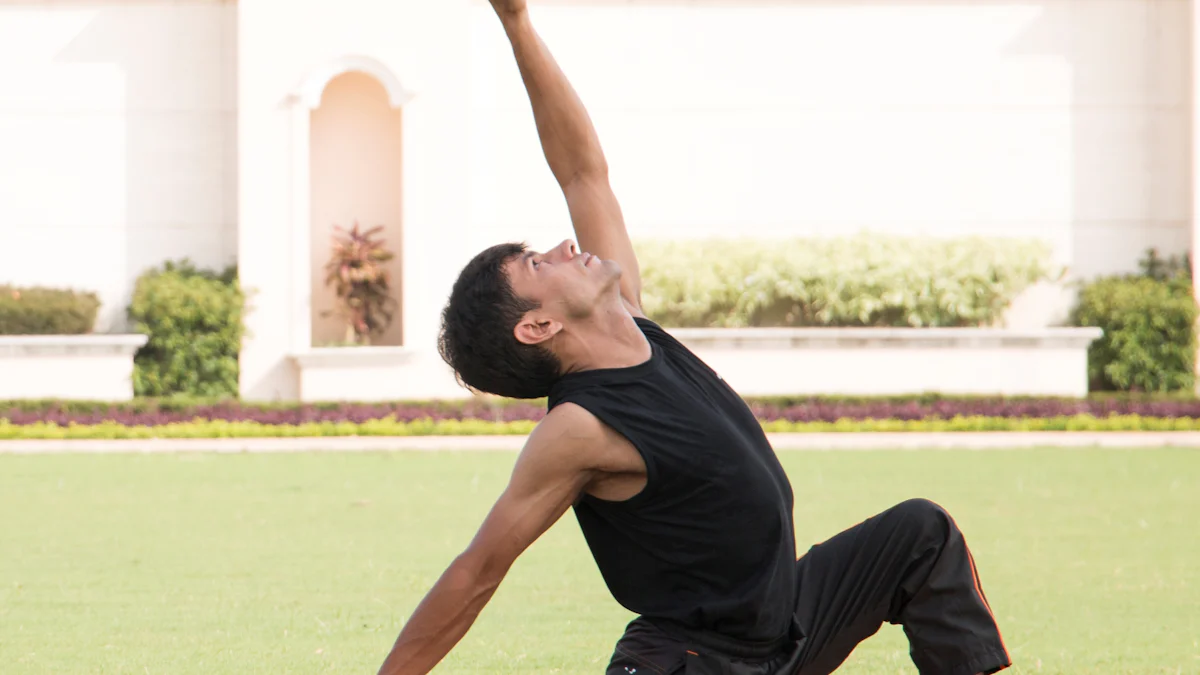
Imagine stepping onto your yoga mat surrounded by the gentle rustle of leaves and the warmth of sunlight on your skin. Outdoor yoga offers a unique way to connect with nature while nurturing your body and mind. Breathing in fresh air can help you feel more grounded, while the natural surroundings enhance your focus and mindfulness. Studies show that spending time in nature reduces stress and boosts mental clarity. By practicing yoga outdoors, you not only improve your physical health but also deepen your sense of peace and connection to the world around you.
Key Takeaways
Choose a peaceful and flat location for your outdoor yoga practice to enhance focus and stability.
Invest in a durable, non-slip yoga mat and pack essentials like water and a towel for a comfortable experience.
Dress in breathable, weather-appropriate clothing to stay comfortable and focused during your practice.
Inspect your surroundings for hazards and be mindful of local wildlife to ensure a safe yoga session.
Protect yourself from the sun by using sunscreen and wearing a hat, and stay hydrated to maintain energy levels.
Incorporate mindfulness by connecting with nature through your breath and grounding techniques during your practice.
Explore complementary practices like walking meditation or Tai Chi to enrich your outdoor yoga experience.
Preparing for Outdoor Yoga
Choosing the Right Location
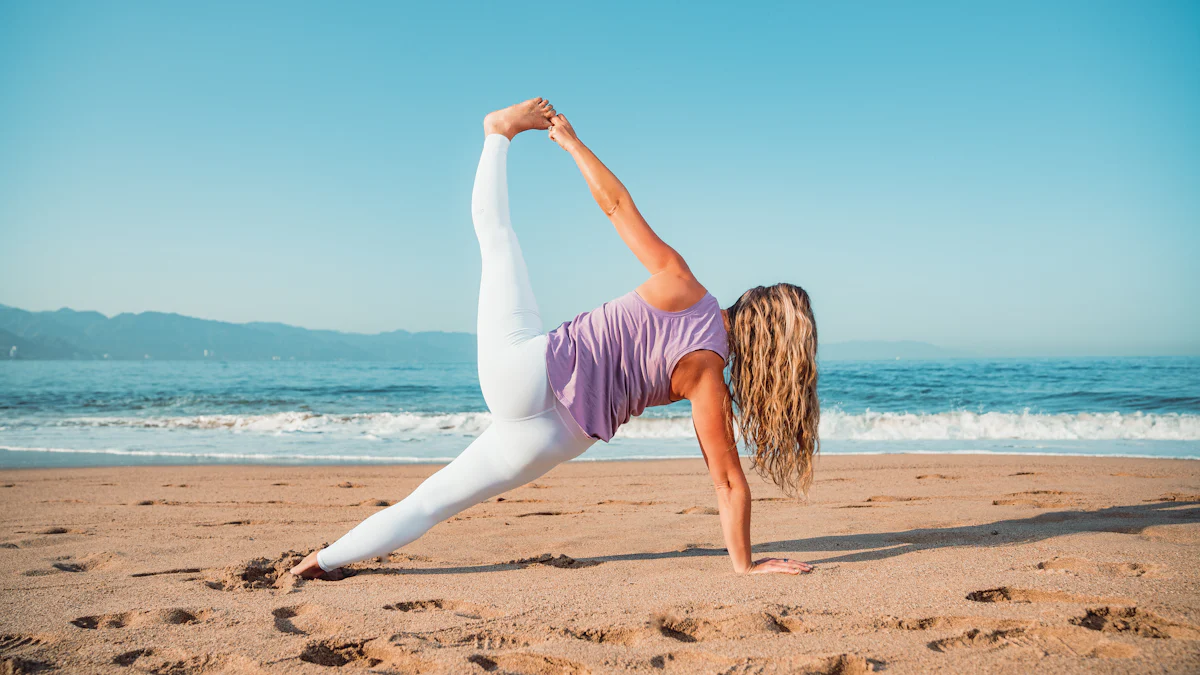
Finding the perfect spot for your outdoor yoga session can make all the difference. Look for a quiet area where you can focus without distractions. A flat surface ensures stability during poses, while shaded spots protect you from direct sunlight. Parks often provide serene settings with plenty of greenery. Beaches offer a calming ambiance with the sound of waves, and your backyard can be a convenient and private option. Wherever you choose, make sure it feels peaceful and inviting.
Essential Gear for Outdoor Yoga
Having the right gear can elevate your outdoor yoga experience. A durable, non-slip yoga mat is essential to prevent slipping and provide stability. Mats made from cork or other grippy materials work well outdoors. If the ground feels uneven, bring a towel or blanket to create a smoother surface. Lightweight travel mats are also a great option if you plan to practice in different locations. These mats are easy to carry and clean, making them ideal for outdoor use. Don’t forget to pack a water bottle to stay hydrated and a small bag to keep your essentials organized.
Dressing for the Outdoors
What you wear matters when practicing yoga outside. Choose breathable clothing that allows free movement and keeps you comfortable. Weather-appropriate attire is key. On warmer days, opt for lightweight fabrics that wick away sweat. For cooler weather, layering is your best friend. Start with a base layer and add a jacket or hoodie that you can remove as you warm up. Avoid overly loose clothing that might get in the way of your poses. Dressing thoughtfully ensures you stay focused on your practice without distractions.
Checking the Environment
Inspect the area for hazards like rocks or debris.
Before you unroll your mat, take a moment to scan the ground. Look for sharp rocks, sticks, or uneven surfaces that could disrupt your balance or cause discomfort. A quick inspection helps you avoid injuries and ensures a smoother practice. If the area feels too rough, consider using a thicker yoga mat or adding a blanket for extra cushioning.
Pay attention to the surroundings as well. Check for any potential distractions, like nearby foot traffic or loud noises, that might interrupt your flow. Choosing a clean, hazard-free spot allows you to focus entirely on your poses and breathing.
Be mindful of local wildlife and plants.
Nature adds beauty to your yoga practice, but it’s important to respect the environment. Watch out for insects, such as ants or bees, that might be drawn to your space. Applying a natural insect repellent can help keep bugs at bay without harming the ecosystem.
Take note of the plants around you, too. Avoid areas with poison ivy, thorny bushes, or other vegetation that could irritate your skin. If you’re unsure about the plants in your chosen spot, a lightweight yoga mat can act as a barrier between you and the ground.
"Practicing yoga outdoors enhances your connection with nature, but staying aware of your surroundings ensures a safe and enjoyable experience."
By taking these precautions, you create a harmonious balance between enjoying the outdoors and protecting yourself. This mindfulness not only enriches your practice but also deepens your appreciation for the natural world.
Safety and Comfort Tips for Outdoor Yoga
Protecting Yourself from the Elements
Spending time outdoors during yoga can be refreshing, but the elements can sometimes pose challenges. Protecting yourself ensures a more enjoyable experience.
Use sunscreen and wear a hat for sun protection.
The sun can be both a friend and a foe during outdoor yoga. Apply a broad-spectrum sunscreen to shield your skin from harmful UV rays. Don’t forget areas like your ears, neck, and the tops of your feet if you’re barefoot. A wide-brimmed hat can provide extra protection for your face and neck while keeping you cool. Practicing in shaded areas also helps reduce direct sun exposure.
“I used to skip sunscreen during my outdoor yoga sessions, thinking the shade was enough. After a mild sunburn, I learned my lesson!” - Sarah-Jane Novellino
Stay hydrated, especially in warm weather.
Outdoor yoga often means sweating more than usual. Keep a water bottle nearby and take small sips throughout your session. Staying hydrated prevents fatigue and keeps your energy levels steady. If you’re practicing in hot weather, consider adding electrolytes to your water to replenish lost minerals.
Managing Insects and Allergies
Nature brings beauty, but it also comes with bugs and allergens. A little preparation can help you stay comfortable.
Apply insect repellent to avoid bites.
Insects like mosquitoes or ants can disrupt your focus. Use a natural insect repellent to keep them away without harming the environment. Essential oils like citronella or eucalyptus work well and smell great. If you’re practicing in an area prone to bugs, consider wearing lightweight, long-sleeved clothing for added protection.
Practice in areas with low pollen counts if you have allergies.
Allergies can make outdoor yoga less enjoyable. Check the pollen count before heading out, especially during spring or fall. If you’re sensitive, choose locations with fewer flowering plants or practice early in the morning when pollen levels are lower. A yoga mat acts as a barrier between you and the ground, reducing contact with allergens.
“I never realized how much allergies affected my outdoor yoga until I started checking pollen counts. It made a huge difference!” - Sarah-Jane Novellino
Adapting to Weather Changes
Weather can be unpredictable, but a little planning keeps your practice stress-free.
Check the forecast before heading out.
Always check the weather forecast before your session. Clear skies might turn cloudy, or a light breeze could become strong winds. Knowing what to expect helps you dress appropriately and pack any necessary gear. If rain is likely, consider rescheduling or finding a covered outdoor space.
Have a backup plan for sudden rain or strong winds.
Sometimes, the weather changes unexpectedly. Keep a lightweight poncho or umbrella in your bag for emergencies. If the wind picks up, adjust your poses to maintain balance and stability. For example, focus on seated or grounding poses instead of standing ones. Having a backup indoor location ensures you can continue your practice without interruptions.
“Outdoor yoga taught me to embrace flexibility—not just in poses but in planning. Being prepared for weather changes makes all the difference.” - Sarah-Jane Novellino
By taking these steps, you can enjoy the full benefits of outdoor yoga while staying safe and comfortable. A little preparation goes a long way in creating a peaceful and rewarding practice.
Maximizing the Benefits of Outdoor Yoga
Embracing Mindfulness in Nature
Focus on your breath and the sounds of nature.
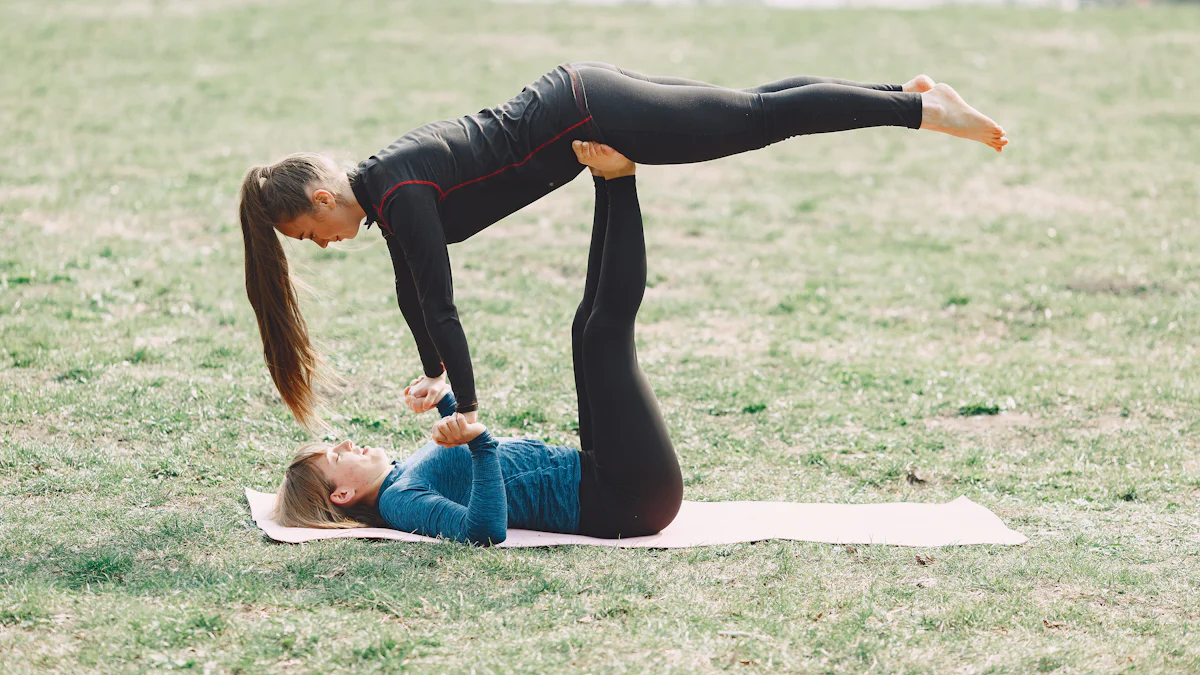
When you practice yoga outdoors, let nature guide your mindfulness. Pay attention to your breath as it flows in and out. Notice how the fresh air feels cooler and cleaner compared to indoor spaces. Tune into the sounds around you—the rustling leaves, chirping birds, or distant waves. These natural elements can help you stay present and deepen your focus. By anchoring your awareness to your surroundings, you create a stronger connection between your body and mind.
"Nature doesn’t hurry, yet everything is accomplished." – Lao Tzu
This quote reminds you to slow down and embrace the rhythm of the natural world during your practice.
Practice grounding techniques, like feeling the earth beneath your feet.
Grounding yourself physically and mentally can enhance your outdoor yoga experience. Start by standing barefoot on the grass, sand, or soil. Feel the texture and temperature beneath your feet. This simple act connects you to the earth and helps you feel more balanced. During poses like Mountain Pose or Warrior II, imagine roots growing from your feet into the ground, anchoring you firmly. Grounding techniques not only improve your stability but also bring a sense of calm and centeredness.
Exploring the Health Benefits of Nature
Learn about forest bathing and its calming effects.
Forest bathing, or shinrin-yoku, is a Japanese practice that involves immersing yourself in a forest environment. It’s not about hiking or exercising but simply being present in nature. Studies show that spending time in green spaces reduces stress, lowers blood pressure, and boosts your immune system. When you combine forest bathing with yoga, you amplify these benefits. Practicing yoga in a wooded area allows you to soak in the calming effects of trees while enhancing your physical and mental well-being.
Use the natural environment to deepen your yoga practice.
Nature offers unique opportunities to enrich your yoga sessions. The uneven ground challenges your balance, improving your proprioception skills. The sunlight provides vitamin D, which supports bone health and boosts your mood. Even the gentle breeze can enhance your breathing exercises, making them more refreshing. Use these natural elements to push your practice further. For example, try balancing poses like Tree Pose on a grassy surface to test your stability and focus.
Incorporating Nature into Your Practice
Try poses inspired by nature, like Tree Pose or Downward Dog.
Outdoor yoga is the perfect time to draw inspiration from the natural world. Poses like Tree Pose, Downward Dog, and Cobra mimic the beauty and strength of nature. When you hold Tree Pose, imagine yourself as a sturdy tree rooted deeply in the earth. In Downward Dog, think of the stretch and energy of a playful animal. These visualizations not only make your practice more engaging but also help you feel more connected to your surroundings.
Meditate on the beauty of your surroundings.
End your session with a moment of stillness. Sit comfortably and take a few deep breaths. Let your gaze soften as you observe the scenery around you. Notice the colors, shapes, and movements in nature. Reflect on how the environment makes you feel—peaceful, energized, or inspired. This meditation helps you carry the tranquility of outdoor yoga into the rest of your day. It’s a simple yet powerful way to cultivate gratitude for the world around you.
"Practicing yoga outdoors isn’t just about movement; it’s about finding harmony with nature and yourself."
By embracing mindfulness, exploring nature’s health benefits, and incorporating its beauty into your practice, you can unlock the full potential of outdoor yoga. Each session becomes more than exercise—it transforms into a journey of connection and growth.
Alternative Practices to Complement Outdoor Yoga
Walking Meditation
Combine mindfulness with gentle movement.
Walking meditation offers a beautiful way to blend mindfulness with motion. Instead of sitting still, you focus on each step, feeling the ground beneath your feet and the rhythm of your body. This practice encourages you to stay present, noticing the sensations of walking and the environment around you. It’s not about speed or distance but about awareness.
Imagine strolling through a park or along a nature trail. You hear birds chirping, leaves rustling, or water flowing nearby. These natural sounds can help you stay grounded and calm. Walking meditation also allows you to connect with your breath. Match your steps to your inhales and exhales, creating a steady, soothing rhythm. This gentle movement can ease tension and clear your mind, making it a perfect complement to yoga.
"Walking meditation teaches you to find peace in every step, turning even the simplest movement into a mindful journey."
Practice in a park or along a nature trail.
Choosing the right setting enhances your walking meditation experience. Parks and nature trails provide serene environments filled with greenery and fresh air. These spaces naturally reduce stress and promote relaxation. Studies show that spending time in nature lowers blood pressure and boosts mood, making it an ideal backdrop for mindfulness practices.
When you walk in these areas, let your senses guide you. Notice the colors of the trees, the texture of the path, or the scent of flowers. If you’re near a forest, you can even combine walking meditation with shinrin-yoku (forest bathing). This Japanese practice involves immersing yourself in the forest atmosphere, which has been shown to reduce anxiety and improve overall well-being. Walking meditation in such settings deepens your connection to nature while enhancing your mental clarity.
Tai Chi or Qi Gong
Explore these gentle, flowing practices outdoors.
Tai Chi and Qi Gong are ancient practices that focus on slow, deliberate movements and controlled breathing. These exercises promote balance, flexibility, and inner calm. Practicing them outdoors adds another layer of tranquility. The natural surroundings amplify the meditative quality of these movements, helping you feel more connected to your body and the environment.
Both Tai Chi and Qi Gong emphasize energy flow, often referred to as qi or chi. When practiced outside, the fresh air and open space enhance this energy flow, making the experience more invigorating. These practices also engage your parasympathetic nervous system, which helps reduce stress and promotes relaxation. Whether you’re a beginner or experienced, the gentle nature of Tai Chi and Qi Gong makes them accessible to everyone.
"The beauty of Tai Chi and Qi Gong lies in their simplicity. Each movement feels like a dance with nature, bringing harmony to your mind and body."
Use them as a warm-up or cool-down for yoga.
Incorporating Tai Chi or Qi Gong into your yoga routine can elevate your practice. Use these flowing movements as a warm-up to prepare your body for yoga. They gently stretch your muscles, improve circulation, and calm your mind, creating the perfect foundation for deeper poses. Alternatively, practice them as a cool-down to ease out of your session. The slow, rhythmic motions help release tension and restore balance after an intense yoga flow.
For example, start with a simple Qi Gong exercise like “Gathering the Energy,” where you move your arms in a circular motion while focusing on your breath. This prepares your body and mind for yoga. After your session, try a Tai Chi sequence like “Wave Hands Like Clouds” to relax and center yourself. These practices complement yoga beautifully, offering a holistic approach to outdoor mindfulness.
By exploring walking meditation, Tai Chi, or Qi Gong, you expand your outdoor yoga experience. These practices not only enhance your physical health but also deepen your connection to nature and yourself.
Outdoor yoga offers a unique way to connect with nature while improving your well-being. By preparing thoughtfully, you can ensure a safe and enjoyable practice. Choosing the right location, dressing appropriately, and staying mindful of your surroundings make all the difference. Protecting yourself from the elements and embracing mindfulness in nature enhances your experience even further.
Take this opportunity to nurture your body, mind, and spirit. Outdoor yoga isn’t just exercise—it’s a chance to find peace and balance. Explore alternative practices like walking meditation or Tai Chi to create a well-rounded outdoor routine. Your journey to harmony starts here.
See Also
A Simple Guide To Starting SUP Yoga Today
Kickstart Your Home Yoga Journey With Ease
Begin Your Somatic Yoga Practice From Home

Hi my name is Lia and i am your host in this yoga journey in Portugal, Subscribe to our newsletter to receive every week the best of Yoga in Portugal.

We bring back the importance of initiation into womanhood by Roos-Veerle Krijnen & Ella-June Henrard
Welcome to the Women’s Initiation Retreat by Naked Truth Retreats, a transformative journey into the depths of your True Feminine Nature. This retreat invites you to remember the sacredness and wholeness of your being.
Roos-Veerle Krijnen & Ella-June Henrard