Essential Tips for Choosing Yoga Poses for Beginners

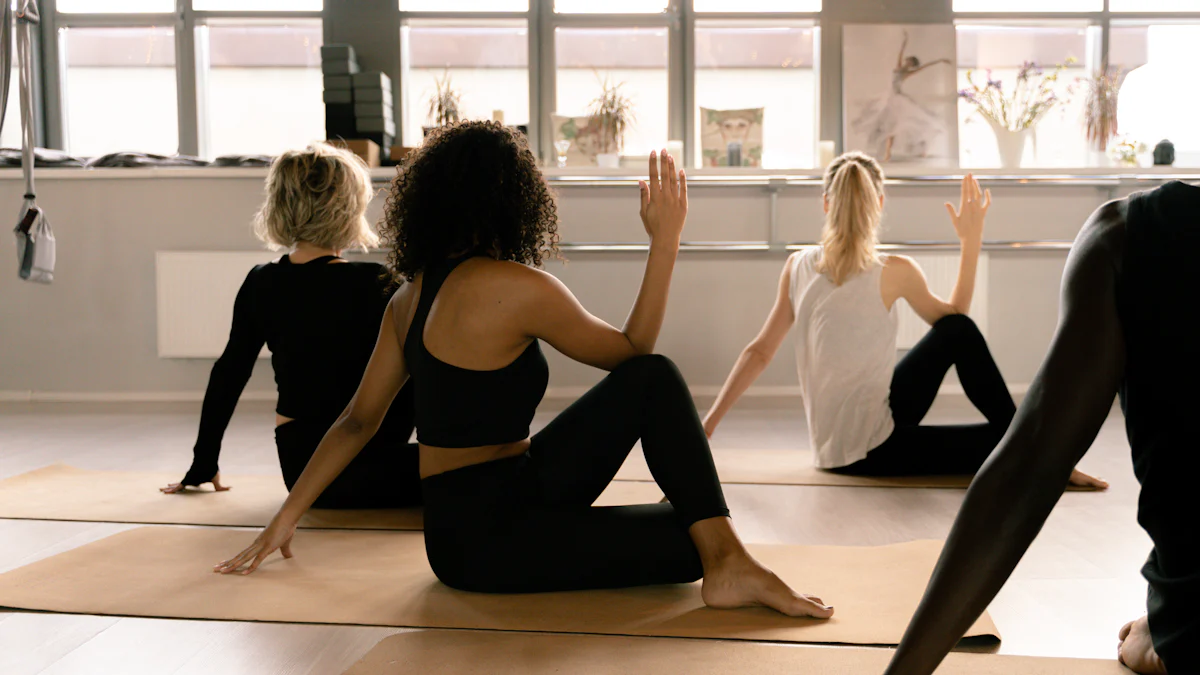
Choosing the right yoga poses is crucial for your journey as a beginner. You want to ensure safety, effectiveness, and enjoyment in your practice. Start with foundational poses that build strength and flexibility. Embrace a positive mindset as you explore yoga. Remember, every practitioner was once a beginner. Allow yourself to grow at your own pace. Visual aids, like pics of yoga poses, can guide you in mastering alignment and technique. Your yoga journey is unique, so enjoy each moment.
Key Takeaways
Start your yoga journey with foundational poses like Mountain Pose and Downward-Facing Dog to build strength and flexibility.
Listen to your body and modify poses as needed; yoga should feel good, not painful.
Create a calming practice environment with soft lighting and a good yoga mat to enhance your experience.
Establish a consistent practice routine, aiming for at least two to three sessions a week to build habits and progress.
Explore different styles of yoga to keep your practice fresh and discover what resonates with you.
Use visual aids to guide your alignment and technique, ensuring safety and effectiveness in your practice.
Celebrate your progress, no matter how small, and enjoy the journey of self-discovery through yoga.
Start with Basic Poses
Importance of Foundational Poses
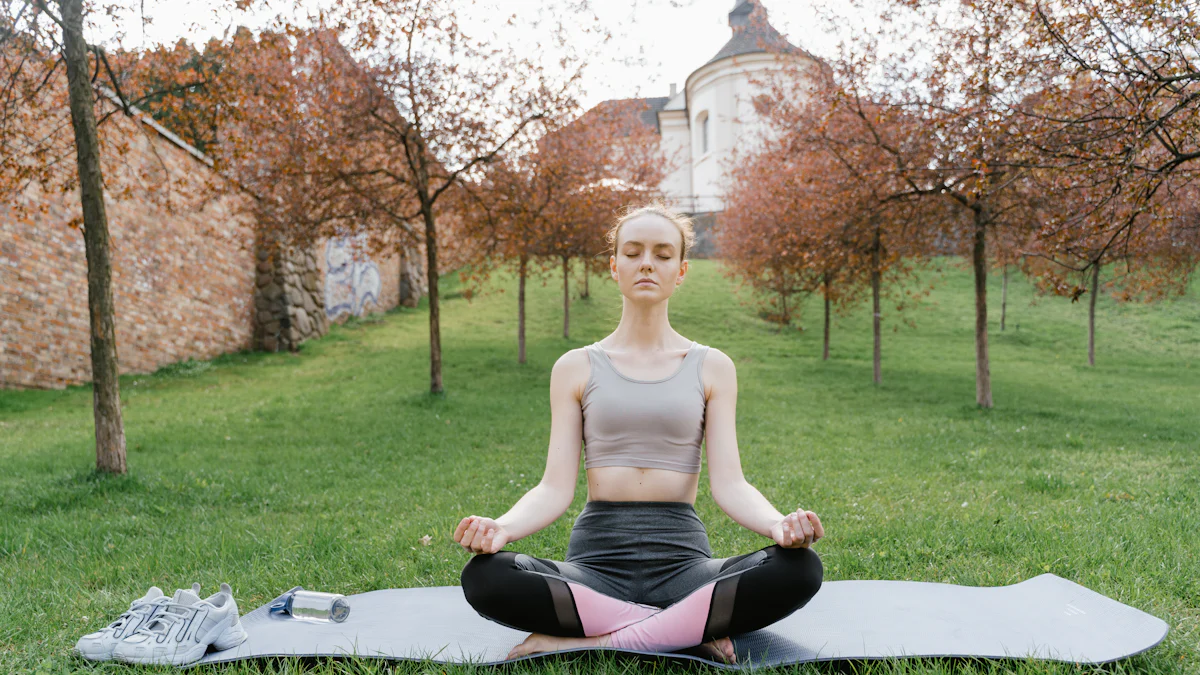
Starting your yoga journey with foundational poses sets a strong base for your practice. These poses, such as Mountain Pose, Child's Pose, and Downward-Facing Dog, help you develop essential skills.
Mountain Pose teaches you proper alignment and grounding.
Child's Pose offers a gentle stretch and promotes relaxation.
Downward-Facing Dog strengthens your arms and legs while improving flexibility.
Mastering these basic poses brings numerous benefits. You build strength, enhance flexibility, and improve body awareness. Research shows that yoga significantly boosts your range of motion and flexibility. This improvement leads to better alignment and posture, which are vital for overall health.
Recommended Beginner Poses
As you begin, focus on a few beginner-friendly poses. Consider incorporating Cat-Cow, Warrior I, and Seated Forward Bend into your routine.
Cat-Cow:
Start on your hands and knees.
Inhale as you arch your back (Cow).
Exhale as you round your spine (Cat).
Repeat several times, synchronizing your breath with movement.
Warrior I:
Stand tall and step one foot back.
Bend your front knee while keeping your back leg straight.
Raise your arms overhead, keeping your shoulders relaxed.
Hold the pose for several breaths, feeling the strength in your legs.
Seated Forward Bend:
Sit with your legs extended in front of you.
Inhale and lengthen your spine.
Exhale as you reach forward, aiming to grasp your feet or shins.
Breathe deeply, allowing your body to relax into the stretch.
Always prioritize safety while practicing these poses. Use pics of yoga poses to guide your alignment and breathing. Visual aids can help you understand the correct form and prevent injuries. Remember, yoga is about listening to your body. Modify poses as needed to suit your comfort level.
Understand Personal Limitations
Listening to Your Body
Yoga is a personal journey. You must listen to your body as you practice. Pay attention to signs of discomfort or strain. Sharp pain, excessive fatigue, or an inability to maintain form indicates that you need to adjust your approach. Yoga should feel good, not painful.
When you experience discomfort, modify your poses to fit your body. Use props like blocks or straps to support your practice. Adjust the depth and range of motion to suit your comfort level. Remember, it’s okay to take a step back. Your body knows what it needs.
Modifications and Alternatives
Many beginners find modifications helpful. Common modifications for popular poses can make a significant difference. For instance, using blocks for support in poses like Triangle or Forward Bend can enhance your stability. If you struggle with balance, consider chair yoga options. These alternatives provide a safe way to practice while building strength and flexibility.
Understanding when to use props is essential. Straps can help you reach further in stretches, while blankets offer comfort in seated poses. Bolsters provide support during restorative poses, allowing you to relax deeply. Incorporating these tools into your practice can enhance your experience and help you progress safely.
Survey results show that many participants prefer yoga classes designed for beginners. Clear descriptions of poses and modifications can reduce intimidation and encourage participation. Embrace this journey with confidence. You have the power to adapt your practice to meet your needs.
Create a Conducive Practice Environment
Setting Up Your Space
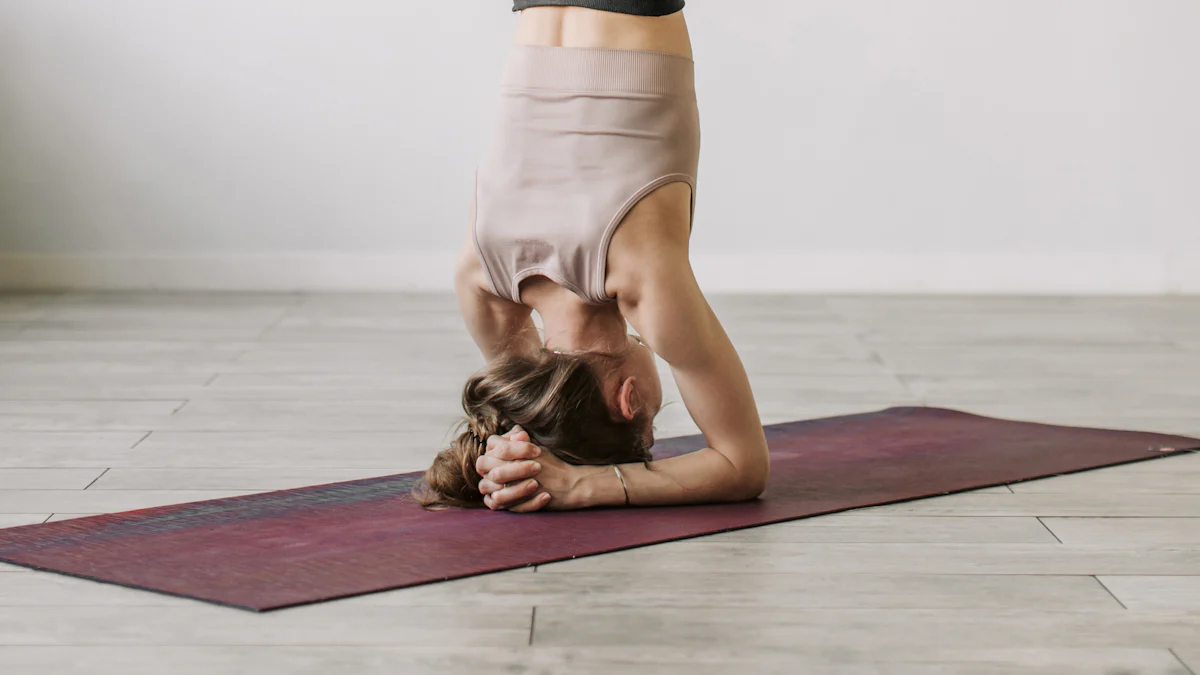
Creating a calming practice area enhances your yoga experience. Choose a quiet space where you can focus without distractions. Soft lighting can set a peaceful mood. Consider adding plants to your environment. They bring life and freshness, making your practice more enjoyable.
Essential items for beginners include a good yoga mat, a water bottle, and comfortable clothing. A quality mat provides stability and support. Staying hydrated during your practice is crucial. Wear clothes that allow freedom of movement. These simple steps help you feel more at ease as you begin your journey.
Establishing a Routine
Finding the best time to practice is vital. Morning sessions can energize you for the day ahead. Evening practices help you unwind and relax. Listen to your body’s rhythm. Notice when you feel most alert and ready to engage in yoga.
Creating a consistent schedule also matters. Set aside specific days and times for your practice. This commitment builds a habit and makes yoga a regular part of your life. As you establish this routine, you will find it easier to stay motivated and committed to your practice.
Expert Testimony:
Qualified Instructors emphasize the importance of joining beginner classes. They teach you the correct poses and techniques right from the start.
Rayburn suggests that taking a class designed for beginners is ideal. This approach helps you learn proper form at the very beginning of your yoga journey.
Embrace these tips to create a conducive environment for your practice. You deserve a space that inspires and supports your growth.
Progress Safely and Enjoyably
Gradual Advancement
As you grow in your yoga practice, recognize when to challenge yourself with more advanced poses. You should feel comfortable in basic poses before moving on. When you master foundational poses, you open the door to new experiences. Seek out challenges that excite you.
Patience plays a crucial role in your journey. Understand that progress takes time and consistency. Celebrate small victories along the way. Each time you practice, you build strength and flexibility. Remember, yoga is not a race. Enjoy the process and trust that your body will guide you.
Incorporating Variety
Exploring different styles of yoga can enrich your practice. Consider trying Hatha, Vinyasa, Yin, or Restorative yoga. Each style offers unique benefits and experiences. Hatha focuses on basic postures and breathing, while Vinyasa links movement with breath for a dynamic flow. Yin encourages deep stretching and relaxation, and Restorative promotes healing through gentle poses.
Trying new poses keeps your practice fresh and exciting. You may discover personal preferences that resonate with you. Experimenting with various poses can also enhance your overall experience. As you explore, you might find joy in unexpected places.
Experienced yoga instructors emphasize the importance of creating a welcoming environment. They encourage you to ask questions and seek advice. This openness fosters growth and connection. Embrace the journey of self-discovery through yoga.
You now have essential tips for choosing yoga poses that suit your journey. Start with foundational poses like Child's Pose and Downward-Facing Dog. Practice with confidence and listen to your body. Remember, yoga is a personal journey. Embrace each moment and enjoy the process.
“The more you practice, the more poses you’ll learn!”
Celebrate your progress, no matter how small. Each step brings you closer to your goals. Trust yourself and let your yoga practice unfold beautifully.
FAQ
What are the best yoga poses for beginners?
Start with foundational poses like Mountain Pose, Child's Pose, and Downward-Facing Dog. These poses build strength and flexibility. You can also try Cat-Cow, Warrior I, and Seated Forward Bend. Each of these poses offers unique benefits and helps you develop essential skills.
How often should I practice yoga as a beginner?
Aim to practice yoga at least two to three times a week. Consistency helps you build strength and flexibility over time. Many beginners find that practicing more frequently, even if for shorter sessions, enhances their experience. Remember, you can always adjust your schedule based on your comfort and availability.
Can I practice yoga at home?
Absolutely! In fact, 67% of yoga practitioners prefer to practice at home. Create a calming space in your home where you can focus on your practice. Use online resources, videos, or apps to guide you through poses and routines.
How do I know if I'm doing a pose correctly?
Listening to your body is key. If you feel discomfort or strain, adjust your alignment. Use visual aids, such as pictures or videos, to help you understand proper form. You can also consider joining a beginner class to receive guidance from an instructor.
What should I wear for yoga practice?
Choose comfortable clothing that allows freedom of movement. Look for breathable fabrics that wick away sweat. A good yoga mat is essential for stability and support. Don’t forget to keep a water bottle nearby to stay hydrated during your practice.
How can I improve my flexibility through yoga?
Improving flexibility is one of the most popular reasons people start yoga. Focus on poses that stretch major muscle groups. Regular practice will gradually increase your range of motion. Remember, progress takes time, so be patient with yourself.
Is it normal to feel sore after yoga?
Yes, especially if you are new to yoga or trying new poses. Soreness indicates that your muscles are adapting to the practice. Listen to your body and allow time for recovery. Gentle stretches or restorative poses can help alleviate soreness.
How can I stay motivated to practice yoga regularly?
Establish a routine that fits your lifestyle. Set specific days and times for your practice. You might also find it helpful to join a community or class. Connecting with others can inspire you to stay committed. Celebrate your progress, no matter how small.
What if I have physical limitations or injuries?
Always listen to your body. Modify poses to suit your comfort level. Use props like blocks or straps for support. If you have specific injuries, consult with a healthcare professional or a qualified yoga instructor for personalized guidance.
Can yoga help with stress relief?
Definitely! Many practitioners use yoga as a tool for meditation and relaxation. In fact, 50% of yoga practitioners practice to meditate. Incorporating breathing exercises and gentle poses can significantly reduce stress and promote a sense of calm. Embrace this journey as a way to nurture your mind and body.
See Also
Beginner's Guide to Key Yoga Poses and Asanas
Comprehensive Steps to Perfect Your Yoga Asanas
A Detailed Guide to Achieving the Yoga Plank

Hi my name is Lia and i am your host in this yoga journey in Portugal, Subscribe to our newsletter to receive every week the best of Yoga in Portugal.

We bring back the importance of initiation into womanhood by Roos-Veerle Krijnen & Ella-June Henrard
Welcome to the Women’s Initiation Retreat by Naked Truth Retreats, a transformative journey into the depths of your True Feminine Nature. This retreat invites you to remember the sacredness and wholeness of your being.
Roos-Veerle Krijnen & Ella-June Henrard