How to Enhance Your Yoga Practice with Kayang Techniques

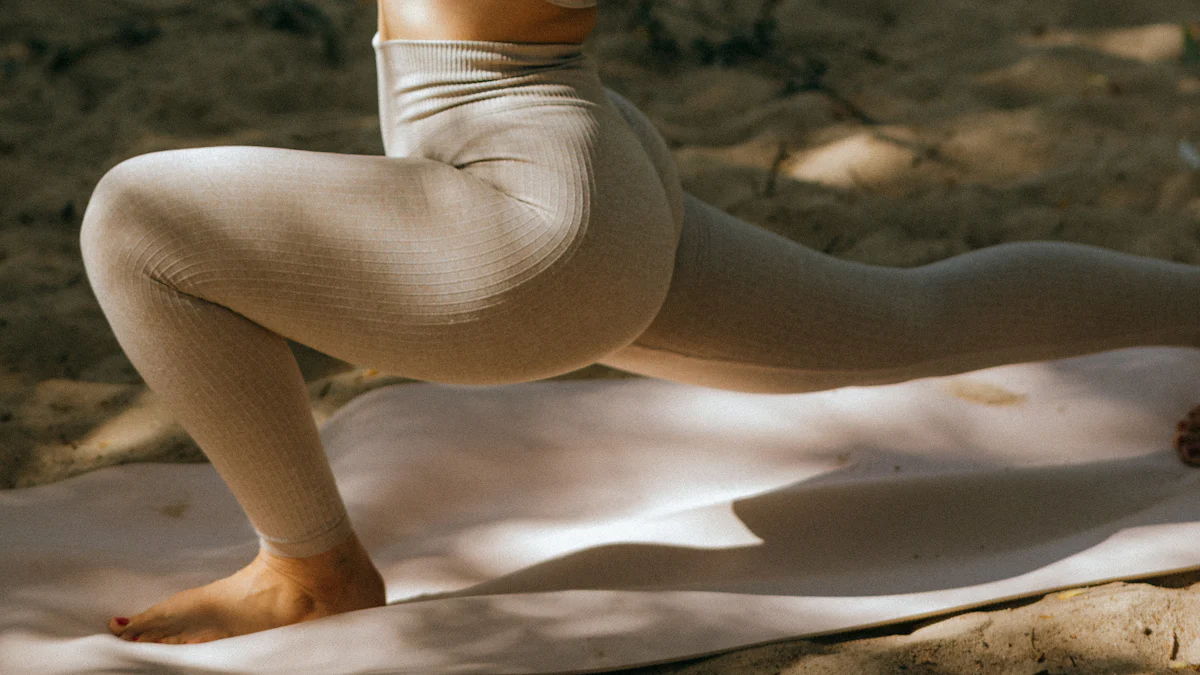
Yoga has become a beloved practice for many, with 67% of Americans having tried it at least once. This ancient discipline offers numerous benefits, from enhancing physical strength to promoting mental well-being. Many practitioners find that yoga encourages better sleep, reduces stress, and even motivates healthier lifestyle choices. Among the various techniques, yoga kayang stands out for its ability to deepen your practice. This blog aims to guide you in incorporating these powerful techniques into your routine, helping you unlock new levels of flexibility and mindfulness.
Understanding Yoga Kayang Techniques
Definition and Origin
Historical background of Kayang
Yoga kayang, also known as the Wheel Pose or Urdhva Dhanurasana, has roots in ancient yoga traditions. This pose has been practiced for centuries, symbolizing the wheel of life and the cyclical nature of existence. You might find it fascinating that ancient yogis used this pose to connect with their inner strength and flexibility. The historical significance of yoga kayang adds depth to your practice, making it more than just a physical exercise.
Key principles of Kayang techniques
When you practice yoga kayang, you focus on alignment, balance, and breath. These principles guide you to perform the pose safely and effectively. Alignment ensures that your body maintains the correct posture, preventing injuries. Balance helps you distribute your weight evenly, which is crucial for holding the pose. Breathing deeply and steadily allows you to relax into the pose, enhancing your overall experience. By understanding these principles, you can deepen your connection to yoga kayang and improve your practice.
Benefits of Yoga Kayang Techniques
Physical benefits: flexibility and strength
Yoga kayang offers numerous physical benefits. When you incorporate this pose into your routine, you enhance your flexibility and strength. The backbend stretches your spine, opening up your chest and shoulders. This increased flexibility can help you perform other yoga poses with ease. Additionally, the pose strengthens your arms, legs, and core, providing a full-body workout. As you continue practicing yoga kayang, you'll notice improvements in your posture and overall physical health.
Mental benefits: focus and mindfulness
Beyond the physical advantages, yoga kayang also nurtures your mental well-being. Practicing this pose requires concentration and mindfulness, helping you develop a sharper focus. As you hold the pose, you become more aware of your body and breath, fostering a sense of presence. This mindfulness can extend beyond your yoga practice, improving your ability to concentrate in daily life. By embracing yoga kayang, you cultivate a balanced mind, enhancing your overall sense of peace and clarity.
Preparing for Kayang Techniques
Warm-up Exercises
Importance of warming up
Before diving into the Kayang techniques, you need to warm up your body. Think of it as preparing your muscles and joints for the journey ahead. Warming up reduces the risk of injury by making your muscles more pliable. According to a study by Aura Wellness Center, warm-ups are crucial for protecting your muscles, joints, and nerves. They help you ease into the practice, ensuring that your body is ready for the challenges of yoga kayang.
Recommended warm-up routines
To get started, focus on a few simple exercises. Begin with gentle neck rolls to release tension. Move on to shoulder shrugs and arm circles to loosen up your upper body. Incorporate cat-cow stretches to warm up your spine. Finish with some light lunges to engage your legs. These exercises prepare your body for the deeper stretches and backbends of the Kayang techniques. Remember, consistency is key. Make these warm-ups a regular part of your routine to see the best results.
Safety Precautions
Understanding your limits
When practicing Kayang techniques, it's important to know your limits. Listen to your body and avoid pushing yourself too hard. If you feel any pain or discomfort, ease back. Yoga is about finding balance, not forcing your body into positions it isn't ready for. By respecting your limits, you create a safe and enjoyable practice.
Avoiding common injuries
Injuries can happen if you're not careful. To avoid them, focus on proper alignment and technique. Use props like yoga blocks to support your body if needed. They can help you maintain the correct posture and prevent strain. Always engage your core muscles to protect your lower back. And don't forget to breathe! Deep, steady breaths keep you grounded and relaxed. By following these precautions, you can enjoy the benefits of Kayang techniques without the risk of injury.
Incorporating Kayang into Your Yoga Practice
Beginner Techniques
Simple Kayang poses for beginners
Starting with yoga kayang can feel a bit daunting, but don't worry. You can begin with simple poses that ease you into the practice. The Bridge Pose is a great starting point. It helps you build the necessary strength and flexibility for more advanced poses. To perform it, lie on your back, bend your knees, and place your feet flat on the ground. Lift your hips towards the ceiling while keeping your shoulders grounded. This pose opens up your chest and strengthens your back.
Another beginner-friendly pose is the Half Wheel Pose. It serves as a stepping stone to the full Kayang pose. Start by lying on your back, bend your knees, and place your feet hip-width apart. Press your hands into the mat beside your ears, then lift your hips and chest. Hold this position for a few breaths, focusing on your alignment and breathing.
Tips for mastering basic poses
Mastering these basic yoga kayang poses requires patience and practice. Here are some tips to help you along the way:
Focus on Alignment: Ensure your body is in the correct position. Proper alignment prevents injuries and helps you get the most out of each pose.
Use Props: Yoga blocks or straps can provide support and stability. They help you maintain the correct posture, especially when you're just starting.
Breathe Deeply: Your breath is your guide. Inhale deeply as you move into a pose and exhale as you hold it. This rhythm keeps you calm and focused.
Practice Regularly: Consistency is key. Set aside time each day to practice, even if it's just for a few minutes. Over time, you'll notice improvements in your flexibility and strength.
Advanced Techniques
Challenging Kayang poses for experienced practitioners
Once you feel comfortable with the basics, you can explore more challenging yoga kayang poses. The Full Wheel Pose, or Urdhva Dhanurasana, is a classic advanced pose. It requires strength, flexibility, and focus. Begin by lying on your back, bend your knees, and place your feet flat on the mat. Position your hands beside your ears, fingers pointing towards your shoulders. Press into your hands and feet, lifting your body into a full arch. This pose opens your chest and shoulders, enhancing your overall flexibility.
Another advanced pose is the One-Legged Wheel Pose. It adds an extra challenge by requiring balance and core strength. From the Full Wheel Pose, lift one leg towards the ceiling, keeping your hips level. This variation deepens the stretch and tests your stability.
Progression tips for advanced poses
Progressing to advanced yoga kayang poses takes dedication and mindfulness. Here are some tips to help you advance safely:
Warm Up Thoroughly: Before attempting advanced poses, ensure your body is fully warmed up. This reduces the risk of injury and prepares your muscles for deeper stretches.
Listen to Your Body: Pay attention to how your body feels. If you experience pain or discomfort, ease back. It's important to respect your limits and progress at your own pace.
Seek Guidance: Consider attending a yoga class or workshop. An experienced instructor can provide valuable feedback and help you refine your technique.
Set Intentions: Before each practice, set a clear intention. This keeps you focused and motivated, helping you achieve your goals.
Incorporating yoga kayang into your practice can transform your yoga journey. Whether you're a beginner or an experienced practitioner, these techniques offer a path to greater flexibility, strength, and mindfulness. Embrace the challenge and enjoy the journey!
Enhancing Your Practice with Mindfulness
Mindfulness plays a crucial role in yoga, especially when practicing yoga kayang. It helps you connect deeply with your body and mind, enhancing the overall experience. Let's explore how mindful breathing and meditation can elevate your yoga practice.
Mindful Breathing Techniques
Importance of breath in yoga
Breath serves as the foundation of yoga. It guides your movements and helps you maintain focus. When you practice yoga kayang, paying attention to your breath can make a significant difference. It allows you to move with intention and grace. According to a study published in Anxiety, Stress, and Coping, yogic breathing can reduce anxiety and depression, promoting positive health outcomes. By focusing on your breath, you create a sense of calm and presence, essential for mastering yoga kayang.
Breathing exercises to complement Kayang
Incorporating specific breathing exercises can enhance your yoga kayang practice. Here are a few techniques to try:
Ujjayi Breath: Also known as the "victorious breath," this technique involves inhaling deeply through your nose and exhaling slowly, creating a soft sound at the back of your throat. It helps you maintain a steady rhythm during your practice.
Alternate Nostril Breathing: This exercise balances your energy and calms your mind. Close one nostril with your thumb, inhale through the other, then switch nostrils and exhale. Repeat this pattern to enhance focus and relaxation.
Deep Belly Breathing: Lie on your back and place your hands on your belly. Inhale deeply, feeling your belly rise, and exhale slowly. This exercise grounds you and prepares your body for the challenges of yoga kayang.
Meditation and Focus
Techniques for improving concentration
Meditation strengthens your ability to concentrate, which is vital for practicing yoga kayang. Here are some techniques to boost your focus:
Guided Visualization: Close your eyes and imagine yourself successfully performing yoga kayang poses. Visualize each movement and breath, creating a mental blueprint for your practice.
Body Scan Meditation: Lie down and mentally scan your body from head to toe. Notice any tension or discomfort, and consciously relax those areas. This practice increases body awareness, helping you perform yoga kayang with precision.
Mantra Meditation: Choose a word or phrase that resonates with you, such as "peace" or "strength." Repeat it silently during your practice to maintain focus and motivation.
Integrating meditation into your practice
Integrating meditation into your yoga routine enhances your experience. Here's how you can do it:
Start with a Short Meditation: Begin your practice with a few minutes of meditation. Sit comfortably, close your eyes, and focus on your breath. This sets a mindful tone for your yoga kayang session.
Incorporate Meditation Between Poses: After completing a pose, take a moment to meditate. Reflect on how your body feels and adjust your alignment if needed. This mindfulness ensures a safe and effective practice.
End with a Relaxation Meditation: Conclude your session with a relaxation meditation. Lie in Savasana (Corpse Pose) and let go of any tension. This final meditation helps you absorb the benefits of yoga kayang, leaving you refreshed and centered.
By embracing mindfulness through breathing and meditation, you can transform your yoga kayang practice. These techniques not only improve your physical performance but also nurture your mental well-being. As research from the Journal of Alternative and Complementary Medicine suggests, yoga enhances mood and reduces stress, leading to a more fulfilling life. So, take a deep breath, focus your mind, and enjoy the journey of yoga kayang.
Resources and Further Learning
To deepen your understanding and practice of yoga kayang, exploring additional resources can be incredibly beneficial. Books, articles, online classes, and workshops offer valuable insights and guidance.
Recommended Books and Articles
Books on Kayang and Yoga
Diving into books can provide a wealth of knowledge about yoga kayang. Here are some recommended reads:
"Light on Yoga" by B.K.S. Iyengar: This classic book offers detailed instructions on various yoga poses, including the Wheel Pose. Iyengar's emphasis on alignment and precision makes it a must-read for anyone looking to enhance their practice.
"The Heart of Yoga" by T.K.V. Desikachar: This book provides a comprehensive guide to the philosophy and practice of yoga. It includes practical advice on incorporating poses like yoga kayang into your routine.
"Yoga Anatomy" by Leslie Kaminoff and Amy Matthews: Understanding the anatomy behind yoga poses can help you perform them safely and effectively. This book offers detailed illustrations and explanations of how your body works in different poses.
Articles for Further Reading
Articles can offer quick insights and tips for your yoga kayang practice:
"The Benefits of Backbends in Yoga" - This article explores the physical and mental benefits of backbends, including the Wheel Pose. It highlights how these poses can improve flexibility and mental clarity.
"Mindfulness and Yoga: A Perfect Pair" - Discover how mindfulness practices can enhance your yoga experience. This article provides practical tips for integrating mindfulness into your yoga kayang routine.
Online Classes and Workshops
Platforms Offering Kayang-Focused Classes
Online platforms make it easy to access yoga kayang classes from the comfort of your home. Here are some popular options:
YogaGlo: Offers a variety of classes focusing on backbends and advanced poses like the Wheel Pose. You can find sessions tailored to different skill levels.
Alo Moves: Known for its high-quality video classes, Alo Moves provides detailed instructions on mastering yoga kayang. Their classes range from beginner to advanced levels.
Gaia: This platform offers a wide selection of yoga classes, including those that focus on enhancing flexibility and strength through poses like yoga kayang.
Benefits of Attending Workshops
Workshops provide an immersive experience that can significantly enhance your yoga practice:
Personalized Feedback: In a workshop setting, instructors can offer personalized feedback and adjustments, helping you refine your yoga kayang technique.
Community Support: Attending workshops allows you to connect with fellow yoga enthusiasts. Sharing experiences and challenges can motivate and inspire you.
Focused Learning: Workshops often focus on specific aspects of yoga, such as backbends or mindfulness. This concentrated learning environment can accelerate your progress.
By exploring these resources, you can enrich your yoga kayang practice and continue your journey toward greater flexibility, strength, and mindfulness. Whether you prefer reading, online classes, or in-person workshops, there's something for everyone to discover and enjoy.
Incorporating Kayang techniques into your yoga practice offers numerous benefits. You'll enhance your flexibility, build strength, and cultivate mindfulness. These techniques can transform your yoga journey, making it more fulfilling and rewarding. As you explore these poses, remember to listen to your body and enjoy the process.
Participants have shared that yoga helps them lead a healthy life, raise awareness, reduce pain, and increase positive thinking.
Feel free to share your experiences and feedback. Your journey can inspire others to deepen their practice and embrace the transformative power of yoga.

Hi my name is Lia and i am your host in this yoga journey in Portugal, Subscribe to our newsletter to receive every week the best of Yoga in Portugal.

We bring back the importance of initiation into womanhood by Roos-Veerle Krijnen & Ella-June Henrard
Welcome to the Women’s Initiation Retreat by Naked Truth Retreats, a transformative journey into the depths of your True Feminine Nature. This retreat invites you to remember the sacredness and wholeness of your being.
Roos-Veerle Krijnen & Ella-June Henrard