How to Enhance Flexibility with Yoga Poses

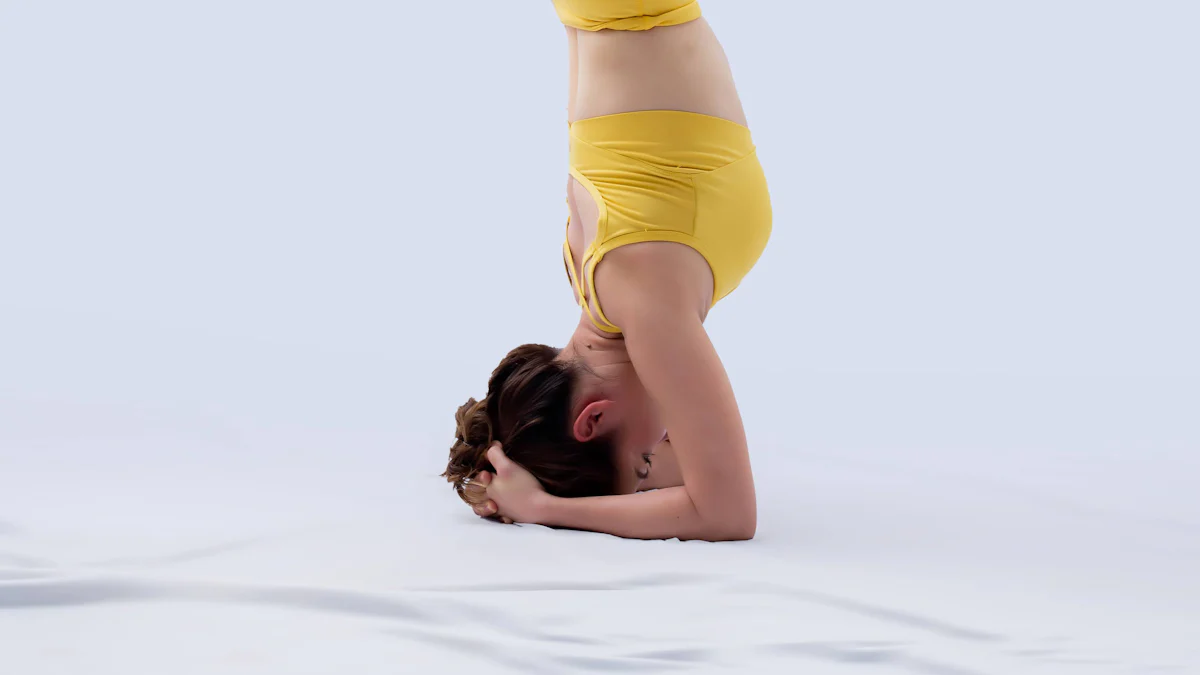
Yoga is a powerful tool for enhancing your flexibility. It not only helps you stretch your muscles but also improves your overall physical health. Many people, like 92% of UK yoga students, report feeling more flexible with regular practice. Flexibility plays a crucial role in your overall well-being, reducing stiffness and increasing your range of motion. Yoga stretching exercises target specific areas, allowing you to focus on parts of your body that need attention. Whether you're dealing with back pain or tight shoulders, yoga can help you feel more limber and relaxed.
Understanding Flexibility and Yoga Stretching Exercises
What is Flexibility?
Flexibility refers to the ability of your muscles and joints to move through their full range of motion. It's not just about being able to touch your toes or do the splits. Flexibility plays a vital role in your daily life, affecting how you move and perform tasks. When you're flexible, you can move more freely and with less effort. This reduces the risk of injuries and improves your posture.
You might wonder why flexibility is important. Well, it helps you maintain a healthy lifestyle. It allows you to perform physical activities with ease and reduces muscle tension. Plus, it can enhance your athletic performance. Whether you're an athlete or someone who enjoys a morning walk, flexibility can make a big difference.
How Yoga Enhances Flexibility
Yoga is a fantastic way to improve your flexibility. It involves a series of poses and movements that stretch your muscles and increase your range of motion. Regular practice of yoga stretching exercises can lead to significant improvements in flexibility. You don't need to spend hours on the mat. Even 10-15 minutes a day can make a noticeable difference.
Scientific Research Findings:
A study published in the International Journal of Yoga found that participants experienced a vast improvement in flexibility after a 10-week yoga program. Most people noticed changes within 2-4 weeks.
Another study highlighted in Frontiers in Public Health showed that even practicing yoga once a week can enhance flexibility.
Yoga works by targeting specific muscle groups. For example, poses like the Downward-Facing Dog stretch your hamstrings and calves, while the Cat-Cow stretch focuses on your back. These exercises help release tension and improve your overall mobility.
Breathwork is another essential component of yoga. It helps you relax and deepen your stretches, making your practice more effective. By focusing on your breath, you can hold poses longer and stretch further. This not only enhances your flexibility but also calms your mind.
Incorporating yoga into your routine can transform your body. You'll notice increased flexibility, reduced stiffness, and a greater range of motion. So, roll out your mat and start exploring the world of yoga stretching exercises. Your body will thank you!
Yoga Stretching Exercises for Neck and Shoulders
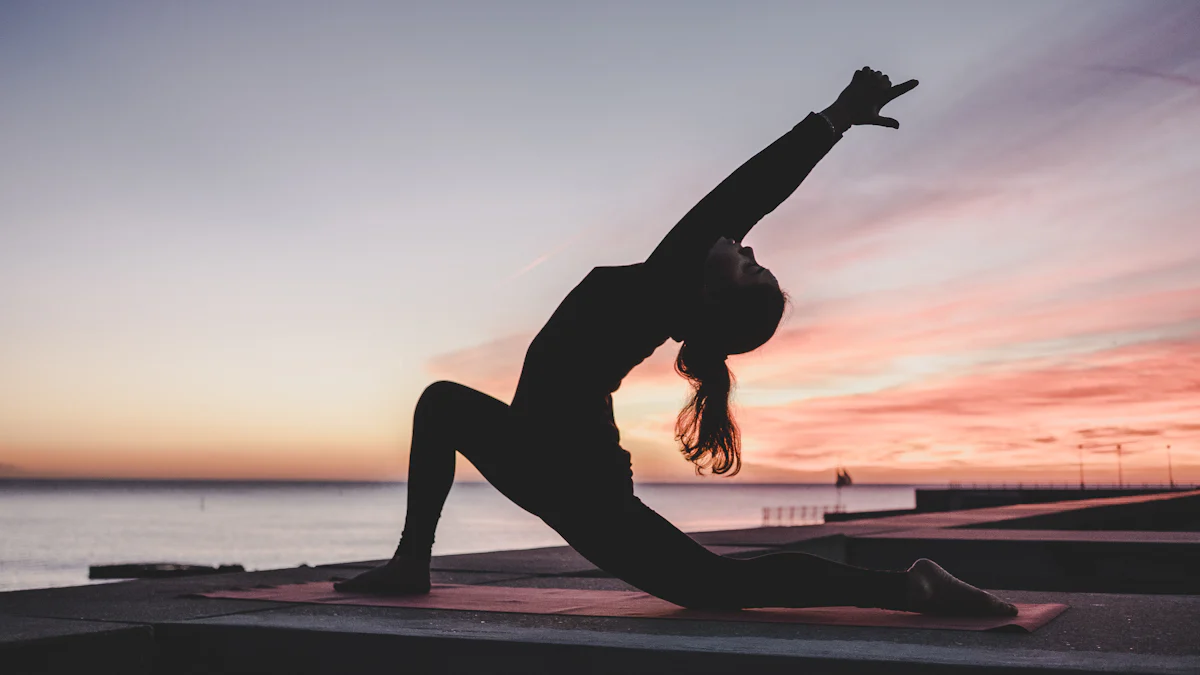
Feeling tension in your neck and shoulders? You're not alone. Many people experience tightness in these areas, often due to stress or poor posture. Luckily, yoga stretching exercises can help you release that tension and improve your flexibility. Let's dive into some effective stretches for your neck and shoulders.
Neck Stretches
Seated Neck Release
The Seated Neck Release is a simple yet powerful stretch. It targets the sides of your neck, helping to alleviate stiffness. To perform this stretch, sit comfortably with your back straight. Gently tilt your head to the right, bringing your right ear towards your right shoulder. You should feel a gentle stretch on the left side of your neck. Hold this position for about 8-10 breaths, then switch sides. This stretch is perfect for easing tension after a long day at work or school.
Ear to Shoulder Stretch
The Ear to Shoulder Stretch is another great way to relieve neck tension. Start by sitting or standing with your spine straight. Slowly lower your right ear towards your right shoulder. You can intensify the stretch by placing your right hand on the left side of your head and applying gentle pressure. Hold for five breaths, then switch sides. This stretch not only targets your neck but also engages the muscles in your shoulders and upper back.
Shoulder Openers
Thread the Needle
Thread the Needle is excellent for opening up your shoulders and upper back. Begin on all fours, with your wrists under your shoulders and knees under your hips. Slide your right arm underneath your left arm, resting your right shoulder and ear on the mat. Hold for 8-10 breaths, feeling the stretch in your shoulders and upper back. Then, repeat on the other side. This pose is particularly beneficial for releasing tightness in the back of your shoulders.
Cow Face Pose
Cow Face Pose is a fantastic stretch for your shoulders and triceps. Sit with your legs crossed. Reach your right arm up and bend it at the elbow, bringing your hand down your back. Reach your left arm behind your back and try to clasp your hands together. If you can't reach, use a strap or towel to bridge the gap. Hold for several breaths, then switch sides. This pose stretches the front of your shoulders and the back of your neck, making it a great addition to your yoga routine.
"This pose will stretch the neck and back of the shoulders. Hold for approximately 8-10 breaths then switch sides."
Yoga stretching exercises like these can significantly enhance your flexibility and relieve tension in your neck and shoulders. Remember to listen to your body and avoid pushing yourself too hard. With consistent practice, you'll notice improvements in your range of motion and overall well-being.
Yoga Stretching Exercises for Back Flexibility
Back flexibility is essential for maintaining a healthy spine and reducing discomfort. Yoga stretching exercises can significantly enhance your back's flexibility, helping you move with ease and comfort. Let's explore some effective stretches for both your upper and lower back.
Upper Back Stretches
Cat-Cow Stretch
The Cat-Cow Stretch is a gentle flow between two poses that warms up your spine and relieves tension in your upper back. Start on all fours with your wrists under your shoulders and knees under your hips. Inhale as you arch your back, dropping your belly towards the mat and lifting your head and tailbone towards the ceiling—this is the Cow Pose. Exhale as you round your spine, tucking your chin to your chest and drawing your belly button towards your spine—this is the Cat Pose. Repeat this sequence for 8-10 breaths, feeling the stretch in your upper back and neck.
Puppy Pose
Puppy Pose is a wonderful stretch for your upper back and shoulders. Begin on all fours, then walk your hands forward while keeping your hips above your knees. Lower your chest towards the floor, resting your forehead on the mat. Feel the stretch along your spine and shoulders. Hold this pose for 8-10 breaths, allowing your upper back to release tension and improve flexibility.
Lower Back Stretches
Child's Pose
Child's Pose is a restorative yoga pose that gently stretches your lower back. Kneel on the mat with your big toes touching and knees spread apart. Sit back on your heels and extend your arms forward, lowering your torso between your thighs. Rest your forehead on the mat and breathe deeply. This pose helps to elongate your spine and relieve lower back tension. Stay in Child's Pose for as long as you like, focusing on your breath and relaxation.
Supine Spinal Twist
The Supine Spinal Twist is excellent for releasing tension in your lower back and improving spinal flexibility. Lie on your back with your knees bent and feet flat on the floor. Extend your arms out to the sides in a T-shape. Gently drop your knees to one side, keeping your shoulders grounded. Turn your head in the opposite direction for a deeper stretch. Hold for 5-8 breaths, then switch sides. This twist helps to massage your spine and improve its range of motion.
Scientific Research Findings: A study published in the Annals of Internal Medicine recognized yoga as an effective treatment for chronic lower back pain. Participants in a 10-week yoga program reported significant improvements in flexibility, as highlighted in the International Journal of Yoga.
Incorporating these yoga stretching exercises into your routine can lead to noticeable improvements in your back's flexibility. Regular practice not only enhances your range of motion but also promotes overall well-being. So, roll out your mat and give your back the care it deserves!
Yoga Stretching Exercises for Hip Flexibility
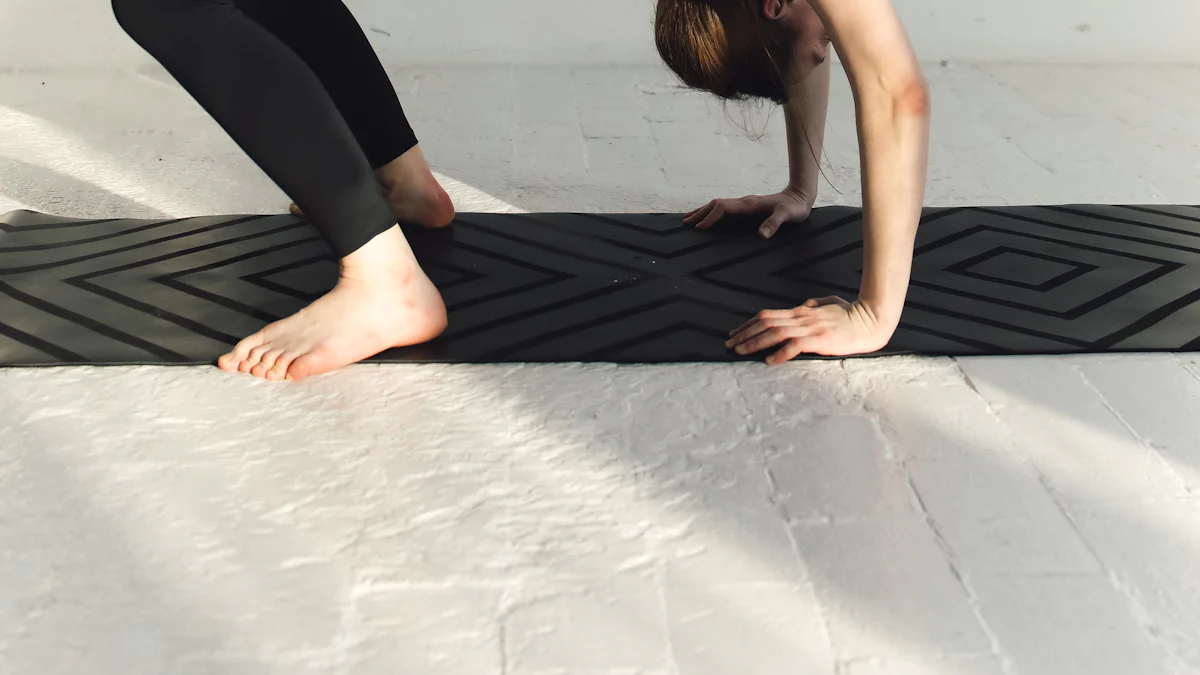
Enhancing hip flexibility can transform your daily movements and alleviate discomfort. Many people experience tight hips due to prolonged sitting or lack of movement. Yoga stretching exercises offer a gentle yet effective way to open up your hips and improve your range of motion. Let's explore some poses that can help you achieve greater hip flexibility.
Hip Openers
Pigeon Pose
Pigeon Pose is a classic yoga stretch that deeply opens the hips. Begin in a tabletop position on your hands and knees. Bring your right knee forward and place it behind your right wrist. Extend your left leg straight back, keeping your hips square. As you lower your torso over your right leg, you should feel a stretch in your right hip. Hold this pose for several breaths, then switch sides. This pose not only enhances hip flexibility but also releases tension in the lower back.
"For example, you may learn through a yoga class that your hips and hamstrings are very tight because you sit at a desk a lot of the day."
Lizard Pose
Lizard Pose is another excellent hip opener. Start in a low lunge with your right foot forward and your left knee on the ground. Place both hands inside your right foot and lower your elbows to the mat if possible. This deep stretch targets the hip flexors and inner thighs. Hold for a few breaths, then repeat on the other side. Lizard Pose can help you discover areas of tightness you might not have noticed before.
Inner Thigh Stretches
Butterfly Pose
Butterfly Pose gently stretches the inner thighs and groin. Sit on the mat with your feet together and knees bent out to the sides. Hold your feet with your hands and gently press your knees towards the floor. Keep your spine straight and breathe deeply. This pose is perfect for relaxing the hips and improving flexibility. You can hold Butterfly Pose for as long as it feels comfortable.
Frog Pose
Frog Pose offers a deeper stretch for the inner thighs. Begin on all fours, then slowly widen your knees as far apart as comfortable. Keep your feet in line with your knees and lower your forearms to the mat. This pose can be intense, so listen to your body and ease into it. Frog Pose helps release tension in the hips and can improve your overall mobility.
Anecdotal Evidence: *Ms. Edwards shared her journey of overcoming hip pain through gentle yoga practices, highlighting the importance of mindful stretching.*
Incorporating these yoga stretching exercises into your routine can lead to noticeable improvements in hip flexibility. Remember, your yoga journey is unique to you. Consistent practice will help you unlock greater mobility and comfort in your hips. So, roll out your mat and give these poses a try!
Yoga Stretching Exercises for Leg Flexibility
Improving leg flexibility can make a big difference in your daily activities. Whether you're an athlete or just want to move more freely, yoga stretching exercises can help you achieve greater flexibility in your legs. Let's explore some effective stretches for your hamstrings, calves, and ankles.
Hamstring Stretches
Forward Bend
The Forward Bend is a classic yoga pose that targets your hamstrings. Stand with your feet hip-width apart. Slowly bend forward at your hips, keeping your spine long. Let your head hang heavy and reach for your toes. If you can't touch your toes, that's okay—just go as far as you can. Hold this pose for several breaths, feeling the stretch along the back of your legs. This pose not only stretches your hamstrings but also calms your mind.
Reclined Hand-to-Big-Toe Pose
The Reclined Hand-to-Big-Toe Pose offers a deep stretch for your hamstrings. Lie on your back and extend one leg towards the ceiling. Use a strap or towel around your foot if needed. Keep your other leg straight on the ground. Gently pull your raised leg towards you, feeling the stretch in your hamstring. Hold for a few breaths, then switch sides. This pose helps improve flexibility and balance, making it a great addition to your routine.
Calf and Ankle Stretches
Downward-Facing Dog
Downward-Facing Dog is a versatile pose that stretches your calves and ankles. Start on all fours, then lift your hips towards the ceiling, forming an inverted V-shape with your body. Press your heels towards the ground, feeling the stretch in your calves. Keep your fingers spread wide and your head relaxed between your arms. Hold this pose for several breaths, allowing your calves and ankles to release tension.
Scientific Research Findings: Yoga poses such as Downward-Facing Dog are great for stretching the muscles and increasing flexibility.
Standing Calf Stretch
The Standing Calf Stretch is simple yet effective. Stand facing a wall and place your hands on it for support. Step one foot back, keeping it straight, and bend your front knee. Press your back heel into the ground, feeling the stretch in your calf. Hold for a few breaths, then switch sides. This stretch is perfect for loosening tight calves and improving ankle flexibility.
Incorporating these yoga stretching exercises into your routine can lead to noticeable improvements in leg flexibility. Consistent practice will help you move with ease and confidence. So, roll out your mat and give these poses a try!
Tips for Getting Started with Yoga
Embarking on a yoga journey can be both exciting and rewarding. Whether you're a beginner or returning to practice, setting yourself up for success is key. Here are some tips to help you get started on the right foot.
Setting Realistic Goals
Setting goals in yoga can motivate you to practice regularly and give you a sense of accomplishment. However, it's crucial to approach these goals with patience and care to avoid injuries. Start by identifying what you want to achieve with your yoga practice. Do you want to increase flexibility, reduce stress, or improve overall well-being? Once you have a clear idea, break down your goals into smaller, achievable steps.
Define Your Purpose: Understand why you want to practice yoga. This will guide your journey and keep you motivated.
Set Measurable Goals: Instead of vague goals like "be more flexible," aim for specific targets such as "touch my toes in three months." This helps track progress and keeps you focused.
Be Patient: Progress in yoga takes time. Celebrate small victories along the way to stay encouraged.
"Yoga goals motivate us to practice regularly and feel a sense of accomplishment, but they can also lead to injuries if not approached with patience and care."
Creating a Consistent Practice
Consistency is the cornerstone of any successful yoga practice. Establishing a routine helps you build momentum and see improvements over time. Here are some strategies to create a consistent yoga practice:
Schedule Your Sessions: Set aside specific times for yoga each week. Treat these sessions as important appointments with yourself.
Start Small: Begin with short sessions, like 10-15 minutes a day, and gradually increase the duration as you become more comfortable.
Find a Comfortable Space: Create a dedicated area for your practice. A quiet, clutter-free space can enhance your focus and relaxation.
Stay Flexible: Life can be unpredictable. If you miss a session, don't stress. Simply get back on track the next day.
When you make progress in your yoga practice, you gain confidence, which motivates you to achieve even more. This positive cycle can transform your yoga journey into a fulfilling and lifelong practice.
"Progress in yoga leads to increased confidence and motivation to achieve more."
By setting realistic goals and creating a consistent practice, you'll lay a strong foundation for your yoga journey. Remember, yoga is a personal experience, and your path may look different from others. Embrace the process, and enjoy the benefits that come with regular practice.
Tracking Progress and Maintaining Flexibility
How to Measure Flexibility Improvements
Tracking your progress in yoga can be both motivating and rewarding. It helps you see how far you've come and where you might want to focus more attention. Here are some simple ways to measure your flexibility improvements:
Keep a Journal: Write down your starting point and note any changes over time. Record how certain poses feel and any new ones you can achieve. This will give you a clear picture of your progress.
Use Visual Aids: Take photos or videos of your practice. Comparing these over weeks or months can show you how your flexibility has improved. You might be surprised by the changes!
Perform Flexibility Tests: Simple tests like the sit-and-reach or side bend can help you measure your flexibility. Studies have shown that yoga participants often see improvements in these areas compared to those who don't practice yoga.
Listen to Your Body: Pay attention to how your body feels during and after yoga sessions. Notice if movements become easier or if you experience less stiffness. These are signs of increased flexibility.
"Significant interaction effects in flexibility tests showed that yoga participants increased their flexibility while it decreased in the control group."
Tips for Maintaining Flexibility Over Time
Once you've achieved a certain level of flexibility, maintaining it is key. Here are some tips to help you keep your flexibility over time:
Stay Consistent: Regular practice is crucial. Even short daily sessions can help maintain your flexibility. Remember, consistency beats intensity.
Mix It Up: Incorporate different types of yoga poses to target various muscle groups. This keeps your practice interesting and ensures balanced flexibility.
Listen to Your Body: Avoid pushing yourself too hard. If you feel pain, ease up. Yoga should feel good and not cause discomfort.
Incorporate Rest Days: Give your body time to recover. Rest days are just as important as practice days for maintaining flexibility.
Stay Hydrated and Eat Well: Proper hydration and nutrition support muscle health and flexibility. Make sure you're fueling your body with what it needs.
Survey Results: *88% of UK yoga students strongly agree that yoga has improved their physical health, with 92% feeling more flexible with regular practice.*
By tracking your progress and following these tips, you'll not only maintain your flexibility but also enjoy the many other benefits yoga offers. Keep practicing, and remember that every small step counts towards your overall well-being.
Yoga offers a fantastic way to boost your flexibility and overall well-being. By incorporating yoga into your daily routine, you can enjoy increased strength, balance, and relaxation. Regular practice helps you maintain flexibility and enhances your range of motion. Plus, it can alleviate lower back pain and reduce inflammation, contributing to long-term health benefits. So, roll out your mat and embrace the journey of yoga. Your body and mind will thank you for the commitment to a healthier, more flexible lifestyle.
See Also
Safely Perfecting Complex Yoga Poses for All Levels
Achieving Excellence in the Bridge Yoga Pose
Perfecting the Cat Pose for Enhanced Flexibility

Hi my name is Lia and i am your host in this yoga journey in Portugal, Subscribe to our newsletter to receive every week the best of Yoga in Portugal.

We bring back the importance of initiation into womanhood by Roos-Veerle Krijnen & Ella-June Henrard
Welcome to the Women’s Initiation Retreat by Naked Truth Retreats, a transformative journey into the depths of your True Feminine Nature. This retreat invites you to remember the sacredness and wholeness of your being.
Roos-Veerle Krijnen & Ella-June Henrard