How to effectively incorporate Sahaja Yoga into your daily routine

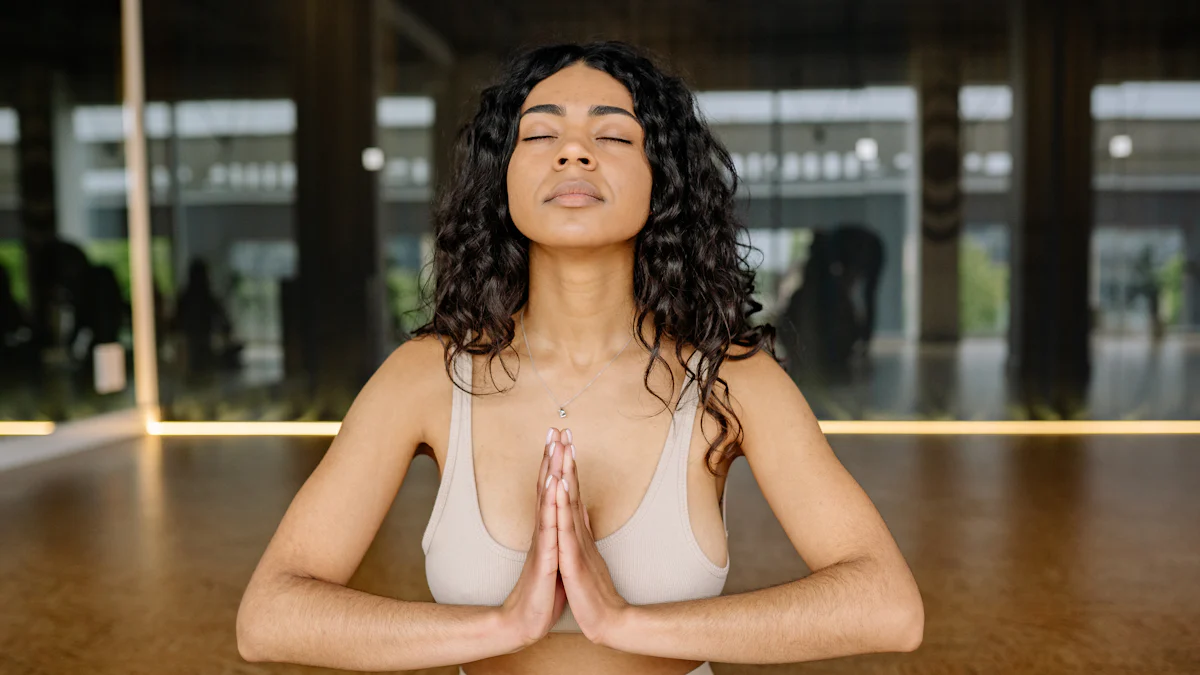
Incorporating Sahaja Yoga meditation into your busy schedule can transform your daily life. You can experience profound benefits, such as improved mental clarity and emotional stability. Regular practice helps you manage stress effectively and enhances your overall well-being. Research shows that long-term engagement with Sahaja Yoga leads to significant improvements in physical health, including better heart function and reduced anxiety levels. By dedicating just a few minutes each day, you can cultivate a sense of peace and balance that enriches your life.
Key Takeaways
Establish a consistent meditation schedule by selecting specific times that fit your daily routine, treating it as a priority.
Create a dedicated, clutter-free meditation space to enhance focus and promote a calming atmosphere.
Incorporate Sahaja Yoga into your existing routines, such as meditating in the morning to set a positive tone for the day or in the evening to unwind.
Use reminders and motivational notes to keep Sahaja Yoga at the forefront of your mind, reinforcing its importance in your life.
Join a meditation group to foster a sense of community and support, which can enhance your commitment to regular practice.
Start with short meditation sessions and gradually increase the duration as you become more comfortable, focusing on quality over quantity.
Embrace the challenges of meditation, such as distractions and time constraints, by acknowledging them and finding ways to integrate practice into your busy life.
Setting a Specific Time for Meditation
Choosing the Right Time
Selecting the right time for your Sahaja Yoga practice plays a vital role in establishing a consistent routine. You should consider your daily schedule and identify moments when you can dedicate time to meditation without interruptions. Many find early mornings ideal, as this time often brings a sense of calm and clarity. Others may prefer evenings to unwind after a busy day. The key lies in choosing a time that feels natural and convenient for you.
To make meditation a priority, you must treat it like any other important appointment. Mark it in your calendar or set reminders on your phone. This approach helps you commit to your practice and reinforces its significance in your daily life. Remember, meditation can occur at any time of the day, as long as it fits into your schedule and becomes a regular practice.
Creating a Daily Schedule
Creating a daily schedule that includes your meditation practice can significantly enhance your commitment. Start by blocking out specific times for meditation each day. This method not only establishes a routine but also serves as a reminder to engage in your practice.
Consider the following steps to create an effective schedule:
Identify your preferred meditation times: Choose slots that align with your energy levels and daily commitments.
Set realistic goals: Begin with short sessions, gradually increasing the duration as you become more comfortable.
Incorporate meditation into existing routines: For instance, meditate right after waking up or before going to bed. This integration makes it easier to remember and maintain your practice.
By scheduling your Sahaja Yoga meditation, you prioritise this healthy habit and pave the way for experiencing its numerous benefits. Consistency is crucial; the more you meditate, the more you will notice improvements in your mental clarity and emotional stability.
Creating a Conducive Environment for Sahaja Yoga
Finding a Quiet Space
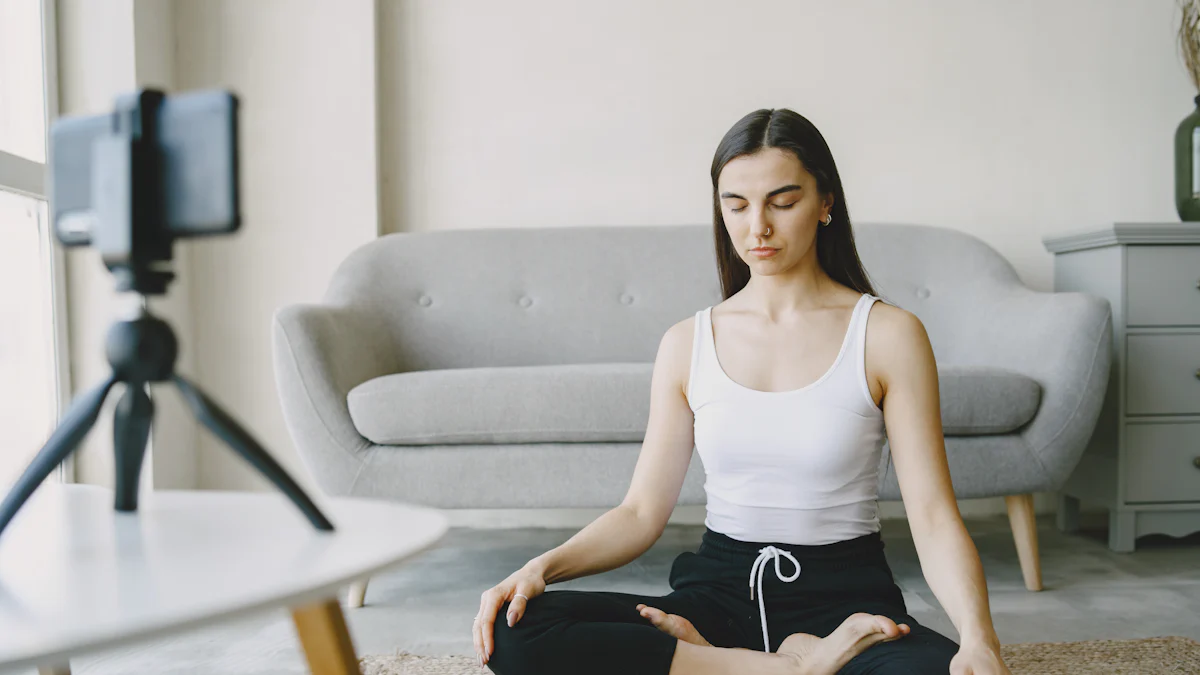
You need a quiet space to meditate effectively. A dedicated area helps you focus and enhances your experience. Look for a spot in your home where you can minimise distractions. This could be a corner of your bedroom, a spare room, or even a balcony. Ensure that this space feels peaceful and inviting.
Experts recommend keeping your meditation area clean and clutter-free. A tidy environment promotes a sense of calm. You might also consider using soft lighting or natural light to create a soothing atmosphere. If possible, choose a location away from noise and interruptions. This way, you can immerse yourself fully in your practice.
Personalising Your Meditation Area
Personalising your meditation area can significantly enhance your experience. Add elements that inspire you and evoke a sense of tranquillity. Consider incorporating items such as candles, crystals, or plants. These objects can create a serene ambiance and help you connect with your inner self.
You might also want to include comfortable seating. Cushions or a meditation bench can provide support during longer sessions. Additionally, think about storing literature or resources related to Sahaja Yoga nearby. This allows you to easily access materials that deepen your understanding of the practice.
Creating personal rituals can further enrich your meditation. Lighting a candle or using essential oils can signal the start of your practice. These small actions help you transition into a meditative state. Remember, your meditation space should reflect your personality and preferences. By making it uniquely yours, you foster a deeper connection to your Sahaja Yoga practice.
Incorporating Sahaja Yoga Meditation into Existing Routines
Morning Meditation Practices
Starting your day with Sahaja Yoga meditation can set a positive tone for the hours ahead. Morning meditation helps you cultivate a sense of calm and clarity before facing daily challenges. You can begin with just a few minutes of practice. This brief session can enhance your focus and emotional stability throughout the day.
To establish a morning routine, consider these steps:
Wake up a little earlier: Allow yourself extra time to meditate without feeling rushed.
Find a comfortable position: Sit cross-legged on the floor or in a chair with your back straight. This posture promotes alertness and relaxation.
Focus on your breath: Take deep breaths to centre yourself. Feel the air filling your lungs and releasing tension with each exhale.
Embrace thoughtless awareness: As you meditate, aim for a state of thoughtless awareness. This means being fully present without intrusive thoughts. Many describe this state as peaceful and joyful, allowing you to connect with your inner self.
Incorporating these practices into your morning routine can lead to a more productive and fulfilling day.
Evening Wind-Down Sessions
Ending your day with Sahaja Yoga meditation can help you unwind and reflect. Evening sessions allow you to release the stress accumulated throughout the day. This practice prepares your mind and body for restful sleep.
Follow these tips for effective evening meditation:
Create a calming atmosphere: Dim the lights and eliminate distractions. Consider lighting a candle to symbolise the end of the day.
Engage in foot soaking: This technique relaxes your body and prepares you for meditation. Soaking your feet in warm water can enhance your experience.
Reflect on your day: Spend a few moments contemplating your experiences. Acknowledge your feelings and let go of any negativity.
Practice affirmations: Use positive affirmations to balance your vibrations. This can help you release any lingering stress and promote a sense of peace.
By integrating evening wind-down sessions into your routine, you can foster a deeper connection with yourself. This practice not only aids relaxation but also enhances your overall well-being.
Tips for Maintaining Consistency in Sahaja Yoga Practice
Setting Reminders
You can enhance your commitment to Sahaja Yoga by setting reminders. Use your phone or a calendar to schedule notifications for your meditation sessions. These reminders serve as gentle nudges, encouraging you to prioritise your practice amidst daily distractions.
Consider placing sticky notes in visible areas, such as your bathroom mirror or workspace. These notes can contain motivational quotes or affirmations related to your meditation journey. By keeping Sahaja Yoga at the forefront of your mind, you reinforce its importance in your life.
Survey Results show that maintaining a consistent practice is more beneficial than striving for a perfect meditation session. Regular engagement leads to greater benefits for your well-being and happiness. Therefore, treat each meditation session as an opportunity for growth, rather than a task to complete perfectly.
Joining a Meditation Group
Joining a meditation group can significantly boost your consistency in Sahaja Yoga practice. Engaging with like-minded individuals creates a supportive environment that encourages regular participation. You can share experiences, insights, and challenges, which fosters a sense of community.
Look for local Sahaja Yoga centres or online groups that offer guided sessions. Participating in group meditations can deepen your understanding of the practice. You may also find inspiration from others’ journeys, motivating you to stay committed to your own.
Research indicates that 73 percent of individuals who meditate do so for general wellness and stress reduction. By surrounding yourself with others who share similar goals, you increase your chances of maintaining a consistent practice.
Incorporating these strategies into your routine can help you stay on track with your Sahaja Yoga meditation. Remember, consistency is key to experiencing the full benefits of this transformative practice.
Overcoming Common Challenges in Sahaja Yoga
Dealing with Distractions
Distractions can disrupt your meditation practice. You may find it challenging to focus when noise or interruptions surround you. To combat this, create a dedicated meditation space. Choose a quiet area in your home where you can minimise disturbances.
Consider using noise-cancelling headphones or soft music to drown out background sounds. You might also try meditating at times when your environment is naturally quieter, such as early mornings or late evenings.
When distractions arise during meditation, acknowledge them without judgement. Allow thoughts to pass like clouds in the sky. This approach aligns with the essence of Sahaja Yoga, which encourages you to embrace thoughtless awareness.
"The purpose of meditation is to recognise when thinking is happening."
This understanding can help you return to your practice without frustration. Remember, meditation is not about eliminating thoughts but rather observing them without attachment.
Managing Time Constraints
Time constraints often pose a significant challenge to maintaining a consistent Sahaja Yoga practice. Life can become hectic, leaving little room for meditation. However, you can still incorporate short sessions into your day.
Start by identifying pockets of time. Even five minutes can be beneficial. You can meditate during your lunch break, while waiting for an appointment, or before bed.
To make the most of your time, focus on quality over quantity. A brief, focused session can be more effective than a longer, distracted one.
Here are some tips to manage your time effectively:
Prioritise your practice: Treat meditation as an essential part of your day, just like eating or sleeping.
Set realistic goals: Begin with short sessions and gradually increase the duration as you become more comfortable.
Use reminders: Set alarms or notifications on your phone to prompt you to meditate.
Allocating time for Sahaja Yoga daily is crucial for personal evolution. Embrace the challenges and triumphs that come with your practice.
Understanding the Benefits of Regular Sahaja Yoga Practice
Mental and Emotional Well-being
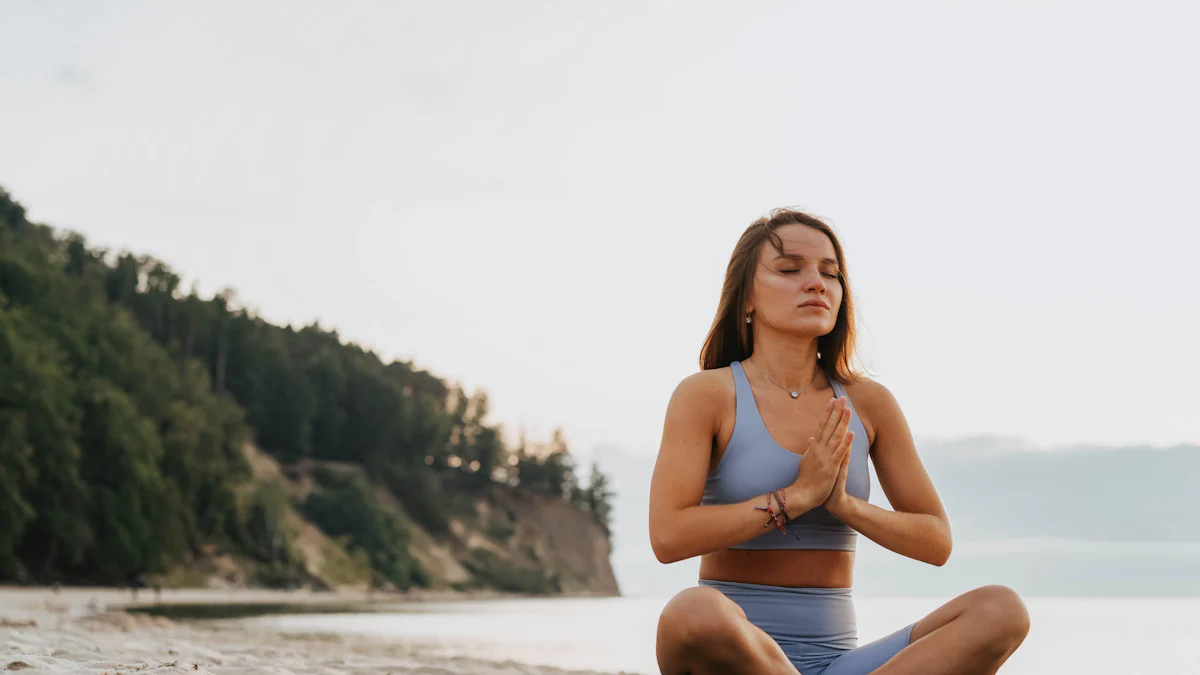
Engaging in regular Sahaja Yoga practice significantly enhances your mental and emotional well-being. You may notice a marked reduction in stress and anxiety levels. Participants in studies reported substantial decreases in symptoms related to mental health issues after practising Sahaja Yoga. This meditation technique fosters a sense of separation from stressful situations, allowing you to observe challenges without becoming overwhelmed.
Sahaja Yoga promotes a state of thoughtless awareness, which helps you cultivate mindfulness. This state encourages you to witness your thoughts and emotions without attachment. Over time, you may experience positive changes in behaviour, improved communication skills, and heightened creativity.
Research indicates that long-term practitioners of Sahaja Yoga show notable brain changes. These changes include growth in areas associated with sustained attention, self-control, and compassion. Such developments contribute to a more balanced emotional state and a greater capacity for empathy towards others.
"Sahaja Yoga sees the powerful role of spirituality in the healing process."
This perspective highlights how meditation can lead to holistic improvements in your life. You may find that regular practice not only enhances your mental clarity but also strengthens your emotional resilience.
Physical Health Improvements
Regular practice of Sahaja Yoga also brings about significant physical health improvements. Studies have shown that individuals who meditate consistently experience better heart function and reduced symptoms of various ailments. For instance, Sahaja Yoga has been linked to improvements in conditions such as hypertension and bronchial asthma.
The practice encourages relaxation, which can lower blood pressure and promote overall cardiovascular health. Additionally, participants often report spontaneous improvements in their relationships with the world around them. This includes overcoming addictions and managing chronic stress effectively.
Long-term practitioners of Sahaja Yoga have demonstrated larger grey matter volumes in specific brain regions. These areas are crucial for attention, self-control, and bodily awareness. Such changes can enhance your overall physical health and well-being.
Incorporating Sahaja Yoga into your daily routine can lead to a healthier lifestyle. You may find that meditation not only nurtures your mind but also revitalises your body.
Incorporating Sahaja Yoga into your daily routine can lead to remarkable improvements in your mental and physical well-being. You can experience reduced stress, better sleep, and enhanced emotional regulation through consistent practice. Start your journey today. Embrace the simplicity of daily meditation. Remember, real growth occurs gradually over time. The long-term benefits of Sahaja Yoga will enrich your life, fostering clarity, compassion, and self-awareness.
FAQ
How is Sahaja Yoga meditation different from other types of meditation?
Sahaja Yoga meditation focuses on the spontaneous union of your individual energy with the divine energy surrounding you. This process occurs through the awakening of your Kundalini. Many other forms of yoga, particularly those involving physical postures, aim for similar goals but often emphasise alignment and breath control. If you seek a true experience of yoga without physical demands, Sahaja Yoga meditation offers a safe and effective path.
Can anyone practice Sahaja Yoga meditation?
Absolutely! Sahaja Yoga meditation welcomes individuals of all ages, occupations, races, and beliefs. This practice does not require any prior experience or special skills. You can easily integrate it into your daily routine, regardless of your background.
What benefits can I expect from regular practice?
Regular practice of Sahaja Yoga meditation leads to numerous benefits. You may experience improvements in your mental and emotional well-being, such as reduced stress and anxiety. Many practitioners report enhanced relationships and a greater sense of connection with the world around them. Additionally, physical health improvements, including better heart function and relief from various ailments, often accompany consistent practice.
How long should I meditate each day?
You can start with just a few minutes each day. As you become more comfortable, gradually increase the duration of your sessions. The key lies in consistency rather than the length of each meditation. Even short, focused sessions can yield significant benefits.
Do I need to attend classes to learn Sahaja Yoga meditation?
While attending classes can provide valuable guidance, you can also learn Sahaja Yoga meditation through online resources or books. Many practitioners find that self-study complements their practice. However, participating in group sessions can enhance your experience and provide support.
What should I do if I struggle to focus during meditation?
Distractions are common during meditation. When they arise, acknowledge them without judgement. Allow thoughts to pass like clouds in the sky. Creating a dedicated meditation space can also help minimise interruptions. Over time, you will develop greater focus and awareness.
Is there a specific posture I should use while meditating?
You can choose a comfortable position that allows you to remain alert and relaxed. Sitting cross-legged on the floor or in a chair with your back straight works well. The most important aspect is to find a posture that feels natural for you.
Can Sahaja Yoga meditation help with addiction or mental health issues?
Many individuals have reported overcoming addictions and managing mental health challenges through Sahaja Yoga meditation. This practice fosters a sense of inner peace and resilience, enabling you to address underlying issues effectively. Numerous accounts highlight significant improvements in well-being and relationships with the world.
How can I maintain consistency in my practice?
To maintain consistency, set reminders for your meditation sessions. You can use your phone or sticky notes in visible areas to prompt you. Joining a meditation group can also provide motivation and support, helping you stay committed to your practice.
What is the ultimate goal of Sahaja Yoga meditation?
The ultimate goal of Sahaja Yoga meditation is to achieve a state of thoughtless awareness. This state allows you to connect with your inner self and experience a profound sense of peace and clarity. Through regular practice, you can cultivate this awareness, leading to personal growth and a deeper understanding of your place in the world.
See Also
Integrating Yoga Smoothly Into Your Fitness Routine
Starting Your Path in Yoga and Mindfulness
Uncover the Wellness Benefits of Practising Yoga

Hi my name is Lia and i am your host in this yoga journey in Portugal, Subscribe to our newsletter to receive every week the best of Yoga in Portugal.

We bring back the importance of initiation into womanhood by Roos-Veerle Krijnen & Ella-June Henrard
Welcome to the Women’s Initiation Retreat by Naked Truth Retreats, a transformative journey into the depths of your True Feminine Nature. This retreat invites you to remember the sacredness and wholeness of your being.
Roos-Veerle Krijnen & Ella-June Henrard