Effective Yoga Poses to Speed Up Your Period

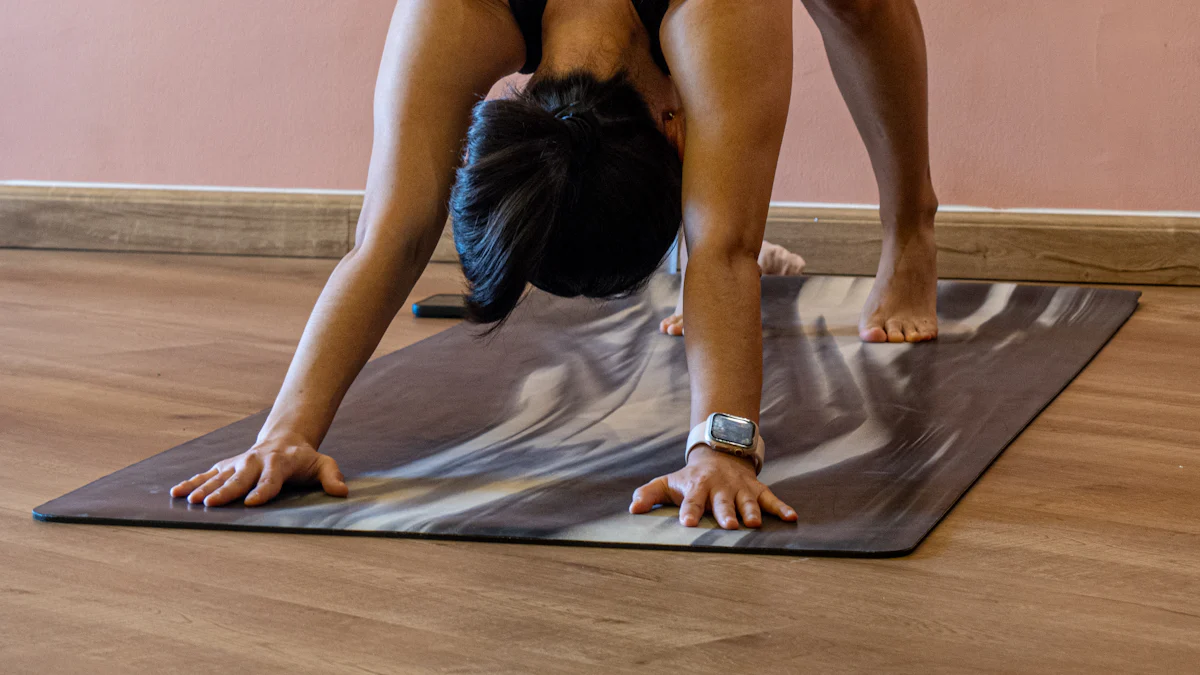
Yoga can be a natural way to help speed up your period. By practicing specific poses, you might find that your menstrual cycle becomes more regular. Yoga not only aids in physical fitness but also alleviates menstrual pain and improves your quality of life. However, it's crucial to prioritize safety. Always consult with a healthcare provider or yoga expert before starting any new exercise routine. This ensures you practice yoga agar cepat haid safely and effectively, reaping its full benefits without risking injury.
Yoga Poses to Induce Menstruation
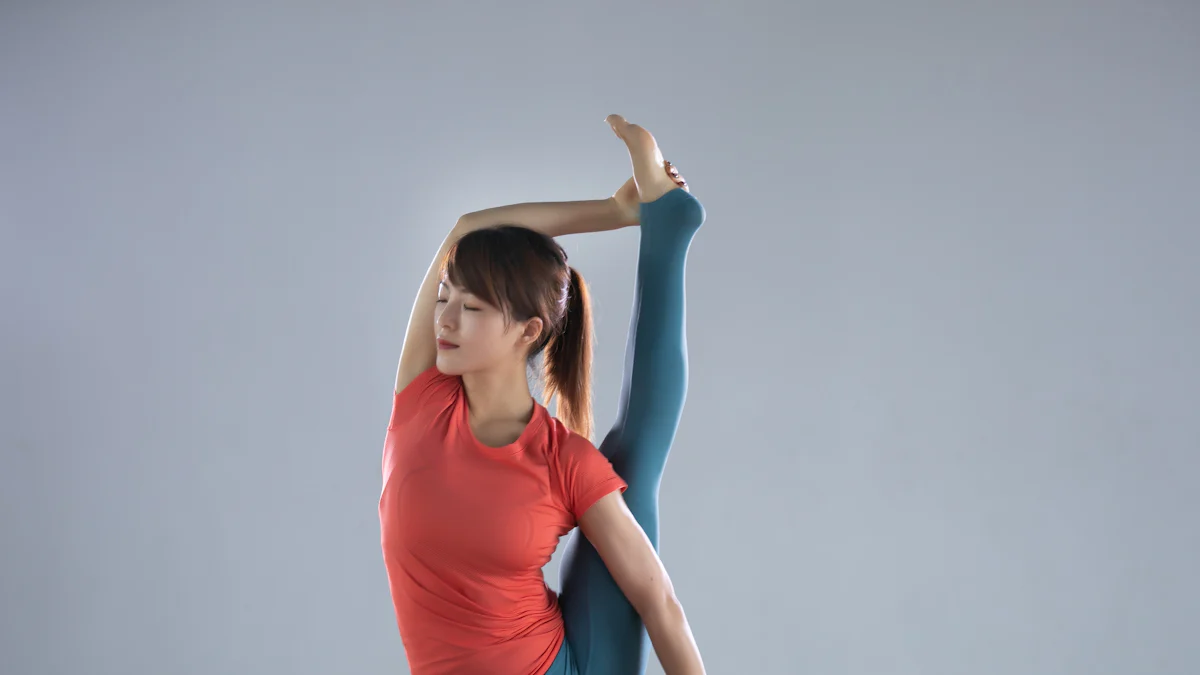
Yoga can be a wonderful way to help regulate your menstrual cycle. By practicing specific poses, you might find that your period arrives more predictably. Let's explore some effective yoga poses to induce menstruation.
Cat-Cow Pose (Marjaryasana-Bitilasana)
How to Perform Cat-Cow Pose
To start, get on your hands and knees. Align your wrists under your shoulders and your knees under your hips. As you inhale, arch your back and lift your head and tailbone towards the ceiling. This is the Cow Pose. Then, exhale and round your spine, tucking your chin to your chest for the Cat Pose. Repeat this sequence several times, moving with your breath.
Benefits of Cat-Cow Pose
This pose gently massages your spine and belly organs. It helps improve blood circulation and can relieve stress, which may aid in regulating your menstrual cycle. Regular practice can also enhance flexibility and relieve tension in your back and neck.
Child's Pose (Balasana)
How to Perform Child's Pose
Begin by kneeling on the floor. Sit back on your heels and fold forward, extending your arms in front of you. Rest your forehead on the mat. Breathe deeply and relax in this position for a few minutes.
Benefits of Child's Pose
Child's Pose is a calming posture that stretches your lower back and hips. It encourages relaxation and can help reduce menstrual cramps. This pose also promotes mental clarity and emotional balance, which are beneficial during your menstrual cycle.
Reclining Bound Angle Pose (Supta Baddha Konasana)
How to Perform Reclining Bound Angle Pose
Lie on your back and bring the soles of your feet together, allowing your knees to fall open to the sides. Place your arms by your sides with palms facing up. You can use pillows or blankets under your knees for support. Close your eyes and breathe deeply.
Benefits of Reclining Bound Angle Pose
This restorative pose opens the hips and stimulates the pelvic region. It can help improve blood flow and relieve tension in the lower body. Practicing this pose regularly may assist in balancing hormones and easing menstrual discomfort.
By incorporating these yoga poses into your routine, you can support your menstrual health naturally. Remember, consistency is key. Practicing yoga regularly can lead to better physical and mental well-being, helping you manage menstrual symptoms more effectively.
Seated Forward Bend (Paschimottanasana)
How to Perform Seated Forward Bend
To begin, sit on the floor with your legs extended straight in front of you. Keep your back straight and your feet flexed. Inhale deeply, and as you exhale, lean forward from your hips, reaching for your toes. If you can't reach your toes, rest your hands on your shins or thighs. Hold this position for a few breaths, allowing your body to relax into the stretch.
Benefits of Seated Forward Bend
This pose stretches the spine, shoulders, and hamstrings. It helps calm the mind and relieve stress, which can be beneficial for regulating your menstrual cycle. By practicing this pose regularly, you may find relief from menstrual discomfort and improved flexibility in your lower back and legs.
Matsyasana (Fish Pose)
How to Perform Matsyasana
Lie on your back with your legs extended. Place your hands under your hips, palms facing down. As you inhale, lift your chest and head off the ground, arching your back. Rest the crown of your head on the floor, keeping your throat open. Hold this position for a few breaths, then gently release.
Benefits of Matsyasana
Matsyasana opens the chest and throat, promoting better breathing and circulation. This pose can help balance hormones and alleviate menstrual irregularities. Regular practice may also reduce tension in the neck and shoulders, contributing to overall relaxation and well-being.
Dhanurasana (Bow Pose)
How to Perform Dhanurasana
Start by lying on your stomach with your arms at your sides. Bend your knees and reach back to grab your ankles. As you inhale, lift your chest and thighs off the ground, pulling your ankles towards your head. Hold this position for a few breaths, feeling the stretch in your back and thighs.
Benefits of Dhanurasana
Dhanurasana strengthens the back and abdominal muscles, improving posture and flexibility. This pose stimulates the reproductive organs, which can help regulate your menstrual cycle. Practicing Dhanurasana regularly may also enhance digestion and relieve stress, contributing to better menstrual health.
Incorporating these yoga poses to induce menstruation into your routine can support your menstrual health naturally. Scientific Research Findings suggest that regular yoga practice can alleviate premenstrual symptoms and promote hormonal balance. Remember, consistency is key. By practicing yoga regularly, you can achieve physical and mental relaxation, helping you manage menstrual symptoms more effectively.
Ustrasana (Camel Pose)
How to Perform Ustrasana
To perform Ustrasana, start by kneeling on the floor with your knees hip-width apart. Place your hands on your lower back for support. As you inhale, lift your chest and arch your back, reaching your hands towards your heels. Keep your neck relaxed and gaze upwards. Hold this position for a few breaths, feeling the stretch in your chest and abdomen. To release, bring your hands back to your lower back and slowly return to an upright position.
Benefits of Ustrasana
Ustrasana opens up the chest and improves flexibility in the spine. This pose stimulates the abdominal organs, which can help regulate your menstrual cycle. Practicing Ustrasana regularly may also enhance digestion and relieve stress, contributing to better menstrual health. By incorporating this pose into your routine, you can support your body's natural processes and promote overall well-being.
Bhujangasana (Cobra Pose)
How to Perform Bhujangasana
Begin by lying on your stomach with your legs extended and your palms placed under your shoulders. As you inhale, press into your hands and lift your chest off the ground, keeping your elbows slightly bent. Roll your shoulders back and keep your gaze forward. Hold this position for a few breaths, feeling the stretch in your chest and abdomen. Exhale as you lower your chest back to the ground.
Benefits of Bhujangasana
Bhujangasana strengthens the spine and opens the chest, promoting better breathing and circulation. This pose can help balance hormones and alleviate menstrual irregularities. Regular practice may also reduce tension in the neck and shoulders, contributing to overall relaxation and well-being. By including Bhujangasana in your yoga routine, you can support your menstrual health naturally.
Malasana (Garland Pose)
How to Perform Malasana
To perform Malasana, stand with your feet slightly wider than hip-width apart. Bend your knees and lower your hips into a squat position, keeping your heels on the ground. Bring your palms together in front of your chest and press your elbows against your inner thighs. Hold this position for a few breaths, allowing your hips to open and your spine to lengthen.
Benefits of Malasana
Malasana opens the hips and stretches the lower back, which can help stimulate menstruation. This pose encourages relaxation and can help reduce menstrual cramps. Practicing Malasana regularly may also improve flexibility in the hips and ankles, contributing to better overall mobility. By incorporating this pose into your routine, you can support your menstrual health and promote a sense of balance and ease.
Scientific Research Findings: Regular yoga practice, including poses like Ustrasana, Bhujangasana, and Malasana, can alleviate premenstrual symptoms and promote hormonal balance. Yoga helps women achieve physical and mental relaxation, which is beneficial for managing menstrual health issues.
Baddha Konasana (Butterfly Pose)
How to Perform Baddha Konasana
To get started with Baddha Konasana, sit on the floor with your legs extended in front of you. Bring the soles of your feet together and let your knees drop to the sides. Hold your feet with your hands and pull them as close to your body as comfortable. Sit up straight and gently press your knees towards the floor. Stay in this position for a few breaths, feeling the stretch in your inner thighs and hips.
Benefits of Baddha Konasana
Baddha Konasana is a fantastic pose for opening up the hips and improving flexibility. This pose stimulates the pelvic region, which can help regulate your menstrual cycle. Practicing this pose regularly may also enhance blood circulation and relieve tension in the lower body. By incorporating Baddha Konasana into your routine, you can support your menstrual health naturally.
Yoga poses to induce menstruation, like Baddha Konasana, offer more than just physical benefits. They can also promote mental relaxation and emotional balance. According to studies, regular yoga practice can alleviate premenstrual symptoms and improve overall well-being. By engaging in these poses, you can achieve a sense of calm and ease, helping you manage menstrual symptoms more effectively.
Benefits of Yoga for Menstrual Health
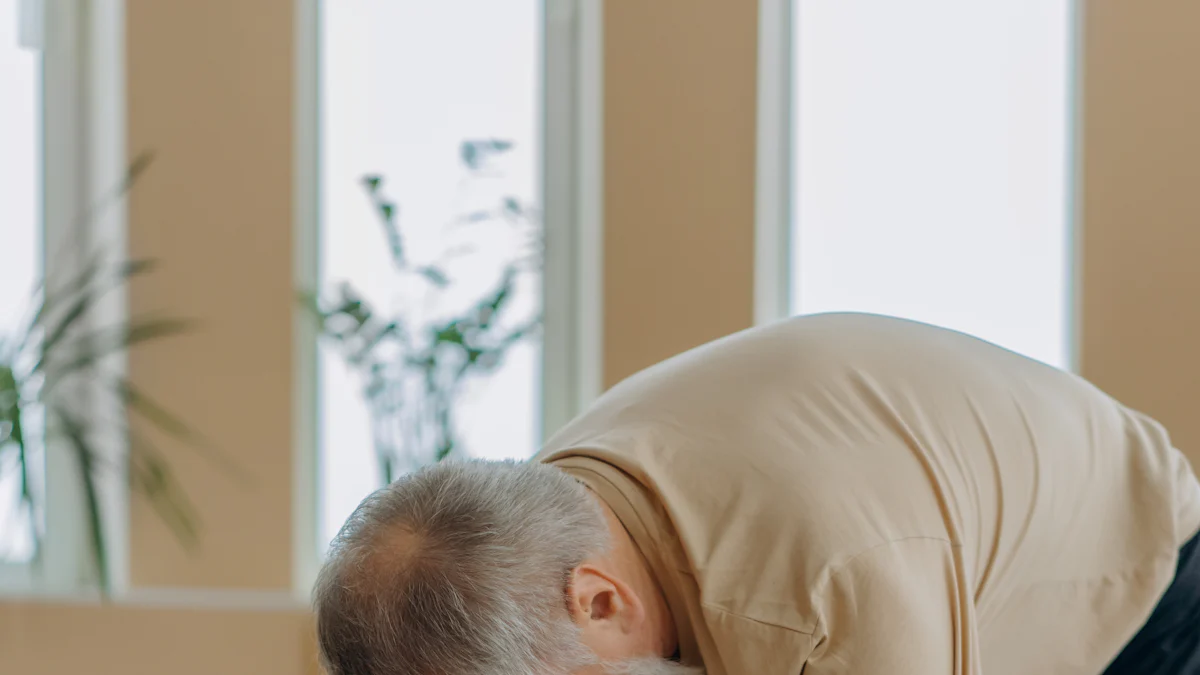
Yoga offers numerous benefits for menstrual health, making it a valuable practice for many women. By incorporating yoga into your routine, you can experience both physical and mental improvements that support your overall well-being during your menstrual cycle.
Physical Benefits
Pain Relief: Yoga poses like the Supine Twist Pose can help relieve menstrual pain. This pose stretches the lower back and stimulates blood flow, which can alleviate discomfort in the spine, hips, and knees during menstruation.
Regulation of Menstrual Cycle: Regular yoga practice can help regulate your menstrual cycle. Certain poses stimulate the reproductive organs, promoting hormonal balance and reducing menstrual irregularities.
Improved Circulation: Many yoga poses enhance blood circulation throughout the body. This increased circulation can help reduce menstrual cramps and promote a healthier menstrual flow.
Strength and Flexibility: Yoga strengthens and stretches various muscle groups, improving your overall physical fitness. Enhanced strength and flexibility can make your body more resilient to menstrual discomfort.
Non-Invasive Relief: Yoga provides a non-invasive way to manage menstrual symptoms. It combines breathing exercises, meditation, and physical movement to reduce stress and cope with menstrual pain.
Mental and Emotional Benefits
Stress Reduction: Yoga's deep breathing practices and meditation techniques are effective in reducing stress and anxiety. By calming your mind, you can better manage emotional symptoms associated with menstruation.
Emotional Balance: Regular yoga practice can help you achieve emotional balance. It encourages mindfulness and relaxation, which can alleviate mood swings and irritability during your menstrual cycle.
Mindfulness and Focus: Yoga encourages you to turn your attention inward and listen to your body. This mindfulness practice can help you overcome menstrual pain by focusing your mind and promoting relaxation.
Alleviation of Premenstrual Symptoms: Studies show that yoga can effectively alleviate premenstrual symptoms, including depressive symptoms and anger. By practicing yoga, you can experience a more balanced emotional state.
Overall Well-Being: Engaging in yoga regularly can improve your overall well-being. It provides a sense of calm and ease, helping you manage menstrual symptoms more effectively and enhancing your quality of life.
Incorporating yoga into your routine offers a holistic approach to managing menstrual health. By reaping the benefits of yoga for menstrual health, you can support both your physical and emotional well-being, making your menstrual cycle a more manageable and positive experience.
Safety Precautions and Considerations
When practicing yoga to help with your menstrual cycle, it's important to keep safety in mind. Yoga can offer many benefits, but you should approach it with care and awareness.
When to Avoid Certain Poses
Some yoga poses might not be suitable for everyone, especially during menstruation. For instance, inversions like headstands or shoulder stands can disrupt the natural flow of your period. If you feel discomfort or pain while doing a pose, it's best to stop and try a different one. Always listen to your body and avoid pushing yourself too hard. Remember, yoga is about finding balance and comfort, not forcing your body into positions that don't feel right.
Importance of Listening to Your Body
Your body knows best. Pay attention to how you feel during each yoga session. If a pose feels uncomfortable or causes pain, modify it or skip it altogether. Yoga should feel good and help you relax, not cause stress or strain. By tuning into your body's signals, you can practice yoga safely and effectively. This mindful approach not only enhances your yoga experience but also helps you connect more deeply with your body's needs.
Consulting a Healthcare Provider or Yoga Expert
Before starting a new yoga routine, especially if you're using it to manage menstrual health, consider consulting a healthcare provider or a certified yoga instructor. They can offer personalized advice and ensure that the poses you choose are safe and beneficial for you. A professional can also help you modify poses to suit your individual needs and limitations. By seeking expert guidance, you can practice yoga with confidence, knowing you're taking the right steps for your health.
Scientific Research Findings: Studies have shown that yoga can effectively reduce menstrual pain and premenstrual symptoms. It's a safe, non-invasive practice that can improve your quality of life. However, practicing with awareness and guidance ensures you reap these benefits without risk.
By keeping these safety precautions and considerations in mind, you can enjoy the full benefits of yoga while supporting your menstrual health. Remember, yoga is a journey, and taking it step by step with care will lead to the best results.
Yoga offers a natural and effective way to manage menstrual health. By practicing specific poses, you can experience relief from menstrual pain and improve your overall well-being. Yoga not only helps regulate your menstrual cycle but also enhances both physical and mental health. Remember to practice safely and consult with professionals to ensure you're doing the poses correctly. Incorporating yoga into your wellness routine provides holistic benefits, promoting relaxation and balance in your life. Embrace yoga as a supportive tool for a healthier menstrual experience.
See Also
10 Essential Hot Yoga Poses for Increased Flexibility
5 Foundational Yoga Poses for New Practitioners
Improving Your Yoga Routine Using Kayang Methods

Hi my name is Lia and i am your host in this yoga journey in Portugal, Subscribe to our newsletter to receive every week the best of Yoga in Portugal.

We bring back the importance of initiation into womanhood by Roos-Veerle Krijnen & Ella-June Henrard
Welcome to the Women’s Initiation Retreat by Naked Truth Retreats, a transformative journey into the depths of your True Feminine Nature. This retreat invites you to remember the sacredness and wholeness of your being.
Roos-Veerle Krijnen & Ella-June Henrard