Discover Effective Yoga Poses for PCOD Relief

PCOD yoga serves as a powerful tool to alleviate PCOD symptoms. You can balance your hormones and reduce stress through regular practice. This not only improves your menstrual health but also helps regulate your cycles. Specific yoga poses target reproductive health, enhancing your overall well-being. By incorporating these practices into your routine, you can nurture a healthier lifestyle and find relief from the challenges of PCOD.
Key Takeaways
Yoga can significantly alleviate PCOD symptoms by balancing hormones and reducing stress, leading to improved menstrual health.
Incorporate specific poses like Supta Baddha Konasana and Setu Bandhasana into your routine to enhance reproductive health and promote relaxation.
Regular yoga practice not only helps with physical symptoms but also boosts mental clarity and emotional well-being.
Adopt a holistic approach by combining yoga with a balanced diet and regular exercise to maximize your health benefits.
Create a consistent yoga schedule and a comfortable practice space to enhance your experience and commitment.
Engage with community support through classes or online groups to stay motivated and share your journey with others.
Understanding PCOD and Its Symptoms
What is PCOD?
Polycystic Ovary Disease (PCOD) affects many women worldwide. This condition disrupts hormone levels, leading to various health issues. You may experience irregular menstrual cycles, weight gain, and even fertility challenges. PCOD occurs when your ovaries produce an excess of androgens, which are male hormones. This hormonal imbalance can lead to the formation of small cysts on your ovaries. Understanding PCOD is crucial for managing its symptoms effectively.
Common Symptoms of PCOD
Recognizing the symptoms of PCOD can help you take proactive steps toward managing your health. Here are some common signs you might notice:
Irregular Menstrual Cycles: You may experience missed periods or cycles that are longer than usual.
Weight Gain: Many women with PCOD struggle with weight management, often due to insulin resistance.
Excess Hair Growth: You might notice increased hair growth on your face, chest, or back, a condition known as hirsutism.
Acne and Oily Skin: Hormonal imbalances can lead to skin issues, including acne and excessive oiliness.
Thinning Hair: Some women experience hair thinning or male-pattern baldness.
Mood Swings: Hormonal fluctuations can affect your mood, leading to anxiety or depression.
Understanding these symptoms empowers you to seek appropriate treatment. Scientific research shows that adopting a healthy lifestyle can significantly alleviate these symptoms. For instance, maintaining a balanced diet and engaging in regular exercise can help regulate hormone levels and improve your overall well-being.
By recognizing the signs of PCOD, you can take charge of your health and explore effective management strategies, including yoga.
How Yoga Benefits PCOD Management
Hormonal Balance
Yoga plays a significant role in balancing hormones, which is crucial for managing PCOD. When you practice yoga regularly, you stimulate your endocrine system. This stimulation helps regulate hormone production and can lead to a reduction in testosterone levels. A study published in the Journal of the American Osteopathic Association highlights that yoga can help balance hormones and improve physical function in women with PCOD. By incorporating specific poses into your routine, you can nurture a healthier hormonal environment.
Stress Reduction
Stress can exacerbate PCOD symptoms, making stress reduction vital for your well-being. Engaging in yoga allows you to release deeply stored stress in your body. The mindful breathing and gentle movements promote relaxation, which can significantly lower cortisol levels. Research indicates that practicing yoga can lead to a remarkable reduction in stress-related symptoms. As you focus on your breath and movements, you create a calming effect that helps you manage anxiety and improve your overall mental health.
Improved Blood Circulation
Good blood circulation is essential for reproductive health. Yoga enhances blood flow throughout your body, ensuring that your organs receive the oxygen and nutrients they need. Improved circulation can help regulate your menstrual cycle and alleviate some PCOD symptoms. Poses that involve stretching and opening the hips, like Supta Baddha Konasana and Malasana, can be particularly beneficial. These poses encourage blood flow to the pelvic region, supporting your reproductive health.
Enhanced Mental Clarity
Practicing yoga not only benefits your physical health but also sharpens your mental clarity. When you engage in yoga, you create a space for mindfulness and focus. This practice encourages you to connect with your body and mind, leading to improved concentration and cognitive function.
Research shows that yoga can significantly enhance mental clarity. A study published in the Journal of the American Osteopathic Association highlights how yoga helps balance hormones and improve physical function in women with PCOD. As you practice, you may notice a reduction in anxiety and stress, which often cloud your thoughts.
Here are some ways yoga promotes mental clarity:
Mindfulness: Yoga encourages you to be present. You learn to focus on your breath and movements, which helps clear your mind of distractions.
Stress Relief: By releasing deeply stored stress, yoga allows your mind to relax. This relaxation fosters a clearer thought process and better decision-making.
Improved Mood: Regular yoga practice can elevate your mood. As you feel better emotionally, your mental clarity improves, allowing you to tackle daily challenges with a fresh perspective.
Incorporating yoga into your routine can lead to a remarkable transformation in your mental state. You might find that you think more clearly and feel more focused throughout your day.
So, why not give it a try? Start with a few simple poses and notice how your mind responds. You may discover that yoga not only helps manage your PCOD symptoms but also enhances your overall mental well-being.
Effective Yoga Poses for PCOD Relief
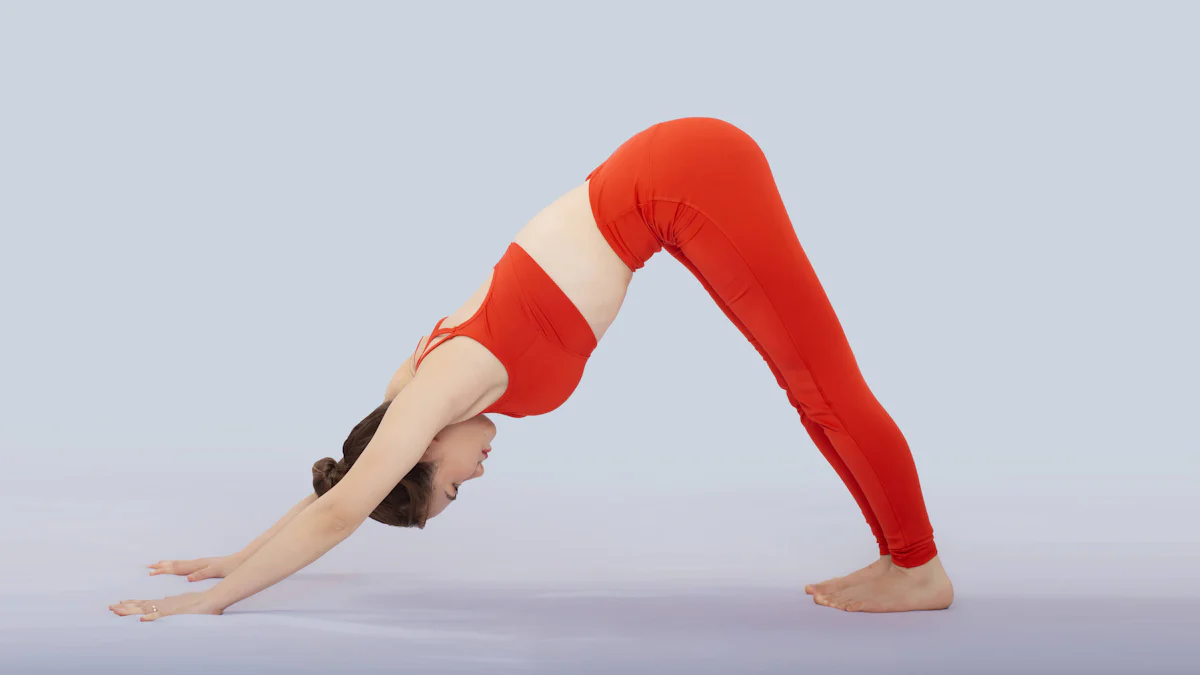
Supta Baddha Konasana (Reclining Bound Angle Pose)
Supta Baddha Konasana is a fantastic pose for relaxation and hormone balance. You lie on your back, bringing the soles of your feet together while allowing your knees to fall open. This gentle stretch opens your hips and promotes blood flow to your pelvic area. As you breathe deeply, you release tension and stress.
Research shows that practicing mindful yoga can lead to a significant reduction in testosterone levels, which is beneficial for managing PCOD symptoms. By incorporating this pose into your routine, you nurture your reproductive health and enhance your overall well-being.
Setu Bandhasana (Bridge Pose)
Setu Bandhasana, or Bridge Pose, strengthens your lower back and opens your chest. You lie on your back with your knees bent and feet flat on the floor. As you lift your hips towards the ceiling, you create a bridge with your body. This pose stimulates the thyroid gland, which plays a crucial role in hormone regulation.
Engaging in this pose can help alleviate anxiety and improve mood. A study published in the Journal of the American Osteopathic Association highlights how yoga helps balance hormone levels and reduce anxiety. By practicing Setu Bandhasana regularly, you can experience these benefits firsthand.
Viparita Karani (Legs-Up-the-Wall Pose)
Viparita Karani, or Legs-Up-the-Wall Pose, is a restorative pose that promotes relaxation. You simply lie on your back and extend your legs up against a wall. This position encourages blood circulation and helps relieve tension in your legs and lower back.
This pose also calms the nervous system, making it an excellent choice for stress relief. Regular practice can lead to improved physical function and hormone balance, essential for managing PCOD effectively.
Incorporating these poses into your yoga practice can significantly enhance your journey toward PCOD relief. Each pose offers unique benefits that contribute to hormonal balance, stress reduction, and overall well-being. So, roll out your mat and give them a try!
Bhujangasana (Cobra Pose)
Bhujangasana, or Cobra Pose, offers fantastic benefits for your body and mind. You start by lying face down on your mat. Place your hands under your shoulders and gently lift your chest while keeping your elbows close to your body. This pose stretches your abdomen and opens your chest, promoting better blood flow.
Practicing Cobra Pose can stimulate your reproductive organs, which is essential for managing PCOD. Research shows that mindful yoga can help balance hormone levels and reduce anxiety. By incorporating this pose into your routine, you nurture your hormonal health and enhance your overall well-being.
Paschimottanasana (Seated Forward Bend)
Paschimottanasana, or Seated Forward Bend, is another excellent pose for relieving PCOD symptoms. Sit on the floor with your legs extended in front of you. Inhale deeply, then exhale as you bend forward, reaching for your feet. This pose stretches your spine and hamstrings while calming your mind.
Engaging in this pose can help reduce stress and anxiety, which often accompany PCOD. A study published in the Journal of Complementary and Alternative Medical Research highlights how yoga can improve physical function and release stress. By practicing Paschimottanasana regularly, you can experience these benefits and support your journey toward hormonal balance.
Balasana (Child’s Pose)
Balasana, or Child’s Pose, is a restorative pose that promotes relaxation and stress relief. Kneel on your mat and sit back on your heels. Lower your torso forward, resting your forehead on the ground. Extend your arms in front of you or let them rest alongside your body. This gentle stretch calms your nervous system and helps you reconnect with your breath.
Practicing Child’s Pose can significantly reduce tension in your body. It encourages deep breathing, which lowers cortisol levels. Regular practice can lead to improved mental clarity and emotional stability. As you incorporate Balasana into your routine, you create a safe space for relaxation and healing.
Malasana (Garland Pose)
Malasana, or Garland Pose, is a wonderful way to open your hips and strengthen your pelvic floor. You start by squatting down with your feet flat on the ground. Bring your palms together at your heart center and press your elbows against your inner knees. This pose encourages deep breathing and helps you connect with your body.
Practicing Malasana can significantly benefit women with PCOD. It promotes blood circulation to the pelvic area, which is essential for reproductive health. Research shows that mindful yoga can lead to a remarkable reduction in testosterone levels. By incorporating this pose into your routine, you nurture your hormonal balance and enhance your overall well-being.
Here are some benefits of practicing Malasana:
Improves Flexibility: This pose stretches your hips, groin, and lower back, helping you gain flexibility over time.
Enhances Digestion: The squatting position can stimulate your digestive organs, promoting better digestion.
Reduces Stress: As you breathe deeply in this pose, you can release tension and stress, creating a calming effect on your mind.
So, roll out your mat and give Malasana a try. You might find it not only helps with your PCOD symptoms but also brings a sense of peace and relaxation.
Dhanurasana (Bow Pose)
Dhanurasana, or Bow Pose, is another fantastic addition to your yoga practice. You lie on your stomach and bend your knees, reaching back to grab your ankles. As you lift your chest and thighs off the ground, you create a bow shape with your body. This pose opens your chest and stretches your abdomen, promoting better blood flow.
Engaging in Dhanurasana can stimulate your reproductive organs, which is crucial for managing PCOD. A study published in the Journal of the American Osteopathic Association highlights how mindful yoga helps balance hormone levels and reduce anxiety. By practicing this pose regularly, you can experience these benefits firsthand.
Here’s what Dhanurasana can do for you:
Strengthens Your Back: This pose builds strength in your back muscles, improving your posture and reducing back pain.
Boosts Energy Levels: The stretch and lift can invigorate your body, leaving you feeling energized and refreshed.
Enhances Mood: As you open your heart in this pose, you may notice an uplift in your mood, helping to combat feelings of anxiety or depression.
Incorporate Dhanurasana into your routine and feel the positive effects on your body and mind. You might just find it becomes one of your favorite poses for PCOD relief!
Safety Considerations for Practicing Yoga
Listening to Your Body
When you practice yoga, always listen to your body. Each person’s body responds differently to poses. If you feel pain or discomfort, stop immediately. Yoga should never cause you pain. Instead, it should promote relaxation and well-being. Pay attention to how your body feels during each pose. If something doesn’t feel right, modify the pose or skip it altogether.
Remember, yoga is about connecting with yourself. You want to create a safe space for your practice. As Divya Rolla, a yoga expert, says, “Yoga helps release deeply stored stress in the system, which can help improve PCOS symptoms.” So, focus on what feels good for you.
Modifications for Beginners
If you’re new to yoga, don’t hesitate to make modifications. Many poses have variations that can make them more accessible. For example, if you struggle with balance in a standing pose, use a wall for support. You can also practice seated versions of standing poses.
Here are some tips for modifying poses:
Use Props: Blocks, straps, and blankets can help you achieve proper alignment without straining.
Take It Slow: Don’t rush through poses. Take your time to find the right position for your body.
Focus on Breath: Use your breath to guide your movements. Inhale as you prepare for a pose and exhale as you move into it.
Making these adjustments can enhance your practice and help you feel more comfortable. Remember, yoga is a personal journey. It’s about finding what works for you.
When to Avoid Certain Poses
Some situations may require you to avoid specific poses. If you experience severe pain, dizziness, or nausea, stop practicing immediately. Additionally, consult your doctor if you have any medical conditions or concerns before starting a yoga routine.
Certain poses may not be suitable for everyone. For example, if you have a history of back problems, avoid deep backbends like Dhanurasana (Bow Pose). Instead, focus on gentler stretches that promote flexibility without strain.
Always prioritize your safety. If you’re unsure about a pose, ask a qualified instructor for guidance. They can help you determine what’s best for your body.
By keeping these safety considerations in mind, you can enjoy a fulfilling and beneficial yoga practice. Embrace the journey, and remember that every step you take brings you closer to better health and well-being.
Complementary Lifestyle Changes
Nutrition and Diet
You can significantly impact your PCOD symptoms through your diet. Focus on whole, unprocessed foods. Incorporate plenty of fruits, vegetables, whole grains, and lean proteins into your meals. These foods provide essential nutrients that support hormonal balance.
Consider these dietary tips:
Limit Sugar Intake: High sugar levels can lead to insulin resistance, worsening PCOD symptoms. Opt for natural sweeteners like honey or maple syrup in moderation.
Choose Healthy Fats: Include sources of omega-3 fatty acids, such as fish, walnuts, and flaxseeds. These fats can help reduce inflammation and improve hormone function.
Stay Hydrated: Drink plenty of water throughout the day. Proper hydration supports overall health and can help manage cravings.
Recent literature shows that a balanced diet can decrease testosterone levels and alleviate anxiety and depression in women with PCOD. By making mindful food choices, you can nurture your body and support your yoga practice.
Regular Exercise
Engaging in regular exercise is crucial for managing PCOD. All forms of exercise, including yoga, have proven effective in alleviating symptoms. Aim for at least 30 minutes of physical activity most days of the week.
Consider these exercise options:
Yoga: Incorporate specific poses that target reproductive health. Poses like Supta Baddha Konasana and Malasana can enhance blood circulation and promote relaxation.
Cardio: Activities like walking, jogging, or cycling can help improve insulin sensitivity and support weight management.
Strength Training: Building muscle through resistance exercises can boost your metabolism and help regulate hormones.
Various scientific studies back the impact of a dedicated yoga practice on managing PCOD. Regular exercise not only helps with weight control but also reduces stress levels, which is vital for your overall well-being.
Stress Management Techniques
Managing stress is essential for women with PCOD. High stress levels can exacerbate symptoms, so finding effective ways to relax is crucial.
Here are some techniques to consider:
Meditation: Spend a few minutes each day practicing mindfulness. This can help calm your mind and reduce anxiety.
Deep Breathing: Incorporate deep breathing exercises into your routine. Focus on inhaling deeply through your nose and exhaling slowly through your mouth.
Yoga: As you already know, yoga serves as a powerful tool for stress reduction. Certain poses promote relaxation and help you reconnect with your body.
Practo Healthfeed emphasizes that stress reduction activities, like meditation and yoga, can significantly lower the effects of PCOD. By prioritizing stress management, you create a healthier environment for your body to thrive.
Incorporating these complementary lifestyle changes can enhance your journey toward PCOD relief. You’ll find that a balanced diet, regular exercise, and effective stress management techniques work together to support your overall health and well-being.
Integrating Yoga into Your Daily Routine
Setting a Consistent Schedule
Creating a consistent yoga schedule can make a big difference in your practice. Aim to set aside time each day or week for your yoga sessions. Whether you prefer mornings or evenings, find a time that works best for you. Consistency helps your body adapt and reap the benefits of yoga.
Here are some tips to help you establish a routine:
Start Small: If you're new to yoga, begin with just 10-15 minutes a day. Gradually increase the duration as you become more comfortable.
Use Reminders: Set reminders on your phone or calendar. This will help you stay committed to your practice.
Be Flexible: Life can get busy. If you miss a session, don’t stress. Just get back on track the next day.
By sticking to a schedule, you’ll create a habit that supports your journey toward PCOD relief.
Creating a Comfortable Practice Space
Your practice space should feel inviting and calming. A comfortable environment can enhance your yoga experience. Choose a quiet area in your home where you can focus without distractions.
Consider these elements when setting up your space:
Clean and Declutter: A tidy space promotes relaxation. Remove any clutter that might distract you during your practice.
Add Comfort: Use a yoga mat, cushions, or blankets to make your practice more comfortable. You want to feel at ease while you move through your poses.
Incorporate Nature: If possible, practice near a window or outside. Natural light and fresh air can uplift your mood and enhance your experience.
Creating a dedicated space for yoga encourages you to practice regularly. As Divya Rolla, a yoga expert, says, “Yoga is one of the key unlocks in helping reverse this condition.” A peaceful environment can help you connect with your body and mind.
Finding Community Support
Connecting with others who share your interest in yoga can provide motivation and encouragement. Look for local classes or online communities focused on yoga for PCOD. Engaging with others can enhance your practice and keep you accountable.
Here are some ways to find support:
Join Classes: Look for yoga studios or community centers that offer classes tailored for women with PCOD. Participating in a group can make your practice more enjoyable.
Online Communities: Explore social media groups or forums dedicated to yoga and PCOD. Sharing experiences and tips with others can be incredibly helpful.
Buddy Up: Invite a friend to join you in your practice. Having a workout buddy can make yoga more fun and keep you motivated.
Finding community support can enrich your yoga journey. You’ll discover new poses, share challenges, and celebrate successes together. Remember, you’re not alone in this journey. Embrace the power of connection as you work toward better health and well-being.
Yoga offers a holistic approach to managing PCOD symptoms. You can experience significant improvements in both physical and mental health by incorporating specific poses into your routine. Start your journey with PCOD yoga today. Embrace the lifestyle changes that come with it. You’ll find that regular practice not only alleviates symptoms but also enhances your overall well-being. So, roll out your mat and take that first step toward a healthier you!
FAQ
What is PCOD, and how does it affect women?
PCOD, or Polycystic Ovary Disease, affects many women by disrupting hormone levels. This condition can lead to irregular menstrual cycles, weight gain, and fertility challenges. Understanding PCOD helps you manage its symptoms effectively.
Can yoga really help with PCOD symptoms?
Absolutely! Yoga serves as a powerful tool for managing PCOD symptoms. Regular practice can improve insulin sensitivity, reduce stress levels, and help maintain a healthy weight. These factors contribute to better hormonal balance and overall well-being.
How often should I practice yoga for PCOD relief?
Aim for at least three sessions per week. Research shows that practicing mindful yoga for an hour, three times a week, can lead to significant improvements in hormone levels, including a remarkable reduction in testosterone levels.
Are there specific yoga poses that are best for PCOD?
Yes! Poses like Supta Baddha Konasana, Setu Bandhasana, and Malasana target reproductive health and promote relaxation. Each pose offers unique benefits that contribute to hormonal balance and stress reduction.
Is it safe to practice yoga if I have PCOD?
Yes, practicing yoga is generally safe for women with PCOD. However, always listen to your body. If you feel pain or discomfort, modify the pose or skip it altogether. Consult your doctor if you have any medical concerns before starting a yoga routine.
Can yoga help reduce anxiety and depression related to PCOD?
Definitely! Studies indicate that yoga can alleviate symptoms of anxiety and depression. Regular practice promotes relaxation and mindfulness, which can significantly improve your mental health.
Should I combine yoga with other lifestyle changes for better results?
Yes, combining yoga with a balanced diet and regular exercise enhances your results. Focus on whole foods, limit sugar intake, and engage in physical activity to support your yoga practice and manage PCOD symptoms effectively.
How long will it take to see results from practicing yoga?
Results can vary from person to person. Some women notice improvements in their symptoms within a few weeks, while others may take longer. Consistency is key, so stick with your practice for the best results.
Can beginners practice yoga for PCOD?
Absolutely! Beginners can benefit from yoga too. Start with gentle poses and gradually progress to more challenging ones. Modify poses as needed and focus on your breath to create a comfortable practice.
Where can I find community support for practicing yoga?
Look for local yoga classes or online communities focused on PCOD. Engaging with others who share your interest can provide motivation and encouragement. You’re not alone in this journey, so embrace the power of connection!
See Also
Simple Yoga Poses for Managing Diabetes Effectively
Essential Yoga Poses for Enhancing Prostate Wellness
Effective Yoga Poses for Alleviating Sinus Discomfort

Hi my name is Lia and i am your host in this yoga journey in Portugal, Subscribe to our newsletter to receive every week the best of Yoga in Portugal.

We bring back the importance of initiation into womanhood by Roos-Veerle Krijnen & Ella-June Henrard
Welcome to the Women’s Initiation Retreat by Naked Truth Retreats, a transformative journey into the depths of your True Feminine Nature. This retreat invites you to remember the sacredness and wholeness of your being.
Roos-Veerle Krijnen & Ella-June Henrard