Effective Yoga Moves to Relieve Constipation

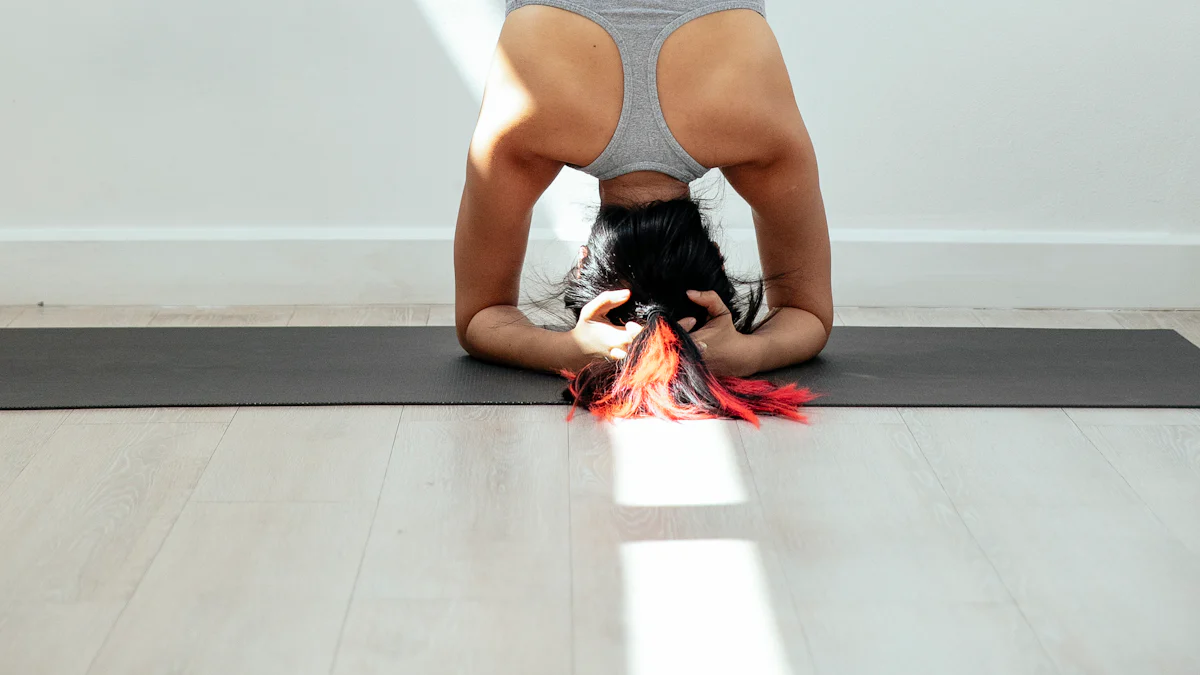
Yoga moves for constipation offer a natural way to ease discomfort and promote digestive health. Specific poses stimulate your internal organs, enhancing bowel movements and reducing bloating. Practicing these poses safely is crucial. Always listen to your body and modify as needed. With regular practice, you can experience significant relief from constipation and improve your overall well-being.
Key Takeaways
Incorporate specific yoga poses like Cat-Cow Stretch and Wind-Relieving Pose into your routine to stimulate digestion and relieve constipation.
Focus on deep, mindful breathing during yoga to activate the 'rest and digest' response, enhancing your digestive health.
Regular yoga practice can significantly reduce stress, which is crucial for maintaining a healthy digestive system.
Stay hydrated and consume a fiber-rich diet to support your yoga practice and improve bowel movements.
Always listen to your body and modify poses as needed to ensure a safe and effective yoga experience.
Create a comfortable and peaceful environment for your yoga practice to enhance relaxation and connection with your body.
Aim to practice yoga at least three times a week for optimal digestive health and relief from constipation.
The Science Behind Yoga and Digestion
How Yoga Affects the Digestive System
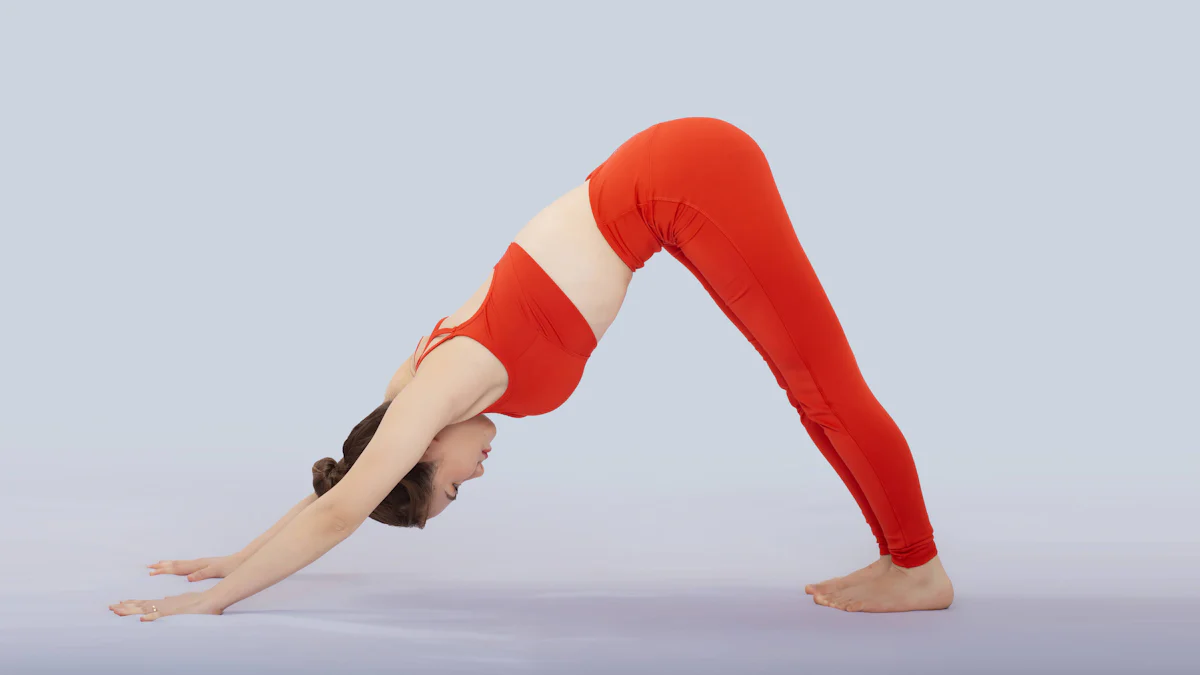
Yoga moves for constipation can significantly enhance your digestive health. When you practice yoga, you stimulate your internal organs. This stimulation improves gut motility, which means your intestines work more efficiently. Research shows that yoga promotes healthy bowel movements and helps eliminate toxins from your body. By incorporating specific poses into your routine, you can support your digestive system and reduce discomfort.
The Role of Breath in Digestion
Breathing plays a crucial role in digestion. When you focus on your breath during yoga, you activate the parasympathetic nervous system. This system encourages the "rest and digest" response, which helps your body relax and digest food more effectively. Deep, mindful breathing increases oxygen flow to your organs, enhancing their function. As you inhale and exhale deeply, you create space in your abdomen, allowing your digestive organs to work without restriction.
Stress Reduction and Its Impact on Constipation
Stress can wreak havoc on your digestive system. High stress levels often lead to constipation and other digestive issues. Yoga helps reduce stress through physical movement and mindfulness. By practicing yoga regularly, you can lower your stress levels and promote relaxation. Studies indicate that yoga not only alleviates stress but also improves gut health by balancing the gut microbiome. This balance is essential for proper digestion and regular bowel movements.
Yoga Poses for Constipation Relief

Cat-Cow Stretch
Start on your hands and knees in a tabletop position. This pose warms up your spine and stimulates your digestive organs. As you inhale, arch your back, lift your head and tailbone towards the ceiling. This is the "Cow" position. Then, as you exhale, round your spine, tuck your chin to your chest, and draw your belly button towards your spine. This is the "Cat" position. Repeat this flow for several breaths. This gentle movement massages your abdominal organs and encourages bowel movement.
Health Professionals emphasize that "this yoga pose can relieve constipation and improve digestive health." The Cat-Cow stretch opens up your chest, neck, hips, and shoulders, promoting a sense of mental clarity.
Seated Forward Bend
Sit with your legs extended straight in front of you. Inhale deeply, reaching your arms overhead. As you exhale, hinge at your hips and fold forward, reaching for your feet or shins. Keep your spine long and relax into the stretch. Hold this position for several breaths. This pose stretches your lower back and hamstrings while compressing your abdomen, which can stimulate digestion.
According to Yoga Instructors, "various yoga poses and stretches can help with constipation." The Seated Forward Bend specifically helps to lengthen your spine and create space in your abdomen, making it easier for your digestive system to function.
Wind-Relieving Pose
Lie on your back and bring your knees to your chest. Wrap your arms around your shins and gently pull your knees closer. You can rock side to side to massage your lower back. This pose targets the lower abdominal region, helping your body expel waste and gas. Hold this position for a few breaths, feeling the gentle pressure on your abdomen.
Health Professionals note that "yoga excels at relieving and preventing constipation." The Wind-Relieving Pose specifically targets the lower abdominal area, promoting healthy digestion and easing discomfort.
Incorporating these yoga moves for constipation into your routine can provide significant relief. Each pose offers unique benefits that support your digestive health.
Supine Spinal Twist
The Supine Spinal Twist is a fantastic pose for relieving constipation. Lie on your back and draw your knees toward your chest. Let your arms rest out to the sides, palms facing down. Slowly drop your knees to one side while keeping your shoulders flat on the ground. Hold this position for several breaths, then switch sides. This gentle twist massages your abdominal organs and encourages the movement of waste through your intestines.
Health Professionals emphasize that "yoga excels at relieving and preventing constipation." The Supine Spinal Twist specifically helps stimulate digestion by promoting blood flow to the abdominal area. This increased circulation can ease discomfort and support healthy bowel movements.
Child’s Pose
Child’s Pose is another excellent option for constipation relief. Start by kneeling on the floor, then sit back on your heels. Reach your arms forward and lower your torso between your thighs. Relax your forehead on the ground and breathe deeply. This pose stretches your back and abdomen, creating space for your digestive organs to function properly.
According to Yoga Instructors, "various yoga poses and stretches can help with constipation." Child’s Pose not only calms your mind but also helps relieve tension in your body. This relaxation can significantly improve your digestive health.
Incorporating these yoga moves for constipation into your routine can provide you with effective relief. Each pose offers unique benefits that support your digestive system and overall well-being.
Tips for Practicing Yoga Safely and Effectively
Importance of Warm-Up
Before diving into your yoga routine, always warm up. Warming up prepares your body for movement and helps prevent injuries. Start with gentle stretches or simple poses to get your blood flowing. You can try some neck rolls, shoulder shrugs, or even a few minutes of deep breathing. These actions increase flexibility and make your practice more enjoyable. Remember, a proper warm-up sets the tone for a successful session.
Listening to Your Body
Your body knows best. Pay attention to how you feel during each pose. If something doesn’t feel right, don’t push through the discomfort. Modify the pose or take a break. Yoga should never cause pain. Instead, it should bring relief and relaxation. As Monal, a yoga instructor, says, "Here, learn the benefits of practicing yoga for constipation and the best poses to try when your digestive system is in need of relief." Trust your instincts and adjust your practice to suit your needs.
Creating a Comfortable Space
Your environment plays a big role in your yoga practice. Find a quiet, comfortable space where you can focus. Make sure you have enough room to move freely. Consider using a yoga mat for added comfort and stability. Dim the lights or play soft music if that helps you relax. A peaceful atmosphere allows you to connect with your body and mind. This connection enhances the benefits of yoga, especially when you aim for relief from constipation.
Lifestyle Changes to Support Yoga Practice
Hydration and Diet
Staying hydrated is key to keeping your digestive system running smoothly. Water helps soften stool, making it easier to pass. Aim for at least eight glasses of water a day. You can also include hydrating foods like cucumbers, oranges, and watermelon in your diet. These foods not only provide hydration but also add fiber, which is essential for digestion.
A balanced diet rich in fruits, vegetables, whole grains, and legumes can significantly improve your digestive health. Foods high in fiber promote regular bowel movements. Consider adding beans, lentils, and leafy greens to your meals. These changes can enhance the effectiveness of your yoga practice and help relieve constipation.
Nutritionists recommend that "a diet rich in fiber and hydration can support your digestive health." By making these dietary adjustments, you can create a solid foundation for your yoga practice.
Regular Physical Activity
Incorporating regular physical activity into your routine can boost your digestive health. Aim for at least 30 minutes of moderate exercise most days of the week. Activities like walking, jogging, or cycling can stimulate your intestines and promote bowel movements.
Yoga itself is a fantastic way to stay active. The combination of movement and stretching helps massage your internal organs. This gentle stimulation encourages digestion and can alleviate constipation.
Fitness experts emphasize that "staying active is crucial for maintaining a healthy digestive system." By combining yoga with other forms of exercise, you can maximize your digestive benefits.
Mindfulness and Stress Management
Managing stress is vital for your overall health, including your digestive system. High stress levels can lead to constipation and other digestive issues. Practicing mindfulness techniques, such as meditation or deep breathing, can help you relax.
When you practice yoga, you naturally incorporate mindfulness. Focus on your breath and the sensations in your body. This awareness can reduce stress and promote better digestion.
Mental health professionals suggest that "mindfulness practices can significantly improve your digestive health." By prioritizing relaxation, you create a supportive environment for your body to function optimally.
Making these lifestyle changes can enhance your yoga practice and support your digestive health. Remember, small adjustments can lead to significant improvements in how you feel.
Yoga moves for constipation offer you a natural way to relieve discomfort and enhance your digestive health. By incorporating these poses into your routine, you can experience improved gut motility and reduced stress levels. Remember, a holistic approach to digestive health includes not just yoga but also hydration, a balanced diet, and regular physical activity. Embrace these practices, and you'll support your body in achieving optimal digestive function.
FAQ
What yoga poses are best for relieving constipation?
You can try several effective yoga poses to relieve constipation. Some of the best include:
Cat-Cow Stretch: This pose warms up your spine and stimulates your digestive organs.
Seated Forward Bend: It stretches your lower back and compresses your abdomen, promoting digestion.
Wind-Relieving Pose: This pose targets your lower abdomen, helping expel waste and gas.
Supine Spinal Twist: It massages your abdominal organs and encourages waste movement.
Child’s Pose: This pose calms your mind and stretches your abdomen, creating space for digestion.
How does yoga help with digestion?
Yoga helps digestion by stimulating your internal organs responsible for digestion and elimination. The combination of stretching, compression, and twisting in yoga poses massages your digestive system. This action increases blood flow to the area, enhancing overall digestive function.
Can yoga really relieve constipation quickly?
Yes, yoga can provide quick relief from constipation. A 2016 study showed that participants experienced significant reductions in physical discomfort after just one week of practicing yoga. Gentle movements and controlled breathing techniques make yoga an ideal remedy for those seeking natural relief.
How often should I practice yoga for constipation relief?
Aim to practice yoga at least three times a week for the best results. A small study found that participants who completed three yoga sessions a week for three months showed significant improvements in constipation-related quality of life. Consistency is key to reaping the benefits.
Is there a specific breathing technique I should use during yoga?
Yes, focus on deep, mindful breathing during your yoga practice. Controlled breathing activates the parasympathetic nervous system, promoting relaxation and enhancing digestion. Inhale deeply through your nose and exhale slowly through your mouth. This technique helps create space in your abdomen, allowing your digestive organs to function optimally.
Can stress affect my digestion?
Absolutely! High stress levels can lead to constipation and other digestive issues. Yoga helps reduce stress through physical movement and mindfulness. By practicing yoga regularly, you can lower your stress levels and promote relaxation, which is essential for healthy digestion.
Should I modify poses if I feel discomfort?
Yes, always listen to your body. If a pose causes discomfort, modify it or take a break. Yoga should bring relief and relaxation, not pain. Trust your instincts and adjust your practice to suit your needs.
Can I do yoga if I have a medical condition?
If you have a medical condition, consult your healthcare provider before starting any new exercise routine, including yoga. They can guide you on which poses are safe and appropriate for your situation.
What lifestyle changes can support my yoga practice for constipation?
In addition to yoga, consider these lifestyle changes:
Stay Hydrated: Drink plenty of water to keep your digestive system running smoothly.
Eat a Balanced Diet: Include fiber-rich foods like fruits, vegetables, and whole grains.
Stay Active: Incorporate regular physical activity into your routine to stimulate digestion.
Practice Mindfulness: Engage in stress management techniques to support your digestive health.
How long should I hold each yoga pose for constipation relief?
Hold each yoga pose for about 5 to 10 breaths. This duration allows you to fully experience the benefits of each pose and promotes relaxation in your body.
See Also
10 Difficult Yoga Poses Perfect for Couples
Starting Your Easy Yoga Practice: A Beginner's Guide
12 Fun Yoga Poses Kids Can Do at Home

Hi my name is Lia and i am your host in this yoga journey in Portugal, Subscribe to our newsletter to receive every week the best of Yoga in Portugal.

We bring back the importance of initiation into womanhood by Roos-Veerle Krijnen & Ella-June Henrard
Welcome to the Women’s Initiation Retreat by Naked Truth Retreats, a transformative journey into the depths of your True Feminine Nature. This retreat invites you to remember the sacredness and wholeness of your being.
Roos-Veerle Krijnen & Ella-June Henrard