Top Yoga Poses to Shed Extra Weight

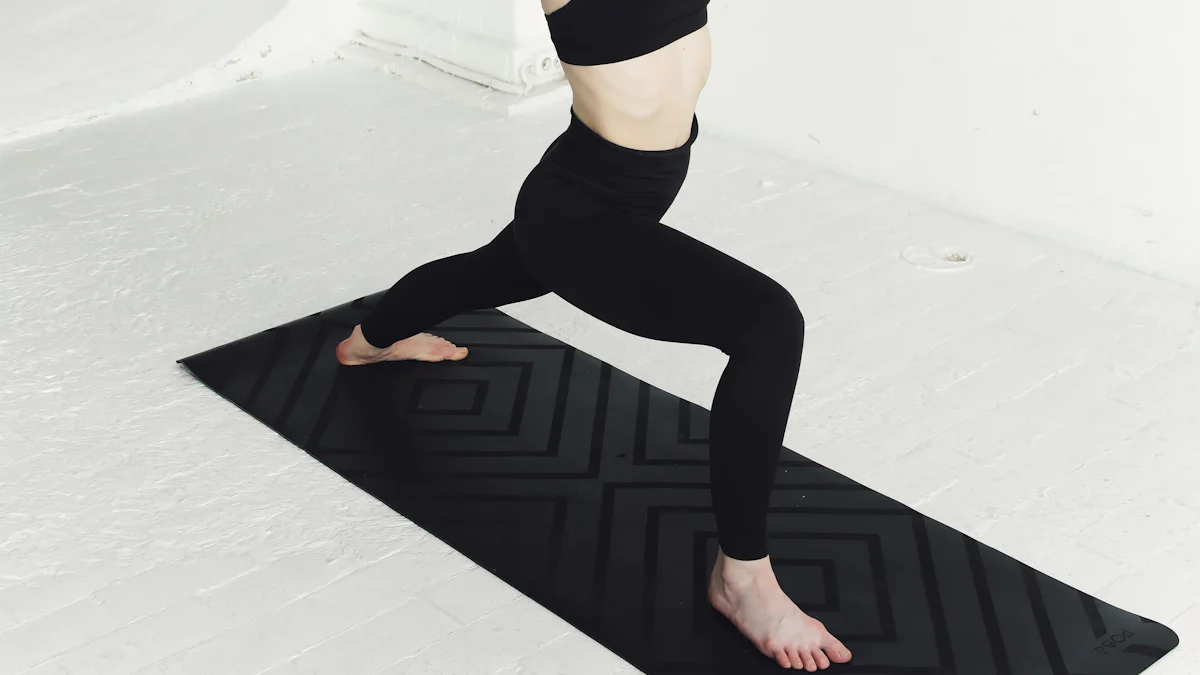
Yoga offers a holistic approach to weight loss by combining physical activity with mindfulness. It helps you burn calories, improve flexibility, and build strength. Regular practice encourages healthier eating habits by fostering awareness of your body's needs. Stress, a common barrier to weight loss, reduces significantly through yoga's calming techniques. Studies also show that yoga supports sustainable weight loss by promoting positive lifestyle changes. Accessible to all fitness levels, weight reducing yoga can be tailored to suit your abilities, making it an enjoyable and effective way to achieve your goals.
Key Takeaways
Yoga combines physical activity with mindfulness, making it an effective approach for sustainable weight loss.
Practising dynamic styles like Ashtanga and Power Vinyasa can significantly boost calorie burning and improve overall fitness.
Mindfulness developed through yoga enhances your awareness of hunger cues, promoting healthier eating habits and reducing emotional eating.
Regular yoga practice helps lower stress levels, which can decrease cortisol production and support weight management.
Incorporate key poses like Chair Pose, Warrior Pose, and Sun Salutations into your routine to strengthen muscles and increase metabolism.
Aim to practise yoga at least three to five times a week for optimal results, gradually increasing session duration as your strength improves.
Create a comfortable practice space and listen to your body to ensure a safe and enjoyable yoga experience.
Why Yoga is Effective for Weight Loss
Yoga offers more than just physical exercise. It combines movement, mindfulness, and breathing techniques to create a holistic approach to weight management. By practising weight reducing yoga, you can burn calories, develop healthier eating habits, and reduce stress levels. These factors work together to support sustainable weight loss.
Weight Reducing Yoga and Calorie Burning
Weight reducing yoga involves poses that engage multiple muscle groups, increasing your heart rate and burning calories. Dynamic styles like Ashtanga and Power Vinyasa are particularly effective. These vigorous practices keep your body moving, helping you shed extra weight. For example, Sun Salutations (Surya Namaskar) serve as a full-body workout. This sequence warms up your muscles, improves flexibility, and boosts calorie expenditure.
Even slower-paced yoga styles contribute to weight loss. Holding poses such as Plank Pose (Phalakasana) builds core strength and endurance. Stronger muscles increase your resting metabolic rate, allowing you to burn more calories even when not exercising. Regular practice of weight reducing yoga can transform your body into a more efficient calorie-burning machine.
Mindfulness and Healthy Eating Habits
Yoga enhances mindfulness, which plays a crucial role in weight management. When you practise yoga, you become more aware of your body’s needs and signals. This awareness extends to your eating habits. You start recognising hunger cues and distinguishing between emotional cravings and genuine hunger.
Studies from Harvard Medical School reveal that yoga encourages mindful eating. Over time, this leads to a healthier relationship with food. You may find yourself eating slower, savouring each bite, and choosing nutritious options. This shift reduces overeating and supports long-term weight loss.
Mindfulness also helps you break free from unhealthy eating patterns. Stress eating, a common obstacle to weight loss, diminishes as you practise yoga. By focusing on your breath and movements, you learn to manage emotions without turning to food for comfort.
Stress Reduction and Hormonal Balance
Stress often triggers weight gain by increasing cortisol levels, a hormone linked to fat storage. Yoga combats this by promoting relaxation and reducing stress. Deep breathing exercises and meditation calm your mind, lowering cortisol production. As stress decreases, your body finds it easier to shed excess weight.
Yoga also supports hormonal balance, which is essential for weight management. Poses like Bridge Pose (Setu Bandha Sarvangasana) stimulate the thyroid gland, improving metabolism. A balanced hormonal system ensures that your body processes food efficiently and maintains a healthy weight.
In addition to physical benefits, yoga fosters a sense of community and emotional well-being. Feeling supported and motivated can make your weight loss journey more enjoyable and sustainable.
Top Weight Reducing Yoga Poses
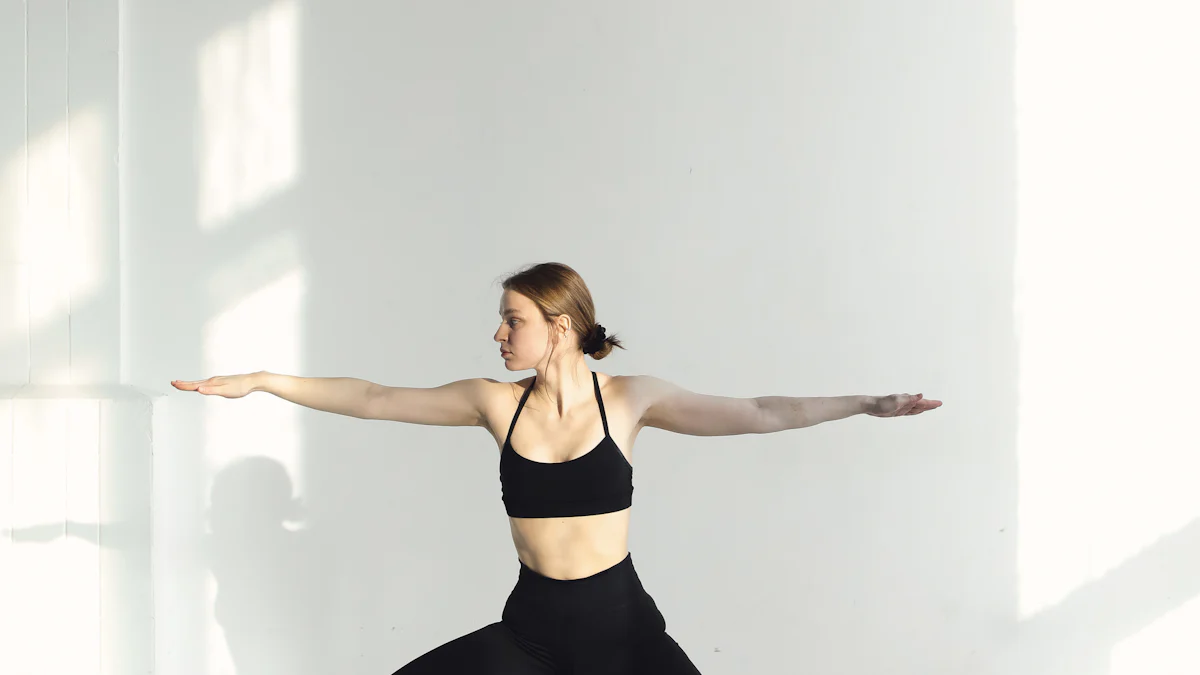
Chair Pose (Utkatasana)
Chair Pose, or Utkatasana, is a dynamic posture that challenges your strength and endurance. By mimicking the act of sitting in an invisible chair, you engage your quadriceps, glutes, and core muscles. This pose not only tones these areas but also elevates your heart rate, making it an effective calorie-burning exercise. To perform this pose, stand with your feet together, bend your knees, and lower your hips as if sitting back into a chair. Extend your arms overhead, keeping your back straight and your chest lifted.
Holding Chair Pose for 30 seconds to one minute can significantly boost your stamina. Steady breathing during the pose helps you maintain balance and focus. As you practise regularly, you will notice improved muscle strength and endurance. This pose is a cornerstone of weight reducing yoga, offering both physical and mental benefits.
Warrior Pose (Virabhadrasana)
Warrior Pose, particularly Warrior II (Virabhadrasana II), is a powerful asana that strengthens your legs, arms, and core. This pose also enhances balance and concentration. To practise Warrior II, step one foot back, bend the front knee, and extend your arms parallel to the ground. Sink deeper into the lunge to intensify the stretch and engage your muscles further.
Yoga Guru Himalayan Siddhaa Akshar explains, "Warrior II pose strengthens the legs, arms, and core muscles while improving balance and concentration. By holding the posture and engaging the muscles, you can increase calorie burn and tone your thighs and glutes."
This pose is highly effective for toning the thighs, hips, and shoulders. Regular practice helps you build endurance and burn calories, making it an essential part of your weight reducing yoga routine.
Boat Pose (Navasana)
Boat Pose, or Navasana, targets your abdominal muscles and improves core strength. This pose requires you to balance on your sit bones while lifting your legs and extending your arms forward. The effort to maintain this position engages your entire core, helping you tone your abs and improve stability.
To perform Boat Pose, sit on the floor with your knees bent and feet flat. Lean back slightly, lift your feet off the ground, and straighten your legs to form a "V" shape with your body. Extend your arms parallel to the floor, keeping your back straight. Hold the pose for 20 to 30 seconds, gradually increasing the duration as your strength improves.
Boat Pose not only strengthens your core but also enhances your posture and balance. Incorporating this pose into your routine supports your weight loss journey by building muscle and boosting your metabolism.
Sun Salutations (Surya Namaskar)
Sun Salutations, or Surya Namaskar, form a dynamic sequence of poses that engage your entire body. This series combines forward bends, backbends, and stretches, creating a full-body workout. Each movement flows seamlessly into the next, synchronised with your breath. This practice not only warms up your muscles but also boosts your heart rate, making it an excellent calorie-burning exercise.
To perform Sun Salutations, start in Mountain Pose (Tadasana). Raise your arms overhead, then fold forward into a standing forward bend. Step back into Plank Pose, lower into a push-up position, and transition into Upward-Facing Dog. Move into Downward-Facing Dog before stepping forward and returning to Mountain Pose. Repeat this sequence 5 to 10 times for maximum benefits.
Regular practice of Sun Salutations improves flexibility, strengthens your muscles, and enhances cardiovascular health. It also helps you build stamina and endurance, which are essential for weight loss. By incorporating this sequence into your routine, you can experience the transformative effects of weight reducing yoga.
Plank Pose (Phalakasana)
Plank Pose, or Phalakasana, is a simple yet powerful posture that targets your core muscles. This pose requires you to hold your body in a straight line, engaging your abs, shoulders, and back. The effort to maintain this alignment builds strength and endurance, which supports your weight loss journey.
To practise Plank Pose, start in a push-up position with your hands directly under your shoulders. Keep your body straight from head to heels, avoiding any sagging or arching in your back. Hold this position for 20 to 30 seconds, gradually increasing the duration as your strength improves.
Plank Pose not only strengthens your core but also boosts your metabolism. Stronger muscles burn more calories, even at rest. This pose also improves your posture and balance, making it a valuable addition to your weight reducing yoga routine.
Triangle Pose (Trikonasana)
Triangle Pose, or Trikonasana, combines strength, flexibility, and balance in one posture. This pose stretches your legs, hips, and spine while strengthening your core and lower body. It also improves your balance and stability, which are crucial for overall fitness.
To perform Triangle Pose, stand with your feet wide apart. Turn one foot outwards and extend your arms parallel to the ground. Reach forward with one hand and lower it to your shin, ankle, or the floor, depending on your flexibility. Extend your other arm upwards, forming a straight line with your arms. Hold the pose for 20 to 30 seconds before switching sides.
Practising Triangle Pose regularly tones your thighs and hips while enhancing your flexibility. It also stimulates your digestive system, aiding in weight management. This pose is a cornerstone of weight reducing yoga, offering both physical and mental benefits.
Bridge Pose (Setu Bandha Sarvangasana)
Bridge Pose, or Setu Bandha Sarvangasana, is a versatile yoga posture that offers numerous benefits for weight loss and overall well-being. This pose strengthens your glutes, hamstrings, and lower back while also stimulating your thyroid gland, which plays a key role in regulating metabolism. By practising this pose regularly, you can tone your body and support your weight management goals.
To perform Bridge Pose, lie on your back with your knees bent and feet flat on the ground, hip-width apart. Place your arms alongside your body, palms facing down. Press your feet and arms into the floor as you lift your hips towards the ceiling. Keep your thighs parallel and engage your glutes to hold the position. Maintain steady breathing and hold the pose for 20 to 30 seconds before gently lowering your hips back to the ground.
"Bridge Pose not only tones the glutes but also enhances digestion and boosts thyroid function," as highlighted by yoga practitioners. This makes it an excellent addition to your weight reducing yoga routine.
The benefits of Bridge Pose extend beyond physical toning. It improves blood circulation, which helps energise your body and reduce fatigue. The gentle inversion created by lifting your hips also calms your nervous system, reducing stress and promoting relaxation. This stress relief contributes to hormonal balance, further aiding in weight loss.
Incorporating Bridge Pose into your practice can also enhance your flexibility and spinal health. As you lift your hips, you stretch your chest, neck, and spine, which helps release tension and improve posture. Over time, this pose can increase your range of motion and make other yoga postures more accessible.
For beginners, start with a modified version by placing a yoga block under your sacrum for support. This allows you to experience the benefits of the pose without straining your muscles. As your strength and confidence grow, you can progress to holding the full pose for longer durations.
Bridge Pose is a holistic posture that combines strength, flexibility, and relaxation. By including it in your yoga routine, you can work towards a healthier, more balanced body while enjoying the calming effects of this powerful asana.
How Often to Practise Yoga for Weight Loss
Consistency plays a vital role in achieving your weight loss goals through yoga. Establishing a regular practice schedule ensures that you maximise the physical and mental benefits of weight reducing yoga. The frequency of your sessions depends on your fitness level, goals, and lifestyle.
Recommended Frequency for Weight Reducing Yoga
To see noticeable results, aim to practise yoga at least three to five times a week. This frequency allows your body to adapt to the poses, build strength, and burn calories effectively. Beginners can start with shorter sessions, such as 20 to 30 minutes, and gradually increase the duration as their stamina improves.
Dynamic sequences like Sun Salutations (Surya Namaskar) are particularly effective for weight loss. Performing 10 to 15 rounds daily can kickstart your journey by engaging multiple muscle groups and boosting your heart rate. Research shows that practising Sun Salutations for 30 minutes can burn approximately 230 calories, making it a powerful addition to your routine. For those seeking a more intense workout, increasing the pace of these sequences can significantly enhance energy expenditure.
Incorporating a mix of vigorous styles, such as Power Vinyasa or Ashtanga, alongside slower-paced sessions ensures a balanced approach. Vigorous styles help burn calories, while slower sessions focus on mindfulness and recovery. This combination supports sustainable weight loss and overall well-being.
Tips for Staying Consistent
Maintaining a consistent yoga practice can be challenging, especially with a busy schedule. However, adopting simple strategies can help you stay on track:
Set Clear Goals
Define your objectives, whether it’s shedding extra weight, improving flexibility, or reducing stress. Clear goals keep you motivated and focused.Create a Routine
Practise yoga at the same time each day to establish a habit. Morning sessions energise you for the day, while evening sessions help you unwind.Start Small
Begin with manageable sessions and gradually increase the intensity and duration. Overcommitting can lead to burnout, so it’s essential to pace yourself.Track Your Progress
Keep a journal to record your sessions, poses, and improvements. Tracking progress boosts motivation and helps you stay consistent.Join a Community
Practising with others fosters accountability and provides support. Online classes or local yoga groups can help you stay engaged.Celebrate Milestones
Acknowledge your achievements, no matter how small. Celebrating progress reinforces positive behaviour and keeps you motivated.
Consistency doesn’t mean perfection. Missing a session occasionally is normal. What matters is your commitment to return to your practice and continue working towards your goals. By integrating yoga into your lifestyle, you can enjoy its transformative effects on your body and mind.
Tips for Beginners
Start Slow and Focus on Form
Starting your yoga journey can feel overwhelming, but taking it slow ensures a strong foundation. Focus on learning the correct form for each pose rather than rushing through sequences. Proper alignment not only prevents injuries but also maximises the benefits of each posture.
For example, when practising poses like Chair Pose (Utkatasana) or Plank Pose (Phalakasana), pay attention to your posture. Engage your core, keep your back straight, and follow your instructor’s guidance. If you are unsure about your form, consider using a mirror or attending beginner-friendly classes.
Pooja, a yoga enthusiast, began her journey with simple poses and prioritised form over speed. She transformed her lifestyle and achieved remarkable results, shedding 25 kilograms over time. Her story highlights the importance of patience and consistency in yoga practice. Remember, progress comes with time, so focus on mastering the basics first.
Listen to Your Body
Yoga is a personal journey, and every individual’s body responds differently. Pay attention to how your body feels during each session. If a pose feels uncomfortable or causes pain, modify it or take a break. Pushing yourself too hard can lead to injuries and hinder your progress.
Instead of comparing yourself to others, celebrate your unique abilities. Yoga is not about perfection; it’s about growth and self-awareness. As you practise regularly, you will notice improvements in strength, flexibility, and balance. Trust your body’s signals and allow it to guide your practice.
“Yoga teaches you to listen to your body and respect its limits,” says many experienced practitioners. This mindfulness fosters a deeper connection with yourself and supports long-term success in your yoga journey.
Create a Comfortable Practice Space
Your environment plays a significant role in your yoga experience. A comfortable and distraction-free space helps you focus and enjoy your practice. Choose a quiet area with enough room to stretch and move freely. Use a yoga mat for support and stability, and keep essentials like water and a towel nearby.
Lighting and ambience can also enhance your practice. Soft lighting or natural sunlight creates a calming atmosphere. Adding elements like candles, incense, or soothing music can make your space more inviting.
If you practise at home, inform your family or housemates about your yoga schedule to minimise interruptions. A dedicated space and time for yoga help you establish a routine and stay consistent. Over time, this space becomes a sanctuary where you can relax, recharge, and work towards your goals.
Yoga offers a powerful combination of calorie burning, mindfulness, and stress reduction, making it an effective tool for weight loss. Regular practice not only strengthens your body but also fosters healthier habits and emotional well-being. Studies, such as one from 2016, highlight how yoga supports sustainable weight loss by encouraging positive lifestyle changes.
Consistency and patience are key to achieving your goals. Practising yoga regularly helps you build strength, improve flexibility, and develop a deeper connection with your body. Start your yoga journey today and embrace it as a sustainable path towards a healthier, balanced lifestyle.
See Also
Discover How Yoga Aids In Weight Reduction
Seven Yoga Asanas To Promote Weight Loss
The Role Of Yoga In Reducing Body Fat

Hi my name is Lia and i am your host in this yoga journey in Portugal, Subscribe to our newsletter to receive every week the best of Yoga in Portugal.

We bring back the importance of initiation into womanhood by Roos-Veerle Krijnen & Ella-June Henrard
Welcome to the Women’s Initiation Retreat by Naked Truth Retreats, a transformative journey into the depths of your True Feminine Nature. This retreat invites you to remember the sacredness and wholeness of your being.
Roos-Veerle Krijnen & Ella-June Henrard