Effective Tips for Practicing Yoga Outdoors

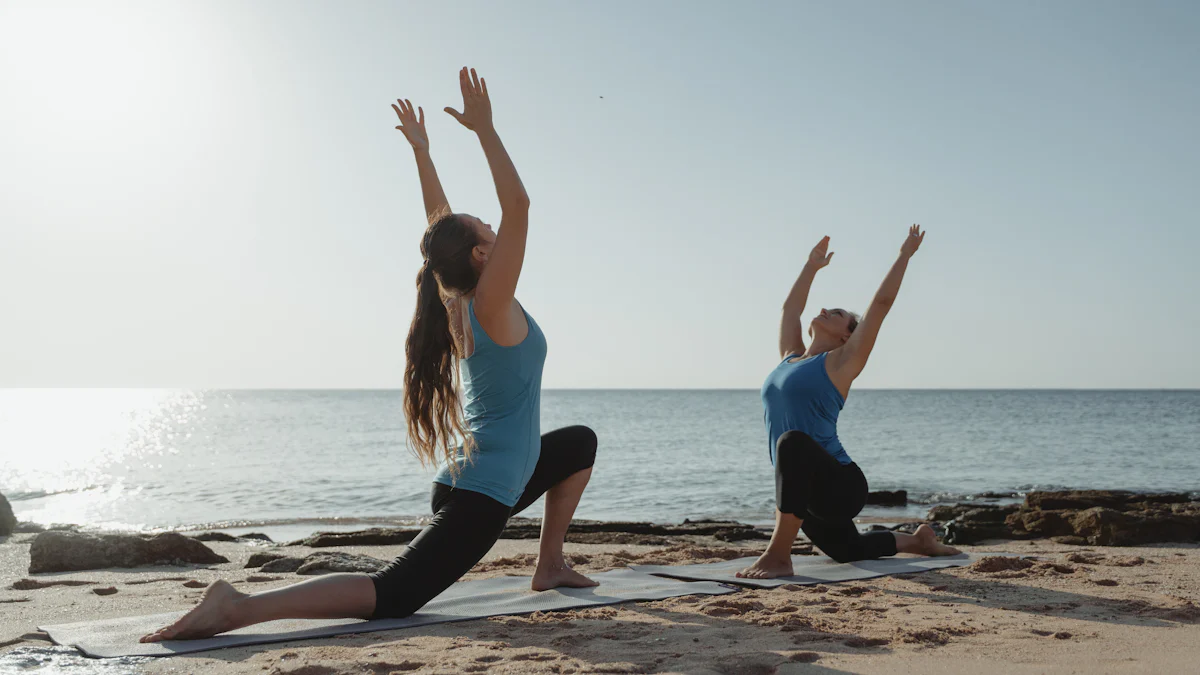
Imagine stepping onto the grass, feeling the earth beneath your feet, and breathing in the crisp, fresh air. Practicing yoga outdoors offers a unique way to connect with nature. The gentle rustling of leaves, the warmth of sunlight on your skin, and the soothing sounds of birds can calm your mind and enhance your focus. Outdoor yoga doesn’t just improve flexibility or strength; it revitalizes your energy and boosts your mood. Studies even show that connecting with nature during yoga can bring inner peace and leave you feeling refreshed and grounded.
Key Takeaways
Choose moisture-wicking, comfortable clothing to enhance your outdoor yoga experience and protect against the elements.
Pack essential gear like a lightweight mat, sunscreen, and a reusable water bottle to stay prepared and hydrated during your practice.
Select a quiet, stable location with minimal distractions to deepen your connection with nature and enhance your focus.
Adapt to environmental factors by checking the weather, protecting against insects, and staying hydrated to ensure a safe practice.
Incorporate grounding and balancing poses to connect with the earth and challenge your stability in the natural environment.
Respect your surroundings by leaving no trace and being considerate of others while practicing outdoors.
Embrace the unique elements of outdoor yoga, using them to enhance your mindfulness and overall experience.
Preparation for Outdoor Yoga
Preparing for outdoor yoga ensures a smooth and enjoyable experience. From what you wear to how you mentally prepare, every detail matters. Let’s dive into the essentials.
Choosing the Right Clothing
Your clothing can make or break your outdoor yoga session. Opt for moisture-wicking fabrics to stay dry and comfortable, especially if the weather shifts. These fabrics help regulate your body temperature, keeping you cool under the sun or warm in a breeze. Avoid heavy or restrictive materials that might limit your movement.
Layering is another smart choice. A lightweight jacket or wrap can keep you cozy during cooler mornings or evenings. Don’t forget to wear something that allows you to stretch freely while protecting your skin from the elements. If you’re practicing in a sunny spot, consider a wide-brimmed hat or UV-protective clothing for added sun protection.
Packing Essential Gear
Packing the right gear ensures you’re ready for anything. Start with a lightweight, packable mat. It’s easy to carry and provides a stable surface, even on uneven ground. If you’re practicing on grass or sand, this mat will keep you steady and comfortable.
Bring along sunscreen to shield your skin from harmful UV rays. Apply it generously before starting your session, especially if you’ll be exposed to direct sunlight. Staying hydrated is equally important. Pack a reusable water bottle to sip throughout your practice, particularly in warm climates.
You can also get creative with props. Use items like towels, water bottles, or even a camping sleeping pad as substitutes for traditional yoga blocks or straps. These small additions can enhance your practice without adding bulk to your bag.
Mental Preparation
Outdoor yoga isn’t just about physical readiness; it’s also about preparing your mind. Take a moment to set an intention for your practice. Whether it’s finding peace, improving focus, or simply enjoying nature, having a clear goal can guide your session.
Be mindful of your surroundings. Outdoor spaces come with distractions like passing cars, chirping birds, or curious onlookers. Embrace these elements as part of the experience rather than letting them disrupt your flow. Acknowledge the environment and use it to deepen your connection to the present moment.
Lastly, check the weather forecast before heading out. Weather awareness helps you plan ahead and avoid surprises. If conditions seem unfavorable, consider rescheduling or finding a sheltered spot. A little preparation goes a long way in creating a fulfilling outdoor yoga experience.
Choosing the Right Location for Outdoor Yoga
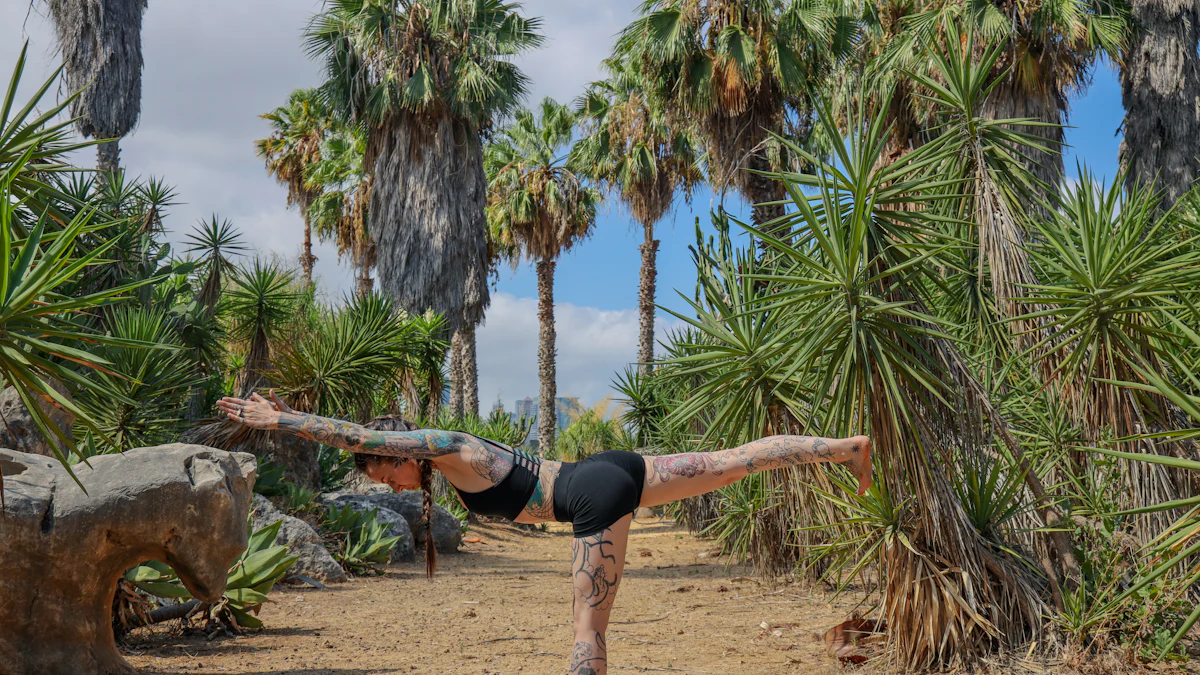
The location you choose can make or break your outdoor yoga experience. A well-thought-out spot ensures comfort, focus, and a deeper connection to nature. Let’s explore how to pick the perfect place.
Evaluating the Surface
The surface you practice on plays a big role in your stability and safety. Look for flat, even ground that supports your poses without causing discomfort. Grass, sand, or a wooden deck can work well, but each has its quirks. Grass feels soft and grounding, but it’s best to ensure it’s dry to avoid slipping. Sand offers a unique challenge for balance but may not suit everyone. A wooden deck provides a firm base, ideal for maintaining alignment.
Using a yoga mat adds extra comfort and grip, especially on uneven terrain. If you’re practicing on grass or sand, an older mat works great since it might get dirty. Avoid surfaces that are too soft, like muddy areas, as they can throw off your balance. A stable foundation helps you focus on your practice instead of worrying about your footing.
Considering Noise Levels
Noise can either enhance or disrupt your outdoor yoga session. Natural sounds like rustling leaves, chirping birds, or flowing water create a calming backdrop. These sounds help you stay present and deepen your mindfulness. However, loud or constant noise, like traffic or construction, can pull your attention away from your practice.
When scouting a location, take a moment to listen. Choose a spot where the sounds around you feel soothing rather than distracting. If you can’t avoid some noise, try using it as part of your practice. Focus on your breath and let the sounds fade into the background. This approach not only improves concentration but also strengthens your ability to release attachment to distractions.
Finding Solitude
Practicing yoga outdoors offers a chance to connect with yourself and nature. Finding a quiet, secluded spot enhances this connection. Parks, beaches, or even your backyard can provide the solitude you need. Look for areas with minimal foot traffic to avoid interruptions. A peaceful environment allows you to focus inward and fully immerse yourself in your practice.
If complete solitude isn’t possible, position yourself in a way that feels private. Facing a tree, a body of water, or an open field can create a sense of personal space. Viewing nature, especially patterns like fractals in leaves or waves, promotes relaxation and internal focus. This visual connection to nature can elevate your outdoor yoga experience, leaving you feeling refreshed and grounded.
Adapting to Environmental Factors During Outdoor Yoga
Practicing yoga outdoors brings unique challenges, but adapting to environmental factors can make your session enjoyable and rewarding. Let’s explore how you can handle these elements effectively.
Dealing with Weather Conditions
Weather plays a big role in outdoor yoga. Start by checking the forecast before heading out. Knowing what to expect helps you plan better and avoid surprises. If the weather looks unpredictable, consider rescheduling or finding a sheltered spot like under a tree or pavilion.
Time of day matters too. Early mornings or late afternoons often provide cooler temperatures and softer light, making them ideal for outdoor yoga. Midday heat can be intense, so avoid practicing during peak sun hours between 10 AM and 2 PM. If it’s windy, choose a location with natural barriers like bushes or walls to block the gusts.
Embrace the elements when possible. A gentle breeze can feel refreshing, and the warmth of the sun can help deepen your stretches. However, always prioritize your comfort and safety. Dress appropriately for the conditions, and keep a lightweight jacket or blanket handy for cooler weather.
Protecting Against Insects
Insects can be an unwelcome distraction during outdoor yoga. To keep them at bay, apply a natural insect repellent before starting your session. Look for products with essential oils like citronella or eucalyptus, which are effective and gentle on the skin.
Choose your location wisely. Avoid areas with standing water, as they tend to attract mosquitoes. Practicing on a yoga mat instead of directly on the ground can also help reduce contact with bugs. If insects persist, consider using a portable mosquito net or practicing in a screened area.
Staying mindful of your surroundings can also help. If you notice ants or other critters nearby, adjust your position to avoid them. Remember, outdoor yoga is about connecting with nature, so try to coexist peacefully with the environment.
Sun Protection
The sun can enhance your outdoor yoga experience, but it’s important to protect yourself from its harmful effects. Apply sunscreen with at least SPF 30 to all exposed skin, even on cloudy days. Reapply every two hours if you’re practicing for an extended period.
Wear a wide-brimmed hat or a lightweight scarf to shield your face and neck from direct sunlight. UV-protective clothing can also provide extra coverage without compromising comfort. Position yourself in a shaded area if possible, especially during the hottest parts of the day.
Hydration is key when practicing under the sun. Bring a reusable water bottle and take small sips throughout your session. Staying hydrated helps regulate your body temperature and keeps you feeling energized.
By preparing for these environmental factors, you can fully enjoy the benefits of outdoor yoga while staying safe and comfortable.
Recommended Poses and Techniques for Outdoor Yoga
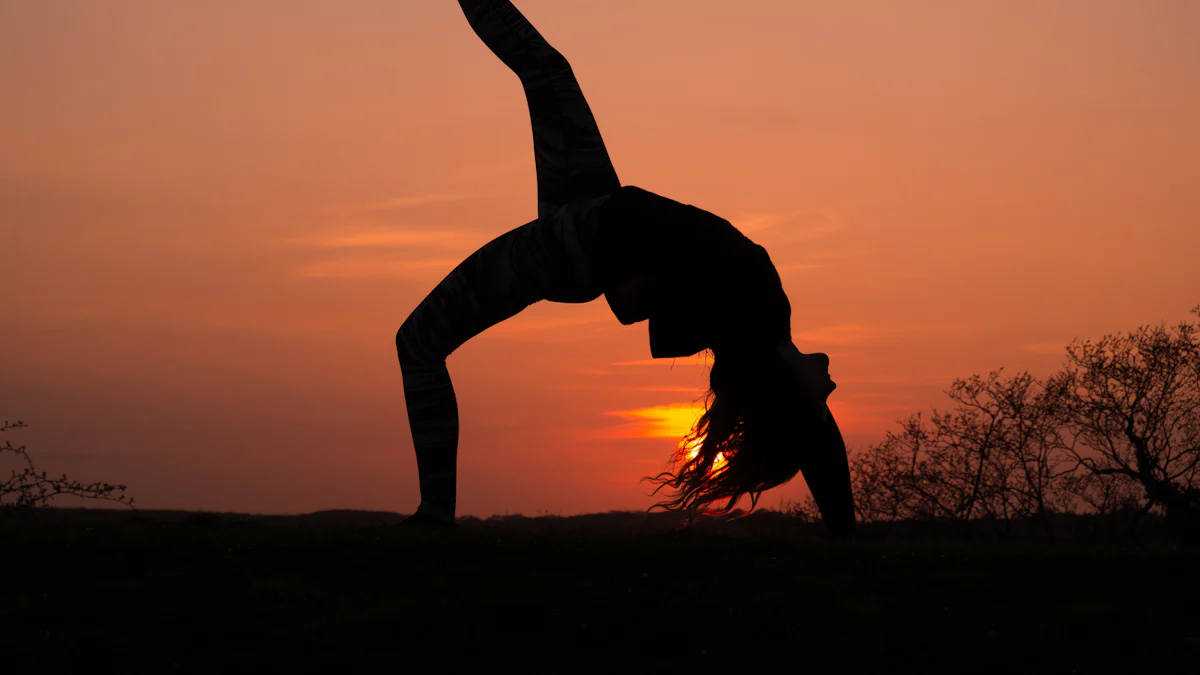
Outdoor yoga offers a unique opportunity to connect with nature while deepening your practice. The natural environment enhances your focus and challenges your body in new ways. Let’s explore some poses and techniques that are perfect for outdoor yoga sessions.
Grounding Poses
Grounding poses help you feel stable and connected to the earth. These poses are ideal for outdoor yoga because they allow you to embrace the uneven terrain and engage muscles you might not use indoors. Start with Mountain Pose (Tadasana). Stand tall with your feet firmly planted on the ground. Feel the texture of the surface beneath you and let it anchor your body. This pose improves posture and creates a sense of balance.
Another great option is Child’s Pose (Balasana). Kneel down, stretch your arms forward, and rest your forehead on your mat or the ground. This pose encourages relaxation and helps you tune into your surroundings. If you’re practicing on grass, the soft surface can make this pose even more soothing.
Finally, try Tree Pose (Vrikshasana). Place one foot on the inner thigh of the opposite leg and balance. The uneven ground outdoors will challenge your stability, strengthening your core and leg muscles. Focus on a fixed point in nature, like a tree or rock, to maintain your balance.
Breathing Exercises
Breathing exercises, or pranayama, are essential for any yoga practice. Outdoors, the fresh air enhances these techniques, making them even more refreshing. Begin with Deep Belly Breathing. Sit comfortably and inhale deeply through your nose, filling your lungs completely. Exhale slowly, letting the air flow out naturally. This exercise calms your mind and helps you connect with the rhythm of nature.
Another effective technique is Alternate Nostril Breathing (Nadi Shodhana). Use your thumb to close one nostril and inhale through the other. Switch nostrils and exhale. Repeat this cycle several times. This practice balances your energy and promotes mental clarity, especially in the peaceful outdoor setting.
For a more energizing option, try Kapalabhati (Skull Shining Breath). Take short, forceful exhales through your nose while keeping your inhales passive. This technique boosts your energy and clears your mind, making it perfect for starting your outdoor yoga session.
Balancing Poses
Balancing poses become more dynamic and engaging when practiced outdoors. The natural terrain forces your body to adapt, improving your stability and focus. Begin with Warrior III (Virabhadrasana III). Stand on one leg and extend the other leg straight back while leaning your torso forward. Stretch your arms ahead for balance. The uneven ground will activate smaller stabilizing muscles, enhancing your strength and coordination.
Next, try Half Moon Pose (Ardha Chandrasana). Place one hand on the ground or a block and lift the opposite leg while extending the other arm upward. This pose challenges your balance and builds core strength. Practicing it outdoors adds an extra layer of mindfulness as you adjust to the surface beneath you.
For a more advanced option, attempt Headstand (Sirsasana) or Handstand (Adho Mukha Vrksasana) on soft grass. These poses improve your focus and body awareness. Grass provides a forgiving surface, making it safer to practice these challenging asanas. Always approach these poses with caution and confidence.
By incorporating these poses and techniques into your outdoor yoga routine, you’ll enhance your practice and deepen your connection to nature. Each movement and breath becomes an opportunity to embrace the serenity of the outdoors.
Safety and Comfort Tips for Outdoor Yoga
Outdoor yoga can be a refreshing experience, but staying safe and comfortable is key to fully enjoying your practice. Let’s explore some practical tips to help you make the most of your time outdoors.
Avoiding Injuries
Preventing injuries starts with listening to your body. Pay attention to how you feel during each pose. If something feels off or uncomfortable, adjust your position or skip the pose altogether. Outdoor surfaces like grass or sand can be uneven, so take extra care with your footing. A yoga mat can provide stability and reduce the risk of slipping.
Warm up before diving into your practice. Gentle stretches and light movements prepare your muscles and joints for more challenging poses. Cooling down afterward is just as important. It helps your body recover and reduces soreness.
Be mindful of your surroundings. Check the area for rocks, sticks, or other hazards that could cause injury. Practicing barefoot? Make sure the ground is free of sharp objects. Staying aware of your environment keeps you safe and focused.
Respecting Your Surroundings
Outdoor yoga connects you with nature, so respecting your surroundings is essential. Leave no trace behind. Pick up any trash, even if it’s not yours, and avoid disturbing plants or wildlife. This simple act preserves the beauty of the space for others and future visits.
Choose a spot where your practice won’t disrupt others. Parks and beaches often have shared spaces, so be considerate of those around you. If you’re playing music or using props, keep the volume low and your setup compact.
Nature can be unpredictable. Bugs, wind, or curious onlookers might interrupt your flow. Instead of letting these distractions frustrate you, embrace them as part of the outdoor experience. Adapting to these elements can deepen your mindfulness and connection to the environment.
Staying Comfortable
Comfort plays a big role in outdoor yoga. Dress appropriately for the weather. Lightweight, breathable fabrics work well in warm conditions, while layers keep you cozy in cooler temperatures. A wide-brimmed hat or sunglasses can shield you from the sun, and sunscreen protects your skin from harmful UV rays.
Hydration is crucial. Bring a reusable water bottle and take small sips throughout your session. Staying hydrated keeps your energy levels up and helps you focus.
Pack a few extras to enhance your comfort. A towel can double as a cushion for your knees or a cover for your mat. Bug spray keeps insects at bay, and a lightweight blanket can provide warmth during relaxation poses. These small additions make a big difference in your overall experience.
By prioritizing safety, respecting your surroundings, and ensuring your comfort, you can create a fulfilling and enjoyable outdoor yoga practice. Each session becomes an opportunity to connect with nature and yourself in a meaningful way.
Outdoor yoga becomes a truly rewarding experience when you prepare thoughtfully, choose the right location, and adapt to nature’s elements. Each step, from packing your gear to selecting a peaceful spot, ensures a practice that feels both safe and fulfilling. Personalize your routine to match your preferences and needs. Whether it’s grounding poses or breathing exercises, let your practice reflect your unique connection to nature. Embrace the serenity, joy, and energy that outdoor yoga brings. Step outside, unroll your mat, and let the beauty of the outdoors inspire your journey.
See Also
Key Strategies for Practicing Yoga in Nature
Ways to Enhance Your Yoga Sessions Outdoors
Getting Started with Somatic Yoga in Your Space

Hi my name is Lia and i am your host in this yoga journey in Portugal, Subscribe to our newsletter to receive every week the best of Yoga in Portugal.

We bring back the importance of initiation into womanhood by Roos-Veerle Krijnen & Ella-June Henrard
Welcome to the Women’s Initiation Retreat by Naked Truth Retreats, a transformative journey into the depths of your True Feminine Nature. This retreat invites you to remember the sacredness and wholeness of your being.
Roos-Veerle Krijnen & Ella-June Henrard