Discover the Various Types of Yoga Mudras

Yoga mudras hold a special place in yoga practice. These symbolic hand gestures channel energy and enhance meditation. You might wonder why they are significant. Mudras help you connect with your inner self, promoting balance and well-being. A survey revealed that 73% of respondents showed interest in practising mudras. This blog will guide you through the fascinating world of yoga mudras, offering insights into their diverse forms and benefits. Discover how these ancient gestures can enrich your yoga journey and transform your practice.
Understanding Yoga Mudras
Definition and Origin
Yoga mudras are symbolic hand gestures that hold profound meaning in spiritual practices. They serve as a bridge between the physical and the spiritual realms, allowing you to channel energy effectively.
Historical Background
Mudras have a rich history, deeply rooted in ancient traditions. The Historical Buddha is often associated with these gestures, highlighting their significance in both Hinduism and Buddhism. Throughout history, mudras like Abhaya and Bumisparsha have symbolised protection, peace, and benevolence. These gestures have been depicted in countless sculptures and paintings, showcasing their enduring importance.
Cultural Significance
In various cultures, mudras have played a pivotal role in spiritual and religious practices. They are not merely hand positions but are seen as tools for transformation. By practising mudras, you can connect with the divine and enhance your spiritual journey. These gestures are integral to rituals and ceremonies, reflecting their deep cultural roots.
Importance in Yoga Practice
Mudras are more than just symbolic gestures; they are essential components of yoga practice. They offer numerous benefits that can enhance your overall experience.
Energy Channeling
Mudras act as conduits for energy flow within your body. By positioning your fingers in specific ways, you can direct energy to different parts of your body. This energy channeling helps balance your physical and mental states, promoting overall well-being. You can harness this energy to improve focus and concentration during your yoga sessions.
Meditation Enhancement
Incorporating mudras into meditation can significantly enhance your practice. These gestures help you achieve a deeper state of relaxation and mindfulness. By using mudras, you can quieten your mind and connect with your inner self. This connection allows you to experience a heightened sense of awareness and tranquillity, making your meditation sessions more fulfilling.
Categories of Yoga Mudras
Yoga mudras, with their rich history and profound benefits, can be categorised into three main types: Hasta Mudras, Kaya Mudras, and Mana Mudras. Each category offers unique gestures that enhance your yoga practice and overall well-being.
Hasta Mudras (Hand Mudras)
Hasta Mudras involve specific hand positions that channel energy and focus the mind. These mudras are simple yet powerful tools in your yoga practice.
Gyan Mudra
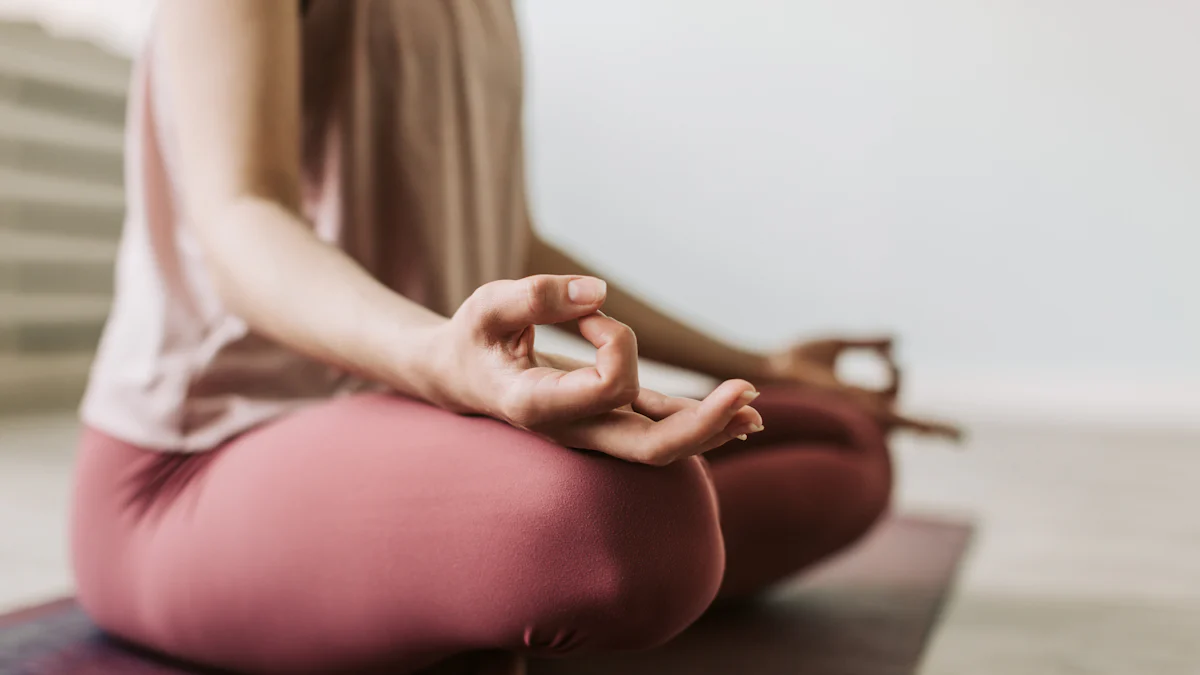
Gyan Mudra, also known as the Mudra of Knowledge, is one of the most fundamental yoga mudras. To perform it, touch the tip of your index finger to the tip of your thumb while keeping the other fingers straight. This mudra enhances concentration and wisdom. It is often used during meditation to promote a sense of calm and clarity. Scientific studies have shown that practising Gyan Mudra can improve cognitive functions and mental health.
Prana Mudra
Prana Mudra, the Mudra of Life, is another essential yoga mudra. It involves touching the tips of the ring and little fingers to the tip of the thumb. This gesture activates the dormant energy within you, boosting vitality and strength. Regular practice of Prana Mudra can help in balancing the body's energy levels, making you feel more energised and alive.
Kaya Mudras (Postural Mudras)
Kaya Mudras incorporate body postures along with hand gestures, providing a holistic approach to yoga practice.
Viparita Karani Mudra
Viparita Karani Mudra, or the Inverted Pose, involves lying on your back and lifting your legs against a wall. This yoga mudra helps in reversing the flow of energy, promoting relaxation and rejuvenation. It is particularly beneficial for reducing stress and anxiety, as it encourages blood circulation and calms the nervous system.
Yoga Mudra
Yoga Mudra, a seated posture, involves bending forward while sitting cross-legged and holding your hands behind your back. This mudra enhances flexibility and strengthens the spine. Practising Yoga Mudra regularly can improve digestion and relieve tension in the back and shoulders.
Mana Mudras (Head Mudras)
Mana Mudras focus on the head and involve specific eye, tongue, and facial gestures. These mudras deepen your meditation practice and enhance mental clarity.
Shambhavi Mudra
Shambhavi Mudra, the Eyebrow Centre Gazing Gesture, involves focusing your gaze at the point between your eyebrows. This yoga mudra enhances concentration and intuition. It is often used in meditation to achieve a higher state of awareness and spiritual connection.
Khechari Mudra
Khechari Mudra, known as the Tongue Lock, involves rolling the tongue back to touch the soft palate. This advanced yoga mudra stimulates the pituitary gland and enhances spiritual growth. Regular practice of Khechari Mudra can lead to a profound sense of inner peace and enlightenment.
Scientific Research Findings: Studies have demonstrated the significant health benefits of yoga mudras. They are scientifically proven to improve physical and mental health, highlighting their importance in holistic wellness practices.
By exploring these categories of yoga mudras, you can enrich your yoga journey and experience the transformative power of these ancient gestures. Each mudra offers unique benefits, allowing you to tailor your practice to meet your personal needs and goals.
Most Widely Used Yoga Mudras
Gyan Mudra
Steps to Perform
Sit comfortably in a cross-legged position or on a chair with your back straight.
Rest your hands on your knees, palms facing upwards.
Touch the tip of your index finger to the tip of your thumb, forming a circle.
Keep the other three fingers extended and relaxed.
Close your eyes and focus on your breath.
Benefits
Gyan Mudra, also known as the Mudra of Knowledge, enhances concentration and memory. It helps you achieve mental clarity and calmness. Regular practice can improve your cognitive functions and reduce stress. This mudra is particularly beneficial during meditation, as it promotes a sense of peace and wisdom.
Anjali Mudra
Steps to Perform
Stand or sit in a comfortable position with your spine straight.
Bring your palms together in front of your chest, fingers pointing upwards.
Press your palms gently against each other.
Close your eyes and take deep breaths, focusing on the sensation of your hands.
Benefits
Anjali Mudra, often referred to as the Gesture of Reverence, symbolises respect and gratitude. It helps you centre your mind and balance your emotions. This mudra fosters a sense of unity and connection with yourself and others. Practising Anjali Mudra regularly can enhance your emotional well-being and promote inner peace.
Chin Mudra
Steps to Perform
Sit in a comfortable position with your back straight.
Place your hands on your knees, palms facing upwards.
Touch the tip of your thumb to the tip of your index finger, forming a circle.
Keep the other fingers extended and relaxed.
Close your eyes and focus on your breathing.
Benefits
Chin Mudra, known as the Gesture of Consciousness, aids in improving your mental focus and awareness. It helps you connect with your inner self and enhances your meditation practice. This mudra can also boost your energy levels and promote a sense of tranquillity. Regular practice of Chin Mudra can lead to increased mindfulness and spiritual growth.
Note: Incorporating these widely used yoga mudras into your daily routine can significantly enhance your physical and mental well-being. Each mudra offers unique benefits, allowing you to tailor your practice to suit your personal needs and goals.
Benefits of Practising Mudras
Physical Benefits
Improved Circulation
Practising yoga mudras can significantly enhance your blood circulation. When you perform these gestures, you stimulate various pressure points in your hands and body. This stimulation encourages better blood flow, which can help in delivering oxygen and nutrients more efficiently throughout your body. Improved circulation can lead to healthier skin, increased energy levels, and a stronger immune system. According to research, mudras have been shown to assist with conditions like high blood pressure, highlighting their role in promoting cardiovascular health.
Enhanced Flexibility
Yoga mudras also contribute to improved flexibility. By incorporating specific hand and body positions, you can stretch and strengthen your muscles. This practice helps in loosening tight joints and increasing your range of motion. Enhanced flexibility not only aids in performing yoga poses with ease but also reduces the risk of injuries. Regular practice of mudras can lead to a more agile and resilient body, allowing you to move with greater freedom and confidence.
Mental Benefits
Stress Reduction
Mudras play a crucial role in reducing stress and promoting relaxation. When you engage in these gestures, you activate certain areas of your brain that are responsible for calming the mind. This activation helps in lowering stress hormones and inducing a state of tranquillity. By practising mudras regularly, you can manage anxiety and tension more effectively. Scientific studies have demonstrated that mudras, combined with breathing exercises, can improve mental well-being and minimise respiratory issues, further supporting their stress-reducing benefits.
Increased Focus
Incorporating mudras into your daily routine can enhance your concentration and focus. These gestures help in directing your mental energy towards a single point, allowing you to achieve a heightened state of awareness. By practising mudras, you can train your mind to stay present and attentive, improving your ability to concentrate on tasks. This increased focus can lead to better performance in both personal and professional aspects of life. Research findings suggest that mudras can aid in cognitive functions, making them a valuable tool for enhancing mental clarity and productivity.
Tips for Incorporating Mudras into Daily Practice
Starting with Simple Mudras
Incorporating mudras into your daily routine can bring about positive changes in your life. You can start with simple mudras to ease into the practice. These gestures can enhance your focus and mental clarity, providing a profound sense of spirituality and interconnectedness.
Recommended Duration
Begin by practising mudras for 5 to 10 minutes each day. This duration allows you to familiarise yourself with the gestures without feeling overwhelmed. As you become more comfortable, gradually increase the time to 15 or 20 minutes. Consistency is key, so aim to practise daily for the best results.
Best Times to Practise
The best times to practise mudras are during the early morning or late evening. These periods offer a calm environment, free from distractions, allowing you to focus on your practice. You can also incorporate mudras into your meditation sessions or yoga routines for added benefits. Practising at these times helps you start and end your day with mindfulness and presence.
Combining Mudras with Meditation
Combining mudras with meditation can enhance your spiritual journey. These gestures facilitate energy flow in the subtle body, connecting your individual pranic force with the universal or cosmic force. This combination can restore physical, mental, and spiritual health.
Techniques for Beginners
As a beginner, you can start by using simple mudras like Gyan Mudra or Anjali Mudra during meditation. Sit comfortably, close your eyes, and focus on your breath. Use the mudra to direct your energy and attention inward. This practice helps in calming and balancing your mind and body, making it easier to achieve a meditative state.
Advanced Practices
For advanced practitioners, explore more complex mudras such as Khechari Mudra or Shambhavi Mudra. These gestures require a deeper understanding and control of your body and mind. Incorporate visualisation techniques or mantras to deepen your meditation experience. Advanced practices can lead to a heightened sense of awareness and spiritual growth.
Yoga Practitioners' Insights: Many practitioners have found that incorporating mudras into daily activities enhances mindfulness and presence in each moment. These energy-flowing postures are not only used in yoga but also in classical Indian dances, religious icons, and devotional rituals. They are helpful in calming, energising, and balancing both the mind and body.
Yoga mudras offer profound benefits, enhancing both your physical and mental well-being. These gestures channel energy, improve focus, and promote relaxation. By incorporating mudras into your practice, you can experience a deeper connection with your inner self.
Local Yoga Teacher: Many have reported that they found the mudras they added to their home meditation and breath practices to be helpful in calming, energising, and balancing their minds and bodies.
Explore these ancient techniques and enrich your yoga journey. Embrace the transformative power of mudras and discover how they can elevate your practice to new heights.
See Also
Discovering the Key Yoga Hand Gestures
Best 15 Yoga Asanas for Pair Practice: An In-depth Manual
Revealing the Historical Beginnings of Yoga

Hi my name is Lia and i am your host in this yoga journey in Portugal, Subscribe to our newsletter to receive every week the best of Yoga in Portugal.

We bring back the importance of initiation into womanhood by Roos-Veerle Krijnen & Ella-June Henrard
Welcome to the Women’s Initiation Retreat by Naked Truth Retreats, a transformative journey into the depths of your True Feminine Nature. This retreat invites you to remember the sacredness and wholeness of your being.
Roos-Veerle Krijnen & Ella-June Henrard