Discover the Health Benefits of Yoga


Yoga has become a beloved practice for millions, with a remarkable rise in popularity. In the past five years, the number of yoga practitioners in the U.S. has surged by over 50%. This ancient discipline offers a holistic approach to health, addressing both physical and mental well-being. You might wonder, is yoga good for you? The answer lies in its ability to enhance flexibility, reduce stress, and promote a balanced lifestyle. As you explore yoga, you'll discover its profound impact on your overall health and vitality.
Is Yoga Good for You? Exploring Physical Health Benefits
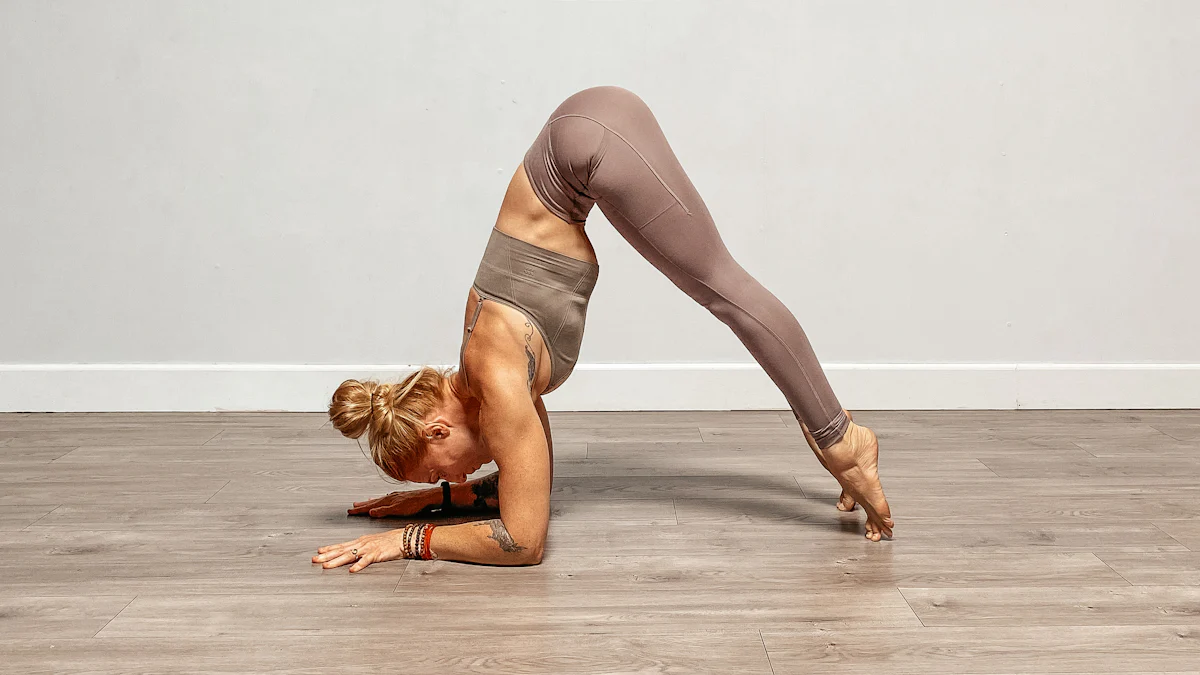
Improved Flexibility
Yoga stands as a powerful tool to enhance your flexibility. By engaging in various poses, you stretch and lengthen your muscles, which increases your range of motion. This improvement in flexibility can benefit everyone, from young individuals to healthy seniors and even those who spend long hours at a computer. Regular practice helps prevent stiffness and promotes ease of movement.
To boost your flexibility, consider incorporating these poses into your routine:
Downward-Facing Dog: This classic pose stretches your hamstrings, calves, and shoulders.
Cat-Cow Stretch: It gently warms up the spine, improving its flexibility.
Seated Forward Bend: This pose targets the lower back and hamstrings, enhancing flexibility.
Increased Strength
You might wonder, is yoga good for you when it comes to building strength? Absolutely! Yoga not only stretches your muscles but also strengthens them. Holding poses requires muscle engagement, which builds endurance and power over time. Unlike traditional weightlifting, yoga provides a balanced approach to muscle strengthening, ensuring that you develop functional strength.
Here are some poses that effectively build strength:
Plank Pose: Engages your core, arms, and shoulders.
Warrior II: Strengthens your legs, hips, and shoulders.
Boat Pose: Targets your abdominal muscles, enhancing core strength.
Better Posture
Good posture is essential for overall health, and yoga plays a significant role in promoting it. By practicing yoga, you become more aware of your body alignment, which helps correct poor posture habits. Improved posture reduces strain on your muscles and joints, preventing discomfort and potential injuries.
To support better posture, try these poses:
Mountain Pose: Encourages proper alignment and balance.
Bridge Pose: Strengthens your back and opens up the chest.
Child's Pose: Relieves tension in the back and shoulders, promoting relaxation.
Is Yoga Good for You? Understanding Mental Health Benefits
Stress Reduction
Yoga serves as a powerful ally in managing stress. When you practice yoga, you engage in a series of movements and breathing exercises that calm your mind and body. This practice reduces the levels of cortisol, the stress hormone, in your body. As a result, you experience a sense of relaxation and peace. Studies have shown that regular yoga practice can significantly lower stress levels and promote mental well-being.
To effectively manage stress, consider incorporating these techniques and poses into your routine:
Deep Breathing (Pranayama): Focus on slow, deep breaths to calm your nervous system.
Child's Pose: This gentle pose helps you relax and release tension.
Corpse Pose (Savasana): Lie still and focus on your breath to achieve a state of deep relaxation.
Enhanced Focus and Concentration
Yoga not only benefits your physical health but also sharpens your mental faculties. By practicing yoga, you enhance your ability to concentrate and maintain mental clarity. The meditative aspects of yoga encourage mindfulness, which helps you stay present and focused. Research indicates that yoga strengthens cognitive abilities and improves memory, making it an excellent tool for boosting concentration.
To enhance your focus and concentration, try these practices:
Meditation: Spend a few minutes each day in quiet meditation to clear your mind.
Tree Pose: This balancing pose requires focus and helps improve your concentration.
Eagle Pose: Engage your mind and body as you balance, enhancing mental clarity.
Incorporating yoga into your daily routine can transform your mental health. You may find yourself asking, "Is yoga good for you?" The answer is a resounding yes. Yoga not only reduces stress but also enhances your focus and concentration, leading to a more balanced and fulfilling life. Embrace the mental health benefits of yoga and discover a path to greater well-being.
Emotional Health Benefits

Emotional Balance
Yoga plays a pivotal role in fostering emotional stability. When you engage in yoga, you cultivate self-awareness and acceptance, which are essential for maintaining emotional balance. This practice encourages you to connect with your inner self, helping you manage emotions effectively. By regularly practicing yoga, you can develop resilience and a positive outlook on life.
To enhance your emotional health, consider incorporating these poses and practices into your routine:
Heart-Opening Poses: Such as Camel Pose and Cobra Pose, which help release stored emotions and promote openness.
Mindful Breathing: Focus on deep, intentional breaths to calm your mind and center your emotions.
Meditative Practices: Spend time in meditation to reflect on your feelings and cultivate inner peace.
Increased Mindfulness
Mindfulness stands as a cornerstone of yoga. By practicing mindfulness, you learn to live in the present moment, which reduces stress and anxiety. Yoga encourages you to focus on your breath and body, enhancing your awareness of the here and now. This heightened awareness leads to improved mental clarity and emotional well-being.
To cultivate mindfulness, try these exercises:
Body Scan Meditation: Lie down and mentally scan your body from head to toe, noticing any sensations without judgment.
Mindful Walking: Walk slowly and deliberately, paying attention to each step and the sensations in your body.
Breath Awareness: Sit quietly and focus solely on your breath, observing its natural rhythm and flow.
Incorporating these practices into your daily life can transform your emotional health. You may find yourself asking, "Is yoga good for you?" The answer is a resounding yes. Yoga not only fosters emotional balance but also enhances mindfulness, leading to a more harmonious and fulfilling life. Embrace the emotional health benefits of yoga and discover a path to greater well-being.
Scientific Research and Studies
Overview of Research Supporting Yoga's Benefits
Scientific research has consistently highlighted the numerous benefits of yoga. Studies have shown that yoga significantly improves both physical and mental health. For instance, research indicates that regular yoga practice enhances flexibility, strength, and balance. These improvements contribute to better posture and reduced risk of injury. Moreover, yoga has been found to lower blood pressure and improve cardiovascular health, making it a valuable practice for heart health.
Key Study Insight: A study published in the Journal of Alternative and Complementary Medicine found that participants who practiced yoga regularly experienced a notable decrease in stress levels and an increase in overall well-being. This study underscores the holistic benefits of yoga, addressing both body and mind.
Yoga also plays a crucial role in mental health. Research supports its effectiveness in reducing anxiety and depression. By engaging in yoga, you can experience enhanced mood and emotional stability. The practice encourages mindfulness, which fosters a sense of peace and contentment.
Scientific Finding: A comprehensive review of multiple studies concluded that yoga practitioners reported higher self-esteem and improved attention abilities. This finding highlights yoga's potential to positively impact cognitive functions and emotional health.
Expert Opinions
Experts in the field of yoga and health have long advocated for its benefits. Their insights provide valuable perspectives on why yoga is a beneficial practice for everyone.
Health Experts: "The more they practiced yoga, whether in years, number of classes, or amount of home practice, the higher their odds of believing yoga improved their health."
This statement emphasizes the cumulative benefits of yoga. As you continue your practice, you will likely notice improvements in your physical, mental, and emotional well-being.
Health Experts: "Yoga enhances self-esteem and the attention abilities of high school children. By practicing yoga, the practitioners have found to have control over emotions, thus correcting their physical, mental, and emotional dimensions."
These expert opinions highlight yoga's transformative power. By incorporating yoga into your routine, you can achieve a balanced and fulfilling life. The practice not only strengthens your body but also nurtures your mind and spirit.
Practical Advice for Beginners
Embarking on your yoga journey can be both exciting and rewarding. As a beginner, you might feel overwhelmed by the variety of styles and practices available. However, with the right guidance, you can find a path that suits your needs and lifestyle.
Getting Started with Yoga
Tips for Choosing the Right Yoga Style
Selecting the right yoga style is crucial for a fulfilling experience. Each style offers unique benefits and focuses on different aspects of yoga practice. Here are some tips to help you choose:
Identify Your Goals: Determine what you want to achieve with yoga. Are you looking to improve flexibility, reduce stress, or build strength? Understanding your goals will guide you in selecting a style that aligns with your objectives.
Research Different Styles: Explore various yoga styles such as Hatha, Vinyasa, Ashtanga, and Yin. Each style has its own pace and intensity. For instance, Hatha yoga is gentle and suitable for beginners, while Ashtanga is more vigorous and structured.
Consider Your Fitness Level: Choose a style that matches your current fitness level. If you're new to exercise, start with a beginner-friendly class to build a solid foundation.
Advice on Finding a Suitable Class or Instructor
Finding the right class or instructor can make a significant difference in your yoga journey. Here are some suggestions:
Attend Trial Classes: Many studios offer trial classes. Take advantage of these opportunities to experience different instructors and styles before committing.
Seek Recommendations: Ask friends or family for recommendations. Personal experiences can provide valuable insights into the quality of instruction and the atmosphere of the class.
Check Credentials: Ensure that the instructor is certified and experienced. A knowledgeable instructor will guide you safely through poses and help you progress at your own pace.
Incorporating Yoga into Daily Life
Suggestions for Creating a Home Practice
Practicing yoga at home offers flexibility and convenience. Here are some tips to establish a home practice:
Designate a Space: Create a dedicated area for your practice. It doesn't have to be large, but it should be free from distractions and clutter.
Set a Schedule: Consistency is key. Set aside a specific time each day for your practice, even if it's just 10-15 minutes. This routine will help you develop a habit.
Use Online Resources: Utilize online classes and tutorials. Many platforms offer guided sessions for all levels, allowing you to practice with expert guidance from the comfort of your home.
Ideas for Integrating Yoga into a Busy Schedule
Incorporating yoga into a hectic lifestyle can seem challenging, but it's achievable with some creativity:
Start Small: Begin with short sessions. Even a few minutes of mindful breathing or stretching can make a difference in your day.
Combine Activities: Integrate yoga into other activities. For example, practice deep breathing while commuting or do a few stretches during work breaks.
Prioritize Self-Care: View yoga as an essential part of your self-care routine. By prioritizing your well-being, you'll find it easier to make time for yoga amidst your busy schedule.
Yoga encourages mindfulness and motivates physical activity, fostering a balanced lifestyle. As you embark on this journey, remember that yoga is a personal practice. Listen to your body, be patient with yourself, and enjoy the process of growth and discovery.
Yoga offers a multitude of health benefits that can transform your life. It enhances flexibility, builds strength, and improves posture. Mentally, yoga reduces stress and sharpens focus. Emotionally, it fosters balance and mindfulness. Many have experienced significant improvements in their health and energy levels through yoga. One practitioner shared, "Practicing yoga has made me a more energized person." Another noted, "My blood pressure has come down to 120/80 after practicing yoga for 6 weeks." Embrace yoga's potential. Start your journey today and unlock a healthier, more vibrant you.
See Also
Embracing Prenatal Wellness Through Lara Dutta's Yoga
Exploring the Uniqueness of Kilted Yoga Practice
Exploring Nearby Top Classes for Iyengar Yoga

Hi my name is Lia and i am your host in this yoga journey in Portugal, Subscribe to our newsletter to receive every week the best of Yoga in Portugal.

We bring back the importance of initiation into womanhood by Roos-Veerle Krijnen & Ella-June Henrard
Welcome to the Women’s Initiation Retreat by Naked Truth Retreats, a transformative journey into the depths of your True Feminine Nature. This retreat invites you to remember the sacredness and wholeness of your being.
Roos-Veerle Krijnen & Ella-June Henrard