Discover How Different Yoga Poses Boost Your Health

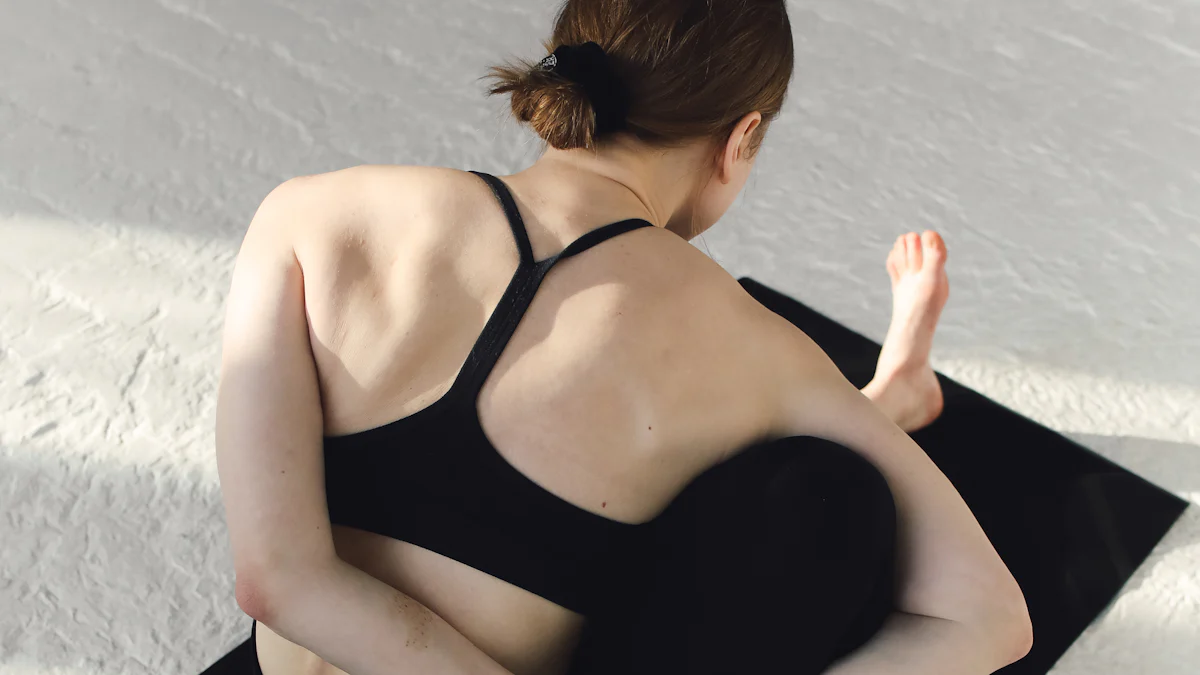
Yoga offers a powerful way to enhance both your physical and mental health. By practicing specific poses, you can improve flexibility, strength, and body awareness. Regular yoga practice not only reduces stress but also boosts your mood and self-esteem. You can categorize these poses to target specific health benefits, making your practice more effective. Whether you seek relaxation or strength, there's a position de yoga for you.
Key Takeaways
Incorporating yoga into your routine can significantly enhance your physical and mental health, improving flexibility, strength, and body awareness.
Regular practice of standing poses like Mountain Pose and Warrior I can boost your posture, balance, and mental focus, empowering you throughout your day.
Seated poses such as Easy Pose and Seated Forward Bend promote relaxation and mindfulness, helping to alleviate stress and improve flexibility.
Restorative poses like Child's Pose and Legs-Up-The-Wall Pose are excellent for calming the mind and body, making them ideal for stress relief.
Inversions, including Downward-Facing Dog and Shoulder Stand, enhance circulation and mental clarity, contributing to overall well-being.
Balance poses like Eagle and Half Moon not only improve coordination but also sharpen your focus, making them valuable additions to your practice.
Consistency in your yoga practice is key; aim for at least two to three sessions a week to fully experience the benefits and foster a mindful lifestyle.
Standing Poses
Mountain Pose (Tadasana)
Mountain Pose, or Tadasana, serves as the foundation for many yoga practices. You stand tall, feet together, and arms at your sides. This pose may seem simple, but it packs a punch. It helps improve your posture and body awareness. As you engage your legs and core, you strengthen these muscles. This foundational position also encourages you to breathe deeply, promoting relaxation and focus.
Research shows that standing poses like Tadasana can enhance balance and concentration. You’ll find that practicing this pose regularly helps you sit or stand taller throughout your day.
Warrior I (Virabhadrasana I)
Warrior I, or Virabhadrasana I, is a powerful pose that builds strength and confidence. You start in a standing position, step one foot back, and bend your front knee. Raise your arms overhead, keeping your gaze forward. This pose opens your hips and chest while strengthening your legs and core.
Practicing Warrior I not only boosts your physical strength but also enhances your mental focus. You’ll feel empowered as you hold this pose, making it a great addition to your routine. Studies indicate that standing poses like Warrior I improve core strength and alignment of the spine, which helps you maintain good posture.
Tree Pose (Vrksasana)
Tree Pose, or Vrksasana, challenges your balance and concentration. You stand on one leg while placing the other foot on your inner thigh or calf. Bring your hands together at your heart or raise them overhead. This pose requires focus and stability, helping you connect with your body.
As you practice Tree Pose, you’ll notice improvements in your balance and coordination. This position de yoga not only strengthens your legs but also calms your mind. Research highlights that balance poses offer unique mental and physical benefits, enhancing your overall health both on and off the mat.
Seated Poses
Easy Pose (Sukhasana)
Easy Pose, or Sukhasana, offers a simple way to find comfort and calm. You sit cross-legged on the floor, keeping your spine straight and shoulders relaxed. This position encourages deep breathing and mindfulness. As you settle into this pose, you may notice a sense of peace washing over you.
Practicing Sukhasana helps improve flexibility in your hips and knees. It also promotes better posture and alignment. Research shows that seated yoga postures like this one energize your mind-body connection. You’ll feel more balanced and centered after holding this pose for a few minutes.
Seated Forward Bend (Paschimottanasana)
Seated Forward Bend, or Paschimottanasana, stretches your entire back and hamstrings. You sit with your legs extended in front of you and slowly bend forward, reaching for your feet. This pose not only enhances flexibility but also calms your mind.
As you practice this position de yoga, you may find relief from tightness in your hamstrings. This makes it a great choice for runners or anyone who spends long hours sitting. Studies indicate that forward bends help ease stress and tension, allowing you to feel more relaxed and focused.
Bound Angle Pose (Baddha Konasana)
Bound Angle Pose, or Baddha Konasana, opens your hips and groin. You sit with the soles of your feet together and let your knees fall outward. This pose encourages a gentle stretch and helps improve circulation in your lower body.
While in this position, focus on your breath. You’ll find that it helps release tension and promotes relaxation. Regular practice of Baddha Konasana can enhance your overall flexibility and stamina. Plus, it massages your internal organs, contributing to better digestion and overall health.
Restorative Poses
Child's Pose (Balasana)
Child's Pose, or Balasana, offers a gentle way to unwind and relax. You kneel on the floor, sit back on your heels, and stretch your arms forward while lowering your forehead to the mat. This position encourages deep breathing and helps release tension in your back and shoulders.
As you hold this pose, you may notice a sense of calm washing over you. Research shows that restorative yoga can alter brain structure and function, particularly in areas like the hippocampus and amygdala. This change can slow cognitive decline, making Child's Pose a great choice for mental clarity and relaxation.
Legs-Up-The-Wall Pose (Viparita Karani)
Legs-Up-The-Wall Pose, or Viparita Karani, is another fantastic restorative position. You lie on your back and extend your legs up against a wall. This pose promotes circulation and helps relieve tired legs.
While in this position, focus on your breath. You’ll find that it calms your nervous system and reduces stress levels. A recent study highlighted that restorative yoga significantly helped medical students manage stress. By practicing this pose regularly, you can cultivate a sense of peace and relaxation in your daily life.
Corpse Pose (Savasana)
Corpse Pose, or Savasana, is the ultimate relaxation pose. You lie flat on your back with your arms at your sides and your legs slightly apart. This position allows your body to absorb the benefits of your practice.
As you settle into Savasana, let go of any lingering tension. This pose not only promotes relaxation but also enhances mindfulness. Studies indicate that practicing restorative yoga over time can help you stay positive and relaxed. Embracing Savasana regularly can lead to improved mental well-being and a deeper connection with yourself.
Inversions
Downward-Facing Dog (Adho Mukha Svanasana)
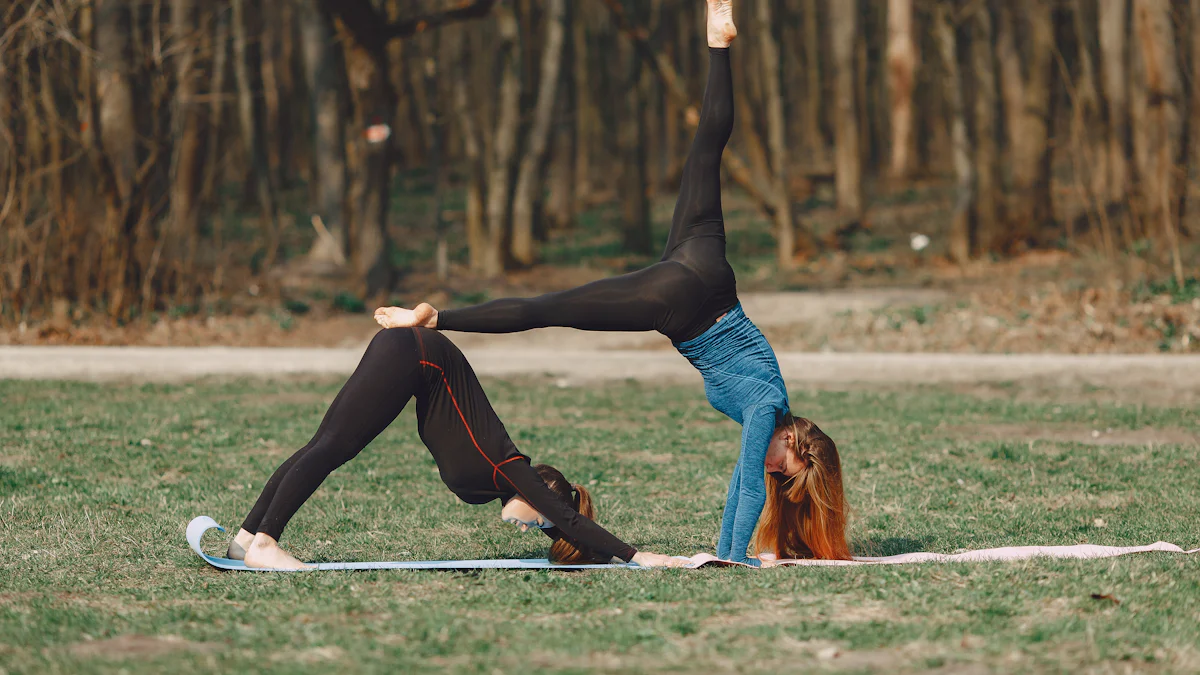
Downward-Facing Dog, or Adho Mukha Svanasana, is a classic inversion that offers a wealth of benefits. You start on your hands and knees, then lift your hips up and back, forming an inverted "V" shape. This pose stretches your spine, hamstrings, and calves while strengthening your arms and shoulders.
As you hold this position, you encourage blood flow in the opposite direction. This boost in circulation sends oxygenated blood to your brain and vital organs. You may notice increased energy levels and mental clarity after practicing this pose. Research shows that inversions like Downward-Facing Dog can trigger the parasympathetic nervous system, promoting relaxation and calmness.
Try to focus on your breath while in this pose. Deep, steady breaths help you connect with your body and enhance the calming effects. You’ll find that this simple yet powerful pose can transform your mood and overall well-being.
Shoulder Stand (Sarvangasana)
Shoulder Stand, or Sarvangasana, is often called the "queen of asanas." You lie on your back, lift your legs overhead, and support your lower back with your hands. This inversion not only strengthens your upper body but also stimulates your thyroid and other glands.
Practicing Shoulder Stand increases blood flow to your brain, which can improve cognitive function, memory, and focus. You might feel a sense of clarity and heightened awareness after holding this pose. Additionally, this inversion helps balance and cleanse your nervous system. It stimulates the pineal and pituitary glands, bringing your mind to a calmer state.
As you settle into Shoulder Stand, pay attention to how your body feels. You may experience a rush of relaxation and tranquility. Regular practice of this pose can enhance your self-confidence and concentration, making it a valuable addition to your yoga routine.
Incorporating these inversions into your practice can lead to numerous health benefits. You’ll not only strengthen your body but also cultivate a sense of peace and clarity in your mind. So, roll out your mat and give these poses a try!
Balance Poses
Eagle Pose (Garudasana)
Eagle Pose, or Garudasana, offers a fantastic way to improve your balance and focus. You start by standing tall, then wrap one leg around the other while crossing your arms at the elbows. This pose challenges your coordination and stability, making it a fun addition to your practice.
As you hold Eagle Pose, you’ll notice how it strengthens your legs and core. This position also enhances your concentration. You might find that balancing in this pose helps clear your mind and reduces distractions.
Research shows that practicing balance poses like Eagle can significantly improve your overall stability. A study published in the International Journal of Yoga found that athletes who engaged in biweekly yoga sessions for ten weeks saw notable improvements in their balance and flexibility. So, incorporating Eagle Pose into your routine can lead to similar benefits.
Half Moon Pose (Ardha Chandrasana)
Half Moon Pose, or Ardha Chandrasana, takes your balance practice to the next level. You begin in a standing position, then lean to one side while lifting the opposite leg parallel to the ground. Extend your arm toward the floor and raise the other arm toward the sky. This pose not only challenges your balance but also stretches your entire body.
As you practice Half Moon Pose, you’ll engage your core and strengthen your legs. This position enhances your focus and helps you connect with your breath. You may feel a sense of freedom as you open your body and mind.
Yoga can significantly improve balance and athletic performance. Many studies highlight the benefits of yoga for enhancing stability in both athletes and healthy adults. By regularly practicing poses like Half Moon, you can boost your overall fitness and well-being.
Incorporating these balance poses into your yoga routine can lead to improved coordination and mental clarity. So, give Eagle and Half Moon a try. You might be surprised at how much they enhance your practice and daily life!
Core Strengthening Poses
Plank Pose (Phalakasana)
Plank Pose, or Phalakasana, is a fantastic way to build core strength. You start in a push-up position, keeping your body in a straight line from head to heels. Engage your core, squeeze your glutes, and hold this position. This pose not only strengthens your abdominal muscles but also works your shoulders, arms, and legs.
As you practice Plank Pose, you’ll notice improvements in your posture and stability. A strong core supports your spine, enhancing your overall balance. Research shows that core strengthening is crucial for improving motor control and flexibility. You’ll find that incorporating Plank into your routine can lead to better performance in other yoga poses.
"Strengthening core muscles provides stability and support for daily activities." - Cleveland Clinic Health Essentials
Try holding Plank for 30 seconds to a minute. Focus on your breath and maintain a steady gaze. You’ll feel the burn, but that’s a sign of progress! Regular practice can help reduce the risk of injuries and back pain, making it a valuable addition to your yoga journey.
Boat Pose (Navasana)
Boat Pose, or Navasana, takes your core workout to the next level. You sit on the mat, lean back slightly, and lift your legs off the ground. Keep your knees bent or extend them straight, forming a "V" shape with your body. Raise your arms parallel to the floor, and hold this position while engaging your core.
This pose challenges your balance and strengthens your abdominal muscles. As you hold Boat Pose, you’ll develop greater stability and control. Studies indicate that building core strength enhances power and prevents falls. You’ll find that a strong core supports you in everyday activities and sports.
"Properly building up core muscles enhances power, balance, stability, and prevents falls and injuries." - Harvard Health Publishing
Aim to hold Boat Pose for 20 to 30 seconds. Focus on your breath and maintain a strong core. You might feel a sense of accomplishment as you master this pose. Regular practice can lead to improved posture and inner strength, making you feel more confident both on and off the mat.
Incorporating these core strengthening poses into your routine can significantly enhance your yoga practice. You’ll not only build physical strength but also cultivate mental resilience. So, roll out your mat and give Plank and Boat a try!
Incorporating various yoga poses into your daily routine offers numerous benefits. You can improve flexibility, strength, and balance while reducing stress and anxiety. Regular practice encourages healthier eating habits and fosters a mindful lifestyle. Explore different positions de yoga based on your health needs. Remember, consistency is key. Make time for your practice, and stay present in each pose. This approach not only enhances your physical well-being but also nurtures your mental clarity and emotional resilience.
FAQ
Is yoga good for you?
Absolutely! Yoga offers numerous benefits for both your body and mind. It can improve flexibility, strength, and balance. You may also find that it reduces stress and anxiety. Many people report feeling more relaxed and focused after practicing yoga. So, if you’re looking for a way to enhance your overall well-being, yoga is a fantastic choice.
What types of yoga should I do?
You have plenty of options when it comes to yoga styles. If you want a gentle practice, try Hatha or Yin yoga. For a more vigorous workout, consider Vinyasa or Ashtanga. Each style offers unique benefits, so explore different classes to find what resonates with you.
How often should I practice yoga?
Aim for at least two to three times a week to experience the full benefits of yoga. Consistency is key. Even short sessions can make a difference. If you can, try to incorporate yoga into your daily routine. You’ll notice improvements in your flexibility and mental clarity over time.
Can yoga help with stress relief?
Definitely! Yoga encourages deep breathing and mindfulness, which can significantly reduce stress levels. Poses like Child's Pose and Corpse Pose promote relaxation. Many practitioners find that regular yoga sessions help them manage stress more effectively.
Do I need to be flexible to start yoga?
Not at all! Yoga is for everyone, regardless of flexibility. Many beginners start with limited flexibility and gradually improve over time. Focus on your breath and listen to your body. With practice, you’ll notice increased flexibility and strength.
What should I wear to a yoga class?
Wear comfortable, breathable clothing that allows you to move freely. Look for materials that wick away sweat. Avoid overly loose clothing, as it might get in the way during poses. A good pair of yoga pants or shorts and a fitted top usually works well.
Can I practice yoga at home?
Yes, practicing yoga at home is a great option! You can follow online classes or use yoga apps to guide you. Create a quiet, comfortable space where you can focus. Just remember to stay consistent and challenge yourself as you progress.
Is it safe to practice yoga if I have an injury?
If you have an injury, consult your doctor or a qualified yoga instructor before starting. They can help you modify poses to avoid aggravating your injury. Many yoga styles offer gentle options that can aid in recovery. Always listen to your body and don’t push through pain.
How long should I hold each pose?
Hold each pose for about 30 seconds to a minute, depending on your comfort level. Focus on your breath and maintain proper alignment. As you become more experienced, you can experiment with longer holds to deepen your practice.
What if I can't do a pose?
It’s perfectly okay if you can’t do a pose right away. Yoga is about progress, not perfection. Use props like blocks or straps to assist you. Modify poses as needed. Remember, every practitioner has their own journey, so be patient with yourself.
See Also
The Health Benefits of Practicing Yoga Poses
Uncover the Advantages of Nude Yoga Practice
Explore the Life-Changing Effects of Yin Yoga

Hi my name is Lia and i am your host in this yoga journey in Portugal, Subscribe to our newsletter to receive every week the best of Yoga in Portugal.

We bring back the importance of initiation into womanhood by Roos-Veerle Krijnen & Ella-June Henrard
Welcome to the Women’s Initiation Retreat by Naked Truth Retreats, a transformative journey into the depths of your True Feminine Nature. This retreat invites you to remember the sacredness and wholeness of your being.
Roos-Veerle Krijnen & Ella-June Henrard