Understanding the Differences Between Hatha and Vinyasa Yoga

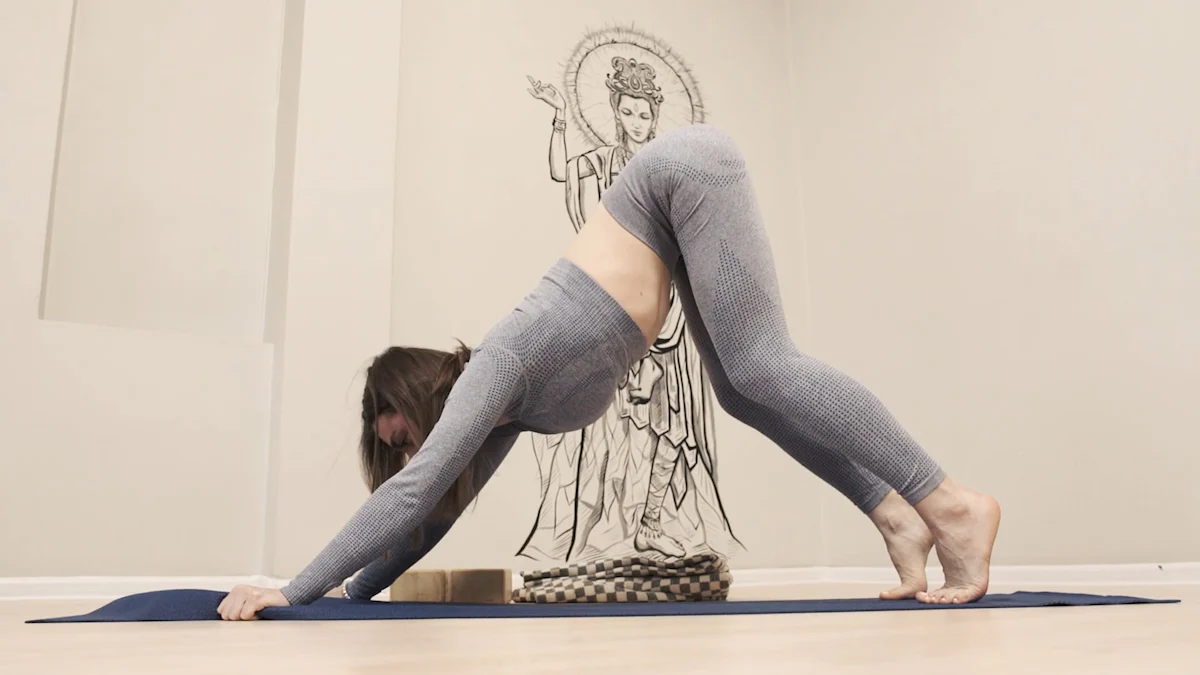
When you explore yoga, you'll often encounter two popular styles: hatha vinyasa yoga. Understanding the differences between these can significantly impact your personal fitness journey. Hatha yoga, known for its slower pace, allows you to hold poses longer, promoting mindfulness and meditation. In contrast, vinyasa yoga offers a dynamic flow, emphasizing breath control and continuous movement. With over 55.1 million Americans practicing yoga in 2020, choosing the right style of hatha vinyasa yoga can help you align with your fitness goals. Whether you seek relaxation or a more vigorous workout, knowing these distinctions will guide your practice effectively.
What is Hatha Yoga?
Overview of Hatha Yoga
Definition and Origin
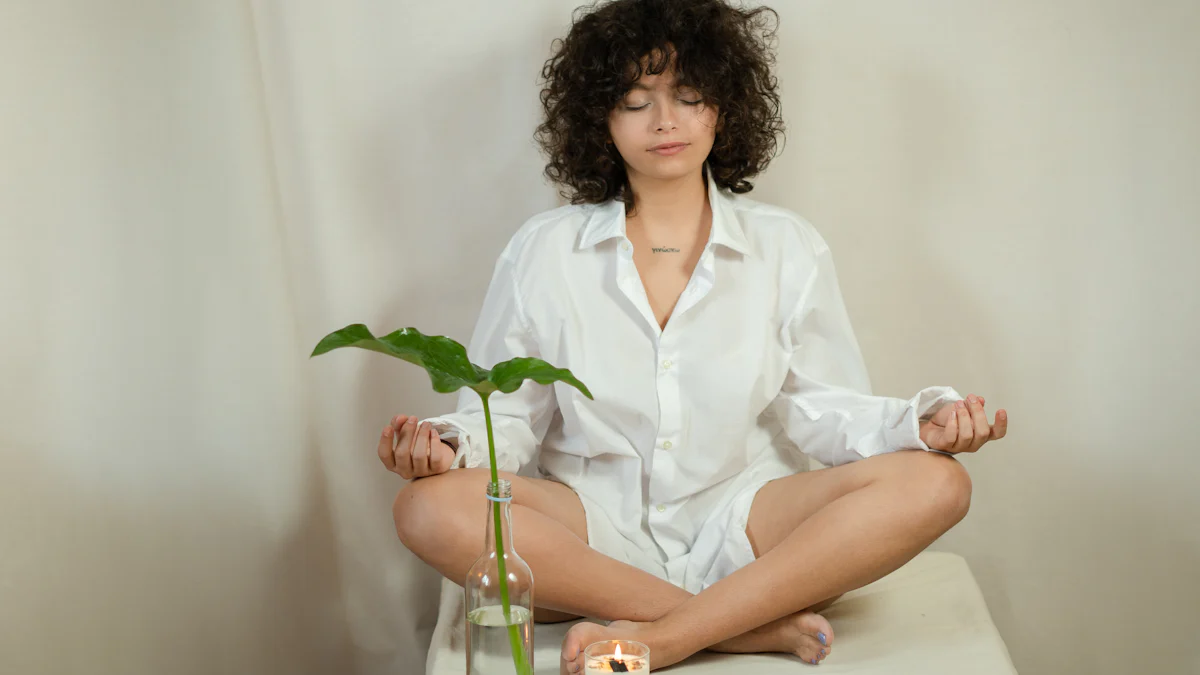
Hatha yoga serves as a foundational style in the world of yoga. It encompasses various physical postures, known as asanas, designed to align your skin, muscles, and bones. Originating from ancient India, Hatha yoga aims to balance the body and mind through physical discipline. This practice forms the basis for many modern yoga styles, including hatha vinyasa yoga.
Typical Class Structure
In a typical Hatha yoga class, you will experience a slower pace. Instructors guide you through individual poses, allowing time to focus on alignment and breath. Classes often begin with a warm-up, followed by a series of standing and seated poses. You may end with relaxation or meditation. This structure provides a comprehensive approach to both physical and mental well-being.
Benefits of Hatha Yoga
Physical Benefits
Hatha yoga offers numerous physical benefits. Regular practice can enhance flexibility, particularly in the spine and hamstrings. A 2015 study in the Journal of Physical Therapy Science highlighted its effectiveness in improving flexibility, especially for older adults. Additionally, Hatha yoga can improve strength and balance, making it a valuable component of your fitness routine.
Mental and Emotional Benefits
The mental and emotional benefits of Hatha yoga are profound. Engaging in this practice can significantly reduce stress and anxiety. A 2013 study in the Journal of Nursing Research found that even a single 90-minute session can lower stress levels. Furthermore, a 2018 study demonstrated that 12 sessions of regular practice can decrease anxiety and depression. This aligns with findings from WebMD, which noted noticeable reductions in anxiety and depression after consistent practice. Hatha yoga encourages mindfulness and relaxation, helping you cultivate a sense of inner peace.
By understanding the essence of Hatha yoga, you can appreciate its role in the broader spectrum of hatha vinyasa yoga. Whether you seek physical improvement or mental clarity, Hatha yoga offers a pathway to achieving your goals.
What is Vinyasa Yoga?
Overview of Vinyasa Yoga
Definition and Origin
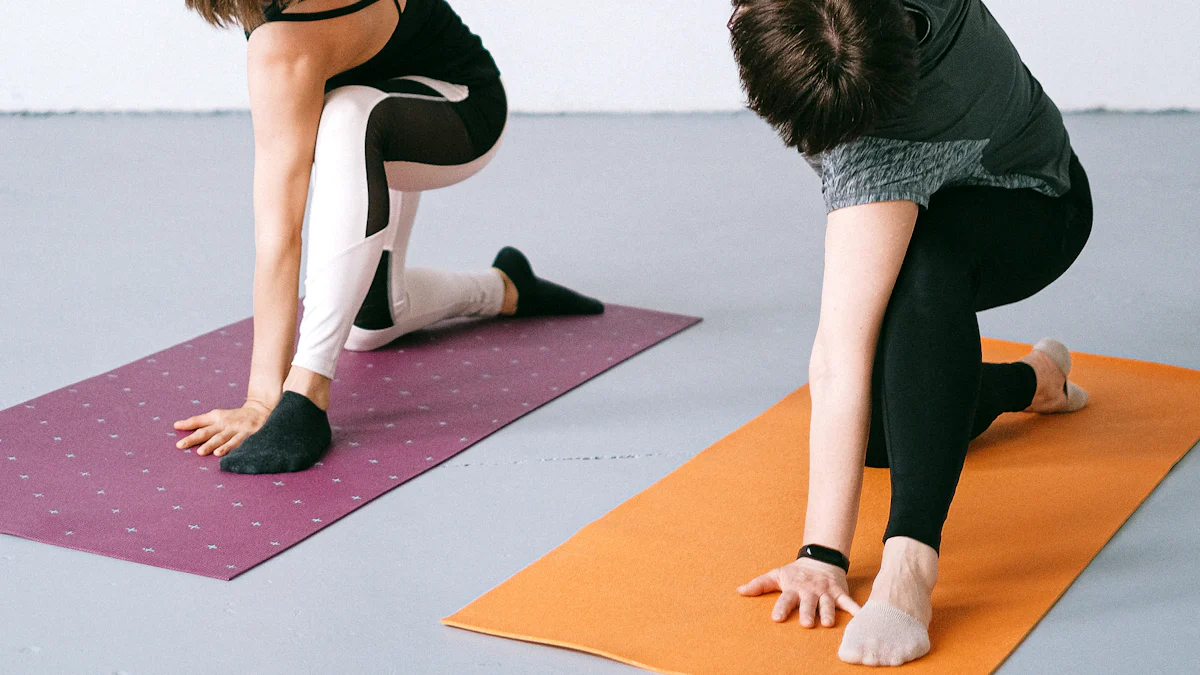
Vinyasa yoga, a dynamic and flowing style, emphasizes the connection between breath and movement. Originating from the Sanskrit word "vinyasa," which means "to place in a special way," this practice involves a sequence of poses that flow seamlessly from one to the next. Unlike Hatha yoga, which focuses on holding poses, Vinyasa yoga encourages continuous movement, creating a dance-like rhythm. This style of yoga has gained popularity for its ability to provide a cardiovascular workout while maintaining the meditative aspects of traditional yoga.
Typical Class Structure
In a Vinyasa yoga class, you will experience a fast-paced environment. Instructors guide you through a series of poses, often referred to as a "flow." Each movement is synchronized with your breath, creating a harmonious balance between body and mind. Classes typically begin with a warm-up, followed by a series of sun salutations and standing poses. The session often concludes with seated poses and a final relaxation. This structure not only enhances physical fitness but also promotes mental clarity.
Benefits of Vinyasa Yoga
Physical Benefits
Vinyasa yoga offers numerous physical benefits. The fast-paced movements and physical challenges make it an ideal light-intensity cardiovascular workout. A 2013 study in the Journal of Yoga & Physical Therapy highlighted how Vinyasa yoga improved the cardiovascular system of healthy adults. Regular practice can enhance your strength, flexibility, and endurance. The continuous flow of poses helps build muscle tone and improve balance, making it a comprehensive workout for your entire body.
Mental and Emotional Benefits
The mental and emotional benefits of Vinyasa yoga are equally significant. Engaging in this practice can lower anxiety and manage stress effectively. Research published in PubMed established preliminary evidence for the acute effects of Vinyasa yoga on affect and stress in young-adult college students. Additionally, a study noted on WebMD found that Vinyasa yoga can even help you quit smoking. By focusing on breath control and movement, you cultivate mindfulness, reducing stress and promoting a sense of well-being.
Understanding Vinyasa yoga's unique characteristics allows you to appreciate its role within the broader spectrum of hatha vinyasa yoga. Whether you aim to improve your physical fitness or seek mental tranquility, Vinyasa yoga provides a dynamic pathway to achieving your goals.
Comparative Analysis of Hatha and Vinyasa Yoga
Pace and Intensity
Differences in Speed and Energy Levels
When you practice yoga, the pace and intensity can significantly influence your experience. Hatha yoga typically offers a slower pace. You hold poses for longer durations, allowing you to focus on alignment and breath control. This approach provides a calming and meditative experience. In contrast, Vinyasa yoga moves at a faster pace. You transition quickly between poses, which requires greater breath control and energy. This dynamic style offers a more vigorous workout, engaging both your body and mind. The increased speed and intensity of Vinyasa yoga make it more physically demanding compared to Hatha yoga.
Pose Connection and Flow
How Poses are Linked in Each Style
The way poses connect in each style also sets them apart. In Hatha yoga, you often take breaks between poses. This allows you to rest and focus on each posture individually. The emphasis is on holding poses and maintaining proper alignment. On the other hand, Vinyasa yoga emphasizes fluid transitions. You move seamlessly from one pose to the next, creating a continuous flow. This style resembles a dance, where each movement is synchronized with your breath. The flowing nature of Vinyasa yoga enhances cardiovascular fitness and builds endurance.
Suitability for Beginners
Which Style is More Beginner-Friendly?
If you're new to yoga, choosing the right style can impact your learning experience. Hatha yoga is generally more accessible for beginners. The slower pace and longer holds allow you to learn poses with proper alignment. You have time to understand the fundamentals of yoga, making it easier to build a strong foundation. Vinyasa yoga, with its faster pace and continuous movement, presents a higher challenge. It requires more coordination and breath control, which might be overwhelming for some beginners. However, if you enjoy a dynamic workout, Vinyasa yoga can be an exciting choice.
By understanding these differences, you can choose the style that aligns with your personal preferences and fitness goals. Whether you seek the meditative calm of Hatha yoga or the energetic flow of Vinyasa yoga, both styles offer unique benefits that can enhance your yoga journey.
Choosing the Right Style for You
Selecting the right yoga style depends on your personal preferences and fitness goals. Both Hatha and Vinyasa yoga offer unique benefits, so understanding what you seek from your practice is crucial.
Personal Preferences and Goals
Factors to Consider
When choosing between Hatha and Vinyasa yoga, consider what you want to achieve. If relaxation and mental clarity are your priorities, Hatha yoga might be more suitable. Dr. Nitasha Buldeo, a yoga instructor, explains that Hatha yoga focuses on creating balance in the body and mind through breath and movement. This practice emphasizes relaxation and flexibility, making it ideal for those seeking a meditative experience.
On the other hand, if you desire a more dynamic workout, Vinyasa yoga could be the better choice. This style offers a cardiovascular workout while maintaining the meditative aspects of traditional yoga. It involves continuous movement and breath synchronization, providing a more vigorous exercise routine.
Consider these factors:
Relaxation vs. Exercise: Hatha yoga is often regarded as meditation, while Vinyasa is seen as exercise.
Breath and Movement: Hatha emphasizes steadied breathing and meditation, whereas Vinyasa focuses on fluid transitions and breath control.
Mental Health Benefits: Both styles improve mental health, but Hatha yoga is particularly noted for enhancing sleep patterns due to its relaxation focus.
In your journey through hatha vinyasa yoga, you’ve discovered the key differences between Hatha and Vinyasa yoga. Hatha yoga offers a slower pace, focusing on mindfulness and meditation, while Vinyasa yoga provides a dynamic flow with an emphasis on breath control. Exploring both styles allows you to find what resonates with your personal fitness goals. Remember, your preference plays a crucial role in selecting the right practice. As you delve deeper into hatha vinyasa yoga, embrace the opportunity to explore, learn, and grow, much like the explorers of yoga's past who found joy and transformation in their practice.
See Also
Exploring The Advantages Of Practicing Bikram Yoga
Key Takeaways From Iyengar Yoga For Newcomers
Grasping The Creation Of Gajakesari Yoga

Hi my name is Lia and i am your host in this yoga journey in Portugal, Subscribe to our newsletter to receive every week the best of Yoga in Portugal.

We bring back the importance of initiation into womanhood by Roos-Veerle Krijnen & Ella-June Henrard
Welcome to the Women’s Initiation Retreat by Naked Truth Retreats, a transformative journey into the depths of your True Feminine Nature. This retreat invites you to remember the sacredness and wholeness of your being.
Roos-Veerle Krijnen & Ella-June Henrard