How Do Pilates and Yoga Differ?

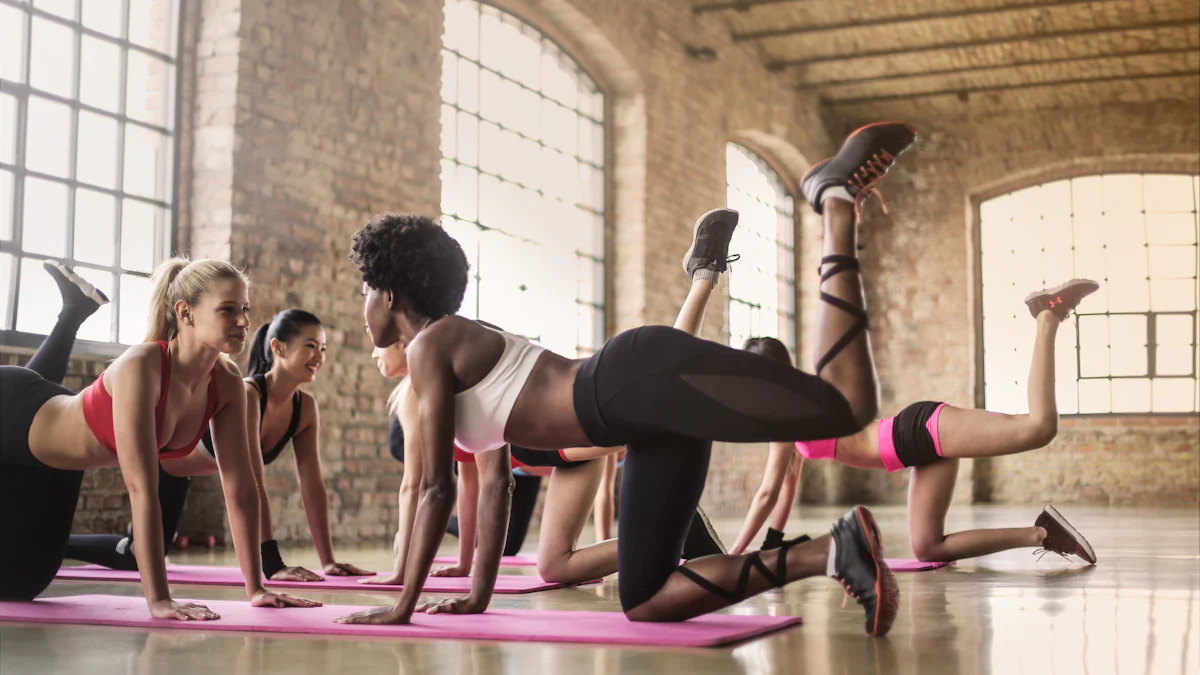
Pilates dan yoga have captivated millions worldwide, offering unique paths to health and wellness. Yoga, with its ancient roots in India, connects the mind, body, and spirit through poses, breathing, and meditation. Pilates, developed in the 20th century, focuses on core strength, posture, and controlled movements. Both practices have surged in popularity, contributing to a $12.7 billion mindful movement market in the U.S. by 2022. Whether you're seeking flexibility, mindfulness, or physical conditioning, understanding pilates dan yoga can help you choose the one that fits your lifestyle.
Key Takeaways
Yoga focuses on flexibility, mindfulness, and spiritual growth, making it ideal for those seeking a holistic approach to wellness.
Pilates emphasizes core strength, alignment, and controlled movements, perfect for improving physical conditioning and rehabilitation.
Both practices offer unique benefits: Yoga enhances mental clarity and stress reduction, while Pilates promotes core stability and injury prevention.
Consider your goals: Choose Yoga for relaxation and mindfulness, or Pilates for strength and posture improvement.
Equipment needs differ: Yoga typically requires minimal tools, while Pilates often involves specialized equipment like the Reformer.
Experiment with both practices to discover which resonates with you, or combine them for a balanced fitness routine.
Remember, both Pilates and Yoga can transform your health journey, so choose the one that aligns with your lifestyle and aspirations.
What Is Yoga?
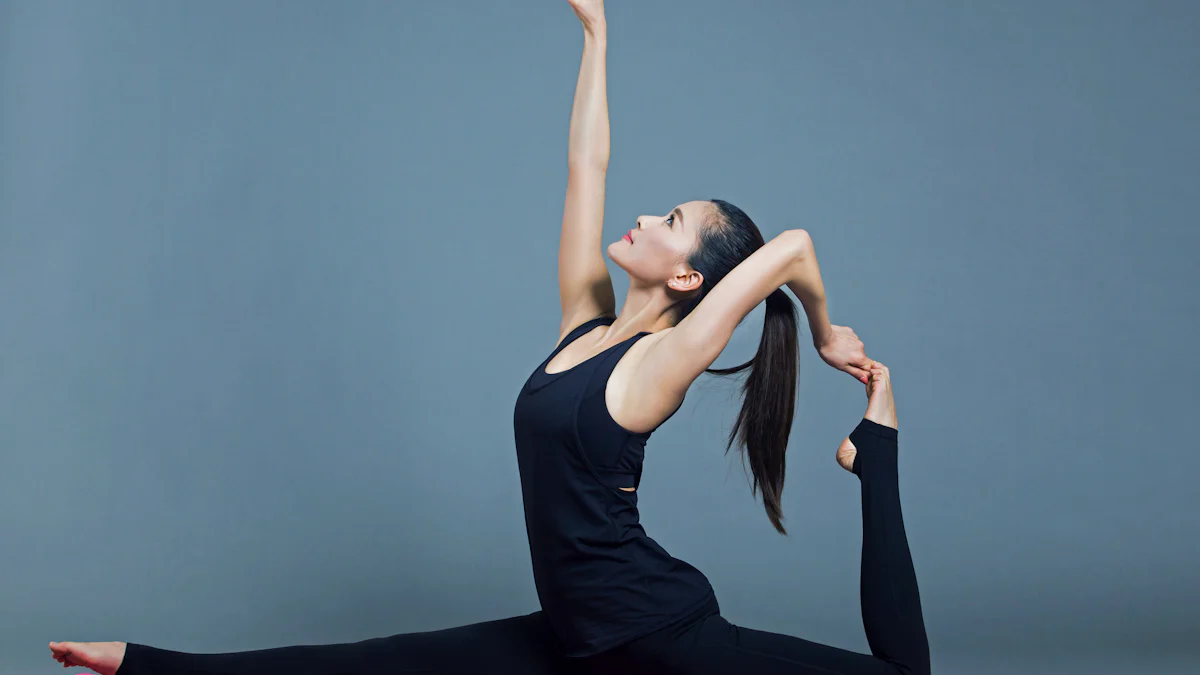
Yoga is an ancient practice that has stood the test of time, offering a blend of physical, mental, and spiritual growth. Its rich history and diverse techniques make it a unique journey for anyone seeking balance and mindfulness.
Origins of Yoga
Yoga originated over 5,000 years ago in India, deeply rooted in spiritual traditions. It began as a way to connect the mind, body, and spirit, forming a holistic approach to well-being. Over centuries, yoga evolved, incorporating various practices and philosophies. Different schools of thought emerged, each adding its own flavor to the discipline.
In the early 20th century, yoga masters brought this practice to Europe and North America. They introduced it not just as a physical exercise but as a spiritual journey. Today, yoga has become a global phenomenon, blending ancient wisdom with modern lifestyles.
"Yoga is the journey of the self, through the self, to the self." – The Bhagavad Gita
Techniques and Practices in Yoga
Yoga offers a variety of techniques that cater to both the body and mind. At its core, it focuses on three main elements:
Poses (Asanas): These physical postures improve strength, flexibility, and balance. Each pose challenges your body while promoting mindfulness.
Breathing (Pranayama): Controlled breathing techniques help calm your mind and enhance your focus. They also play a key role in connecting your movements with your breath.
Meditation: This practice encourages mental clarity and relaxation, helping you find inner peace.
Yoga also comes in different styles, each with its own approach:
Hatha Yoga: A gentle introduction to basic poses, perfect for beginners.
Vinyasa Yoga: A dynamic flow of poses synchronized with breath.
Ashtanga Yoga: A more structured and physically demanding style.
These styles allow you to choose a practice that aligns with your goals and preferences.
Benefits of Yoga
Yoga offers a wide range of benefits that go beyond physical fitness. Here’s what you can gain:
Improved Flexibility and Balance: Regular practice helps you move more freely and maintain better posture.
Mental Clarity: Yoga encourages mindfulness, sharpening your focus and reducing mental clutter.
Stress Reduction: Breathing exercises and meditation promote relaxation, helping you manage stress effectively.
Enhanced Well-Being: By combining physical movement with mental calmness, yoga fosters a sense of harmony in your daily life.
Whether you're looking to stretch your body, calm your mind, or explore a deeper connection with yourself, yoga provides a path tailored to your needs. Its timeless appeal continues to inspire millions worldwide, making it a cornerstone of the mindful movement.
What Is Pilates?
Pilates is a modern exercise method that has transformed the way people approach fitness and rehabilitation. Its focus on precision, control, and core strength makes it a favorite for those seeking a balanced and effective workout.
Origins of Pilates
Pilates was developed in the early 20th century by Joseph Pilates, a German physical trainer with a passion for movement and anatomy. During World War I, Joseph began crafting exercises to help injured soldiers regain strength and mobility. His innovative techniques laid the foundation for what we now know as Pilates.
In the 1920s, Joseph and his wife Clara immigrated to New York City, where they opened their first Pilates studio. Their method quickly gained popularity among dancers and athletes who sought improved performance and recovery. By the 1980s, Pilates had become a mainstream fitness phenomenon, inspiring millions worldwide. Today, it continues to thrive as a versatile practice that caters to diverse fitness levels and goals.
"Physical fitness is the first requisite of happiness." – Joseph Pilates
Techniques and Practices in Pilates
Pilates emphasizes controlled movements and precise techniques to engage your body effectively. Here’s what you can expect:
Core Strength: Every movement in Pilates begins with your core. This focus helps you build stability and power from the center of your body.
Controlled Movements: Pilates prioritizes quality over quantity. Each exercise requires deliberate and mindful execution, ensuring maximum benefit.
Precision: Attention to detail is key. Proper alignment and technique help you avoid injury and achieve optimal results.
Pilates also incorporates specialized equipment to enhance your practice:
The Reformer: A versatile machine with springs and pulleys that adds resistance to your movements.
Mat-Based Exercises: These exercises use your body weight and minimal props, making them accessible and convenient.
Whether you prefer equipment-based sessions or mat workouts, Pilates offers a structured and adaptable approach to fitness.
Benefits of Pilates
Pilates provides a wide range of benefits that can transform your physical health and overall well-being. Here’s how it can help you:
Core Stability: Strengthening your core improves balance, posture, and overall body control.
Posture Improvement: Pilates helps align your spine and correct imbalances, reducing strain on your body.
Muscle Tone: The exercises target specific muscle groups, enhancing definition and strength.
Injury Prevention: By focusing on proper alignment and controlled movements, Pilates reduces the risk of injuries.
Rehabilitation Support: Pilates is an excellent choice for recovering from injuries or surgeries, as it promotes gentle yet effective strengthening.
Pilates offers a unique blend of physical conditioning and mindful movement. Whether you're looking to recover from an injury, improve your posture, or simply strengthen your body, Pilates provides a tailored solution. Its growing popularity alongside pilates dan yoga highlights its effectiveness in promoting a healthier lifestyle.
Key Differences Between Pilates and Yoga
When deciding between Pilates and yoga, understanding their key differences can help you choose the practice that suits your needs. While both promote physical and mental well-being, their focus, techniques, and tools set them apart.
Focus and Goals
Yoga prioritizes flexibility, mindfulness, and spiritual growth.
Yoga takes a holistic approach, blending physical poses, breathing exercises, and meditation. It aims to connect your mind, body, and spirit. The practice encourages mindfulness and inner peace while improving flexibility and balance. If you're looking for a way to reduce stress and explore spiritual growth, yoga might be your ideal choice.
"Yoga is not about touching your toes. It is what you learn on the way down." – Jigar Gor
Pilates emphasizes core strength, alignment, and physical conditioning.
Pilates focuses on building a strong foundation through core strength. Every movement challenges your stability and posture, helping you develop better alignment and muscle tone. This makes Pilates an excellent option if you're aiming to improve physical conditioning or recover from an injury. Its structured approach appeals to those who prefer precision and control in their workouts.
Breathing Techniques
Yoga incorporates deep, rhythmic breathing tied to poses and meditation.
In yoga, breathing plays a central role. Known as pranayama, these techniques help you synchronize your breath with your movements. Deep, rhythmic breathing calms your mind and enhances your focus. This connection between breath and body creates a meditative experience, making yoga a powerful tool for relaxation and stress relief.
Pilates uses controlled, diaphragmatic breathing to support movement.
Pilates breathing focuses on control and precision. You engage your diaphragm to support each movement, ensuring proper oxygen flow to your muscles. This technique enhances your performance and helps you maintain stability during exercises. Unlike yoga, Pilates breathing is more functional, designed to complement the physical demands of the practice.
Use of Equipment
Yoga typically requires minimal equipment, such as a mat and blocks.
Yoga keeps things simple. All you need is a mat, and sometimes props like blocks or straps to assist with poses. This minimalistic approach makes yoga accessible and easy to practice anywhere. Whether you're at home, in a studio, or outdoors, yoga adapts to your environment with ease.
Pilates often involves specialized equipment like the Reformer.
Pilates offers a mix of mat-based exercises and equipment-based workouts. The Reformer, a machine with springs and pulleys, adds resistance to your movements, enhancing strength and flexibility. This equipment allows for a more tailored experience, catering to different fitness levels and rehabilitation needs. If you enjoy using tools to challenge your body, Pilates might be the better fit.
Both pilates dan yoga offer unique benefits, but their differences make them suitable for different goals. Yoga invites you to explore mindfulness and spiritual growth, while Pilates focuses on precision and physical strength. By understanding these distinctions, you can choose the practice that aligns with your lifestyle and aspirations.
Spiritual Emphasis
Yoga integrates spiritual and philosophical elements.
Yoga goes beyond physical exercise. It weaves together the mind, body, and spirit, creating a practice that feels deeply holistic. Rooted in ancient Indian traditions, yoga incorporates spiritual teachings and philosophies that aim to guide you toward self-awareness and inner peace. Many yoga classes include moments of meditation or chanting, which help you connect with your thoughts and emotions on a deeper level.
The spiritual aspect of yoga often encourages mindfulness and gratitude. For example, the practice of pranayama (breathing techniques) not only calms your mind but also fosters a sense of connection with the present moment. Additionally, yoga philosophy, as outlined in texts like the Yoga Sutras, emphasizes principles such as kindness, truthfulness, and self-discipline. These teachings can inspire you to carry the lessons learned on the mat into your daily life.
"Yoga is the perfect opportunity to be curious about who you are." – Jason Crandell
If you're seeking a practice that nurtures both your physical and spiritual well-being, yoga offers a path that feels enriching and transformative.
Pilates is primarily a physical practice with no spiritual component.
Pilates, on the other hand, focuses entirely on the physical body. Joseph Pilates designed this method to strengthen muscles, improve posture, and enhance overall physical fitness. Unlike yoga, Pilates does not incorporate spiritual teachings or meditative practices. Instead, it emphasizes precision, control, and alignment in every movement.
The absence of a spiritual element makes Pilates an excellent choice if you prefer a straightforward, goal-oriented workout. Its structured approach appeals to those who want to focus on building strength and stability without delving into philosophical or spiritual concepts. Pilates challenges your body through controlled movements, often using equipment like the Reformer to target specific muscle groups.
While Pilates lacks the spiritual depth of yoga, it excels in delivering a highly effective physical workout. If your primary goal is to improve your core strength, posture, or flexibility, Pilates provides a practical and focused solution.
Both pilates dan yoga offer unique experiences. Yoga invites you to explore mindfulness and spiritual growth, while Pilates delivers a purely physical practice that sharpens your body. Your choice depends on what resonates with your personal goals and preferences.
How to Choose Between Pilates and Yoga
Choosing between Pilates and yoga depends on what you want to achieve and how you prefer to move. Both practices offer unique benefits, so understanding your goals and preferences can guide you toward the right choice.
Consider Your Goals
Your fitness and wellness goals play a big role in deciding which practice suits you best.
Choose Yoga for flexibility, stress relief, and mindfulness.
If you’re looking to improve flexibility, reduce stress, or embrace mindfulness, yoga might be the perfect fit. Yoga combines physical poses, breathing techniques, and meditation to create a holistic experience. It’s ideal for those who want to stretch their bodies while calming their minds. The spiritual aspect of yoga also encourages self-awareness and emotional balance, making it a great choice for mental well-being.
Opt for Pilates for core strength, posture improvement, and rehabilitation.
Pilates focuses on building core strength and improving posture. If you want to tone your muscles, enhance your alignment, or recover from an injury, Pilates offers a structured and effective approach. Its emphasis on controlled movements and precision makes it a favorite for rehabilitation and physical conditioning. Pilates helps you develop a strong foundation, which can benefit your overall fitness journey.
Assess Your Preferences
Your personal preferences can also help you decide which practice feels more enjoyable and sustainable.
Decide if you prefer a spiritual or purely physical practice.
Yoga integrates spiritual and philosophical elements, offering a deeper connection between your mind, body, and spirit. If you enjoy exploring mindfulness and inner peace, yoga might resonate with you. On the other hand, Pilates focuses solely on physical fitness. It’s a straightforward workout that prioritizes strength, control, and precision. If you prefer a goal-oriented exercise without spiritual components, Pilates could be the better choice.
Consider whether you enjoy using equipment or prefer minimal tools.
Yoga requires minimal equipment, usually just a mat and optional props like blocks or straps. This simplicity makes it easy to practice anywhere. Pilates, however, often incorporates specialized equipment like the Reformer, which adds resistance and variety to your workouts. If you enjoy using tools to challenge your body, Pilates might appeal to you. For those who prefer a minimalist approach, yoga offers a more accessible option.
Try Both Practices
Sometimes, the best way to decide is by experiencing both practices firsthand.
Experiment with classes to see which resonates with you.
Take a few yoga and Pilates classes to get a feel for each practice. Pay attention to how your body responds and which style you enjoy more. Some people find that yoga’s meditative flow suits their needs, while others prefer the structured movements of Pilates. Trying both can help you discover what aligns with your goals and lifestyle.
Combine both practices for a well-rounded fitness routine.
You don’t have to choose just one! Many people find that combining Pilates and yoga creates a balanced fitness routine. Yoga enhances flexibility and mindfulness, while Pilates strengthens your core and improves posture. Together, they complement each other beautifully, offering a comprehensive approach to physical and mental well-being.
"The beauty of pilates dan yoga lies in their ability to adapt to your needs. Whether you choose one or both, they can transform your health and wellness journey."
By considering your goals, preferences, and experiences, you can make an informed decision about which practice suits you best. Both Pilates and yoga offer incredible benefits, so there’s no wrong choice—only the one that feels right for you.
Frequently Asked Questions
Can I practice both Pilates and Yoga?
Absolutely! You can practice both Pilates and yoga to enjoy the best of both worlds. Each offers unique benefits that complement one another beautifully. Yoga enhances flexibility, mindfulness, and relaxation, while Pilates focuses on core strength, posture, and controlled movements. Together, they create a balanced fitness routine that supports both your physical and mental well-being.
For example, you might use yoga to stretch and calm your mind after a long day, then turn to Pilates for a structured workout that strengthens your core. Many people find that combining these practices helps them achieve a more holistic approach to health. As Trifecta Pilates highlights, this question often arises because both practices offer such distinct yet valuable experiences. Why choose when you can have both?
Which is better for weight loss: Pilates or Yoga?
The answer depends on your goals and preferences. Both Pilates and yoga can contribute to weight loss, but they do so in different ways. Pilates focuses on building muscle tone and improving posture through controlled movements. This can increase your metabolism over time, helping you burn calories more efficiently. If you enjoy structured exercises that target specific muscle groups, Pilates might be your go-to.
Yoga, on the other hand, offers a more holistic approach. Dynamic styles like Vinyasa or Ashtanga yoga provide a cardiovascular workout that burns calories while improving flexibility and balance. Additionally, yoga’s emphasis on mindfulness can help you make healthier lifestyle choices, which may support long-term weight management.
As WebMD notes, the choice between Pilates and yoga often depends on what you want to achieve. If strength and flexibility are your priorities, Pilates might suit you better. If overall wellness and mindfulness appeal to you, yoga could be the better fit.
Are Pilates and Yoga suitable for beginners?
Yes, both Pilates and yoga are beginner-friendly. Each practice offers modifications and beginner-level classes to help you ease into the movements. In yoga, styles like Hatha or gentle yoga provide a slower pace, making it easier to learn basic poses and breathing techniques. These classes focus on alignment and mindfulness, ensuring you feel comfortable as you start your journey.
Pilates also caters to beginners with mat-based exercises that require minimal equipment. The emphasis on precision and control allows you to build strength gradually. If you’re recovering from an injury or dealing with chronic pain, Pilates can be particularly beneficial. As Simpson and Bertali point out, Pilates offers adaptable solutions for rehabilitation and improving posture, making it a restorative choice for newcomers.
Whether you choose yoga, Pilates, or both, starting with beginner classes ensures a safe and enjoyable experience. Remember, every expert was once a beginner, so take your time and enjoy the process!
Do I need special equipment for Pilates or Yoga?
When starting Pilates or yoga, you might wonder if you need to invest in special equipment. The good news is that both practices are accessible, and the equipment requirements vary depending on your preferences and goals.
Yoga: Minimal and Accessible
Yoga keeps things simple. All you really need is a yoga mat to provide cushioning and grip during poses. Many people also use props like blocks, straps, or bolsters to support their practice, especially when working on flexibility or alignment. These tools are optional but can make certain poses more comfortable and accessible.
The beauty of yoga lies in its adaptability. You can practice almost anywhere—at home, in a studio, or even outdoors. The minimal equipment makes it easy to roll out your mat and start your session without much preparation.
"Yoga is about creating space in your body and mind, not about the tools you use." – Unknown
Pilates: Versatile with Options
Pilates offers more variety when it comes to equipment. If you’re doing mat-based Pilates, you’ll only need a mat, similar to yoga. However, Pilates mats are often thicker to provide extra support for your spine and joints during exercises.
For those who want to explore equipment-based Pilates, tools like the Reformer, Cadillac, or Wunda Chair come into play. These machines use springs and pulleys to add resistance, helping you build strength and improve alignment. While these machines enhance the experience, they aren’t necessary for beginners or those practicing at home.
If you’re recovering from an injury or focusing on rehabilitation, equipment-based Pilates can be particularly beneficial. As Simpson and Bertali highlight, Pilates equipment offers adaptable solutions for improving posture and relieving lower back pain.
Which One Fits Your Lifestyle?
Your choice depends on your preferences and lifestyle. If you prefer a minimalist approach, yoga’s simplicity might appeal to you. On the other hand, if you enjoy using tools to challenge your body or target specific muscle groups, Pilates equipment could enhance your experience.
You don’t need to break the bank to start either practice. Begin with the basics—a mat for yoga or Pilates—and explore additional tools as you grow more comfortable. Both practices prioritize accessibility, ensuring you can focus on your journey without worrying about gear.
Pilates and yoga each bring something special to the table, offering benefits that cater to your unique goals and preferences. Yoga helps you find balance, flexibility, and mindfulness, while Pilates strengthens your core, improves posture, and supports rehabilitation. Choosing between them depends on what you want to achieve. You might even enjoy combining both for a well-rounded routine. According to a 2017 survey, one in seven adults practiced yoga in the past year, showing its widespread appeal. Whether you choose pilates dan yoga or both, they can guide you toward a healthier, more balanced lifestyle.
See Also
Choosing Between Yoga And Pilates For Your Needs
Exploring The Distinctions Between Qigong And Yoga
Key Insights Into The Differences Of Yoga And Qigong
Hi my name is Lia and i am your host in this yoga journey in Portugal, Subscribe to our newsletter to receive every week the best of Yoga in Portugal.

We bring back the importance of initiation into womanhood by Roos-Veerle Krijnen & Ella-June Henrard
Welcome to the Women’s Initiation Retreat by Naked Truth Retreats, a transformative journey into the depths of your True Feminine Nature. This retreat invites you to remember the sacredness and wholeness of your being.
Roos-Veerle Krijnen & Ella-June Henrard