Dharma Yoga: Easy Steps for Home Practice

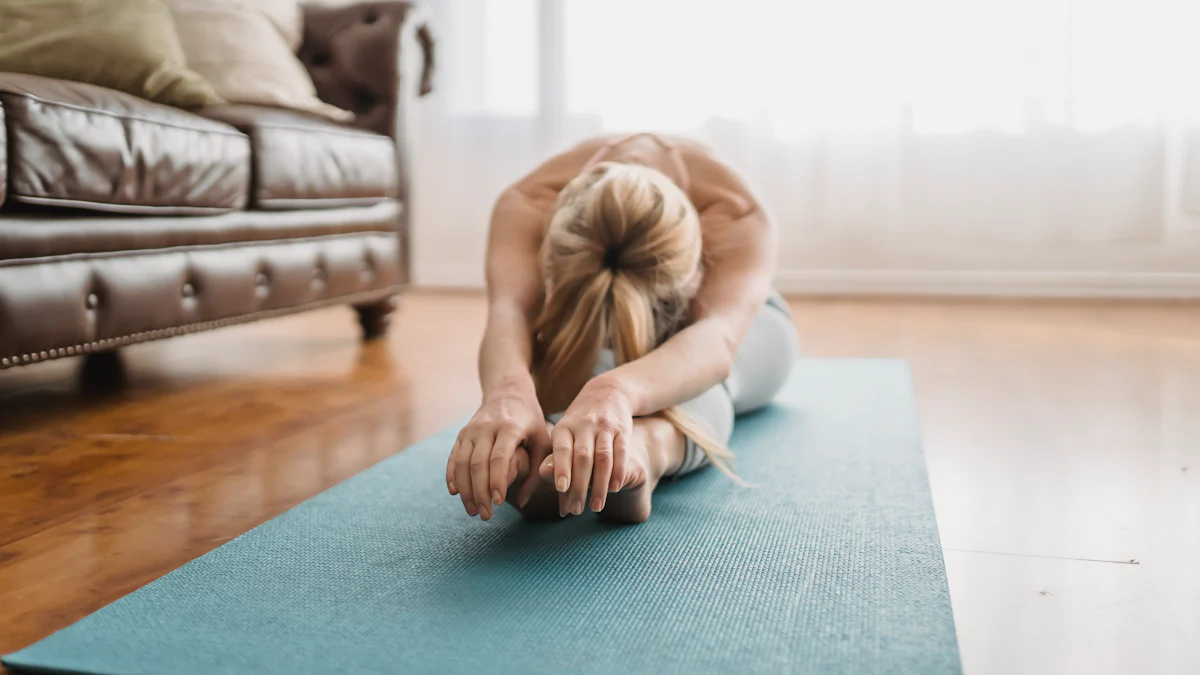
Dharma Yoga offers a unique blend of physical and mental benefits. It emphasizes consistent breathing and concentration, which can enhance your overall well-being. Practicing Dharma Yoga at home allows you to create a personal sanctuary where you can grow and become more flexible. You can experience wonderful physical and mental benefits by dedicating just ten minutes a day to deep relaxation or savasana. This practice not only improves your physical health but also nurtures your mind, helping you find balance and peace in your daily life.
Creating a Suitable Environment for Dharma Yoga
Choosing the Right Space
Considerations for Space Selection
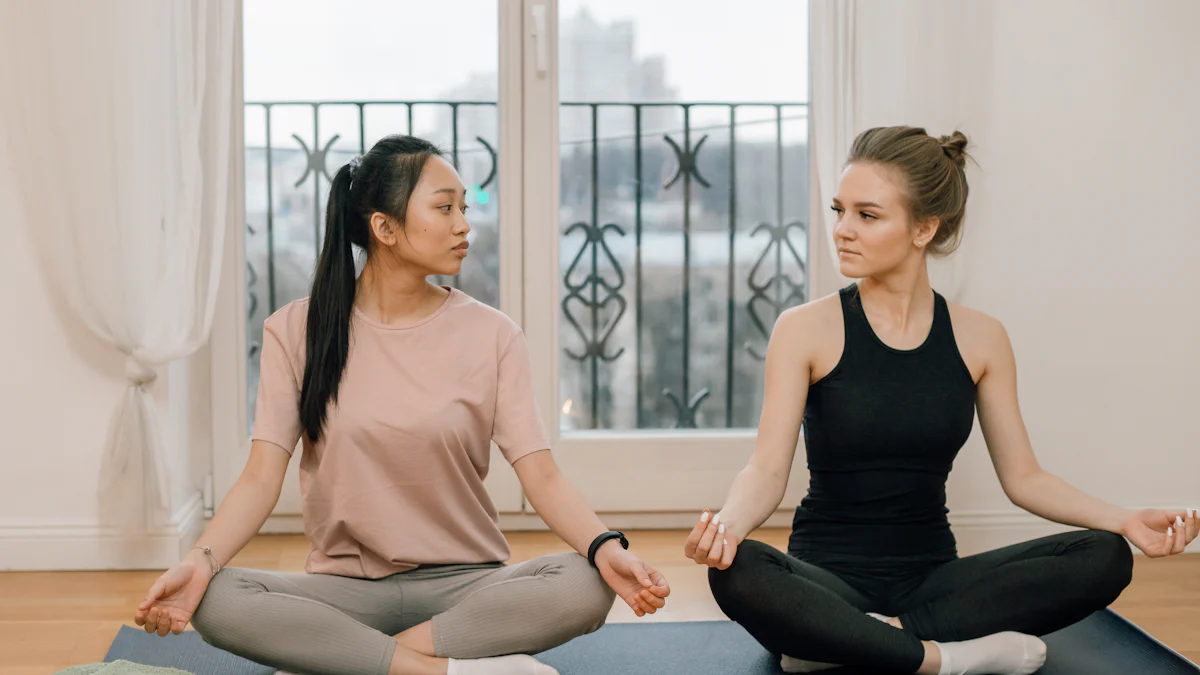
When you start practicing Dharma Yoga at home, picking the right spot is crucial. Look for a quiet area where you won't get interrupted. This space should be free from clutter to help you focus better. A clean and open area allows you to move freely and safely. Make sure there's enough room for your yoga mat and any props you might use. Natural light can enhance your practice, so if possible, choose a spot near a window.
Setting Up a Calm and Inviting Atmosphere
Creating a peaceful atmosphere can make your yoga practice more enjoyable. You can add personal touches to your space to make it inviting. Consider using soft lighting or candles to create a warm glow. Some people find that playing gentle music helps them relax and concentrate. You might also want to include elements like plants or artwork that inspire calmness and positivity. These small additions can transform your space into a sanctuary for your practice.
Gathering Essential Tools
Yoga Mat and Props
Having the right tools can enhance your Dharma Yoga experience. A good-quality yoga mat provides a stable surface and prevents slipping. You might also want to gather some props like blocks, straps, and blankets. These can help you achieve poses more comfortably and safely. Yoga Props Available for Use include blocks and straps, which are great for beginners and advanced practitioners alike. They support your body and help you maintain proper alignment.
Optional Enhancements (e.g., candles, music)
While not essential, certain enhancements can elevate your practice. Candles can create a soothing ambiance, and their gentle flicker can be calming. Music is another option; choose tunes that are soft and meditative to help you focus. Some people enjoy using essential oils or incense to add a pleasant aroma to their space. These enhancements are optional, but they can make your practice feel more special and personalized.
Introduction to Basic Dharma Yoga Practices
Embarking on your Dharma Yoga journey at home can be both exciting and rewarding. This section will guide you through some basic practices that form the foundation of Dharma Yoga. By focusing on breathing techniques and simple poses, you'll start to experience the profound benefits of this practice.
Breathing Techniques in Dharma Yoga
Importance of Breath in Yoga
In Dharma Yoga, breath is more than just a physical function; it's a vital component of your practice. Breathing, or pranayama, plays a crucial role in enhancing your yoga experience. It helps improve respiratory function, calms the mind, and increases vitality. When you focus on your breath, you create a deeper connection between your body and mind. This connection is essential for achieving balance and tranquility in your practice.
Simple Breathing Exercises
To get started with pranayama, try these simple exercises:
Deep Belly Breathing: Sit comfortably with your back straight. Inhale deeply through your nose, allowing your belly to expand. Exhale slowly, letting your belly fall. Repeat this for a few minutes to calm your mind and body.
Alternate Nostril Breathing: Use your thumb to close your right nostril. Inhale through your left nostril, then close it with your ring finger. Open your right nostril and exhale. Inhale through the right nostril, close it, and exhale through the left. This exercise balances your energy and enhances concentration.
Ujjayi Breath: Inhale deeply through your nose, slightly constricting the back of your throat. Exhale with the same constriction, creating a soft ocean-like sound. This technique helps maintain focus and control during your practice.
Basic Poses and Sequences
Foundational Poses for Beginners
Starting with foundational poses is key to building a strong Dharma Yoga practice. Here are a few beginner-friendly poses to try:
Mountain Pose (Tadasana): Stand tall with your feet together, arms at your sides. Engage your thighs and lift your chest. This pose improves posture and grounding.
Downward-Facing Dog (Adho Mukha Svanasana): Begin on your hands and knees. Lift your hips, straighten your legs, and press your heels toward the ground. This pose stretches the entire body and strengthens the arms and legs.
Warrior I (Virabhadrasana I): Step one foot forward, bending the knee, and extend your arms overhead. Keep your back leg straight. This pose builds strength and stability.
Creating a Simple Sequence
Once you're comfortable with individual poses, try creating a simple sequence. A sequence helps you flow from one pose to another, enhancing the fluidity of your practice. Here's a basic sequence to get you started:
Begin in Mountain Pose.
Transition to Downward-Facing Dog.
Step forward into Warrior I with your right foot.
Return to Downward-Facing Dog.
Step forward into Warrior I with your left foot.
Finish in Mountain Pose.
Practicing this sequence regularly will help you build strength, flexibility, and confidence in your Dharma Yoga practice. Remember, consistency is key. Even dedicating a few minutes each day can lead to significant improvements in your physical and mental well-being.
Exploring Specific Elements of Dharma Yoga
Understanding the Eight Limbs of Yoga
Overview of the Eight Limbs
The Eight Limbs of Yoga, outlined in the Yoga Sutra of Patanjali, serve as a roadmap to self-realization and inner peace. These limbs guide you through ethical living, discipline, and meditation, fostering a deeper connection with yourself and the world around you. Here's a quick look at each limb:
Yamas: These are ethical guidelines that encourage non-violence, truthfulness, and integrity.
Niyamas: These personal observances promote purity, contentment, and self-discipline.
Asanas: Physical postures that enhance strength and flexibility.
Pranayama: Breathing exercises that increase vitality and focus.
Pratyahara: Withdrawal of the senses to foster inner awareness.
Dharana: Concentration techniques to quiet the mind.
Dhyana: Meditation practices that deepen your connection to the divine.
Samadhi: A state of blissful union with the universe.
"The practice of the 8 limbs of yoga leads to profound spiritual growth by building upon each limb, creating a holistic approach that benefits self-awareness, physical and mental discipline, concentration, and union with the divine."
Applying the Limbs in Daily Practice
Incorporating these limbs into your daily routine can transform your life. Start by focusing on the Yamas and Niyamas. Practice kindness and honesty in your interactions. Dedicate time to physical postures and breathing exercises. These practices not only improve your physical health but also nurture your mind and spirit.
Consider setting aside a few minutes each day for meditation. This helps you cultivate concentration and mindfulness. As you progress, you'll find that these practices naturally integrate into your daily life, leading to a more balanced and peaceful existence.
Incorporating Meditation
Benefits of Meditation in Yoga
Meditation is a cornerstone of Dharma Yoga. It offers numerous benefits, enhancing both your yoga practice and overall well-being. Regular meditation can reduce stress, improve focus, and promote emotional health. It helps you connect with your inner self, fostering a sense of peace and clarity.
"Dharma yoga includes physical postures, breathing exercises, deep meditation, service to others, study of yogic texts, and moral living as essential practices for spiritual enlightenment."
Simple Meditation Techniques
Starting with meditation doesn't have to be complicated. Here are a few simple techniques to try:
Mindful Breathing: Sit comfortably and focus on your breath. Notice the sensation of air entering and leaving your body. This practice helps anchor your mind in the present moment.
Body Scan: Lie down and mentally scan your body from head to toe. Notice any tension or discomfort, and consciously relax those areas. This technique promotes relaxation and body awareness.
Loving-Kindness Meditation: Close your eyes and silently repeat phrases of goodwill, such as "May I be happy, may I be healthy." Extend these wishes to others, cultivating compassion and empathy.
By incorporating these meditation practices into your routine, you'll enhance your Dharma Yoga journey, experiencing greater peace and fulfillment in your daily life.
Progressing to Advanced Dharma Yoga Practices
As you deepen your Dharma Yoga practice, you'll find yourself ready to explore more advanced techniques and poses. This progression not only challenges your physical abilities but also enriches your mental and spiritual journey. Let's dive into how you can develop a consistent routine and safely explore advanced poses.
Developing a Consistent Routine
Building a consistent Dharma Yoga routine is essential for progress. Consistency helps you integrate yoga into your daily life, making it a natural part of your routine.
Tips for Building Consistency
Set Realistic Goals: Start with small, achievable goals. Dedicate a specific time each day for your practice, even if it's just 10-15 minutes. This regularity will help you form a habit.
Create a Schedule: Plan your sessions in advance. Whether you prefer morning or evening practice, stick to a schedule that suits your lifestyle. Consistency in timing reinforces the habit.
Stay Motivated: Keep your practice exciting by exploring new poses or sequences. You might also consider joining online Dharma Yoga communities for inspiration and support.
Track Your Progress: Maintain a journal to note your achievements and challenges. Reflecting on your journey can motivate you to stay committed.
Overcoming Common Challenges
Time Constraints: Life can get busy, but remember that even a short session is beneficial. Prioritize your practice by treating it as an essential part of your day.
Lack of Motivation: On days when motivation wanes, remind yourself of the benefits you've experienced. Sometimes, starting with a simple breathing exercise can reignite your enthusiasm.
Physical Limitations: Listen to your body. Modify poses as needed and focus on gradual improvement. Remember, yoga is a personal journey, not a competition.
Exploring Advanced Poses
As you become more comfortable with basic poses, you may feel ready to explore intermediate and advanced poses. These poses challenge your strength, flexibility, and concentration.
Introduction to Intermediate Poses
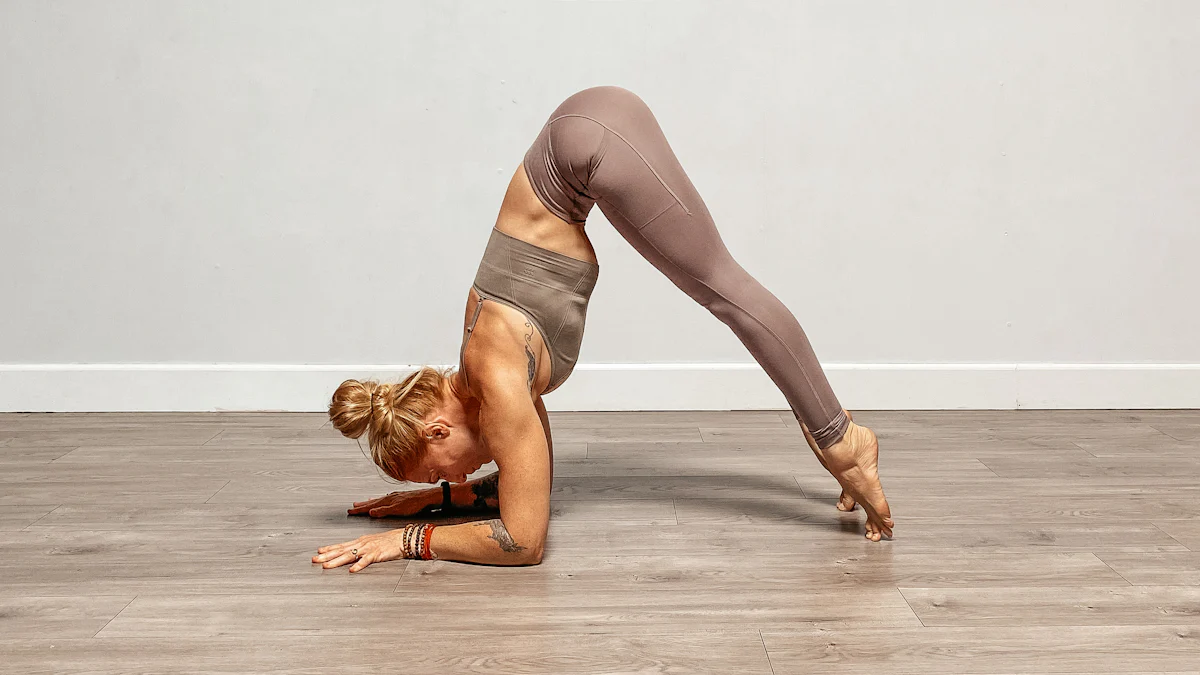
Headstand (Sirsasana): Known as the "king of asanas," this pose enhances balance and concentration. Start by practicing against a wall for support.
Lotus Pose Variations: Practicing poses like headstand or shoulder stand in lotus pose can calm the mind. As Dharma Mittra suggests, these variations add power to your practice.
Crow Pose (Bakasana): This arm balance strengthens your core and arms. Begin by squatting and placing your hands on the ground, then lift your feet off the floor.
Safety Tips and Modifications
Warm-Up Properly: Always start with a warm-up to prepare your body for advanced poses. This reduces the risk of injury.
Use Props: Blocks, straps, and blankets can provide support and help you maintain proper alignment. Don't hesitate to use them as needed.
Listen to Your Body: Pay attention to any discomfort or pain. Modify poses or take breaks if necessary. Your safety and well-being come first.
Seek Guidance: If you're unsure about a pose, consider watching online tutorials or consulting with a certified Dharma Yoga instructor. Proper guidance ensures you practice safely and effectively.
By progressing to advanced Dharma Yoga practices, you deepen your connection to this transformative path. Remember, the journey is as important as the destination. Embrace each step with patience and curiosity, and you'll continue to grow both on and off the mat.
Integrating Dharma Yoga into Daily Life
Mindfulness and Self-Exploration
Encouraging Self-Reflection
Dharma Yoga isn't just about physical postures; it's a journey of self-discovery. By practicing self-reflection, you can gain insights into your thoughts and emotions. Take a few moments each day to sit quietly and reflect on your experiences. Ask yourself questions like, "What did I learn today?" or "How did I respond to challenges?" This practice helps you understand yourself better and fosters personal growth.
"Living your life with equanimity has the same flavor as Savasana: You are alert, but the mind is not attaching to anything; it is just appropriately responsive."
Practicing Mindfulness Off the Mat
Mindfulness doesn't end when you roll up your yoga mat. You can carry this awareness into your daily activities. Whether you're eating, walking, or working, try to stay present. Notice the sensations, sounds, and feelings around you. This practice helps you remain calm and focused, even in stressful situations. By integrating mindfulness into your routine, you cultivate a sense of peace and balance.
Building a Holistic Lifestyle
Nutrition and Wellness
A holistic lifestyle goes beyond yoga practice. It includes nourishing your body with healthy foods. Focus on a balanced diet rich in fruits, vegetables, whole grains, and lean proteins. These foods provide the energy and nutrients needed for your yoga practice and overall well-being. Staying hydrated and getting enough rest are also crucial for maintaining vitality.
"Yoga is much more than just physical exercise. The physical postures, or asanas, are just one aspect of a much larger philosophical system known as the eight limbs of yoga."
Balancing Yoga with Other Activities
While yoga is a powerful practice, it's essential to balance it with other activities. Engage in hobbies and interests that bring you joy. Whether it's painting, hiking, or reading, these activities complement your yoga practice by nurturing your creativity and relaxation. Remember, a balanced lifestyle contributes to your overall happiness and fulfillment.
By integrating Dharma Yoga into your daily life, you create a harmonious balance between mind, body, and spirit. This practice not only enhances your physical health but also enriches your mental and emotional well-being. Embrace this journey with an open heart, and you'll discover a deeper connection to yourself and the world around you.
You've embarked on a rewarding journey with Dharma Yoga at home. By creating a serene space, gathering essential tools, and practicing foundational poses, you've laid the groundwork for a fulfilling practice. Keep exploring and growing. Consistent practice can transform your life, as many have experienced.
Jean-Alain shared, "After a couple of months practicing yoga, I noticed a massive difference in my body, mind, and spirit."
Stay committed, and you'll find inner peace and wisdom. Remember, every step you take on this path brings you closer to self-realization and enlightenment.
See Also
Achieving Eagle Pose Mastery: A Detailed Step-by-Step Tutorial
Top 10 Difficult Yoga Poses for Couples
Comprehending the Fundamentals of Hatha Yoga
Achieving Fish Pose Mastery: A Detailed Step-by-Step Tutorial

Hi my name is Lia and i am your host in this yoga journey in Portugal, Subscribe to our newsletter to receive every week the best of Yoga in Portugal.

We bring back the importance of initiation into womanhood by Roos-Veerle Krijnen & Ella-June Henrard
Welcome to the Women’s Initiation Retreat by Naked Truth Retreats, a transformative journey into the depths of your True Feminine Nature. This retreat invites you to remember the sacredness and wholeness of your being.
Roos-Veerle Krijnen & Ella-June Henrard