Comprehensive Guide to Yoga Asanas with Pictures and Names

Are you curious about yoga asanas and how they can enhance your well-being? You're not alone! More than 14% of American adults practice yoga, and for good reason. Understanding yoga asanas with pictures and names is crucial for effective practice. This knowledge helps you perform poses correctly, ensuring you reap the full benefits. Yoga can improve flexibility by up to 35% in just eight weeks. Our guide aims to provide clear instructions, especially for beginners, making it easy to start your journey. You might even find a yoga asanas with pictures and names pdf helpful as you explore these poses.
Standing Yoga Asanas
Standing yoga asanas form the foundation of many yoga practices. They help you build strength, improve balance, and increase flexibility. Let's dive into two essential standing poses: Mountain Pose and Tree Pose.
Mountain Pose (Tadasana)
Mountain Pose, or Tadasana, is often the starting point for many other poses. It might look simple, but it plays a crucial role in aligning your body and mind.
Benefits of Mountain Pose
Improves Posture: Practicing Mountain Pose regularly helps you stand taller and align your spine.
Enhances Focus: This pose encourages mindfulness and concentration.
Strengthens Legs: It engages your leg muscles, providing a solid foundation.
Step-by-step Instructions
Stand with your feet together. Keep your big toes touching and heels slightly apart.
Distribute your weight evenly across both feet.
Engage your thigh muscles and lift your kneecaps without locking your knees.
Lengthen your spine by lifting your chest and broadening your collarbones.
Relax your shoulders away from your ears.
Let your arms hang naturally by your sides, palms facing forward.
Gaze straight ahead and breathe deeply.
Common Mistakes to Avoid
Locking Knees: Keep your knees soft to avoid strain.
Tensing Shoulders: Relax your shoulders to maintain a calm posture.
Leaning Forward or Backward: Ensure your weight is evenly distributed.
Tree Pose (Vrikshasana)
Tree Pose, or Vrikshasana, challenges your balance and concentration. It's a great way to connect with your inner stability.
Benefits of Tree Pose
Enhances Balance: This pose improves your ability to maintain equilibrium.
Strengthens Ankles and Calves: It engages and tones these muscles.
Boosts Confidence: Successfully holding this pose can increase your self-assurance.
Step-by-step Instructions
Begin in Mountain Pose.
Shift your weight onto your left foot.
Bend your right knee and place the sole of your right foot on your left inner thigh or calf. Avoid the knee joint.
Press your hands together in a prayer position at your chest.
Focus on a fixed point in front of you to maintain balance.
Hold the pose for several breaths, then switch sides.
Common Mistakes to Avoid
Placing Foot on Knee: Avoid putting pressure on your knee joint.
Losing Focus: Keep your gaze steady to help maintain balance.
Hunching Shoulders: Keep your shoulders relaxed and down.
Standing yoga asanas like Mountain Pose and Tree Pose are excellent for grounding yourself. They offer a perfect blend of strength, balance, and mindfulness. Give them a try and notice how they transform your practice!
Sitting Yoga Asanas
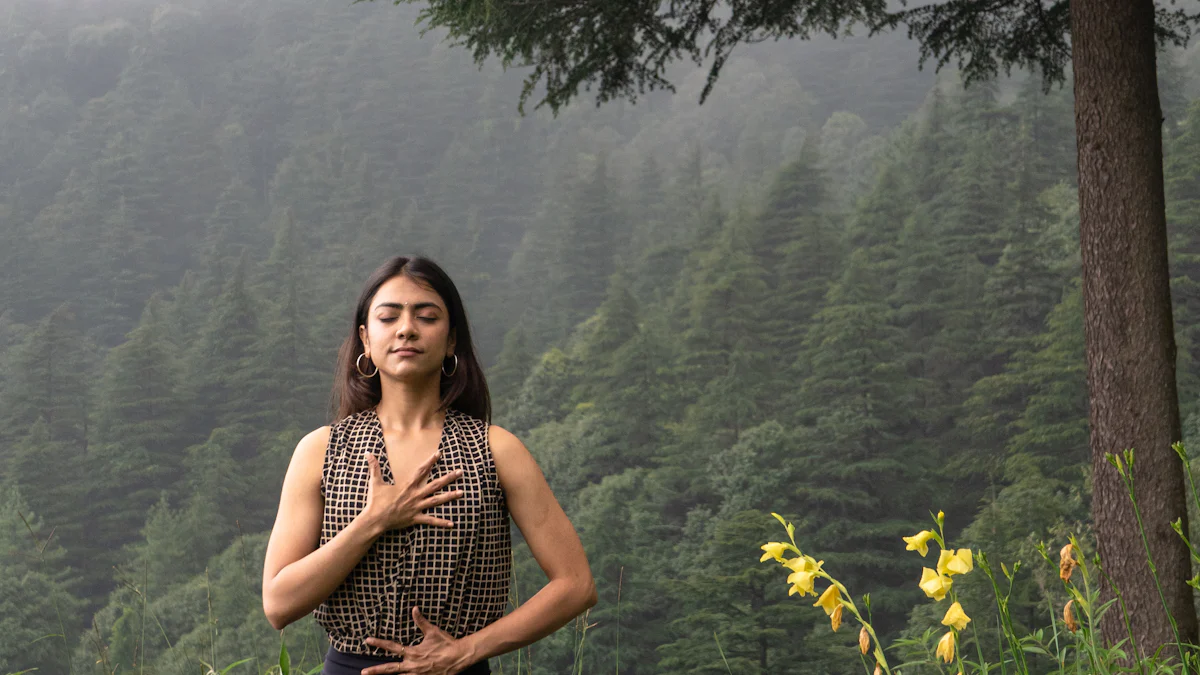
Sitting yoga asanas offer a peaceful way to connect with your body and mind. They provide a chance to slow down and focus on your breath. Let's explore two popular sitting poses: Easy Pose and Lotus Pose.
Easy Pose (Sukhasana)
Easy Pose, or Sukhasana, is a simple cross-legged position that invites relaxation and mindfulness. It's often used for meditation and breathing exercises.
Benefits of Easy Pose
Reduces Stress: Sitting in this pose helps calm your mind and reduce anxiety.
Improves Flexibility: It gently stretches your hips, knees, and ankles.
Encourages Mindfulness: This pose creates a tranquil space for self-reflection.
Step-by-step Instructions
Sit on the floor with your legs extended in front of you.
Cross your legs at the shins, bringing each foot beneath the opposite knee.
Rest your hands on your knees, palms facing up or down.
Lengthen your spine and relax your shoulders.
Close your eyes and take deep breaths, focusing on your breath.
Common Mistakes to Avoid
Slouching: Keep your back straight to maintain proper posture.
Tensing Shoulders: Relax your shoulders to avoid unnecessary tension.
Forcing the Cross-Legged Position: If it's uncomfortable, use a cushion for support.
Lotus Pose (Padmasana)
Lotus Pose, or Padmasana, is a classic meditation pose that requires flexibility and balance. It symbolizes spiritual awakening and inner peace.
Benefits of Lotus Pose
Enhances Concentration: This pose promotes focus and mental clarity.
Strengthens Spine: It encourages proper alignment and strengthens your back.
Spiritual Connection: Practicing Lotus Pose can deepen your meditation practice.
Step-by-step Instructions
Sit on the floor with your legs extended.
Bend your right knee and place your right foot on your left thigh.
Bend your left knee and place your left foot on your right thigh.
Rest your hands on your knees in a mudra or prayer position.
Keep your spine straight and gaze softly ahead.
Common Mistakes to Avoid
Forcing the Pose: Don't push yourself into the position if it causes discomfort.
Rounding the Back: Maintain a straight spine for optimal benefits.
Ignoring Pain: Listen to your body and adjust as needed.
Sitting yoga asanas like Easy Pose and Lotus Pose offer a serene way to enhance your practice. They help you cultivate mindfulness and improve flexibility. Give these poses a try and notice how they bring peace and balance to your day!
Lying Yoga Asanas
Lying yoga asanas offer a wonderful opportunity to relax and rejuvenate. These poses help you unwind and connect with your breath, promoting a sense of calm and tranquility. Let's explore two essential lying poses: Corpse Pose and Bridge Pose.
Corpse Pose (Savasana)
Corpse Pose, or Savasana, is often the final pose in a yoga session. It allows you to absorb the benefits of your practice and enter a state of deep relaxation.
Benefits of Corpse Pose
Reduces Stress: Savasana helps calm your nervous system and reduce stress levels.
Enhances Mental Clarity: This pose encourages a peaceful mind, improving focus and concentration.
Promotes Relaxation: It provides a moment of stillness, allowing your body to rest and rejuvenate.
Step-by-step Instructions
Lie flat on your back with your legs extended and arms by your sides.
Let your feet fall open naturally, and place your arms slightly away from your body, palms facing up.
Close your eyes and take slow, deep breaths.
Focus on relaxing each part of your body, starting from your toes and moving up to your head.
Stay in this pose for 5-10 minutes, allowing yourself to fully relax.
Common Mistakes to Avoid
Tensing Muscles: Ensure your body is completely relaxed, without any tension.
Holding Breath: Maintain a steady, natural breathing pattern.
Rushing the Pose: Take your time to fully experience the relaxation.
Bridge Pose (Setu Bandhasana)
Bridge Pose, or Setu Bandhasana, strengthens your back and opens your chest. It's a great way to energize your body and improve flexibility.
Benefits of Bridge Pose
Strengthens Back Muscles: This pose engages and tones your back, providing support and stability.
Opens Chest and Shoulders: It stretches your chest and shoulders, improving posture and breathing.
Boosts Mood: Practicing Bridge Pose can elevate your mood and increase energy levels.
Step-by-step Instructions
Lie on your back with your knees bent and feet hip-width apart, close to your buttocks.
Place your arms by your sides, palms facing down.
Press your feet into the floor and lift your hips towards the ceiling.
Clasp your hands beneath your back and straighten your arms, lifting your chest.
Hold the pose for several breaths, then slowly lower your hips back to the floor.
Common Mistakes to Avoid
Overarching Back: Keep your spine in a neutral position to avoid strain.
Lifting Heels: Ensure your feet remain flat on the ground for stability.
Tensing Neck: Relax your neck and keep your gaze upwards.
Lying yoga asanas like Corpse Pose and Bridge Pose offer a perfect blend of relaxation and strength. They help you unwind while also building resilience in your body. Give these poses a try and feel the soothing effects they bring to your practice!
Tips for Beginners
Embarking on your yoga journey can feel both exciting and a bit daunting. But don't worry, you're not alone. Here are some tips to help you start strong and stay on track.
Starting Your Yoga Journey
Setting Realistic Goals
Setting realistic goals is crucial when you begin practicing yoga. You might feel tempted to dive into advanced poses right away, but it's important to pace yourself. Start with small, achievable goals. For instance, aim to practice yoga for 10 minutes a day. As you grow more comfortable, gradually increase the duration and complexity of your sessions. Remember, yoga is a personal journey, and progress looks different for everyone.
Finding the Right Environment
Your environment plays a significant role in your yoga practice. Find a space where you feel comfortable and free from distractions. This could be a quiet corner in your home or a local yoga studio. Joining a beginner's class can be beneficial. A Qualified Instructor can guide you through the correct poses and techniques, helping you avoid injuries. As one expert suggests, "When trying yoga for the first time, join a class for beginners under the direction of a qualified instructor."
Avoiding Common Pitfalls
Listening to Your Body
Listening to your body is essential in yoga. Pay attention to how each pose feels. If something doesn't feel right, modify the pose or take a break. Yoga should never cause pain. It's about finding balance and harmony within yourself. Trust your instincts and honor your body's limits.
Consistency Over Intensity
Consistency is more important than intensity in yoga. Practicing regularly, even if it's just a few minutes each day, can lead to significant improvements over time. You don't need to push yourself to exhaustion. Instead, focus on building a sustainable routine that fits your lifestyle. Consistent practice will help you develop strength, flexibility, and mindfulness.
Starting your yoga journey with these tips can set you on a path to success. Remember to set realistic goals, find a supportive environment, listen to your body, and prioritize consistency. With patience and dedication, you'll discover the many benefits yoga has to offer.
Integrating Yoga into Daily Life
Incorporating yoga into your daily routine can transform your life. It offers a chance to connect with your body and mind, promoting overall well-being. Let's explore how you can seamlessly integrate yoga into your day.
Creating a Routine
Establishing a yoga routine can help you stay consistent and reap the benefits of regular practice. Here are some ideas to get you started.
Morning Yoga Practices
Starting your day with yoga can set a positive tone. Morning yoga practices awaken your body and mind, preparing you for the day ahead. You might begin with gentle stretches to release tension from sleep. Consider poses like Cat-Cow or Downward Dog to energize your body. A few minutes of mindful breathing can also enhance focus and clarity. By dedicating time to morning yoga, you create a foundation for a balanced day.
Evening Relaxation Techniques
Evening yoga offers a chance to unwind and relax. After a busy day, gentle poses can help you release stress and prepare for restful sleep. Try incorporating forward bends or gentle twists to soothe your body. You might also explore meditation or deep breathing exercises to calm your mind. These practices can promote relaxation and improve sleep quality, allowing you to wake up refreshed.
Maintaining Motivation
Staying motivated in your yoga journey can sometimes be challenging. Here are some strategies to keep you inspired and engaged.
Tracking Progress
Tracking your progress can boost motivation. Consider keeping a yoga journal to record your experiences and achievements. Note how each practice makes you feel and any improvements you notice. This reflection can help you see your growth over time. You might also set small goals, like mastering a new pose or increasing your practice duration. Celebrating these milestones can encourage you to continue your journey.
Joining a Yoga Community
Connecting with a yoga community can provide support and inspiration. Whether online or in-person, joining a group allows you to share experiences and learn from others. You might attend local classes or participate in online forums. Engaging with a community can offer encouragement and accountability. As one expert suggests, "Familiarizing yourself with basic concepts and routines before attending can boost your confidence, making yoga a practice you look forward to daily."
Integrating yoga into your daily life can enhance your well-being and bring balance to your day. By creating a routine and maintaining motivation, you can enjoy the many benefits yoga has to offer. Embrace this journey and discover how yoga can transform your life.
Resources for Yoga Asanas with Pictures and Names
Finding the right resources can make your yoga journey smoother and more enjoyable. Visual aids, like pictures and names of yoga asanas, are invaluable for understanding and practicing poses correctly. Let's explore how you can access these resources effectively.
Finding a Yoga Asanas with Pictures and Names PDF
A Yoga Asanas with Pictures and Names PDF can be a fantastic tool for your practice. It provides a visual guide that helps you learn and remember different poses. You can find such PDFs online, often available for free or at a minimal cost. These guides typically include:
Images of Poses: Clear pictures of each asana help you visualize the correct posture.
Names in English and Sanskrit: Knowing both names enhances your understanding and appreciation of yoga's cultural roots.
Step-by-Step Instructions: Detailed guidance ensures you perform each pose safely and effectively.
"Explore the beauty of yoga asanas through vivid imagery," suggests one visual guide. This approach makes learning and practicing these asanas even more accessible and enjoyable.
You might also consider resources like the Various Yoga Asanas Pictorial Guide. This guide offers a comprehensive look at different poses, making it easier for you to follow along. Whether you're a beginner or an experienced yogi, having a visual reference can significantly enhance your practice.
For those interested in sitting poses, the Sitting Yoga Asanas Images with Names resource is particularly helpful. It provides images and names of sitting asanas, allowing you to deepen your practice and improve your physical and mental well-being.
In addition to PDFs, many websites and blogs offer detailed articles on basic yoga poses. These articles often include images, names, steps, and benefits of each pose. For example, a blog post might delve into the serene realm of sitting yoga asanas, providing you with the information you need to embark on your yoga journey.
By utilizing these resources, you can create a personalized yoga practice that suits your needs. A Yoga Asanas with Pictures and Names PDF can serve as a handy reference, helping you stay motivated and informed. Embrace these tools and watch your yoga practice flourish.
Practicing yoga asanas regularly offers numerous benefits. You'll notice improved flexibility, strength, and body awareness. Yoga also enhances mental clarity and promotes better sleep. Starting your yoga journey with the poses outlined in this guide can set you on a path to holistic health. Consistency and proper technique are key for long-term benefits. Integrating yoga into your daily routine can transform your overall well-being. Embrace this practice, and you'll find a balance between body and mind that enriches your life.
See Also
Complete Hindi Yoga Manual for At-Home Sessions
Simple Yoga Pose Illustrations for New Practitioners
Beginner-Friendly Yoga Art Techniques Explained

Hi my name is Lia and i am your host in this yoga journey in Portugal, Subscribe to our newsletter to receive every week the best of Yoga in Portugal.

We bring back the importance of initiation into womanhood by Roos-Veerle Krijnen & Ella-June Henrard
Welcome to the Women’s Initiation Retreat by Naked Truth Retreats, a transformative journey into the depths of your True Feminine Nature. This retreat invites you to remember the sacredness and wholeness of your being.
Roos-Veerle Krijnen & Ella-June Henrard