Comprehensive Guide to Yoga Asanas with Illustrations

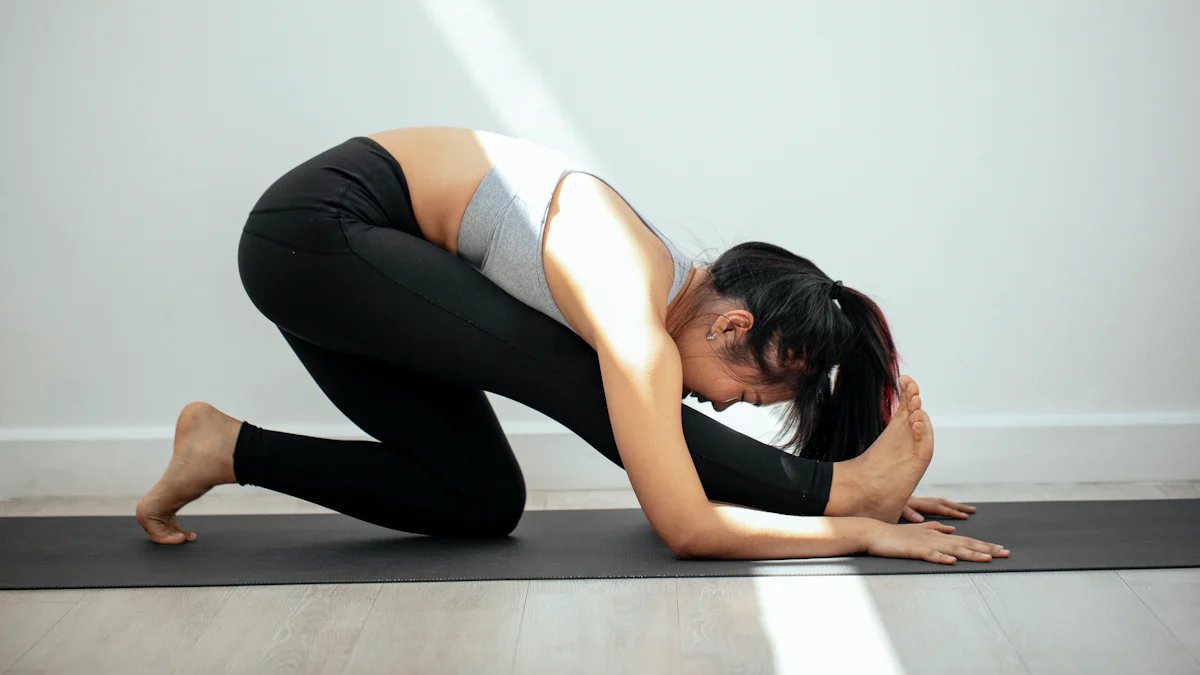
Are you eager to explore yoga asanas with detailed illustrations? You're not alone. Many people, like you, are discovering the transformative power of yoga. Practicing yoga asanas can enhance your physical and mental well-being. Studies show that yoga supports stress management, mindfulness, and even weight loss. By understanding yoga asanas drawings with names, you can improve your practice and achieve better results. Embrace this guide to deepen your yoga journey and unlock the numerous benefits it offers.
Overview of Yoga Asanas
Significance of Yoga Asanas
Yoga asanas hold immense significance in enhancing both physical and mental health. When you practice these postures, you engage in a holistic exercise that benefits your body and mind. Research indicates that yoga practitioners experience improved lipid levels, glycemic control, and reduced oxidative stress. These benefits contribute to better cardiovascular and pulmonary function. Moreover, yoga can lower cortisol levels, perceived stress, and pro-inflammatory cytokines, which are crucial for maintaining overall health.
Yoga also positively impacts mental well-being. It helps reduce anxiety, stress, and depression, promoting a sense of calm and clarity. By practicing yoga asanas, you can improve brain functioning, particularly in areas responsible for interoception and posture. This improvement can enhance your quality of life, especially if you deal with chronic pain or anxiety disorders.
Types of Yoga Asanas
Yoga asanas can be categorized into various types, each offering unique benefits. Understanding these categories helps you tailor your practice to meet specific needs.
Standing Poses
Standing poses form the foundation of many yoga practices. They help build strength, stability, and balance. When you engage in standing poses, you work on improving your posture and alignment. These poses often serve as a warm-up for more complex asanas, preparing your body for deeper stretches and movements.
Seated Poses
Seated poses focus on flexibility and relaxation. They allow you to stretch your muscles gently while promoting a sense of calm. These poses are ideal for meditation and breathing exercises, helping you connect with your inner self. Practicing seated poses regularly can enhance your flexibility and improve your ability to concentrate.
Balancing Poses
Balancing poses challenge your stability and coordination. They require concentration and focus, helping you develop mental clarity. By practicing balancing poses, you strengthen your core muscles and improve your overall balance. These poses teach you to maintain equilibrium, both physically and mentally.
Inversion Poses
Inversion poses involve turning your body upside down. These poses can be invigorating and refreshing. They improve circulation and stimulate the nervous system. Practicing inversion poses helps you gain a new perspective, both literally and figuratively. They encourage you to overcome fears and build confidence in your abilities.
By exploring these different types of yoga asanas, you can create a well-rounded practice that addresses various aspects of your health and well-being.
Yoga Asanas Drawings with Names
Understanding yoga asanas drawings with names can significantly enhance your practice. Visual aids help you grasp the correct posture and alignment, making your yoga journey more effective. Let's explore some popular poses with their illustrations.
Standing Poses
Standing poses form the backbone of many yoga routines. They build strength and improve posture. Here are two essential standing poses:
Mountain Pose (Tadasana)
Mountain Pose, or Tadasana, is the foundation of all standing poses. You stand tall with feet together, arms at your sides, and shoulders relaxed. This pose improves posture and balance. It also helps you focus on your breath, grounding you in the present moment. Visualizing the mountain's stability can enhance your practice.
Warrior I (Virabhadrasana I)
Warrior I, known as Virabhadrasana I, embodies strength and courage. You step one foot forward, bend the knee, and raise your arms overhead. This pose strengthens your legs and opens your chest. It encourages you to embrace challenges with confidence. The illustration of Warrior I guides you in achieving the correct alignment.
Seated Poses
Seated poses promote relaxation and flexibility. They are perfect for meditation and breathing exercises. Let's look at two calming seated poses:
Easy Pose (Sukhasana)
Easy Pose, or Sukhasana, is a simple cross-legged position. You sit with your spine straight and hands resting on your knees. This pose encourages a peaceful mind and relaxed body. It is ideal for meditation, helping you connect with your inner self. The drawing of Sukhasana shows you how to maintain a comfortable posture.
Seated Forward Bend (Paschimottanasana)
Seated Forward Bend, known as Paschimottanasana, involves stretching your legs forward and reaching for your toes. This pose enhances flexibility in your spine and hamstrings. It also calms the mind, reducing stress and anxiety. The illustration of this pose guides you in achieving a deep stretch without straining.
Balancing Poses
Balancing poses challenge your stability and concentration. They strengthen your core and improve coordination. Here are two balancing poses to try:
Tree Pose (Vrksasana)
Tree Pose, or Vrksasana, requires you to stand on one leg while placing the other foot on your inner thigh. You bring your hands together in front of your chest. This pose enhances balance and focus. It teaches you to find stability amidst challenges. The drawing of Tree Pose helps you visualize the correct posture.
Eagle Pose (Garudasana)
Eagle Pose, known as Garudasana, involves wrapping one leg around the other and crossing your arms in front of you. This pose improves concentration and balance. It also stretches your shoulders and hips. The illustration of Eagle Pose guides you in maintaining the intricate posture.
By exploring yoga asanas drawings with names, you gain a deeper understanding of each pose. These visual aids serve as valuable tools in your practice, helping you achieve the correct alignment and posture. Embrace these illustrations to enhance your yoga journey and unlock the numerous benefits it offers.
Inversion Poses
Inversion poses offer a unique way to invigorate your yoga practice. These poses involve turning your body upside down, which can provide numerous benefits for both your physical and mental health. By practicing inversion poses, you stimulate your nervous system and improve circulation. This can lead to increased energy levels and a refreshed mind. Let's explore two popular inversion poses with their yoga asanas drawings with names.
Shoulder Stand (Sarvangasana)
Shoulder Stand, or Sarvangasana, is often referred to as the "queen of all asanas." This pose involves lifting your legs and torso vertically while supporting your back with your hands. You rest your weight on your shoulders and upper arms. Practicing Shoulder Stand can enhance your thyroid function and improve digestion. It also helps calm the mind, reducing stress and anxiety. The drawing of Sarvangasana guides you in achieving the correct alignment, ensuring you reap the full benefits of this powerful pose.
Benefits:
Enhances thyroid and parathyroid function.
Improves digestion and metabolism.
Calms the mind and reduces stress.
Tips:
Keep your neck relaxed and avoid turning your head.
Use a folded blanket under your shoulders for support.
Headstand (Sirsasana)
Headstand, known as Sirsasana, is often called the "king of all asanas." This pose requires you to balance on your head with your legs extended upward. Practicing Headstand can improve your focus and concentration. It also strengthens your core and upper body. The inversion increases blood flow to the brain, promoting mental clarity. The illustration of Sirsasana helps you understand the correct posture, allowing you to practice safely and effectively.
Benefits:
Enhances focus and concentration.
Strengthens core and upper body muscles.
Promotes mental clarity and relaxation.
Tips:
Engage your core to maintain balance.
Practice against a wall if you're a beginner.
Incorporating these inversion poses into your routine can transform your yoga practice. The yoga asanas drawings with names serve as valuable tools, helping you visualize and achieve the correct alignment. By understanding these poses, you can unlock their full potential and enjoy the myriad benefits they offer. Remember, regular practice of yoga asanas can positively impact your overall health and well-being, as highlighted in various studies on yoga's benefits.
Benefits of Practicing Yoga Asanas
Physical Benefits
Improved Flexibility and Strength
When you practice yoga asanas regularly, you enhance your flexibility and strength. Each pose stretches and strengthens different muscle groups, promoting a balanced body. For instance, standing poses like Warrior I build leg strength, while seated poses like Seated Forward Bend increase flexibility in your spine and hamstrings. This combination of stretching and strengthening exercises helps you achieve a more flexible and robust physique.
Enhanced Posture and Balance
Yoga asanas significantly improve your posture and balance. By focusing on alignment and core engagement, you learn to maintain proper posture in daily activities. Balancing poses such as Tree Pose challenge your stability, teaching you to find equilibrium. Improved posture not only enhances your physical appearance but also reduces the risk of injuries and back pain. As you practice, you develop a heightened awareness of your body's alignment, leading to better posture and balance.
Mental and Emotional Benefits
Stress Reduction
Yoga asanas offer a powerful tool for stress reduction. The practice encourages mindfulness and deep breathing, which calm your nervous system. Inversion poses, like Shoulder Stand, stimulate blood circulation and promote relaxation. This helps lower cortisol levels, reducing stress and anxiety. By incorporating yoga into your routine, you create a sanctuary of peace and tranquility, allowing you to manage stress more effectively.
Increased Focus and Clarity
Practicing yoga asanas enhances your focus and mental clarity. The concentration required for balancing poses, such as Eagle Pose, sharpens your mind. Inversions, like Headstand, increase blood flow to the brain, promoting mental clarity and alertness. Studies suggest that yoga positively impacts brain regions associated with focus and cognitive function. By dedicating time to yoga, you cultivate a clear and focused mind, improving your ability to concentrate on tasks and make decisions.
By embracing the physical and mental benefits of yoga asanas, you embark on a journey toward holistic well-being. Regular practice not only transforms your body but also nurtures your mind, leading to a healthier and more balanced life.
Tips for Beginners
Embarking on your yoga journey can be both exciting and overwhelming. As a beginner, you might wonder where to start and how to avoid common pitfalls. This section provides practical tips to help you set a strong foundation for your practice.
Starting Your Yoga Journey
Setting Realistic Goals
Setting realistic goals is crucial when you begin practicing yoga. Start by identifying what you hope to achieve. Whether it's improving flexibility, reducing stress, or enhancing overall well-being, having clear objectives will guide your practice. Begin with small, achievable goals. For instance, aim to practice yoga for 15 minutes a day. Gradually increase the duration as you become more comfortable. Remember, progress in yoga is personal and varies from person to person. Celebrate small victories and remain patient with yourself.
Choosing the Right Environment
Creating the right environment enhances your yoga experience. Choose a quiet, clutter-free space where you can focus without distractions. Ensure the area has enough room for you to move freely. A comfortable mat and supportive props, like blocks or straps, can aid your practice. Consider the ambiance. Soft lighting and calming music can create a serene atmosphere. Practicing in a peaceful setting helps you connect with your inner self and fully immerse in the experience.
Common Mistakes to Avoid
Overexertion
Overexertion is a common mistake among beginners. You might feel tempted to push your limits, but this can lead to injuries. Listen to your body and respect its boundaries. If a pose feels uncomfortable or painful, ease out of it. Yoga is not about achieving perfection but about finding balance and harmony. Focus on gradual improvement rather than immediate results. Consistent practice will naturally enhance your strength and flexibility over time.
Ignoring Alignment
Proper alignment is essential in yoga. Ignoring alignment can result in strain or injury. Pay attention to your body's positioning in each pose. Use mirrors or seek guidance from experienced instructors to ensure correct form. Alignment not only prevents injuries but also maximizes the benefits of each pose. As you practice, develop an awareness of your body's alignment. This mindfulness will improve your posture and enhance your overall practice.
"Yoga is not about touching your toes, it is what you learn on the way down." - Jigar Gor
By following these tips, you can start your yoga journey with confidence. Remember, yoga is a lifelong practice that evolves with you. Embrace the process, and enjoy the physical and mental benefits it brings.
Common Questions About Yoga Asanas
Alignment and Safety
Importance of Proper Alignment
Proper alignment in yoga asanas ensures you practice safely and effectively. When you align your body correctly, you maximize the benefits of each pose. This alignment helps distribute weight evenly, reducing strain on muscles and joints. You also enhance your posture and balance, which contributes to overall well-being. By focusing on alignment, you prevent injuries and improve your practice's quality.
How to Avoid Injuries
Avoiding injuries in yoga requires mindfulness and awareness. Listen to your body and respect its limits. If a pose feels uncomfortable or painful, modify it or take a break. Use props like blocks or straps to support your practice. These tools help you maintain proper alignment and prevent overexertion. Consider attending classes with experienced instructors who can guide you in achieving correct form. Remember, yoga is a journey, not a destination. Prioritize safety and enjoy the process.
Yoga for Weight Loss
Effective Asanas for Weight Management
Yoga can support weight management by promoting physical activity and mindfulness. Certain asanas, like Warrior II and Plank Pose, engage multiple muscle groups, boosting metabolism and burning calories. Sun Salutations, a sequence of poses, provide a full-body workout that enhances strength and flexibility. Incorporate these asanas into your routine to support your weight loss goals.
Combining Yoga with a Healthy Lifestyle
Combining yoga with a healthy lifestyle enhances its effectiveness for weight management. Pair your practice with a balanced diet rich in whole foods, fruits, and vegetables. Stay hydrated and get enough sleep to support your body's needs. Engage in regular physical activity, such as walking or cycling, to complement your yoga practice. By adopting a holistic approach, you create a sustainable path to achieving and maintaining a healthy weight.
Yoga for Stress Relief
Calming Poses for Relaxation
Yoga offers calming poses that promote relaxation and stress relief. Child's Pose and Legs-Up-the-Wall Pose encourage deep breathing and relaxation. These poses help calm the nervous system and reduce tension. Practice them regularly to create a sense of peace and tranquility in your life. Incorporate these poses into your routine to manage stress effectively.
Breathing Techniques to Reduce Stress
Breathing techniques, or pranayama, play a crucial role in stress reduction. Deep breathing exercises, like diaphragmatic breathing, activate the body's relaxation response. This reduces cortisol levels and promotes a sense of calm. Practice alternate nostril breathing to balance energy and enhance focus. By incorporating these techniques into your yoga practice, you cultivate mindfulness and resilience against stress.
"The breath is the bridge between the mind and the body." - Thich Nhat Hanh
By addressing common questions about yoga asanas, you gain valuable insights into enhancing your practice. Focus on alignment and safety to prevent injuries. Explore yoga's potential for weight management and stress relief by incorporating effective asanas and breathing techniques. Embrace these practices to enrich your yoga journey and improve your overall well-being.
You've explored the transformative power of yoga asanas through this guide. By practicing regularly, you can enhance your physical and mental well-being. Remember, consistency is key to unlocking the full benefits of yoga. As you continue your journey, prioritize safety to avoid injuries, especially if you're a beginner. Explore further resources to deepen your understanding and refine your practice. Embrace yoga as a lifelong journey, and let it enrich your life with balance and tranquility.
See Also
Ultimate Resource for Yoga Poses with Visuals
Complete Yoga Handbook in Hindi for At-Home Sessions
Simple Yoga Pose Illustrations for New Practitioners

Hi my name is Lia and i am your host in this yoga journey in Portugal, Subscribe to our newsletter to receive every week the best of Yoga in Portugal.

We bring back the importance of initiation into womanhood by Roos-Veerle Krijnen & Ella-June Henrard
Welcome to the Women’s Initiation Retreat by Naked Truth Retreats, a transformative journey into the depths of your True Feminine Nature. This retreat invites you to remember the sacredness and wholeness of your being.
Roos-Veerle Krijnen & Ella-June Henrard