Comprehensive Guide to Yoga Moves and Their Names


Yoga offers a holistic approach to well-being, benefiting both your body and mind. You can manage stress, improve mental health, and enhance mindfulness through regular practice. Yoga supports healthy eating, aids weight loss, and promotes quality sleep. Understanding yoga moves and names is crucial for effective practice. Each pose, or asana, has a unique name that reflects its purpose and benefits. By learning these names, you deepen your connection to the practice and enhance your experience. Yoga is not just exercise; it is a path to a healthier, more balanced life.
Understanding Asanas
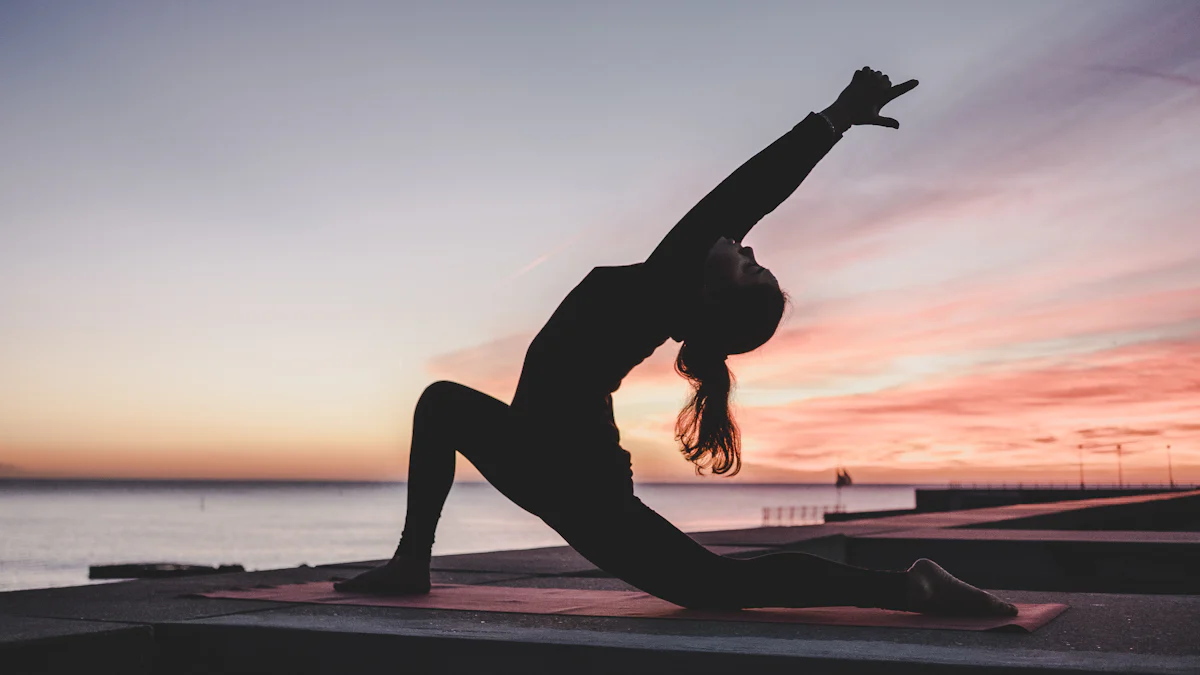
Yoga poses, known as asanas, form the foundation of yoga practice. Each asana has a unique name that reflects its purpose and benefits. Understanding these names enhances your connection to the practice and enriches your experience.
The Dual Naming System
Yoga poses have a dual naming system, consisting of both English and Sanskrit names. This system helps you understand the cultural and historical significance of each pose.
English Names
English names for yoga poses are often descriptive, making them easier to remember. For example, the Mountain Pose suggests stability and grounding, much like a mountain. These names provide a straightforward way to identify poses, especially for beginners.
Sanskrit Names
Sanskrit, the ancient language of India, gives yoga poses their traditional names. These names often carry deeper meanings and connections to the spiritual aspects of yoga. For instance, Tadasana, the Sanskrit name for Mountain Pose, comes from "tada," meaning mountain. Learning Sanskrit names can deepen your understanding of yoga's roots and enhance your practice.
Significance of Asanas
Asanas hold significant historical and modern relevance. They are not just physical exercises but also tools for personal growth and self-discovery.
Historical Context
Yoga's history dates back to the pre-Vedic period (2700 B.C.). It evolved through various traditions, including Vedic, Upanishadic, Buddhist, and Jain. During the classical period between 500 BC and 800 A.D., Sage Maharshi Patanjali systematised yoga practices. His work, along with contributions from other sages, laid the groundwork for modern yoga. Asanas were integral to these practices, aiming to harmonise the mind and body.
Modern Relevance
In today's world, asanas continue to play a vital role in promoting well-being. They help you achieve physical fitness, mental clarity, and emotional balance. Regular practice of asanas can lead to stress reduction, improved focus, and enhanced flexibility. By incorporating asanas into your routine, you embrace a holistic approach to health, aligning with yoga's timeless principles.
Categories of Yoga Poses
Yoga poses, or asanas, are diverse and cater to various aspects of physical and mental well-being. Understanding these categories helps you navigate the vast world of yoga moves and names, enhancing your practice and experience.
Standing Poses
Standing poses form the backbone of many yoga practices. They build strength, improve balance, and increase flexibility. These poses ground you, providing a strong foundation for your practice.
Tadasana (Mountain Pose)
Tadasana, or Mountain Pose, is often the starting point for standing poses. It appears simple but requires focus and alignment. You stand tall, feet together, arms by your sides, and engage your core. This pose improves posture and strengthens your legs. It also enhances your awareness of body alignment.
Virabhadrasana (Warrior Pose)
Virabhadrasana, known as Warrior Pose, embodies strength and courage. You step one foot back, bend the front knee, and extend your arms overhead. This pose strengthens your legs and opens your hips. It also boosts your confidence and concentration. Practising Warrior Pose regularly can help reduce stress and inflammation, contributing to a healthier heart.
Seated Poses
Seated poses offer a chance to relax and stretch your body. They promote flexibility in the hips and spine and encourage introspection and meditation.
Sukhasana (Easy Pose)
Sukhasana, or Easy Pose, is a simple cross-legged position. You sit with your spine straight and hands resting on your knees. This pose encourages calmness and focus. It is ideal for meditation and breathing exercises. Sukhasana helps you connect with your breath and centre your mind.
Padmasana (Lotus Pose)
Padmasana, or Lotus Pose, is a classic seated posture. You cross your legs, placing each foot on the opposite thigh. This pose requires flexibility and patience. It promotes inner peace and concentration. Practising Padmasana regularly can enhance your meditation practice and deepen your connection to yoga's spiritual aspects.
Backbends
Backbends open the chest and stretch the spine. They invigorate the body and mind, promoting energy and vitality.
Bhujangasana (Cobra Pose)
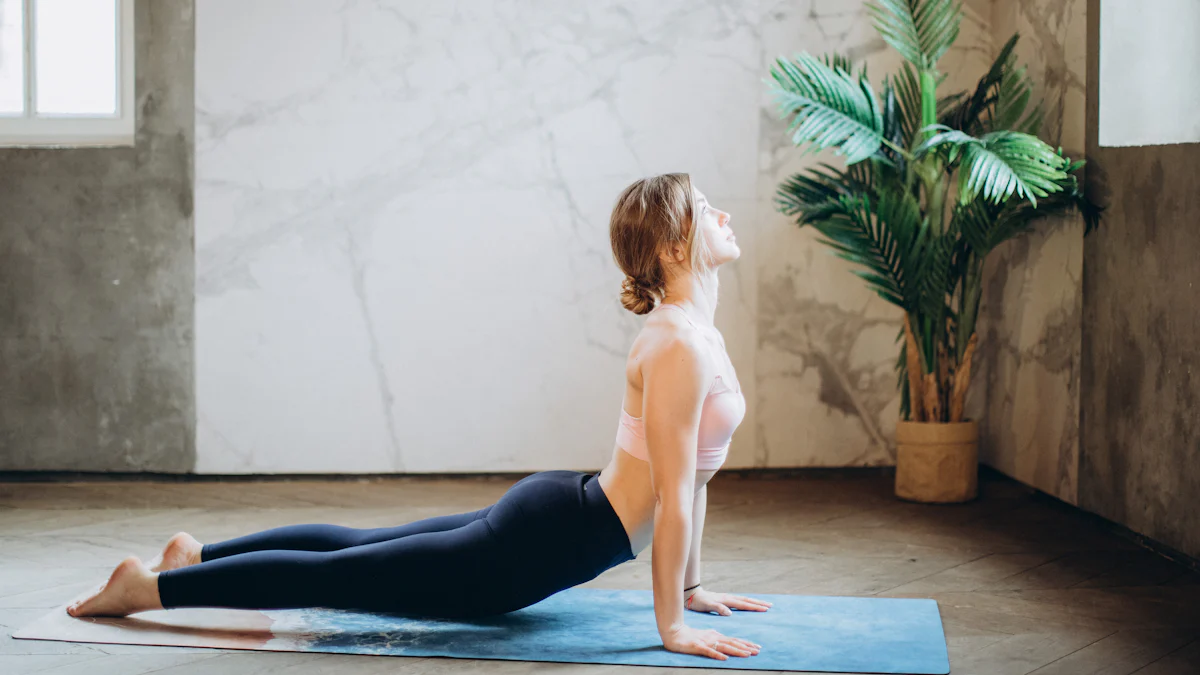
Bhujangasana, or Cobra Pose, involves lying on your stomach and lifting your chest. You press your palms into the ground and arch your back. This pose strengthens your spine and opens your heart. It also improves flexibility and posture. Cobra Pose can alleviate chronic low back pain, making it a valuable addition to your routine.
Urdhva Dhanurasana (Upward Bow Pose)
Urdhva Dhanurasana, known as Upward Bow Pose, is a challenging backbend. You lie on your back, bend your knees, and place your hands beside your ears. Then, you lift your body into an arch. This pose strengthens your arms, legs, and back. It also boosts energy and confidence. Regular practice of Upward Bow Pose can enhance your overall well-being.
By exploring these categories of yoga moves and names, you enrich your practice and deepen your understanding of yoga's benefits. Each pose offers unique advantages, contributing to a holistic approach to health and wellness.
Balancing Poses
Balancing poses in yoga challenge your stability and concentration. They require focus and strength, helping you develop both physical and mental balance. These poses enhance your coordination and core strength, making them essential in your yoga practice.
Vrksasana (Tree Pose)
Vrksasana, or Tree Pose, is a fundamental balancing pose. You stand on one leg, placing the sole of the other foot against the inner thigh or calf. Your arms extend overhead, resembling the branches of a tree. This pose improves your balance and strengthens your legs and core. It also enhances your concentration and mental clarity. Practising Tree Pose regularly can help you feel grounded and centred, much like a tree firmly rooted in the earth.
Bakasana (Crow Pose)
Bakasana, known as Crow Pose, is a more advanced balancing pose. You squat down, place your hands on the ground, and lift your feet off the floor, balancing on your arms. This pose requires strength and focus. It strengthens your arms, wrists, and core muscles. Crow Pose also boosts your confidence and determination. By mastering this pose, you cultivate a sense of achievement and resilience.
Inversions
Inversions in yoga involve turning your body upside down. These poses offer unique benefits, such as improved circulation and increased mental clarity. They challenge your perspective and encourage you to see the world from a different angle.
Sirsasana (Headstand)
Sirsasana, or Headstand, is often referred to as the "king of asanas." You balance on your head and forearms, with your legs extended upwards. This pose enhances your balance and strengthens your shoulders, arms, and core. It also improves blood flow to the brain, promoting mental clarity and focus. Regular practice of Headstand can reduce stress and anxiety, contributing to a healthier mind and body.
Sarvangasana (Shoulder Stand)
Sarvangasana, known as Shoulder Stand, is another powerful inversion. You lie on your back, lift your legs and torso, and support your lower back with your hands. This pose strengthens your shoulders and neck while stretching your spine. It also stimulates your thyroid gland, promoting hormonal balance. Shoulder Stand can help alleviate stress and improve sleep quality, making it a valuable addition to your yoga routine.
By incorporating these balancing poses and inversions into your practice, you enhance your understanding of yoga moves and names. Each pose offers distinct benefits, contributing to your overall well-being. Embrace these challenges and enjoy the journey towards a more balanced and harmonious life.
Benefits of Regular Yoga Practice
Physical Benefits
Flexibility
Yoga significantly enhances your flexibility. Regular practice stretches your muscles and increases your range of motion. You will notice improvements in your posture and a reduction in muscle stiffness. This increased flexibility can prevent injuries and improve your overall physical performance. As you continue practising, you will find that everyday movements become easier and more fluid.
Strength
Yoga builds strength in a balanced way. Unlike traditional weightlifting, yoga strengthens both large and small muscle groups. You engage your core, arms, legs, and back in various poses. This holistic approach to strength training supports joint health and improves your balance. Over time, you will develop a toned and resilient body. The strength gained from yoga also enhances your endurance and stamina.
Mental Benefits
Stress Reduction
Yoga is a powerful tool for managing stress. Through mindful breathing and meditation, you calm your mind and reduce anxiety. Scientific research from Johns Hopkins Medicine highlights yoga's role in stress management and mental health. By focusing on the present moment, you release tension and cultivate a sense of peace. Regular practice helps you respond to stressors with greater resilience and clarity.
Improved Focus
Yoga sharpens your focus and concentration. The practice requires you to be present and attentive to your body's movements. This mindfulness extends beyond the mat, enhancing your ability to concentrate in daily life. According to studies, yoga inversions like Headstand and Handstand increase blood flow to the brain, resulting in mental revitalisation. As you improve your focus, you will find it easier to complete tasks and make decisions with confidence.
By embracing the physical and mental benefits of yoga, you embark on a journey towards a healthier and more balanced life. Each session brings you closer to achieving harmony between your body and mind.
Yoga offers numerous benefits for both your body and mind. Regular practice enhances flexibility, strength, and mental clarity. It supports stress management and promotes a balanced lifestyle. You can incorporate yoga into your daily routine to experience these advantages. Start with simple poses and gradually explore more challenging ones. For further learning, consider resources like the Yoga Journal or local yoga classes. Embrace yoga as a path to well-being and personal growth.
See Also
Decoding the Meaning Behind Yoga Pose Titles
Ultimate Duo Yoga Poses: The Complete Handbook
Uncovering the Key Yoga Hand Gestures

Hi my name is Lia and i am your host in this yoga journey in Portugal, Subscribe to our newsletter to receive every week the best of Yoga in Portugal.

We bring back the importance of initiation into womanhood by Roos-Veerle Krijnen & Ella-June Henrard
Welcome to the Women’s Initiation Retreat by Naked Truth Retreats, a transformative journey into the depths of your True Feminine Nature. This retreat invites you to remember the sacredness and wholeness of your being.
Roos-Veerle Krijnen & Ella-June Henrard