Find Your Perfect Yoga Sanctuary Today


Finding the right yoga sanctuary means discovering a space that nurtures your mind, body, and spirit. Your needs and goals shape this journey. Are you seeking stress relief, improved flexibility, or a deeper connection to mindfulness? A sanctuary should feel like a haven—calm, supportive, and aligned with your aspirations. Studies show that *94% of yoga practitioners in the U.S.* pursue yoga for wellness, benefiting from reduced stress, better sleep, and healthier habits. Whether it’s a serene studio or a cozy corner at home, your sanctuary becomes a reflection of your personal growth.
Key Takeaways
Define your yoga goals to guide your search for the perfect sanctuary, whether it's for stress relief, physical fitness, or spiritual growth.
Assess your experience level and choose a sanctuary that offers classes tailored to your needs, from beginner-friendly to advanced workshops.
Explore different yoga styles to find what resonates with you, and don't hesitate to try new ones for unexpected growth.
Consider the location and accessibility of your yoga sanctuary to ensure it fits seamlessly into your routine.
Evaluate the budget and pricing options available, looking for studios that offer trial classes or flexible payment plans.
Pay attention to the teaching style and qualifications of instructors, as a good teacher can significantly enhance your yoga experience.
Trust your instincts when choosing a sanctuary; it should feel like a welcoming space that inspires your practice and personal growth.
Define Your Goals and Needs
Choosing the right yoga sanctuary starts with understanding what you want from your practice. By defining your goals, assessing your experience, and exploring your preferred styles, you can create a yoga journey that truly resonates with you.
Identify Your Yoga Goals
What do you hope to achieve through yoga? People practice yoga for many reasons, and knowing yours will guide you toward the perfect sanctuary.
Relaxation and Stress Relief: If you’re looking to unwind and let go of daily stress, yoga can be a powerful tool. Studies show that 40% of yoga practitioners worldwide use yoga to improve mental health. Practices like Yin or Restorative Yoga focus on deep relaxation, helping you release tension and find calm.
Physical Fitness and Flexibility: Many people turn to yoga to enhance their physical health. In fact, 61% of yoga practitioners aim to increase mobility and flexibility. Styles like Vinyasa or Ashtanga Yoga offer dynamic sequences that build strength and improve flexibility over time.
Spiritual Growth and Mindfulness: Yoga is more than just physical movement. If you’re seeking a deeper connection to yourself, consider practices like Kundalini or Hatha Yoga. These styles often incorporate meditation and breathing techniques to nurture mindfulness and spiritual awareness.
Assess Your Experience Level
Your experience level plays a big role in finding the right yoga sanctuary. Whether you’re just starting out or have years of practice, there’s a space for you.
Beginner, Intermediate, or Advanced?: If you’re new to yoga, look for sanctuaries that offer beginner-friendly classes. These classes focus on foundational poses and proper alignment. For seasoned practitioners, advanced workshops or retreats can help you deepen your practice.
Tailored Classes for Your Needs: Some sanctuaries cater specifically to certain levels. For example, beginner classes often provide more guidance, while advanced sessions challenge you with complex poses and sequences.
Consider Your Preferred Yoga Style
Yoga comes in many forms, each offering unique benefits. Exploring different styles can help you discover what feels right for you.
Hatha, Vinyasa, Ashtanga, or More?: Hatha Yoga is great for beginners, offering a slower pace and focus on basic poses. Vinyasa Yoga provides a more fluid and energetic flow, while Ashtanga Yoga follows a structured sequence for disciplined practice.
Stick to What You Know or Try Something New?: If you already have a favorite style, find a sanctuary that specializes in it. But don’t be afraid to step out of your comfort zone. Trying new styles can bring fresh energy to your practice and open doors to unexpected growth.
“Yoga is the journey of the self, through the self, to the self.” – The Bhagavad Gita
By identifying your goals, understanding your experience level, and exploring different styles, you’ll be one step closer to finding a yoga sanctuary that feels like home.
Research and Evaluate Your Yoga Sanctuary Options
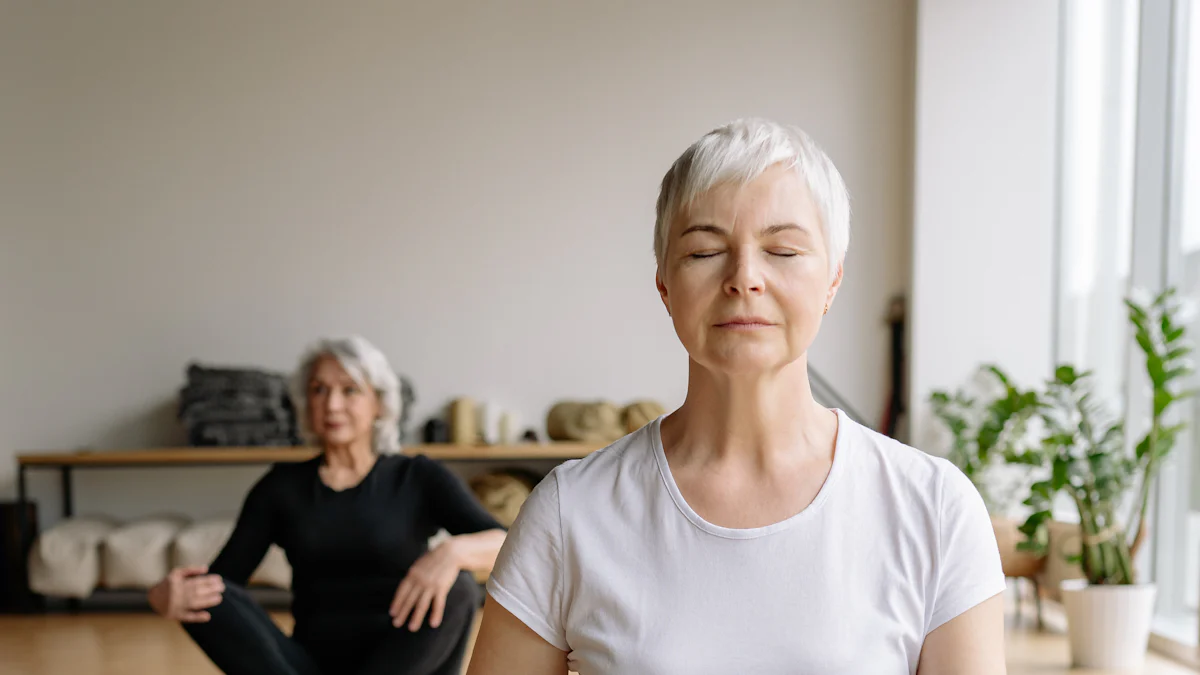
Finding the right yoga sanctuary requires careful research and evaluation. By considering factors like location, budget, and teacher qualifications, you can ensure your choice aligns with your needs and lifestyle.
Location and Accessibility
The location of your yoga sanctuary plays a big role in how often you’ll attend. Convenience can make or break your commitment to regular practice.
Close to Home or Work: A sanctuary near your home or workplace saves time and makes it easier to fit yoga into your daily routine. Long commutes can discourage consistency, so prioritize proximity.
Online Options: If attending in person feels challenging, look for sanctuaries offering online classes. Virtual sessions provide flexibility and allow you to practice from the comfort of your home. This option is especially helpful if you travel often or have a busy schedule.
“Yoga is not about touching your toes. It is what you learn on the way down.” – Jigar Gor
Budget and Pricing
Yoga should feel accessible, not like a financial burden. Understanding your budget helps you find a sanctuary that fits your financial situation.
Set a Budget: Determine how much you’re willing to spend on classes or memberships. Yoga studios often offer a range of pricing options, from drop-in rates to monthly packages. Some even provide discounts for students or seniors.
Flexible Payment Options: Check if the sanctuary offers payment plans or promotions. Many studios provide free trial classes or introductory deals, which let you explore without committing upfront. If you’re practicing at home, creating your own yoga space can be cost-effective compared to studio memberships.
Teacher Qualifications and Teaching Style
The quality of instruction can greatly impact your yoga experience. A skilled teacher ensures you practice safely and effectively.
Certified and Experienced Instructors: Look for sanctuaries with certified teachers who have completed reputable training programs. Yoga teacher training often costs between $2,000 and $5,000, reflecting the depth of knowledge and expertise instructors bring to their classes.
Teaching Style That Resonates: Every teacher has a unique approach. Some focus on alignment and technique, while others emphasize mindfulness and flow. Attend a trial class to see if their style matches your learning preferences. A good teacher should inspire and challenge you while making you feel supported.
By evaluating these factors, you’ll narrow down your options and find a yoga sanctuary that feels like the perfect fit. Whether it’s a serene studio or a peaceful corner at home, the right space will support your journey toward balance and growth.
Class Size and Atmosphere
The size of your yoga class and the overall atmosphere of the sanctuary can significantly influence your experience. These factors shape how comfortable and connected you feel during your practice.
Do you prefer smaller, intimate classes or larger group settings?
Smaller classes often provide a more personal experience. Instructors can give you individualized attention, helping you refine your poses and deepen your practice. If you’re new to yoga or prefer a quieter environment, intimate classes might suit you best. They create a sense of closeness and allow you to build stronger connections with your teacher and fellow practitioners.
On the other hand, larger group settings bring a different kind of energy. Practicing alongside many others can feel inspiring and motivating. The collective energy of a big class often fosters a sense of community and shared purpose. If you thrive in social environments or enjoy the buzz of group dynamics, a larger class might be the perfect fit.
Is the atmosphere welcoming, peaceful, and aligned with your values?
The atmosphere of your yoga sanctuary should resonate with you on a personal level. A welcoming space makes it easier to relax and focus on your practice. Look for sanctuaries that prioritize cleanliness, organization, and a calming ambiance. Soft lighting, soothing colors, and natural elements like plants or wooden accents can enhance the tranquility of the space.
Yoga studios often offer a professional and structured environment. They provide access to experienced instructors and a community of like-minded individuals. However, creating a yoga sanctuary at home offers unmatched flexibility. You can design the space to reflect your personality and values, incorporating decor and sensory elements that inspire you. Whether you choose a studio or a home sanctuary, the key is to ensure the atmosphere supports your goals and promotes inner peace.
“The right atmosphere transforms a yoga practice into a journey of self-discovery.”
Take time to explore different options. Visit studios, attend trial classes, or experiment with setting up a dedicated space at home. Trust your instincts and choose an environment where you feel at ease and inspired to grow.
Create the Ideal Yoga Sanctuary Environment
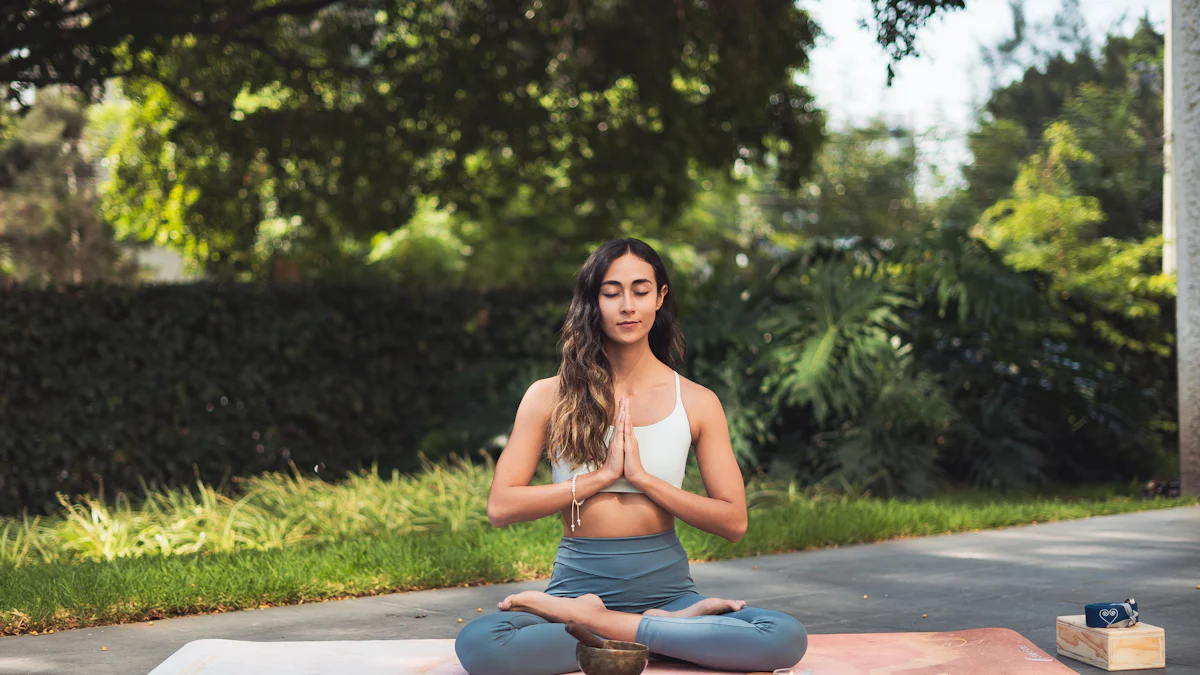
Creating your yoga sanctuary involves more than just finding a space. It’s about shaping an environment that inspires peace, focus, and personal growth. By decluttering, enhancing the ambiance, and incorporating sensory elements, you can transform any area into a haven for your practice.
Declutter and Personalize Your Space
How can decluttering help create a serene environment?
Clutter distracts your mind and disrupts your focus. A clean, organized space allows you to fully immerse yourself in your practice. Removing unnecessary items creates a sense of openness and calm. When your surroundings feel peaceful, your mind follows suit. As Samantha, an expert in accessible yoga, emphasizes, “Healthy movement begins with a healthy environment.” Start by clearing out anything that doesn’t serve your practice. Keep only what adds value or purpose to your yoga journey.
What personal touches can make the space feel uniquely yours?
Personalizing your yoga sanctuary makes it feel like an extension of yourself. Add elements that resonate with your personality and inspire positivity. This could include a favorite piece of artwork, a small plant, or a meaningful object like a crystal or statue. You might also consider using a yoga mat in a color or design that uplifts you. These small touches create a connection between you and your space, making it more inviting and motivating.
Enhance the Ambiance
How do calming colors and natural elements contribute to tranquility?
Colors influence mood and energy. Soft, neutral tones like beige, light blue, or sage green promote relaxation and balance. Natural elements, such as wooden furniture, woven rugs, or potted plants, bring a grounding energy to your sanctuary. These elements connect you to nature, which can enhance feelings of serenity and mindfulness. A simple vase of fresh flowers or a bamboo mat can make a big difference in creating a tranquil atmosphere.
What role does lighting play in setting the mood for practice?
Lighting sets the tone for your yoga practice. Harsh, bright lights can feel overwhelming, while soft, warm lighting creates a soothing environment. Consider using dimmable lights or candles to adjust the brightness to your liking. Natural light is another excellent option. Practicing near a window during the day allows you to benefit from sunlight, which boosts mood and energy. If you prefer evening sessions, string lights or salt lamps can add a cozy glow to your space.
Incorporate Sensory Elements
How can aromatherapy enhance your yoga experience?
Scents have a powerful effect on emotions and focus. Aromatherapy can elevate your yoga practice by creating a calming or energizing atmosphere, depending on your needs. Essential oils like lavender, eucalyptus, or sandalwood are popular choices for relaxation. Use a diffuser to fill the room with your chosen scent, or place a few drops on your yoga mat. The gentle aroma can help you stay present and deepen your connection to the practice.
Why is maintaining a comfortable temperature important?
Temperature plays a crucial role in your comfort and performance during yoga. A space that’s too cold can make your muscles stiff, while excessive heat may cause discomfort. Aim for a moderate temperature that supports your body’s natural movements. If you practice hot yoga, ensure proper ventilation to avoid feeling overwhelmed. For cooler practices, keep a blanket or shawl nearby for added warmth during meditation or savasana.
“Your yoga sanctuary should feel like a retreat—a place where you can escape the noise of the world and reconnect with yourself.”
By decluttering, personalizing, and enhancing your space with thoughtful details, you’ll create a yoga sanctuary that nurtures your mind, body, and spirit. This environment will support your practice and help you embrace the transformative power of yoga.
Test and Decide
Choosing the right yoga sanctuary is a personal journey. Testing your options and trusting your instincts can help you make the best decision. Here’s how you can evaluate your choices effectively.
Attend Trial Classes or Workshops
Does the sanctuary offer free or low-cost trial classes?
Many yoga sanctuaries provide trial classes or workshops to help you experience their offerings without a big commitment. These sessions give you a chance to explore the environment, meet the instructors, and try out the class structure. Look for sanctuaries that offer free or affordable trials. This way, you can test the waters before diving in.
Trial classes also let you assess the quality of instruction. Are the teachers attentive? Do they guide you through poses with care? A good instructor ensures you feel supported and confident, whether you’re a beginner or an experienced yogi.
How do you feel after attending a session there?
Pay attention to how you feel after the class. Do you leave feeling relaxed, energized, or more connected to yourself? Yoga is known to reduce stress and improve emotional well-being. In fact, studies show that 86% of people who practice yoga report lower stress levels. If a sanctuary leaves you feeling refreshed and uplifted, it’s a strong sign that it aligns with your needs.
“Yoga is the perfect opportunity to be curious about who you are.” – Jason Crandell
Read Reviews and Testimonials
What do other students say about their experiences?
Reviews and testimonials can provide valuable insights into a yoga sanctuary. Check online platforms or the sanctuary’s website for feedback from other students. Look for comments about the instructors, class atmosphere, and overall experience. Positive reviews often highlight qualities like supportive teachers, clean facilities, and a welcoming environment.
Are there consistent positive or negative patterns in the feedback?
Patterns in reviews can reveal a lot. Consistent praise for a sanctuary’s ambiance or teaching style suggests reliability. On the other hand, repeated complaints about overcrowded classes or unprofessional staff might be red flags. Use this information to weigh the pros and cons of each option.
“The experiences of others can guide you, but only your own experience will confirm the truth.”
Trust Your Intuition
Does the sanctuary feel like a place where you can grow and thrive?
Your intuition plays a key role in this decision. When you visit a sanctuary, ask yourself if it feels like a space where you can grow. A yoga sanctuary should inspire you to deepen your practice and nurture your well-being. It’s not just about the physical space—it’s about the energy and connection you feel there.
Do you feel a sense of connection and comfort when you visit?
Comfort and connection matter. A sanctuary should feel like a safe haven where you can relax and focus on your practice. If you feel at ease and welcomed, it’s likely a good fit. Remember, yoga is about self-discovery and inner peace. The right sanctuary will support you on this journey.
“Your yoga sanctuary is more than a place—it’s a feeling of belonging and growth.”
By attending trial classes, reading reviews, and trusting your instincts, you’ll find a yoga sanctuary that resonates with you. Take your time, explore your options, and choose a space that feels like home for your practice.
Choosing your yoga sanctuary is a deeply personal journey. Start by understanding your goals and what you need from your practice. Research your options thoroughly. Consider factors like location, budget, and the teaching style that resonates with you. Take action—attend trial classes, read reviews, and trust your instincts. As Samantha highlights, creating the right environment fosters personal growth and inclusivity. Your perfect yoga sanctuary is waiting for you. Begin your journey today and embrace the transformative power of yoga. Let it guide you toward balance, peace, and self-discovery.
See Also
Discovering The Right Yoga Studio For Your Needs
Key Tips For Selecting The Ideal Yoga Studio
The Complete Manual For Picking A Yoga Studio
Hi my name is Lia and i am your host in this yoga journey in Portugal, Subscribe to our newsletter to receive every week the best of Yoga in Portugal.

We bring back the importance of initiation into womanhood by Roos-Veerle Krijnen & Ella-June Henrard
Welcome to the Women’s Initiation Retreat by Naked Truth Retreats, a transformative journey into the depths of your True Feminine Nature. This retreat invites you to remember the sacredness and wholeness of your being.
Roos-Veerle Krijnen & Ella-June Henrard