Choosing the Best Yoga Shoes for Beginners

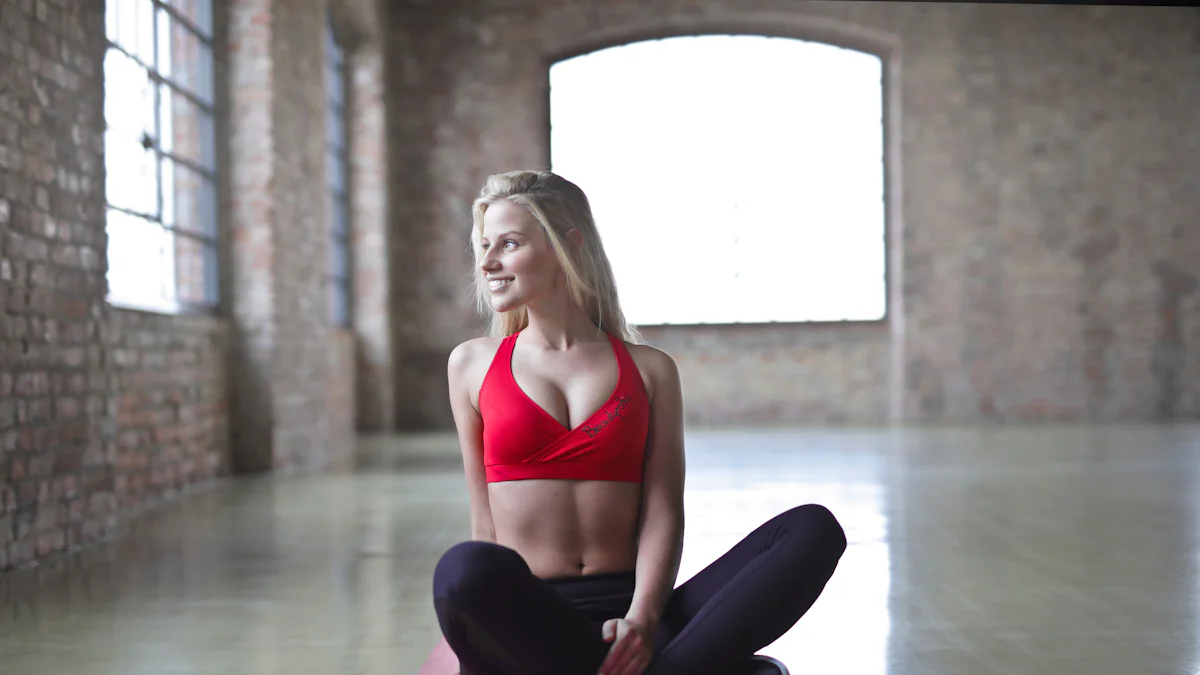
As a beginner, you might wonder if you need yoga shoes for your practice. While many people practice yoga barefoot, wearing yoga shoes can offer several benefits. They provide enhanced grip and stability, which is crucial for maintaining balance during poses. Yoga shoes also protect your feet from dirt and germs, especially in shared spaces. You might find them necessary when practicing on hard or slippery surfaces or during outdoor sessions. Choosing the right footwear can significantly enhance your yoga experience, making it more comfortable and effective.
Understanding the Need for Yoga Shoes
Benefits of Wearing Yoga Shoes
Enhanced Grip and Stability
When you practice yoga, maintaining balance is crucial. Yoga shoes can help you achieve this by providing enhanced grip and stability. Many yoga shoes come with rubber soles that prevent slipping during balance poses or inversions. This feature allows you to focus more on your practice without worrying about losing your footing. Additionally, specialized yoga shoes offer extra stability, which can help prevent ankle sprains or slips during challenging poses.
Protection and Hygiene
Yoga studios and communal mats can harbor dirt and bacteria. Wearing yoga shoes can protect your feet from these unwanted elements. They act as a barrier, reducing the risk of infections and keeping your feet clean. Moreover, yoga shoes often incorporate cushioning and arch support, which can relieve pressure on your feet and joints. This support is especially beneficial if you have painful arches, heels, or bunions.
Situations Where Yoga Shoes Are Necessary
Practicing on Hard or Slippery Surfaces
Sometimes, you might find yourself practicing yoga on hard or slippery surfaces. In such cases, yoga shoes become essential. Their non-slip soles provide the traction needed to prevent sliding, allowing you to maintain your poses confidently. Whether you're practicing at home or in a studio with less-than-ideal flooring, yoga shoes can make a significant difference in your practice.
Outdoor Yoga Sessions
Outdoor yoga sessions offer a refreshing change of scenery, but they also present unique challenges. Uneven ground, dirt, and grass can affect your balance and comfort. Yoga shoes designed for outdoor use can provide the necessary grip and protection. They help distribute your weight evenly, reducing fatigue and preventing overpronation or supination during poses. With the right pair of yoga shoes, you can enjoy your outdoor practice without distractions.
Key Features to Look for in Yoga Shoes
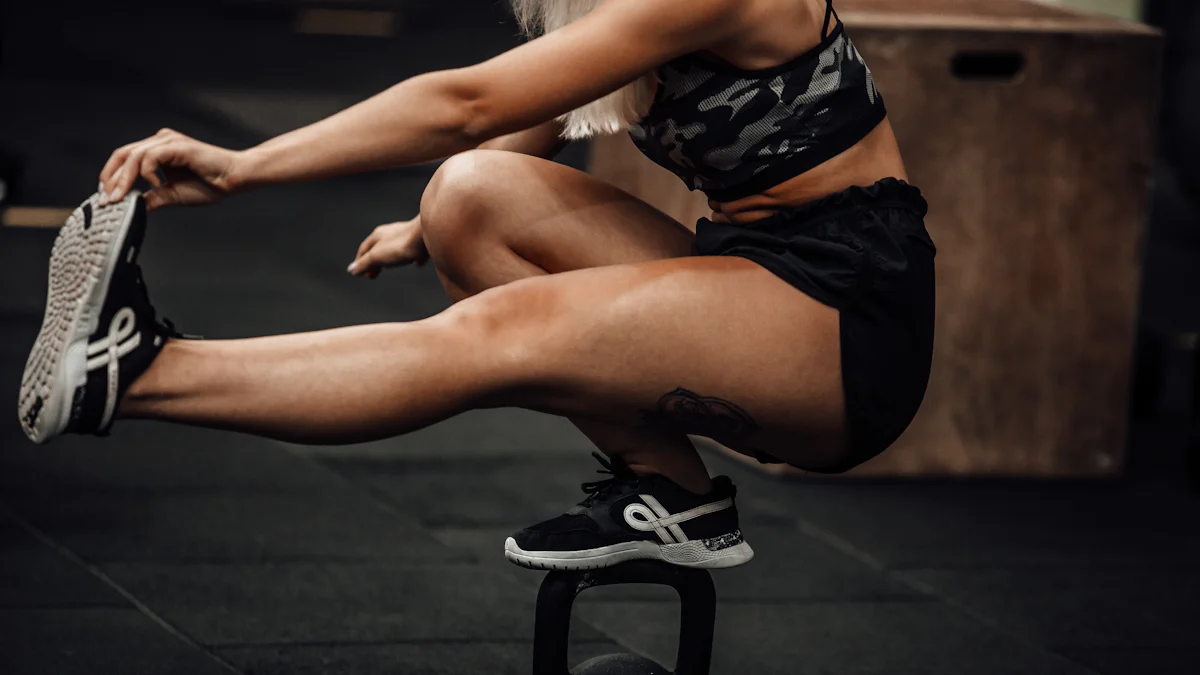
When you're on the hunt for the perfect yoga shoes, certain features can make all the difference in your practice. Let's dive into what you should keep an eye out for.
Flexibility and Comfort
Importance of Flexible Soles
Flexible soles are a must-have in yoga shoes. They allow your feet to move naturally, which is essential for maintaining proper form during poses. Zee Alexis Women Yoga Shoes incorporate Active Response Technology™ and memory stretch elastics, ensuring your feet have the freedom they need. This flexibility helps you transition smoothly between poses, enhancing your overall yoga experience.
Breathable Materials
Breathability is another key factor. Shoes made from breathable materials keep your feet cool and dry, even during intense sessions. This feature prevents discomfort and reduces the risk of blisters. Brands like Shoe Zero focus on creating shoes that not only look good but also support your practice by using materials that promote airflow. This ensures you stay comfortable and focused throughout your session.
Grip and Traction
Non-Slip Soles
Non-slip soles are crucial for maintaining stability. They provide the grip you need to hold poses without slipping. Superior Traction Yoga Shoes often feature rubber soles designed to prevent slipping during balance poses or inversions. This added stability is especially beneficial for beginners, giving you the confidence to master various poses without fear of falling.
Suitable for Different Surfaces
Your yoga shoes should be versatile enough to handle different surfaces. Whether you're practicing indoors or outdoors, the right shoes will offer the traction you need. Minimalist Yoga Shoes come with thin soles that provide excellent grip, making them ideal for hot yoga or when you need extra support. This versatility ensures you can practice anywhere, anytime, without compromising on safety or comfort.
Choosing the right yoga shoes involves considering these key features. By focusing on flexibility, comfort, grip, and traction, you'll find a pair that enhances your practice and keeps you grounded.
Comparing Footwear Options
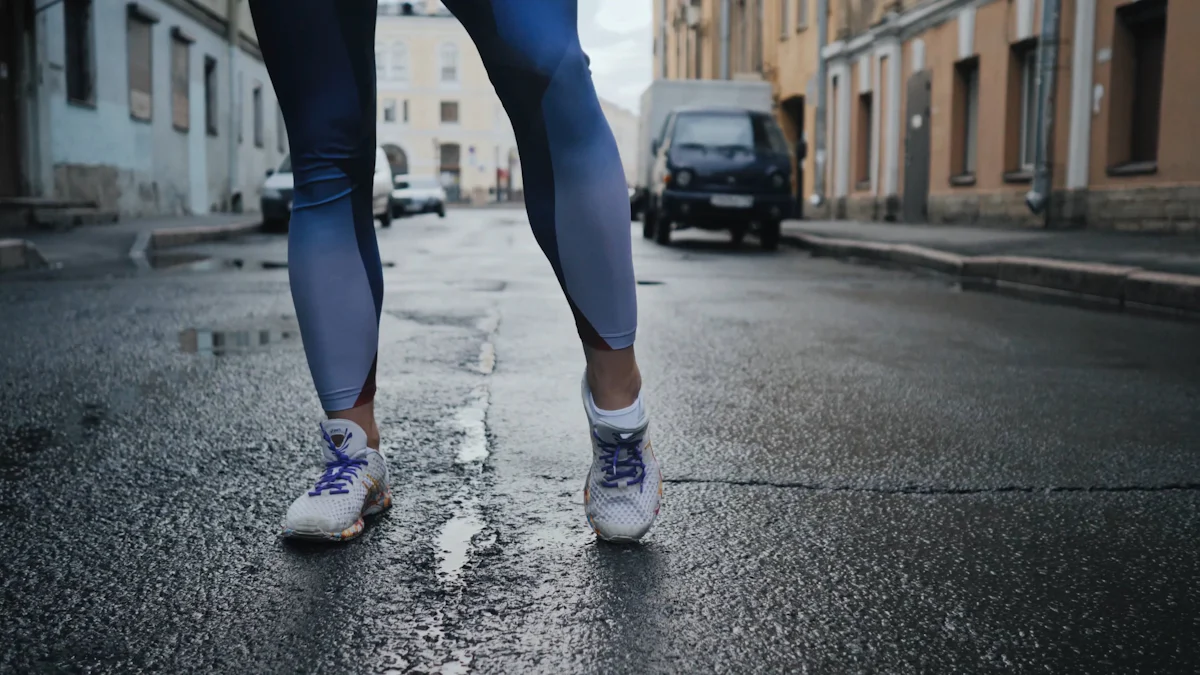
When it comes to yoga, choosing the right footwear can make a big difference in your practice. Let's explore the options and see what might work best for you.
Yoga Shoes vs. Barefoot
Advantages of Going Barefoot
Practicing yoga barefoot offers a unique connection with the ground. This connection enhances your balance and strength. Without any barriers, your feet can grip the mat naturally, allowing for better stability during poses. Many yogis prefer this method because it helps them feel more grounded and in tune with their movements. Plus, going barefoot can improve your foot strength over time, which is beneficial for overall foot health.
When Shoes Are a Better Option
While barefoot practice has its perks, there are times when yoga shoes might be the better choice. If you're practicing outdoors or on a carpet, shoes provide the necessary grip and protection. They cover your entire foot and have a sole designed for traction, which can be especially helpful on uneven or slippery surfaces. Yoga shoes also offer support and cushioning, making them ideal for those who need extra comfort or have specific foot conditions.
Yoga Shoes vs. Yoga Socks
Benefits of Yoga Socks
Yoga socks can be a great alternative if you want a barefoot-like feel with some added benefits. They often come with rubberized soles that provide grip, preventing slips on the mat. This feature is particularly useful in colder environments where you might want some warmth without sacrificing stability. Yoga socks also offer hygienic benefits, keeping your feet protected from dirt and germs, especially in shared spaces.
Limitations Compared to Shoes
However, yoga socks do have their limitations. They might not offer the same level of support and protection as yoga shoes. While they provide some grip, they may not be as effective on all surfaces, especially outdoors. Additionally, socks can sometimes slip off or bunch up during intense sessions, which can be distracting. For those who need more comprehensive foot coverage and support, yoga shoes might be the better option.
Choosing between these options depends on your personal preferences and the specific needs of your practice. Whether you opt for yoga shoes, socks, or go barefoot, each choice has its own set of advantages. Consider what feels most comfortable and supportive for you, and don't hesitate to try different options to find the perfect fit for your yoga journey.
How to Choose the Right Yoga Shoes
Choosing the right yoga shoes can significantly enhance your practice. Let's explore how you can make the best choice based on your yoga style, foot conditions, and budget.
Consider Your Yoga Style
Different yoga styles have unique requirements when it comes to footwear. Understanding these can help you select the most suitable yoga shoes.
Different Styles and Their Requirements
High-Intensity Practices: If you enjoy hot yoga or power yoga, look for shoes that offer stability and traction. These styles involve dynamic movements, so supportive shoes can prevent slips and provide the grip you need.
Restorative Yoga: For slower-paced styles like yin yoga, you might prefer going barefoot. This allows you to connect more deeply with the mat, enhancing your balance and grounding.
Outdoor Yoga: Practicing outside requires shoes that can handle uneven surfaces. Opt for footwear with durable soles and good grip to ensure safety and comfort.
Assess Foot Conditions and Needs
Your foot health plays a crucial role in choosing the right yoga shoes. Consider any specific needs you might have.
Support for Flat Feet or High Arches
Flat Feet: If you have flat feet, look for shoes with arch support. This feature helps distribute your weight evenly, reducing strain on your feet and improving your posture during poses.
High Arches: For those with high arches, cushioning is key. Shoes with extra padding can provide the comfort and support needed to prevent discomfort during your practice.
Budget Considerations
Finding the perfect pair of yoga shoes doesn't mean breaking the bank. Balancing cost and quality is essential.
Balancing Cost and Quality
Set a Budget: Determine how much you're willing to spend. Remember, higher price doesn't always mean better quality.
Prioritize Features: Focus on the features that matter most to you, such as flexibility, grip, and comfort. Sometimes, affordable options can meet all your needs without compromising on quality.
By considering your yoga style, foot conditions, and budget, you can find yoga shoes that enhance your practice and keep you comfortable. Remember, the right pair should feel like an extension of your body, allowing you to move freely and confidently.
Choosing the right yoga shoes can transform your practice. You’ve learned about the benefits of enhanced grip, stability, and protection. Remember, personal comfort and preference are key. Whether you opt for shoes, socks, or go barefoot, each choice offers unique advantages. Experiment with different options to discover what suits you best. The right footwear can prevent injuries and improve your yoga experience. So, take your time, explore various styles, and find the perfect fit that keeps you grounded and focused on your journey.
See Also
Starting Your Yoga Adventure: A Beginner's Guide
Tips for Selecting the Right Yoga Studio for You
The Complete Handbook for Finding Your Ideal Yoga Studio

Hi my name is Lia and i am your host in this yoga journey in Portugal, Subscribe to our newsletter to receive every week the best of Yoga in Portugal.

We bring back the importance of initiation into womanhood by Roos-Veerle Krijnen & Ella-June Henrard
Welcome to the Women’s Initiation Retreat by Naked Truth Retreats, a transformative journey into the depths of your True Feminine Nature. This retreat invites you to remember the sacredness and wholeness of your being.
Roos-Veerle Krijnen & Ella-June Henrard