How to Build Strength for Tough Yoga Poses

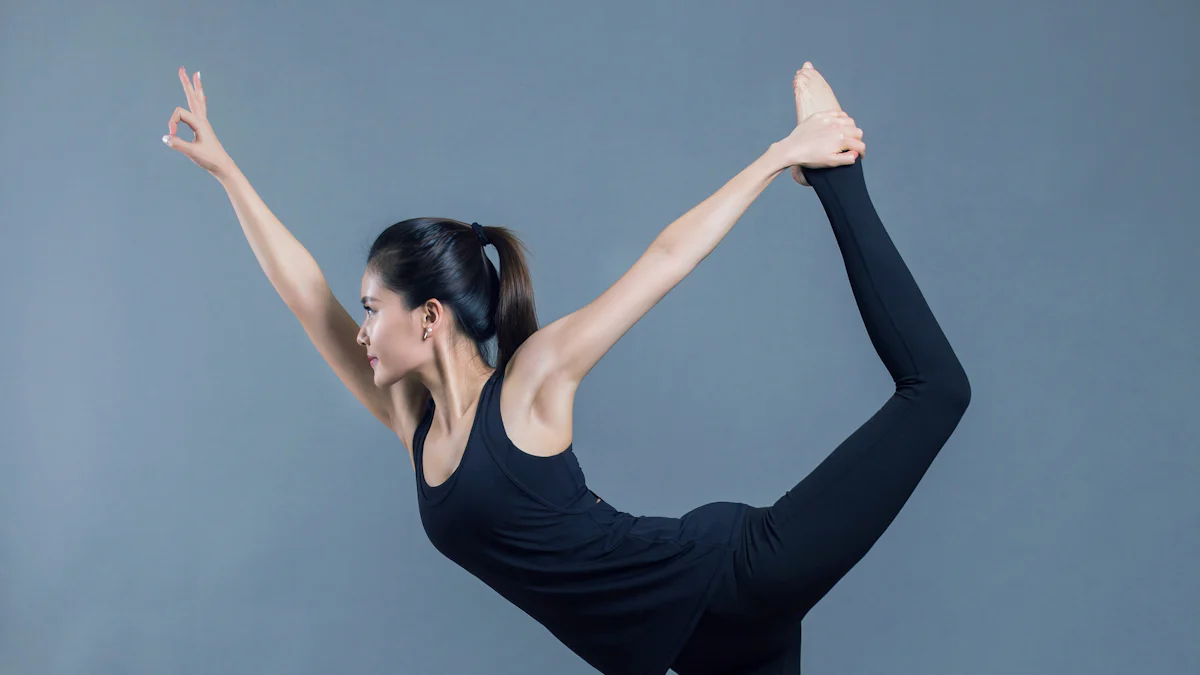
Building strength is crucial for mastering tough yoga poses. You need a solid foundation to support your body as you explore advanced postures. Consistent practice and patience play significant roles in this journey. Focus on key strategies that enhance your strength, such as core workouts and foundational poses. Embrace the process, and remember that every small step contributes to your overall progress.
Key Takeaways
Build a strong core to enhance stability and balance in tough yoga poses; incorporate exercises like planks, boat pose, and bridge pose into your routine.
Include strength-building exercises such as push-ups, squats, and lunges 2-3 times a week to develop the necessary muscle for advanced postures.
Master foundational poses like downward dog, warrior poses, and tree pose to create a solid base for tackling more challenging asanas.
Utilize props like blocks, straps, and bolsters to support your practice, deepen stretches, and enhance strength safely.
Set realistic, SMART goals for your yoga journey to stay motivated and track your progress effectively.
Create a consistent practice routine by scheduling specific days and times for yoga and balancing it with strength training sessions.
Seek guidance from qualified instructors and engage with a yoga community to enhance your learning and maintain motivation.
Physical Preparation for Tough Poses
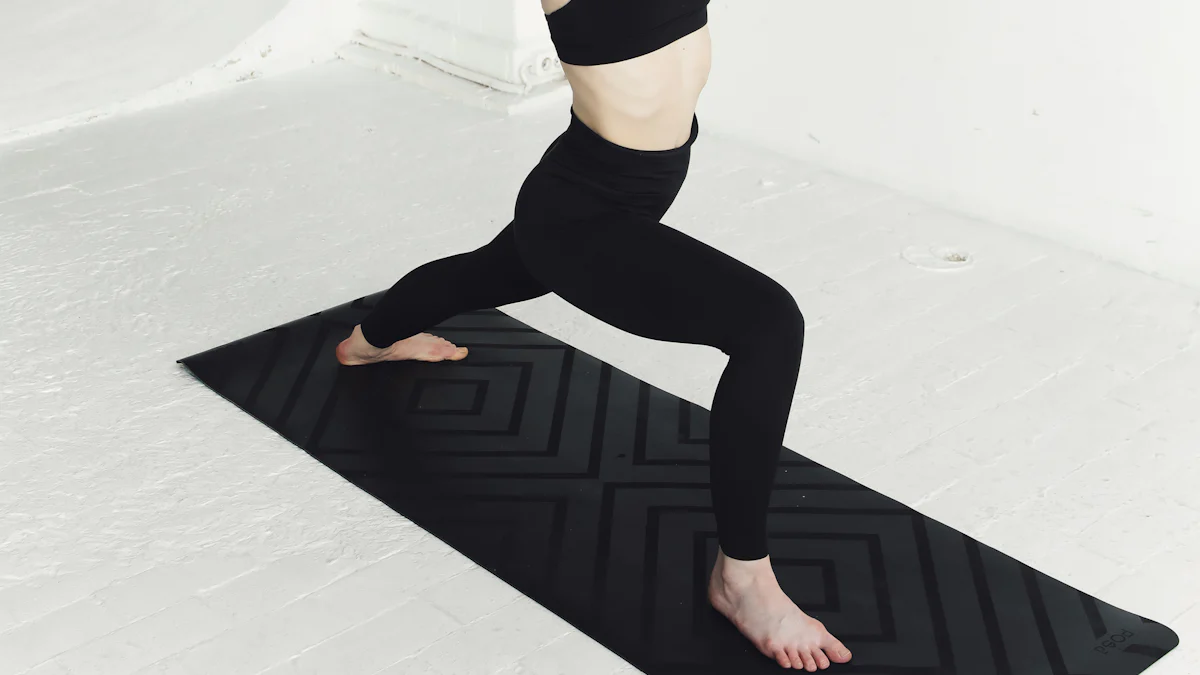
Importance of Building Core Strength
Building core strength is essential for mastering tough yoga poses. A strong core stabilizes your body, allowing you to maintain balance and control in advanced postures. You can enhance your core strength through various exercises.
Plank variations, boat pose, and bridge pose
Incorporate plank variations, boat pose, and bridge pose into your routine. These poses engage multiple muscle groups, especially your abdominal muscles. For instance, when you hold a plank, you activate your entire core, which helps improve your overall stability.
Research shows that a strong core can lead to better posture and reduced risk of injury.
Try to hold each pose for 30 seconds to a minute. Gradually increase the duration as you build strength.
Enhances stability and balance in advanced postures
With a strong core, you’ll find it easier to transition into tough yoga poses. Stability and balance become second nature, allowing you to focus on your breath and alignment. This foundation supports your journey toward mastering challenging asanas.
Strength-Building Exercises
In addition to core work, you should include strength-building exercises in your routine. These exercises help develop the muscles necessary for tough yoga poses.
Push-ups, squats, and lunges
Incorporate push-ups, squats, and lunges into your weekly workouts. These exercises target major muscle groups, enhancing your overall strength. For example, push-ups strengthen your arms and chest, while squats and lunges build leg strength.
Aim for 2-3 sets of 10-15 repetitions for each exercise. You can adjust the number based on your fitness level.
Incorporate strength training sessions 2-3 times a week
Make strength training a regular part of your routine. Aim for 2-3 sessions each week. This consistency will help you build the muscle needed for tough yoga poses. Pair these sessions with your yoga practice for optimal results.
Foundational Poses to Master
Before tackling tough yoga poses, focus on mastering foundational poses. These poses provide the groundwork for more advanced asanas.
Downward dog, warrior poses, and tree pose
Start with downward dog, warrior poses, and tree pose. These foundational poses improve flexibility and strength. Downward dog stretches your spine and hamstrings, while warrior poses build leg strength and stability. Tree pose enhances your balance, preparing you for more challenging postures.
Progress through modifications to advanced variations
As you gain confidence, progress through modifications to advanced variations. For instance, try transitioning from tree pose to half-moon pose. This gradual approach allows you to build strength and flexibility safely.
Utilizing Props and Modifications
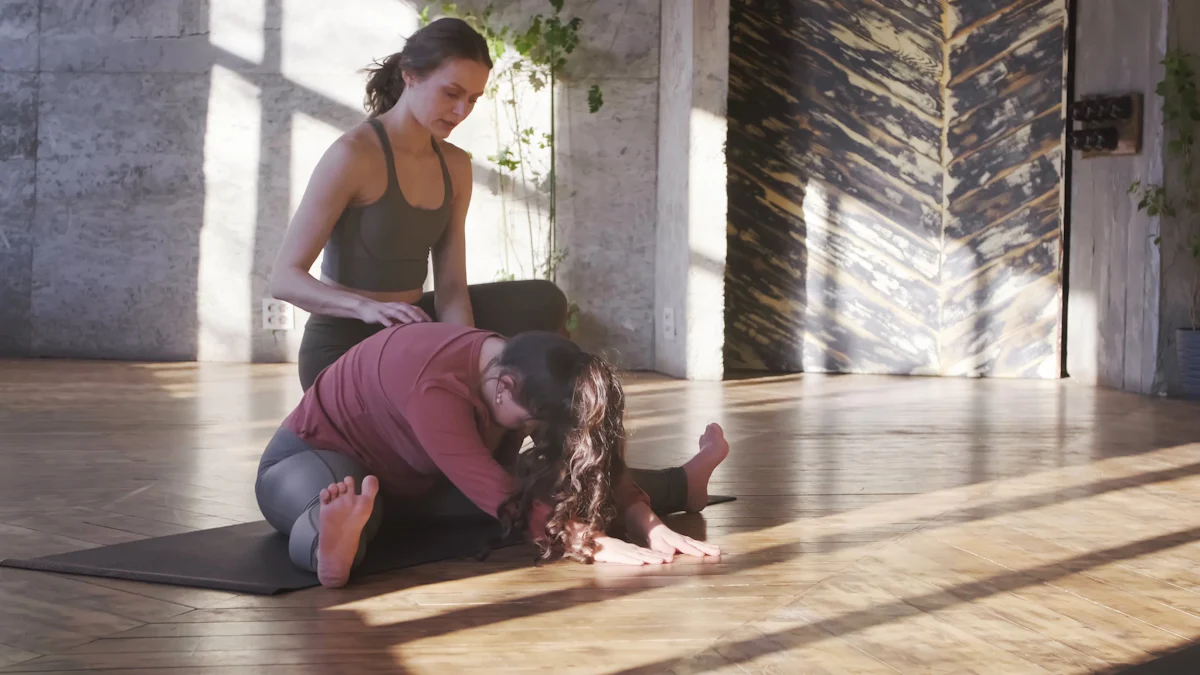
The Role of Props in Practice
Props can transform your yoga practice. They provide support, enhance your strength, and make tough yoga poses more accessible. You might think props undermine your practice, but that’s a common misconception. Teragawa, a yoga instructor, emphasizes that props can actually make poses more challenging while allowing you to honor your body each day.
Blocks, straps, and bolsters for support
Using blocks, straps, and bolsters can help you find the correct alignment in each pose. Blocks elevate your hands in standing poses, making it easier to maintain balance. Straps assist in reaching your feet during stretches, ensuring you don’t strain. Bolsters provide comfort and support, especially in restorative poses.
"Some people seem to feel they undermine your practice... However, modifications, such as dropping to your knees for planks or using bolsters and blocks to elevate and support certain parts of the body, are healthy techniques you should incorporate into your practice." - Stephens, Yoga Instructor.
Use props to deepen stretches and enhance strength
Props also allow you to deepen your stretches. For example, when you use a strap in a seated forward bend, you can pull yourself deeper into the stretch without risking injury. This approach helps you build strength gradually. As you become more comfortable, you can challenge yourself further.
Modifications for Tough Poses
Modifications are essential for safely navigating tough yoga poses. They help you adapt the practice to your current abilities.
Child's pose, supported headstand, and modified pigeon pose
Consider using child’s pose as a resting position when you need a break. It allows you to reconnect with your breath and regain energy. A supported headstand can help you build strength in your shoulders and core without putting too much pressure on your neck. Modified pigeon pose opens your hips gently, making it more accessible while still providing a deep stretch.
Modify poses based on your comfort and ability
Always listen to your body. If a pose feels too challenging, modify it. You can drop to your knees during a plank or use a wall for support in balancing poses. These adjustments keep your practice safe and enjoyable. Remember, yoga is about progress, not perfection.
Mental Preparation Strategies
Cultivating Resilience and Focus
Building mental strength is just as important as physical strength in yoga. You can enhance your practice by cultivating resilience and focus.
Visualization techniques and breath control
Visualization techniques can help you prepare for tough poses. Picture yourself successfully executing a challenging asana. Imagine the feeling of strength and balance as you hold the pose. This mental rehearsal can boost your confidence and reduce anxiety.
Breath control plays a vital role too. Focus on your breath as you move through your practice. Deep, steady breaths calm your mind and center your thoughts. When you feel overwhelmed, return to your breath. It serves as an anchor, helping you stay present and focused.
Mindfulness practices to stay present in your practice
Mindfulness practices can deepen your connection to yoga. Try to engage fully in each moment of your practice. Notice how your body feels in each pose. Pay attention to your thoughts and emotions without judgment. This awareness helps you cultivate resilience.
You might find that mindfulness enhances your overall experience. Many practitioners report improved confidence and positive lifestyle changes from incorporating mindfulness into their routines.
Setting Realistic Goals
Setting realistic goals keeps you motivated and focused on your yoga journey. Goals provide direction and help you measure your progress.
SMART goals for your yoga journey
Use the SMART criteria to set your goals. Make them Specific, Measurable, Achievable, Relevant, and Time-bound. For example, instead of saying, "I want to improve my yoga," try, "I will practice yoga three times a week for the next month." This approach gives you a clear target to work toward.
Keep a journal to track progress and celebrate achievements
Keeping a journal can be a game-changer. Write down your goals, experiences, and reflections after each practice. Tracking your progress helps you see how far you've come. Celebrate your achievements, no matter how small. Each step forward is a victory worth acknowledging.
Many participants in yoga programs report that journaling enhances their self-management skills and boosts their confidence. You can experience these benefits too. Embrace the journey, and remember that every effort counts.
Creating a Consistent Practice Routine
Creating a consistent practice routine helps you build strength and flexibility for tough yoga poses. Regularity in your practice leads to noticeable improvements in your body and mind. You’ll feel stronger, more balanced, and more confident as you progress.
Developing a Regular Yoga Schedule
Setting a regular schedule makes it easier to commit to your practice. When you know exactly when you’ll practice, you’re less likely to skip sessions.
Set specific days and times for practice
Choose specific days and times for your yoga sessions. Whether you prefer mornings or evenings, find what works best for you. Consistency is key. Aim for at least two to three sessions each week. This frequency allows your body to adapt to new movements and builds a solid foundation for tougher poses.
Balance strength training with flexibility-focused sessions
Balance your yoga practice with strength training. Incorporate flexibility-focused sessions alongside your strength workouts. This combination enhances your overall fitness. You’ll notice improvements in both strength and flexibility, which are crucial for mastering tough yoga poses.
Incorporating Strength Training into Yoga
Integrating strength training into your yoga routine can elevate your practice. Combining these elements helps you develop the muscle needed for advanced postures.
Combine yoga flows with strength exercises
Try blending yoga flows with strength exercises. For example, you can perform a series of sun salutations followed by push-ups or squats. This approach keeps your heart rate up while building strength. You’ll engage multiple muscle groups, making your practice more dynamic and effective.
Sample schedule: 3 days yoga, 2 days strength training
Consider a sample schedule like this:
Monday: Yoga flow
Tuesday: Strength training (focus on legs and core)
Wednesday: Yoga flow
Thursday: Strength training (focus on upper body)
Friday: Yoga flow
Saturday: Rest or gentle yoga
Sunday: Optional strength training or yoga
This routine allows you to focus on both yoga and strength training. You’ll build the necessary strength for tough yoga poses while maintaining flexibility and balance.
Seeking Guidance and Community Support
Finding a Qualified Instructor
Finding the right instructor can make a world of difference in your yoga journey. Look for experienced teachers who have a strong background in yoga instruction. They can provide you with valuable insights and techniques that enhance your practice.
Look for experienced teachers with a strong background
When searching for an instructor, consider their qualifications and experience. A knowledgeable teacher can guide you through complex poses and help you avoid injuries. They often share tips that you won’t find in books or online videos.
"Building a relationship with the group is important for both their own and participants’ enjoyment," says a yoga teacher. They emphasize that rapport helps create a supportive environment where everyone feels comfortable.
Personalized instruction can accelerate progress
Personalized instruction can significantly speed up your progress. A good instructor tailors their teaching to meet your individual needs. They adapt poses and exercises based on your skill level and goals. This approach fosters an inclusive atmosphere, making it easier for you to learn and grow.
Joining a Yoga Community
Joining a yoga community can provide you with the support you need. Engaging with others who share your passion can motivate you to stay committed to your practice.
Engage with local or online yoga groups for support
Consider participating in local or online yoga groups. These communities offer encouragement and camaraderie. You can share experiences, ask questions, and celebrate achievements together. Many practitioners find that this support system enhances their overall experience.
"The community support you get can aid your efforts to lose weight," notes WebMD. This highlights how being part of a group can positively impact your wellness journey.
Attend workshops to deepen your practice and knowledge
Workshops provide excellent opportunities to deepen your understanding of yoga. They often cover specific topics or techniques that can enhance your skills. Attending these events allows you to learn from experienced instructors and connect with fellow yogis.
In summary, seeking guidance from qualified instructors and engaging with a supportive community can elevate your yoga practice. Embrace these resources, and watch your strength and confidence grow as you tackle tough poses.
Building strength is vital for mastering tough yoga poses. As you practice regularly, you’ll notice improvements in your endurance and flexibility. Remember, patience is key. Progress takes time, so celebrate each small victory along the way. Embrace the journey of yoga as a path to personal growth. Each pose you conquer not only strengthens your body but also enriches your mind. Keep pushing your limits, and enjoy the transformation that unfolds.
See Also
Perfecting the Downward Dog Yoga Position Effectively
Comprehensive Guide to Perfecting the Yoga Plank
Detailed Instructions for Mastering Various Yoga Asanas

Hi my name is Lia and i am your host in this yoga journey in Portugal, Subscribe to our newsletter to receive every week the best of Yoga in Portugal.

We bring back the importance of initiation into womanhood by Roos-Veerle Krijnen & Ella-June Henrard
Welcome to the Women’s Initiation Retreat by Naked Truth Retreats, a transformative journey into the depths of your True Feminine Nature. This retreat invites you to remember the sacredness and wholeness of your being.
Roos-Veerle Krijnen & Ella-June Henrard