How to Build a Relaxing Night Yoga Routine


Creating a night yoga routine can transform your evenings into a peaceful retreat. Many people find that practicing yoga before bed helps them unwind and prepare for restful sleep. In fact, *59% of yoga practitioners report improved sleep quality*. By focusing on gentle poses and mindful breathing, you can reduce stress and anxiety, paving the way for a serene night. Set your intention to embrace tranquility and let go of the day's worries. This simple practice not only enhances your sleep but also enriches your overall well-being.
Understanding the Benefits of a Night Yoga Routine
A night yoga routine offers a treasure trove of benefits for both your body and mind. By incorporating this practice into your evenings, you can experience a profound transformation in your overall well-being.
Physical Benefits
Improved Flexibility
Engaging in a night yoga routine can significantly enhance your flexibility. As you stretch and hold various poses, your muscles gradually become more pliable. This increased flexibility not only helps prevent injuries but also improves your range of motion. Imagine waking up each morning feeling more limber and ready to tackle the day with ease.
Muscle Relaxation
After a long day, your muscles often feel tense and fatigued. A night yoga routine provides the perfect opportunity to release that tension. Gentle poses encourage muscle relaxation, allowing you to unwind and let go of any physical stress. This relaxation can lead to a more restful sleep, as your body feels at ease and ready to rejuvenate overnight.
Mental and Emotional Benefits
Stress Reduction
Stress often accumulates throughout the day, leaving you feeling overwhelmed. A night yoga routine acts as a powerful antidote to stress. By focusing on your breath and moving mindfully through poses, you can calm your mind and reduce anxiety. According to research, yoga supports stress management and mental health, making it an invaluable tool for finding peace in a hectic world.
Enhanced Sleep Quality
One of the most cherished benefits of a night yoga routine is its ability to improve sleep quality. Practicing yoga before bed helps you transition from the busyness of the day to a state of relaxation. Studies have shown that yoga can be beneficial in improving the quality of life for people with insomnia. By incorporating gentle stretches and mindful breathing, you create an environment conducive to falling asleep faster and enjoying deeper, more restorative rest.
Incorporating a night yoga routine into your life can lead to a harmonious balance between your physical and mental well-being. As you embrace this practice, you'll likely find yourself feeling more centered, relaxed, and ready to face each new day with renewed energy.
Preparing for Your Night Yoga Routine

Creating a relaxing night yoga routine starts with setting up the right environment and gathering the necessary equipment. Let's dive into how you can make your space inviting and ensure you have everything you need for a peaceful practice.
Creating a Calming Environment
Choosing the Right Space
First, find a quiet spot in your home where you can practice without interruptions. This space should feel comfortable and free from distractions. Whether it's a corner of your bedroom or a dedicated yoga room, make sure it’s a place where you can focus and relax. A clutter-free area helps you concentrate better and enhances the calming effect of your yoga routine.
Setting the Mood with Lighting and Music
Next, consider the lighting. Soft, dim lights create a soothing atmosphere. You might use candles or a small lamp to achieve this effect. Music can also play a significant role in setting the mood. Choose gentle, calming tunes or nature sounds to accompany your practice. This combination of lighting and music helps signal to your mind and body that it's time to unwind.
Gathering Necessary Equipment
Yoga Mat and Props
A good yoga mat is essential for your practice. It provides the support and comfort you need during your sessions. Look for a mat that offers a good grip to prevent slipping. If you’re just starting, investing in a quality mat is worthwhile. It will be your companion through many sessions, ensuring you have a clean and controlled workout space.
Props like blocks or straps can enhance your practice by providing additional support and helping you achieve poses more comfortably. These tools are especially useful if you're working on flexibility or need assistance with certain poses.
Comfortable Clothing
Wear clothing that allows you to move freely. Opt for breathable, stretchy fabrics that won't restrict your movements. Comfort is key, so choose outfits that make you feel relaxed and at ease. This way, you can focus entirely on your practice without any distractions from uncomfortable clothing.
By preparing your environment and gathering the right equipment, you set the stage for a successful night yoga routine. These steps help create a space where you can fully immerse yourself in the practice, leading to a more relaxing and fulfilling experience.
Building Your Relaxing Night Yoga Routine
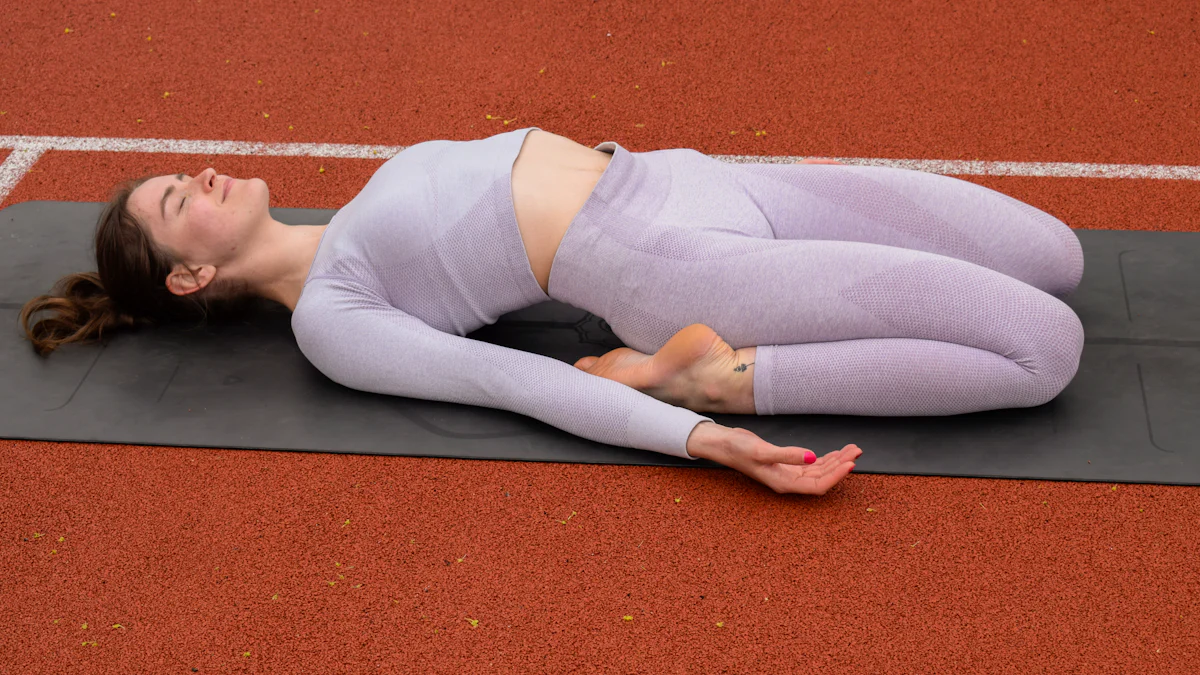
Creating a night yoga routine involves selecting poses that promote relaxation and prepare your body for sleep. Let's explore some effective poses to include in your routine.
Warm-Up Poses
Cat-Cow Stretch
Start with the Cat-Cow Stretch to gently warm up your spine. This pose helps release tension in your back and neck. Begin on your hands and knees. Inhale as you arch your back, lifting your head and tailbone towards the ceiling (Cow Pose). Exhale as you round your spine, tucking your chin to your chest (Cat Pose). Repeat this flow several times, focusing on your breath.
Child's Pose
Next, transition into Child's Pose. This pose is excellent for calming the nervous system and promoting relaxation. Sit back on your heels, extend your arms forward, and rest your forehead on the mat. Hold this position for 10-15 breaths, allowing your body to relax and your mind to quiet down.
Core Relaxation Poses
Legs-Up-the-Wall Pose
Legs-Up-the-Wall Pose is a restorative pose that helps reduce fatigue and encourages restful sleep. Lie on your back and extend your legs up against a wall. Keep your arms relaxed by your sides. Stay in this pose for 1-10 minutes, focusing on slow, deep breaths. This position promotes circulation and helps calm your mind.
Reclined Bound Angle Pose
Reclined Bound Angle Pose opens your hips and encourages deep relaxation. Lie on your back, bring the soles of your feet together, and let your knees fall open. Place your arms comfortably by your sides. Close your eyes and breathe deeply, allowing your body to release tension.
Closing Poses and Meditation
Corpse Pose
End your routine with Corpse Pose, also known as Savasana. Lie flat on your back with your arms and legs extended. Close your eyes and focus on your breath. Allow your body to fully relax and absorb the benefits of your practice. Stay in this pose for several minutes, enjoying the stillness.
Guided Meditation or Breathing Exercises
Finish with a guided meditation or breathing exercises to enhance relaxation. Calm.com, a leader in yoga and sleep, suggests that deep breathing techniques can activate your body's relaxation response. This practice counteracts stress and anxiety, making it an excellent tool for better sleep. Focus on slow, deep breaths or listen to a guided meditation to help calm your mind.
By incorporating these poses into your night yoga routine, you create a peaceful transition from the day's activities to a restful night's sleep. As YogaBasics.com highlights, practicing yoga before bedtime can significantly improve your sleep quality, ensuring you wake up refreshed and ready for the day.
A night yoga routine offers numerous benefits, from improved sleep quality to enhanced mental clarity. As you embrace this practice, remember to personalize it to suit your needs and maintain consistency. Kaitlyn shared, "I have never thought about doing yoga at night but it helps me relax." This highlights the transformative power of a tailored routine. By integrating yoga into your daily life, you nurture both body and mind, fostering overall well-being. So, take a moment each evening to unwind, connect with yourself, and prepare for a peaceful night's rest.
See Also
Exploring Yin Yoga Techniques for Deep Relaxation
Uncover Relaxing Yoga Methods for Deep Serenity
Best 12 Yoga Albums for Ultimate Relaxation

Hi my name is Lia and i am your host in this yoga journey in Portugal, Subscribe to our newsletter to receive every week the best of Yoga in Portugal.

We bring back the importance of initiation into womanhood by Roos-Veerle Krijnen & Ella-June Henrard
Welcome to the Women’s Initiation Retreat by Naked Truth Retreats, a transformative journey into the depths of your True Feminine Nature. This retreat invites you to remember the sacredness and wholeness of your being.
Roos-Veerle Krijnen & Ella-June Henrard