How to Seamlessly Blend Yoga with Your Workout Routine

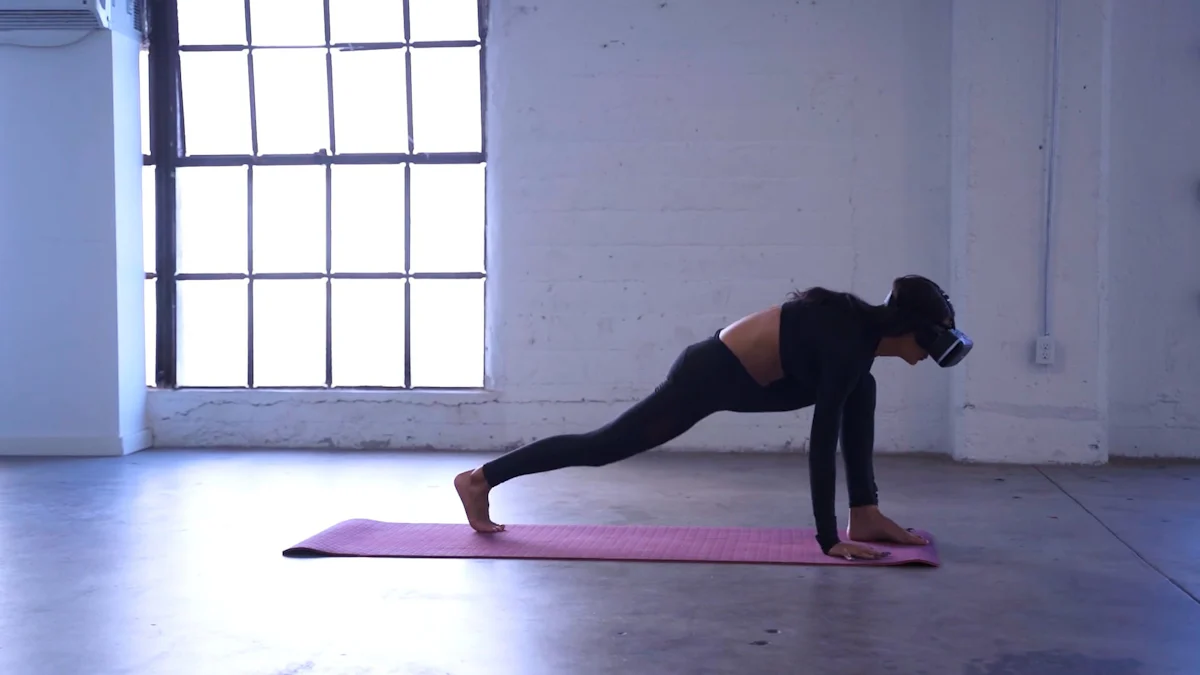
Integrating yoga into your workout routine offers numerous benefits. It enhances flexibility, strength, and recovery, making it a valuable addition to your fitness regimen. Many practitioners report improved flexibility, with 91.6% noting significant gains. Yoga also strengthens the body, with 87.1% of individuals feeling stronger. Beyond physical benefits, yoga supports mental well-being. A remarkable 98.4% of UK yoga students experience stress reduction, while 97% manage anxiety effectively. Embrace workout yoga to boost your overall fitness and well-being, and discover its transformative impact on both body and mind.
Benefits of Integrating Yoga
Enhanced Flexibility and Mobility
Incorporating workout yoga into your routine significantly boosts flexibility and mobility. Regular practice stretches and lengthens muscles, which enhances your range of motion. This improvement is crucial for preventing injuries during other physical activities. Many studies highlight yoga's role in increasing mobility, especially as you age. By practising yoga consistently, you can maintain agility and reduce the risk of slips and falls.
Yoga poses, such as the Downward Dog and Warrior Series, target various muscle groups, promoting overall flexibility. These poses help in loosening tight muscles, which is beneficial for those who engage in strength training or high-intensity workouts. As your flexibility improves, you will notice a positive impact on your performance in other exercises.
Increased Strength and Stability
Workout yoga is not just about stretching; it also builds strength and stability. Poses like the Plank and Chair Pose engage core muscles, enhancing your overall strength. This strength-building aspect of yoga complements other forms of exercise, such as weightlifting, by providing a solid foundation.
Yoga's focus on balance and stability helps improve your posture and alignment. This improvement reduces the strain on your body during workouts, allowing you to perform exercises more efficiently. As you develop better stability, you will find it easier to execute complex movements with precision.
Mental Well-being and Stress Reduction
The mental benefits of workout yoga are profound. Engaging in yoga helps reduce stress and anxiety, promoting a sense of calm and relaxation. Studies have shown that yoga positively affects mood-related disorders, improving overall mental well-being. The practice encourages mindfulness and deep breathing, which activates the parasympathetic nervous system, aiding in stress reduction.
Yoga's meditative aspects enhance your focus and concentration, which can be beneficial in both personal and professional settings. By incorporating yoga into your routine, you cultivate a balanced mind, which supports your physical health. This holistic approach to fitness ensures that you not only strengthen your body but also nurture your mental health.
Practical Ways to Incorporate Yoga
Pre-Workout Yoga
Incorporating yoga before your workout can prepare your body for more intense exercises. Pre-workout yoga warms up your muscles, enhancing flexibility and reducing the risk of injury. It also helps in activating your core muscles, which is essential for maintaining stability during workouts. Poses like the Cat-Cow and Sun Salutations are excellent choices. They increase blood flow and energise your body, setting a positive tone for the rest of your exercise routine.
Yoga's focus on mindful breathing can also help you centre your thoughts and improve concentration. This mental preparation ensures that you approach your workout with a clear mind, ready to tackle any challenges. By integrating yoga into your pre-workout routine, you create a solid foundation for a successful and injury-free session.
Post-Workout Yoga
After an intense workout, your muscles need time to relax and recover. Post-workout yoga serves as an effective cool-down, helping to release tension and promote muscle recovery. Poses such as the Child's Pose and Pigeon Pose gently stretch your muscles, reducing soreness and stiffness. This practice aids in flushing out lactic acid, which can accumulate during strenuous activities.
Yoga's calming nature also helps lower your heart rate and bring your body back to a state of rest. Engaging in post-workout yoga encourages relaxation and mindfulness, allowing you to reflect on your achievements. This holistic approach not only benefits your physical health but also nurtures your mental well-being, leaving you refreshed and rejuvenated.
Dedicated Yoga Sessions
Setting aside time for dedicated yoga sessions can significantly enhance your overall fitness journey. These sessions allow you to focus solely on yoga, exploring its various aspects and benefits. Regular practice can improve your strength, flexibility, and balance, complementing other forms of exercise. Research indicates that yoga can be as effective as traditional strength training for some individuals, making it a valuable addition to your routine.
During dedicated sessions, you can explore different styles of yoga, such as Hatha, Vinyasa, or Restorative Yoga. Each style offers unique benefits, catering to different fitness goals and preferences. By committing to regular yoga practice, you cultivate a deeper connection with your body and mind, fostering a sense of well-being and self-awareness.
Yoga for Strength and Flexibility

Strength-Building Poses
Yoga offers a unique approach to building strength. Unlike traditional strength training, which focuses on muscle mass, yoga poses enhance strength while promoting balance and flexibility. You can engage in poses like the Plank and Warrior II. These poses target your core, arms, and legs, providing a comprehensive workout.
Plank Pose: This pose strengthens your core, shoulders, and arms. Maintain a straight line from head to heels. Engage your core muscles to hold the position. This builds endurance and stability.
Warrior II Pose: Focus on your legs and core. Stand with feet wide apart, bend one knee, and extend your arms parallel to the ground. This pose enhances leg strength and improves balance.
Chair Pose: Mimic sitting in an invisible chair. This pose targets your thighs and glutes. It also engages your core, promoting overall strength.
Yoga's strength-building poses offer a holistic approach. They not only build muscle but also improve your posture and alignment. This makes yoga a valuable addition to any fitness routine.
Flexibility-Enhancing Poses
Flexibility is a key component of physical fitness. Yoga excels in enhancing flexibility through various poses. You can incorporate poses like the Downward Dog and Cobra Pose into your routine. These poses stretch and lengthen muscles, improving your range of motion.
Downward Dog Pose: This pose stretches your hamstrings, calves, and shoulders. Start on all fours, lift your hips, and form an inverted V-shape. This pose increases flexibility in your legs and spine.
Cobra Pose: Lie on your stomach, place your hands under your shoulders, and lift your chest. This pose stretches your back and opens your chest, enhancing spinal flexibility.
Seated Forward Bend: Sit with legs extended, reach forward, and touch your toes. This pose stretches your hamstrings and lower back, promoting flexibility.
Yoga's flexibility-enhancing poses help prevent injuries and improve performance in other activities. Regular practice ensures that your muscles remain supple and agile, supporting overall physical health.
Yoga for Recovery and Relaxation
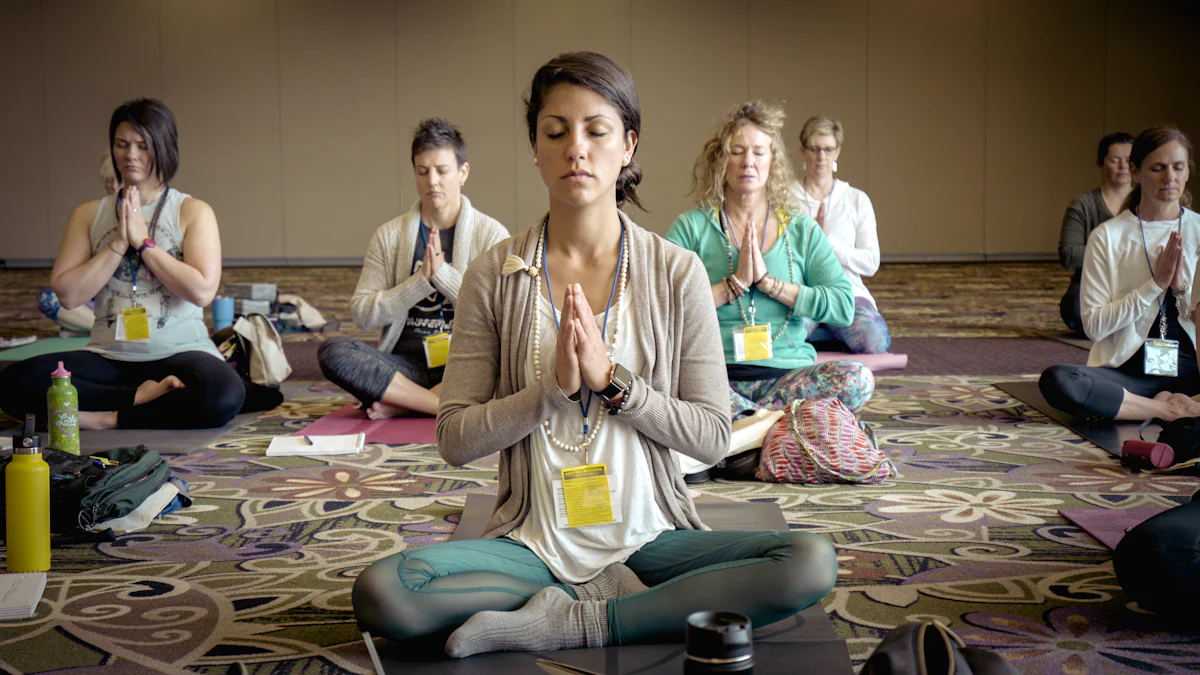
Restorative Yoga
Restorative yoga offers a gentle approach to recovery. This practice focuses on relaxation and healing, allowing your body to rest and rejuvenate. You hold poses for extended periods, using props like blankets and bolsters for support. This encourages deep relaxation and helps release tension in your muscles.
Promotes Healing: Restorative yoga aids in the recovery process by calming the nervous system. It reduces stress and anxiety, which can hinder healing. By practising regularly, you create an environment where your body can repair itself more effectively.
Enhances Flexibility: Although restorative yoga is gentle, it still improves flexibility. Holding poses for longer durations allows your muscles to stretch gradually. This slow and steady approach prevents injuries and enhances your overall range of motion.
Supports Mental Well-being: The meditative nature of restorative yoga promotes mental clarity and emotional balance. It encourages mindfulness, helping you stay present and focused. This mental aspect is crucial for maintaining a positive outlook during recovery.
Case Report: Yoga as a Beneficial Intervention for Recovering Addicts highlights how restorative yoga can prevent relapses in addiction treatment. The practice supports both physical and mental recovery, making it a valuable tool for those on the path to healing.
Meditation and Mindfulness
Meditation and mindfulness are integral components of yoga. They play a significant role in recovery and relaxation. These practices help you cultivate awareness and focus, which are essential for managing stress and promoting well-being.
Reduces Stress: Meditation activates the parasympathetic nervous system, promoting relaxation. Regular practice lowers cortisol levels, reducing stress and anxiety. This creates a calm and peaceful state of mind, essential for recovery.
Improves Concentration: Mindfulness enhances your ability to concentrate. By focusing on the present moment, you improve your attention span and mental clarity. This heightened awareness supports your recovery journey, helping you stay committed to your goals.
Encourages Emotional Balance: Meditation fosters emotional stability. It helps you process emotions and develop resilience. This emotional strength is vital for overcoming challenges and maintaining a positive mindset.
A Review of Therapeutic Effects of Yoga underscores the benefits of meditation and mindfulness. These practices reduce stress, anxiety, and depression, supporting overall health and well-being. By incorporating them into your routine, you enhance your recovery and relaxation efforts.
Incorporating restorative yoga, meditation, and mindfulness into your routine can significantly enhance your recovery and relaxation. These practices offer a holistic approach to healing, supporting both your physical and mental well-being. Embrace them to nurture your body and mind, and experience the transformative power of yoga.
Customising Your Yoga Practice
Tailoring to Fitness Goals
Customising your yoga practice to align with your fitness goals can significantly enhance your workout routine. Whether you aim to build muscle, improve flexibility, or boost mental well-being, yoga offers a versatile approach. For those focusing on strength, incorporating poses like the Plank and Warrior II can be beneficial. These poses engage multiple muscle groups, providing a comprehensive workout.
Identify Your Goals: Determine what you want to achieve with yoga. Are you looking to increase strength, enhance flexibility, or reduce stress? Your goals will guide your practice.
Select Appropriate Poses: Choose poses that align with your objectives. For strength, focus on poses that engage your core and limbs. For flexibility, incorporate stretches that target tight areas.
Monitor Progress: Keep track of your improvements. Regularly assess your strength, flexibility, and mental state. Adjust your practice as needed to continue progressing towards your goals.
Yoga can be as effective as traditional strength training for some individuals. By tailoring your practice, you ensure that it complements your overall fitness journey.
Adapting to Personal Preferences
Adapting your yoga practice to suit your personal preferences makes it more enjoyable and sustainable. You might prefer a gentle, restorative session or a dynamic, flow-based practice. Understanding your likes and dislikes helps you create a routine that you look forward to.
Explore Different Styles: Experiment with various yoga styles such as Hatha, Vinyasa, or Restorative Yoga. Each style offers unique benefits and caters to different preferences.
Adjust Intensity Levels: Modify the intensity of your practice based on your energy levels and mood. On days when you feel energised, opt for a vigorous session. Choose a calming practice when you need relaxation.
Incorporate Personal Elements: Add elements that resonate with you, such as music, aromatherapy, or outdoor practice. These personal touches enhance your experience and make your practice more fulfilling.
"One-to-one yoga with Rachael gave me the opportunity to slow down and examine my yoga practice. Rachael gently noticed areas that could be adjusted to make my practice more mindful."
Customising your yoga practice to fit your lifestyle and preferences ensures that it remains a consistent and rewarding part of your fitness routine. Embrace the flexibility that yoga offers and make it uniquely yours.
Overcoming Common Challenges
Time Management
Finding time for yoga in your busy schedule can be challenging. However, with effective time management, you can seamlessly integrate yoga into your routine. Many people struggle to balance work, family, and personal commitments. You can overcome this by prioritising your health and well-being.
Set a Schedule: Allocate specific times for yoga sessions. Treat these sessions as important appointments. Consistency is key to forming a habit.
Start Small: Begin with short sessions. Even 10-15 minutes of yoga can make a difference. Gradually increase the duration as you become more comfortable.
Utilise Breaks: Use breaks during the day for quick yoga stretches. This keeps your energy levels up and reduces stress.
Combine Activities: Integrate yoga with other activities. For example, practise yoga while watching TV or listening to a podcast.
"Yoga has taught me to be more mindful of my time. I now incorporate short sessions throughout my day, which has improved my productivity and well-being."
By managing your time effectively, you can enjoy the benefits of yoga without feeling overwhelmed.
Motivation and Consistency
Staying motivated and consistent with yoga can be difficult. Many people start with enthusiasm but lose interest over time. You can maintain motivation by setting clear goals and tracking your progress.
Set Achievable Goals: Define what you want to achieve with yoga. Whether it's improving flexibility or reducing stress, having clear goals keeps you focused.
Track Progress: Keep a journal of your yoga practice. Note improvements in strength, flexibility, and mental well-being. This reinforces your commitment.
Join a Community: Practise yoga with friends or join a class. Being part of a community provides support and encouragement.
Celebrate Milestones: Acknowledge your achievements. Celebrate small victories to stay motivated.
"Joining a yoga class has been a game-changer for me. The support from fellow practitioners keeps me motivated and accountable."
By setting goals and engaging with a community, you can maintain consistency and enjoy the long-term benefits of yoga.
Incorporating yoga into your workout routine offers numerous benefits. It enhances flexibility, strength, and mental well-being. Many practitioners, like Caroline, find that yoga keeps them flexible and strong, reducing the need for other treatments. Experiment with different yoga styles to discover what suits you best. Whether you seek stress relief or physical strength, yoga provides a versatile solution. As one practitioner noted, yoga has given them life by replacing temporary solutions with lasting freedom. Embrace yoga as a valuable addition to your fitness regime, and experience its transformative impact on your body and mind.
See Also
Integrating Yoga Effortlessly Into Your Fitness Regimen
Kickstart Your Morning with Just Ten Minutes of Yoga
Simple Yoga Practices for Newbies in Your Home

Hi my name is Lia and i am your host in this yoga journey in Portugal, Subscribe to our newsletter to receive every week the best of Yoga in Portugal.

We bring back the importance of initiation into womanhood by Roos-Veerle Krijnen & Ella-June Henrard
Welcome to the Women’s Initiation Retreat by Naked Truth Retreats, a transformative journey into the depths of your True Feminine Nature. This retreat invites you to remember the sacredness and wholeness of your being.
Roos-Veerle Krijnen & Ella-June Henrard