How to Seamlessly Blend Yoga with Your Workout Routine

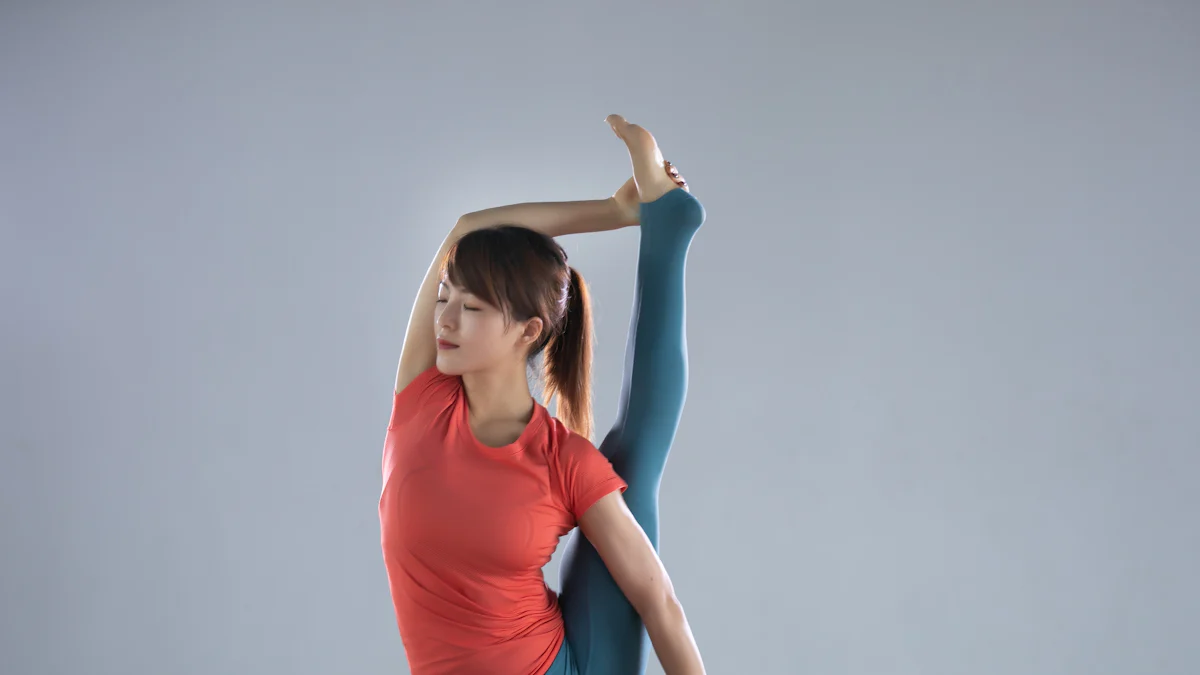
How can you effectively integrate yoga into your existing workout routine? This question often arises for fitness enthusiasts seeking to enhance their regimen. Incorporating workout yoga offers numerous benefits. You will notice improved flexibility and strength, which are crucial for any fitness journey. Yoga also aids in recovery, helping your muscles relax and rejuvenate after intense sessions. The beauty of this integration lies in its non-compromising nature. You can seamlessly blend yoga with your workouts without sacrificing your primary fitness goals. Embrace this holistic approach to elevate your physical and mental well-being.
Understanding the Benefits of Workout Yoga
Flexibility and Mobility
Yoga significantly enhances your flexibility and mobility. When you incorporate workout yoga into your routine, you engage in a series of poses that stretch and lengthen your muscles. This practice not only increases your range of motion but also reduces the risk of injury during other physical activities.
How yoga enhances flexibility
Yoga involves various poses that target different muscle groups. These poses help in loosening tight muscles and increasing joint flexibility. For instance, poses like the Downward Dog and the Triangle Pose stretch the hamstrings, calves, and shoulders, promoting greater flexibility. Regular practice of these poses ensures that your muscles remain supple and responsive.
Key poses for improving mobility
To improve mobility, focus on poses that encourage movement in multiple directions. The Warrior Pose series, for example, strengthens and stretches the legs, hips, and chest, enhancing overall mobility. The Cat-Cow Stretch is another excellent pose that increases spinal flexibility, allowing for smoother movement in daily activities.
Strength and Balance
Workout yoga is not just about flexibility; it also builds strength and balance. By holding poses, you engage and strengthen various muscle groups, contributing to a more balanced physique.
Building strength through yoga
Yoga poses such as the Plank and the Chair Pose require you to support your body weight, which builds muscle strength. These poses target the core, arms, and legs, providing a comprehensive workout. Over time, you will notice increased muscle tone and endurance.
Poses that improve balance
Balance is a crucial aspect of fitness, and yoga excels in enhancing it. Poses like the Tree Pose and the Eagle Pose challenge your stability, requiring focus and control. Practising these poses regularly improves your balance, which is beneficial for all types of physical activities.
Recovery and Relaxation
Yoga plays a vital role in muscle recovery and relaxation. After intense workouts, your muscles need time to heal and rejuvenate. Workout yoga offers gentle stretches that aid in this process.
Yoga's role in muscle recovery
Incorporating yoga into your routine helps alleviate muscle soreness and speeds up recovery. Poses such as the Reclining Bound Angle Pose and the Legs-Up-the-Wall Pose promote blood circulation, which aids in the healing of muscle tissues. This practice ensures that you are ready for your next workout session without prolonged discomfort.
Relaxation techniques for stress relief
Beyond physical benefits, yoga provides mental relaxation. Techniques such as deep breathing and meditation reduce stress and anxiety. The Corpse Pose, for instance, allows you to focus on your breath and release tension, promoting a sense of calm and well-being. This mental clarity enhances your overall workout performance, making workout yoga an invaluable addition to your fitness regimen.
Incorporating Yoga as a Warm-Up

Benefits of Yoga Warm-Ups
Yoga serves as an excellent warm-up for your workout routine. It prepares your body for exercise by gently increasing your heart rate and warming up your muscles. This preparation ensures that your body is ready to handle more intense physical activity.
Preparing the body for exercise
When you start with yoga, you engage in movements that gradually increase your body's temperature. This process enhances blood flow to your muscles, making them more pliable and less prone to injury. You will find that your joints move more freely, allowing for a greater range of motion during your workout.
Reducing injury risk
Incorporating yoga into your warm-up routine significantly reduces the risk of injury. By stretching and elongating your muscles, you prevent them from contracting in a shortened position. As John Porcari, Director of Clinical Exercise Physiology Program, notes:
"If you don’t do cool down stretches, your muscles are going to relax in a shortened position. Stretching, or doing yoga poses, after your workout encourages your muscles to get back in a more elongated state."
This principle applies to warm-ups as well. By starting your workout with yoga, you ensure that your muscles remain flexible and responsive, reducing the likelihood of strains or sprains.
Recommended Warm-Up Poses
Certain yoga poses are particularly effective for warming up your body. These poses not only prepare your muscles but also help you focus your mind, setting a positive tone for your workout.
Sun Salutations
Sun Salutations, or Surya Namaskar, are a series of poses performed in a sequence. They involve forward bends, lunges, and gentle backbends, which stretch and strengthen various muscle groups. This sequence increases your heart rate and warms up your entire body, making it an ideal start to any workout.
Cat-Cow Stretch
The Cat-Cow Stretch is another excellent warm-up pose. It involves moving your spine through flexion and extension, which increases spinal flexibility and warms up your back muscles. This movement also engages your core, preparing it for more strenuous exercises. By incorporating these poses into your warm-up routine, you create a solid foundation for a safe and effective workout.
Using Yoga as a Cool-Down
Importance of Cooling Down
Cooling down after a workout is crucial for your body. It aids muscle recovery and helps lower your heart rate gradually. This process prevents dizziness or fainting, which can occur if you stop exercising abruptly.
Aiding Muscle Recovery
Yoga plays a significant role in muscle recovery. After intense physical activity, your muscles need time to heal and rejuvenate. Engaging in yoga stretches helps alleviate soreness and promotes blood circulation. This increased blood flow delivers essential nutrients to your muscles, speeding up the recovery process. According to studies, yoga can reduce inflammation and soreness, which are common after workouts.
Lowering Heart Rate
A gradual decrease in heart rate is essential for your cardiovascular health. Yoga helps achieve this by incorporating deep breathing and gentle movements. These techniques calm your nervous system and bring your heart rate back to its resting state. As a result, you experience a smoother transition from high-intensity exercise to relaxation.
Effective Cool-Down Poses
Incorporating specific yoga poses into your cool-down routine enhances its effectiveness. These poses not only stretch your muscles but also promote relaxation and mental clarity.
Forward Bend
The Forward Bend is an excellent pose for cooling down. It stretches your hamstrings, calves, and back, releasing tension accumulated during your workout. To perform this pose, stand with your feet hip-width apart and slowly bend forward, reaching for your toes. Allow your head to hang heavy, and breathe deeply. This pose calms your mind and reduces stress, contributing to overall well-being.
Child's Pose
The Child's Pose is another effective cool-down pose. It gently stretches your hips, thighs, and ankles while promoting relaxation. Kneel on the floor, sit back on your heels, and extend your arms forward. Rest your forehead on the ground and breathe deeply. This pose helps lower your heart rate and encourages mindfulness, enhancing your post-workout recovery.
Incorporating these yoga poses into your cool-down routine provides numerous benefits. You will notice improved flexibility, reduced muscle soreness, and a sense of calm. By prioritising a proper cool-down, you support your body's recovery and prepare it for future workouts.
Yoga on Active Rest Days

Incorporating yoga into your active rest days can significantly enhance your fitness journey. These days are crucial for maintaining movement without overexerting your body. Yoga provides a gentle yet effective way to keep your body active while promoting recovery.
Benefits of Active Rest
Maintaining activity without strain
Active rest days allow you to stay active without putting too much strain on your muscles. Yoga offers a perfect solution by engaging your body in low-impact movements. These movements help maintain your fitness levels and prevent stiffness. You can enjoy the benefits of exercise without the risk of overtraining.
Enhancing recovery
Yoga enhances recovery by promoting blood circulation and reducing muscle tension. Gentle stretches and poses help alleviate soreness and speed up the healing process. This practice ensures that your muscles recover efficiently, preparing you for your next workout session. As one practitioner shared:
"Yoga has become a really important way for me to manage MS, mentally in particular."
This highlights how yoga not only aids physical recovery but also supports mental well-being.
Suggested Rest Day Yoga Practices
Gentle Flow
Gentle Flow yoga involves a series of slow and controlled movements. This practice focuses on breathing and alignment, allowing you to connect with your body. It helps improve flexibility and balance without causing fatigue. You can perform Gentle Flow sequences at your own pace, making it suitable for all fitness levels.
Restorative Yoga
Restorative Yoga emphasises relaxation and stress relief. This practice involves holding poses for extended periods, using props for support. It encourages deep breathing and mindfulness, promoting a sense of calm. Restorative Yoga is ideal for reducing stress and enhancing mental clarity. One individual noted:
"Through her yoga sessions, I was able to improve my situation with noticeable differences in my confidence and stress levels."
This demonstrates the profound impact of yoga on both physical and mental health.
Incorporating these yoga practices into your active rest days provides numerous benefits. You maintain activity without strain, enhance recovery, and support your overall well-being. By embracing yoga on rest days, you create a balanced and sustainable fitness routine.
Creating a Balanced Routine
Scheduling Yoga Sessions
Incorporating yoga into your fitness routine requires thoughtful scheduling. You need to determine the frequency and duration of your yoga sessions to maximise their benefits.
Frequency and duration
To reap the full benefits of yoga, aim to practise regularly. Ideally, you should incorporate yoga sessions two to three times a week. Each session can last between 30 to 60 minutes, depending on your schedule and fitness goals. Regular practice helps maintain flexibility and mobility, which are crucial for overall fitness. Consistency is key to experiencing the transformative effects of yoga on your body and mind.
Balancing with other workouts
Balancing yoga with other workouts enhances your fitness regimen. Yoga complements strength training by strengthening your entire structure and preventing injuries. By integrating yoga into your routine, you optimise your strength training efforts. This balance supports both physical and mental health, helping you achieve your desired fitness goals. Consider alternating yoga with other exercises to maintain motivation and prevent muscular atrophy.
Customising Your Practice
Customising your yoga practice ensures it aligns with your personal goals and fitness level. Tailoring your sessions makes them more effective and enjoyable.
Tailoring yoga to personal goals
Identify your fitness objectives to tailor your yoga practice accordingly. If your goal is to improve flexibility, focus on poses that stretch and lengthen muscles. For strength building, incorporate poses that engage and challenge your muscles. Yoga can also aid in stress relief and mental clarity. Incorporate relaxation techniques and meditation to enhance your mental well-being. By aligning your practice with your goals, you create a more meaningful and rewarding experience.
Adapting poses for different fitness levels
Yoga is accessible to everyone, regardless of fitness level. Adapt poses to suit your abilities and progress gradually. Beginners can start with basic poses and use props for support. As you gain confidence and strength, advance to more challenging poses. Listen to your body and modify poses as needed to prevent strain or injury. This adaptability ensures that yoga remains a sustainable and enjoyable part of your fitness journey.
By creating a balanced routine, you seamlessly integrate yoga into your workout regimen. Regular practice, tailored to your goals and fitness level, enhances your overall health and well-being. Embrace this holistic approach to elevate your fitness journey.
Exploring Further Resources
Online Classes and Tutorials
Finding quality online resources
In today's digital age, you have access to a plethora of online yoga classes and tutorials. These resources offer flexibility, allowing you to practise yoga at your own pace and convenience. When searching for quality online resources, consider platforms that provide detailed instructions and cater to various skill levels. Websites like Yoga with Adriene and Glo offer comprehensive classes that suit beginners and advanced practitioners alike. Look for instructors who provide clear guidance and demonstrate poses effectively. Reading reviews and testimonials can also help you gauge the quality of the content.
Benefits of guided practice
Guided practice through online classes offers several advantages. You receive expert instruction, which ensures that you perform poses correctly and safely. This guidance helps prevent injuries and enhances your overall yoga experience. Additionally, guided sessions often include structured routines that target specific goals, such as flexibility or strength. You can follow along with the instructor, making it easier to stay motivated and committed to your practice. As one practitioner noted:
"Having a regular yoga practice has definitely changed my life. It’s difficult to sum up exactly how, but I’m grateful that the task was to write about this in words, because I don’t think a picture would do it."
This highlights the transformative power of consistent, guided yoga practice.
Joining a Yoga Class
Advantages of in-person instruction
Joining a yoga class provides numerous benefits that enhance your practice. In-person instruction allows you to receive immediate feedback from a qualified instructor. This personalised attention helps you refine your technique and deepen your understanding of yoga. You can ask questions and receive tailored advice, which is invaluable for improving your skills. Karen, a highly recommended yoga instructor, exemplifies the impact of professional guidance:
"Before I started yoga with Karen I was stressed which affected other areas of my life. Through her yoga sessions I was able to improve my situation with noticeable differences in my confidence and stress levels."
This testimonial underscores the positive changes that in-person instruction can bring.
Community and support
Yoga classes also foster a sense of community and support. Practising with others creates a shared experience that motivates and inspires you. You connect with like-minded individuals who share your passion for yoga, building friendships and support networks. This sense of belonging enhances your commitment to your practice and encourages personal growth. Veronica, a yoga teacher and mother, emphasises the importance of community:
"She now teaches yoga within her own community, encouraging others (especially other busy moms) to discover the numerous benefits of yoga."
By joining a yoga class, you not only improve your physical well-being but also enrich your social connections.
Integrating yoga into your workout routine offers numerous benefits. You will experience enhanced flexibility, strength, and mental clarity. Yoga provides tools for managing stress and improving overall well-being. One practitioner shared how yoga became a vital part of managing MS, highlighting its profound impact on mental health.
"Yoga with Tori has given me a pain-free body, enabling me to focus on other areas of my life."
Experiment with different yoga practices to find what suits you best. Explore online resources or join classes to deepen your practice. Embrace yoga as a holistic approach to elevate your fitness journey and enrich your life.
See Also
Start Your Morning Right with Quick Yoga Practice
Simple Yoga Practices for Newbies in Your Home
Finding the Perfect Yoga Studio to Suit You

Hi my name is Lia and i am your host in this yoga journey in Portugal, Subscribe to our newsletter to receive every week the best of Yoga in Portugal.

We bring back the importance of initiation into womanhood by Roos-Veerle Krijnen & Ella-June Henrard
Welcome to the Women’s Initiation Retreat by Naked Truth Retreats, a transformative journey into the depths of your True Feminine Nature. This retreat invites you to remember the sacredness and wholeness of your being.
Roos-Veerle Krijnen & Ella-June Henrard