Top 6 Yoga Poses to Build Core Strength and Flexibility

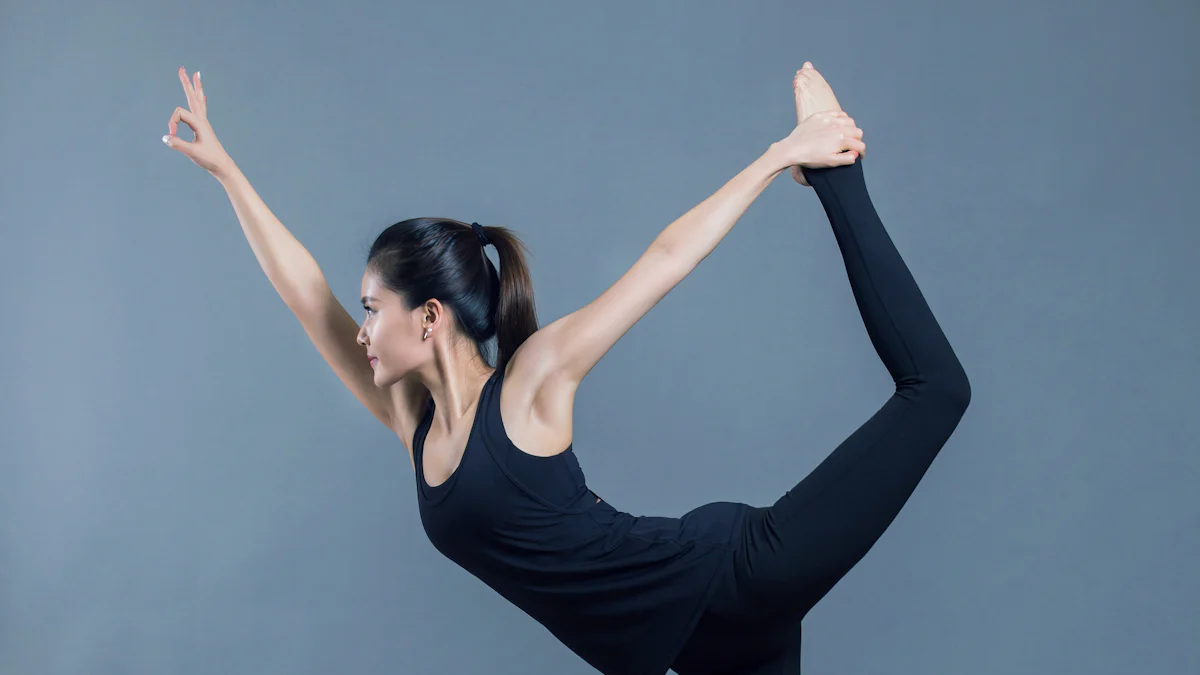
Yoga offers a powerful way to strengthen your core and improve flexibility. By engaging your muscles through intentional movements, you can build stability and balance. Research highlights that regular yoga practice significantly enhances core strength, even in as little as three weeks. Simple poses, when practiced consistently, activate your trunk muscles and improve overall body control. Whether you're new to yoga or looking to deepen your practice, the best yoga poses can help you feel stronger and more flexible. Start today and experience the transformative benefits for your body and mind.
Key Takeaways
Incorporate Plank Pose into your routine to build a strong core and improve overall stability.
Practice Boat Pose to enhance balance and strengthen your abdominal muscles, which are crucial for posture.
Use Downward-Facing Dog to engage your core while stretching your entire body, promoting flexibility and relaxation.
Add Side Plank Pose to target your obliques and improve your balance, enhancing functional strength.
Include Cobra Pose in your practice to strengthen your back and improve spinal health, relieving tension.
Utilize Bridge Pose to open your chest and hips, counteracting the effects of prolonged sitting and promoting relaxation.
Commit to regular practice of these poses to experience significant improvements in core strength, flexibility, and overall well-being.
1. Plank Pose (Phalakasana)
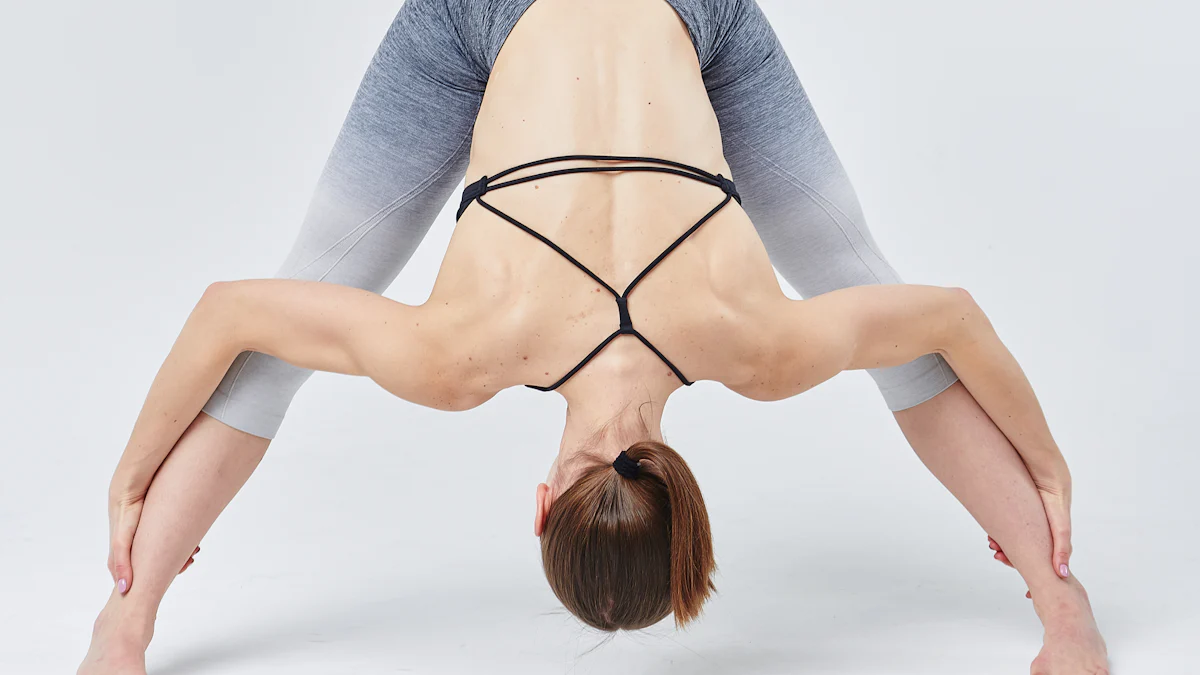
The Plank Pose, or Phalakasana, is one of the most effective yoga poses for building core strength. It’s simple yet powerful, engaging multiple muscle groups to improve stability and endurance. Whether you’re a beginner or an experienced yogi, this pose lays the foundation for a stronger core.
How to Perform Plank Pose
Start in a tabletop position with your hands directly under your shoulders and knees under your hips.
Step your feet back one at a time, straightening your legs and forming a straight line from your head to your heels.
Engage your core by pulling your belly button toward your spine. Keep your neck neutral by looking slightly ahead of your hands.
Hold this position for 20-30 seconds, gradually increasing the duration as your strength improves.
Pro Tip: Avoid letting your hips sag or lifting them too high. Maintaining proper alignment ensures you target the right muscles and prevent strain.
Benefits of Plank Pose
The Plank Pose is more than just a core exercise. It strengthens your abdominals, lower back, shoulders, and arms. Regular practice enhances your posture and balance, making everyday movements easier. Studies show that performing planks consistently improves core muscle strength and endurance, benefiting both younger and older adults.
This pose also activates stabilizing muscles like the inner and outer obliques, which support spinal health. By holding the plank position, you build not only strength but also mental focus and determination.
Tips for Beginners
If you’re new to Plank Pose, don’t worry! Here are some tips to help you get started:
Modify the Pose: Drop your knees to the mat while keeping your upper body aligned. This reduces the intensity while still engaging your core.
Focus on Form: Quality matters more than duration. Start with shorter holds and prioritize proper alignment.
Breathe Steadily: Don’t hold your breath. Inhale and exhale deeply to stay relaxed and maintain focus.
Use Props: Place a folded towel under your wrists if you feel discomfort. This small adjustment can make the pose more comfortable.
Plank Pose is one of the best yoga poses to include in your routine. It’s versatile, beginner-friendly, and delivers noticeable results when practiced regularly. Challenge yourself to hold the pose a little longer each time, and you’ll soon notice a stronger, more stable core.
2. Boat Pose (Navasana)
Boat Pose, or Navasana, is a fantastic yoga pose for building core strength and improving balance. This pose challenges your abdominal muscles while also engaging your hip flexors and spine. It’s a dynamic way to strengthen your midsection and enhance stability.
How to Perform Boat Pose
Sit on your yoga mat with your legs extended straight in front of you.
Place your hands on the mat beside your hips for support.
Lean back slightly, keeping your spine straight and chest lifted.
Bend your knees and lift your feet off the ground, bringing your shins parallel to the floor.
Extend your arms forward, keeping them parallel to the ground and palms facing each other.
Engage your core and hold the position for 15-20 seconds, gradually increasing the duration as you gain strength.
Pro Tip: Keep your back straight and avoid rounding your shoulders. Focus on engaging your core to maintain balance.
Benefits of Boat Pose
Boat Pose is one of the best yoga poses for targeting your core. It strengthens your abdominal muscles, including the rectus abdominis and obliques, which are essential for stability and posture. This pose also engages your hip flexors and lower back, promoting a well-rounded core workout.
Regular practice of Navasana can improve your balance and coordination. By holding this pose, you develop better control over your body, which translates to improved performance in daily activities. Additionally, strengthening your core helps protect your spine and reduces the risk of back pain.
Fun Fact: Practicing Boat Pose consistently can also enhance your mental focus and determination, as it requires concentration to maintain balance.
Tips for Beginners
If you’re new to Boat Pose, don’t worry! Here are some tips to make it more accessible:
Modify the Pose: Keep your hands on the mat behind you for extra support while lifting your feet. This reduces the intensity but still engages your core.
Start Small: Begin by holding the pose for just a few seconds. Gradually increase the duration as your strength improves.
Use Props: Place a yoga block or rolled-up towel under your lower back for added support. This helps maintain proper alignment.
Focus on Breathing: Deep, steady breaths will help you stay calm and balanced during the pose.
Boat Pose is a powerful addition to your yoga routine. It’s challenging yet rewarding, offering noticeable improvements in core strength and stability. With consistent practice, you’ll feel stronger, more balanced, and ready to take on more advanced poses.
3. Downward-Facing Dog (Adho Mukha Svanasana)
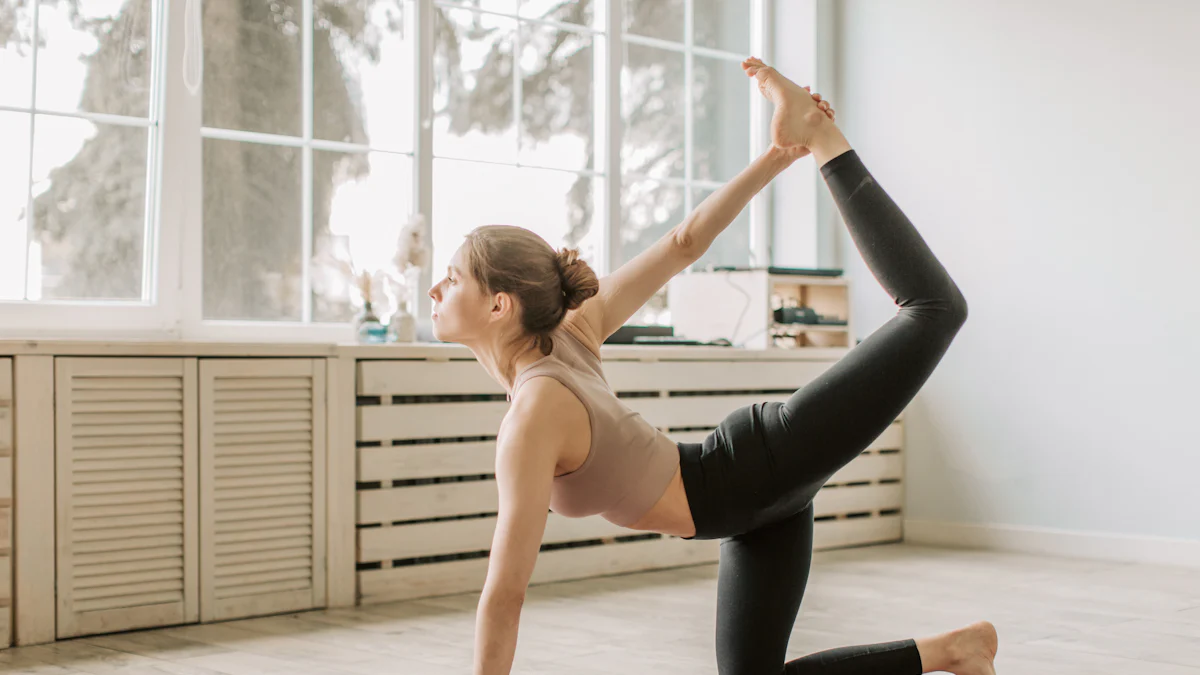
Downward-Facing Dog, or Adho Mukha Svanasana, is one of the most iconic yoga poses. It’s a full-body stretch that strengthens your core while improving flexibility and balance. This pose is a staple in many yoga practices because of its versatility and effectiveness. Whether you’re a beginner or an experienced yogi, this pose offers incredible benefits for your body and mind.
How to Perform Downward-Facing Dog
Start on your hands and knees in a tabletop position. Place your wrists directly under your shoulders and your knees under your hips.
Spread your fingers wide and press firmly into your palms for stability.
Tuck your toes under and lift your knees off the mat, straightening your legs as much as possible.
Push your hips upward and back, forming an inverted “V” shape with your body.
Keep your head between your arms and gaze toward your thighs or navel.
Hold the pose for 20-30 seconds, focusing on your breath and alignment.
Pro Tip: Bend your knees slightly if your hamstrings feel tight. Focus on lengthening your spine rather than forcing your legs to straighten.
Benefits of Downward-Facing Dog
Downward-Facing Dog is one of the best yoga poses for building core strength and flexibility. It engages your abdominal muscles, shoulders, and arms while stretching your hamstrings, calves, and spine. This pose also improves blood circulation, which helps energize your body and calm your mind.
By practicing this pose regularly, you strengthen the stabilizing muscles around your spine. Research highlights the importance of core stability for spinal health and injury prevention. Downward-Facing Dog activates key core muscles, such as the transverse abdominis, which play a vital role in maintaining balance and posture.
This pose also enhances your overall body awareness. As you hold the position, you develop better control over your movements, which translates to improved performance in daily activities. Plus, the gentle inversion helps relieve tension in your neck and shoulders, making it a great stress-reliever.
Tips for Beginners
If you’re new to Downward-Facing Dog, don’t worry! Here are some tips to help you ease into the pose:
Modify the Pose: Keep your knees bent and focus on lifting your hips high. This reduces strain on your hamstrings and lower back.
Use Props: Place a yoga block under your hands or heels for added support. This adjustment can make the pose more comfortable.
Focus on Alignment: Prioritize a straight spine over straight legs. A long, aligned spine ensures you’re engaging the right muscles.
Take Breaks: If holding the pose feels challenging, come down to a child’s pose for a few breaths before trying again.
Downward-Facing Dog is a foundational pose that belongs in every yoga routine. It’s accessible, effective, and offers a full-body workout. With consistent practice, you’ll notice improvements in your strength, flexibility, and overall well-being. Give it a try and experience the transformative power of this classic yoga pose.
4. Side Plank Pose (Vasisthasana)
Side Plank Pose, or Vasisthasana, is a dynamic yoga posture that strengthens your core while improving balance and stability. This pose targets the obliques, shoulders, and hips, making it an excellent addition to your yoga routine. It’s a powerful way to build strength and enhance body control.
How to Perform Side Plank Pose
Begin in a standard plank position with your hands directly under your shoulders and your body forming a straight line.
Shift your weight onto your right hand and roll onto the outer edge of your right foot.
Stack your left foot on top of your right foot, keeping your legs straight.
Raise your left arm toward the ceiling, creating a straight line from your right hand to your left hand.
Engage your core and hold the pose for 15-20 seconds. Repeat on the opposite side.
Pro Tip: Keep your hips lifted and avoid letting them sag. Focus on maintaining a straight line from your head to your heels.
Benefits of Side Plank Pose
Side Plank Pose is one of the best yoga poses for strengthening your core. It specifically targets the internal and external obliques, which play a crucial role in stabilizing your spine and pelvis. According to experts in core stability training, side planks activate these muscles more effectively than many other exercises. This activation helps improve rotational movements and enhances your overall functional strength.
This pose also strengthens your shoulders, arms, and wrists while improving your balance. By practicing Side Plank Pose regularly, you can develop better posture and reduce the risk of injuries. Additionally, holding this pose builds mental focus and resilience, as it requires concentration and determination.
Did You Know? A study found that yoga participants who practiced core-focused poses like Side Plank showed significant improvements in core muscle strength, as measured by the plank test.
Tips for Beginners
If you’re new to Side Plank Pose, don’t worry! Here are some tips to help you ease into the pose:
Modify the Pose: Drop your bottom knee to the mat for extra support. This reduces the intensity while still engaging your core.
Use Props: Place a yoga block under your supporting hand to elevate your body and make the pose more accessible.
Focus on Alignment: Keep your hips stacked and your body in a straight line. Proper alignment ensures you engage the right muscles.
Start Small: Hold the pose for just a few seconds at first. Gradually increase the duration as your strength improves.
Side Plank Pose is a challenging yet rewarding posture that delivers noticeable results. It’s a fantastic way to build core strength, improve balance, and enhance overall stability. Incorporate it into your practice and experience the benefits for yourself.
5. Cobra Pose (Bhujangasana)
Cobra Pose, or Bhujangasana, is a rejuvenating yoga posture that strengthens your back and enhances flexibility. This pose stretches your spine, chest, and abdomen, making it a favorite among yogis for improving posture and relieving tension. Whether you're looking to ease back pain or boost your energy, Cobra Pose offers a range of benefits for your body and mind.
How to Perform Cobra Pose
Lie flat on your stomach with your legs extended and the tops of your feet resting on the mat.
Place your palms on the mat under your shoulders, keeping your elbows close to your body.
Press into your palms and slowly lift your chest off the ground. Keep your elbows slightly bent and your shoulders relaxed.
Engage your back muscles and avoid putting too much weight on your hands.
Hold the pose for 15-20 seconds while breathing deeply. Lower yourself back down gently.
Pro Tip: Keep your neck in a neutral position. Avoid tilting your head too far back to prevent strain.
Benefits of Cobra Pose
Cobra Pose is one of the best yoga poses for improving spinal health. It strengthens the muscles along your spine, including the erector spinae, which support your back and improve posture. Regular practice can help relieve stiffness and reduce back pain, keeping your spine supple and healthy.
This pose also stretches your chest, shoulders, and abdomen, promoting flexibility and better posture. By opening up your chest, Cobra Pose enhances lung capacity and improves breathing. It stimulates your digestive organs, which can aid in digestion and overall physical health.
Did You Know? Practicing Cobra Pose regularly can improve blood circulation, reduce fatigue, and relieve stress. It’s a simple yet powerful way to energize your body and calm your mind.
Tips for Beginners
If you're new to Cobra Pose, here are some tips to make it more accessible:
Modify the Pose: Keep your elbows bent and lift your chest only slightly off the ground. This reduces strain on your lower back.
Use Props: Place a folded towel under your pelvis for extra support. This helps maintain proper alignment.
Focus on Breathing: Take slow, deep breaths to relax your body and deepen the stretch.
Avoid Overarching: Engage your core and back muscles to lift your chest. Avoid pushing too hard with your hands to prevent lower back discomfort.
Cobra Pose is a gentle yet effective addition to your yoga routine. It strengthens your back, improves flexibility, and promotes relaxation. With consistent practice, you’ll notice better posture, reduced tension, and a stronger, healthier spine.
6. Bridge Pose (Setu Bandhasana)
Bridge Pose, or Setu Bandhasana, is a rejuvenating yoga posture that strengthens your back, opens your chest, and promotes relaxation. This pose is perfect for improving spinal flexibility and relieving tension caused by prolonged sitting or poor posture. Whether you're looking to enhance your yoga practice or simply stretch out after a long day, Bridge Pose offers incredible benefits for both your body and mind.
How to Perform Bridge Pose
Lie flat on your back with your knees bent and your feet hip-width apart. Keep your arms resting alongside your body, palms facing down.
Press your feet firmly into the mat and lift your hips toward the ceiling. Engage your glutes and thighs to support the movement.
Roll your shoulders slightly under your body to open your chest. Keep your chin slightly tucked to maintain a neutral neck position.
Hold the pose for 15-20 seconds while breathing deeply. Slowly lower your hips back to the mat to release the pose.
Pro Tip: Avoid over-arching your lower back. Focus on lifting your hips evenly and engaging your core for proper alignment.
Benefits of Bridge Pose
Bridge Pose is one of the best yoga poses for strengthening your back and improving spinal health. It activates the muscles along your spine, including the erector spinae, which support posture and stability. Regular practice can help reduce back pain and stiffness, making it a great choice for anyone who spends long hours sitting.
This pose also stretches your chest, shoulders, and hip flexors. By opening up these areas, Bridge Pose counteracts the effects of slouching and promotes better posture. Additionally, the gentle inversion of this pose—where your head is below your heart—triggers the baroreflex, a process that calms your nervous system. This makes Bridge Pose an excellent tool for relaxation and stress relief.
Fun Fact: Practicing Bridge Pose regularly can improve blood circulation and boost energy levels, leaving you feeling refreshed and revitalized.
Tips for Beginners
If you're new to Bridge Pose, here are some tips to make it more accessible:
Modify the Pose: Place a yoga block or bolster under your sacrum for support. This creates a Supported Bridge Pose, which is less intense but still effective.
Focus on Alignment: Keep your knees aligned with your hips and avoid letting them splay outward. Proper alignment ensures you engage the right muscles.
Start Small: Lift your hips just a few inches off the ground at first. Gradually increase the height as your strength improves.
Breathe Deeply: Take slow, steady breaths to relax your body and deepen the stretch.
Bridge Pose is a versatile and beginner-friendly posture that belongs in every yoga routine. It strengthens your back, enhances flexibility, and promotes relaxation. With consistent practice, you'll notice improved posture, reduced tension, and a greater sense of calm. Give it a try and experience the transformative power of this pose.
Practicing these six yoga poses consistently can transform your core strength and flexibility. Each pose targets key muscle groups, helping you build a strong and stable foundation. From the dynamic Side Plank to the rejuvenating Cobra Pose, these are some of the best yoga practices to enhance your physical and mental well-being. Regular practice not only strengthens your body but also improves posture, balance, and overall vitality. Start incorporating these poses into your routine today. You’ll feel stronger, more flexible, and ready to embrace the benefits of yoga in your daily life.
See Also
5 Effective Yoga Poses for Improved Hip Flexibility
Exploring the Fundamental Practices of Chetana Yoga
Yoga Poses for Couples to Strengthen Their Bond

Hi my name is Lia and i am your host in this yoga journey in Portugal, Subscribe to our newsletter to receive every week the best of Yoga in Portugal.

We bring back the importance of initiation into womanhood by Roos-Veerle Krijnen & Ella-June Henrard
Welcome to the Women’s Initiation Retreat by Naked Truth Retreats, a transformative journey into the depths of your True Feminine Nature. This retreat invites you to remember the sacredness and wholeness of your being.
Roos-Veerle Krijnen & Ella-June Henrard