5 Yoga Poses to Ease Depression Symptoms

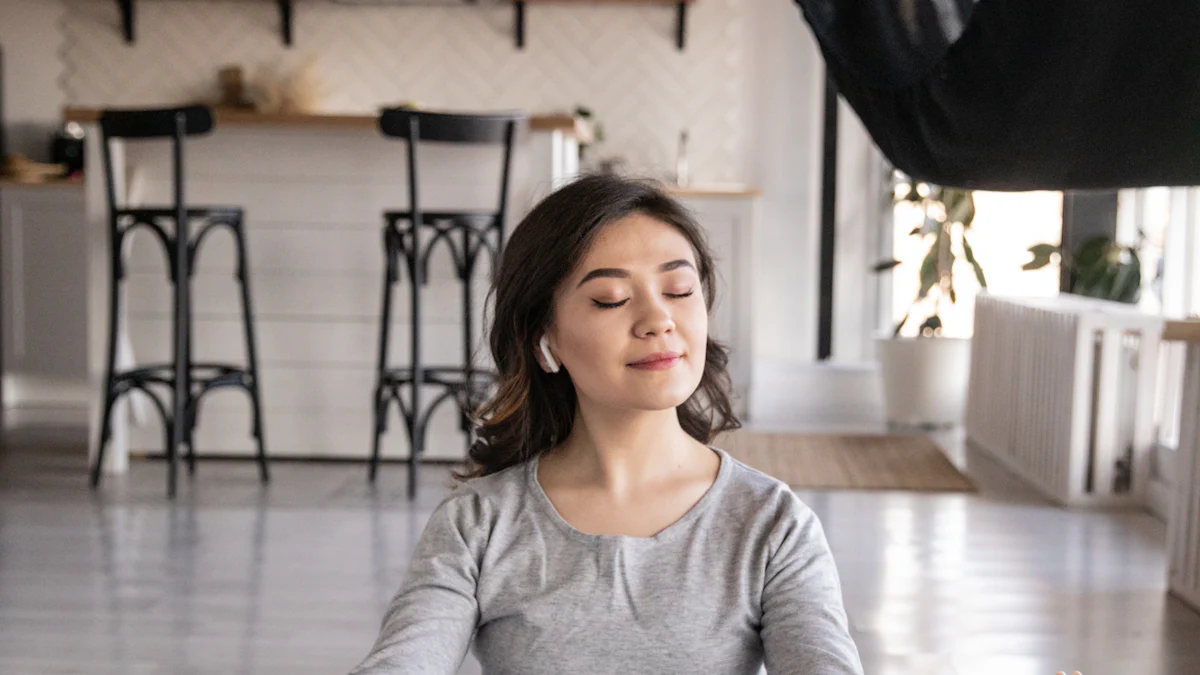
Yoga offers a powerful way to nurture your mental health, making it one of the best yoga for depression. Studies reveal that it can significantly reduce symptoms of depression by promoting relaxation and lowering cortisol, the stress hormone. Unlike medications, yoga provides a natural and side-effect-free approach to improving your mood and easing anxiety. Research shows that consistent practice can lead to noticeable improvements in just a few weeks. By connecting your mind and body, yoga helps you find calmness and balance during challenging times. Embrace yoga as a supportive tool to enhance your well-being and take a step toward a brighter, more peaceful state of mind.
Key Takeaways
Yoga is a natural, side-effect-free method to alleviate depression symptoms and promote mental well-being.
Incorporating specific yoga poses into your routine can foster relaxation, improve mood, and reduce stress.
Child’s Pose offers a comforting retreat, helping to release tension and promote deep breathing.
Warrior II Pose empowers you, building confidence and resilience while enhancing circulation.
Legs-Up-The-Wall Pose provides deep relaxation, calming the nervous system and supporting emotional healing.
Consistency in practicing these poses can lead to noticeable improvements in mental health within weeks.
Always listen to your body and modify poses as needed to ensure a safe and beneficial practice.
Best Yoga for Depression: 5 Poses to Ease Symptoms
Yoga offers a gentle yet effective way to manage depression symptoms. By practicing specific poses, you can create a sense of calm, improve your mood, and reduce stress. Below are five poses that are considered some of the best yoga for depression. Each pose is designed to help you reconnect with your body and mind, fostering a sense of balance and peace.
Child’s Pose (Balasana)
Benefits
Child’s Pose provides a comforting retreat for your mind and body. It helps release tension in your back, shoulders, and neck, which are common areas where stress accumulates. This pose encourages deep breathing, promoting relaxation and reducing anxiety. It also fosters a sense of safety and grounding, which can be particularly soothing during moments of emotional distress.
Precautions
If you have knee injuries or discomfort in your hips, approach this pose with care. You can use a cushion or folded blanket under your knees or hips for added support. Avoid forcing your body into the pose; instead, listen to your limits and adjust as needed.
Step-by-step instructions
Kneel on the floor and sit back on your heels.
Lower your torso forward, resting your forehead on the mat.
Stretch your arms out in front of you or let them rest alongside your body.
Breathe deeply, focusing on the rise and fall of your breath.
Hold the pose for 30 seconds to a few minutes, allowing yourself to relax completely.
Cat-Cow Pose (Marjaryasana-Bitilasana)
Benefits
The Cat-Cow Pose combines movement and breath to release tension in your spine and improve flexibility. This gentle flow between two poses helps calm your mind and reduce feelings of stress. It also stimulates blood flow, which can enhance your energy levels and uplift your mood.
Precautions
If you experience wrist pain, consider placing a folded towel under your hands for extra cushioning. For those with neck issues, keep your head in a neutral position and avoid overextending your neck during the movements.
Step-by-step instructions
Start on your hands and knees in a tabletop position.
Inhale as you arch your back, lifting your head and tailbone toward the ceiling (Cow Pose).
Exhale as you round your spine, tucking your chin to your chest and drawing your belly button toward your spine (Cat Pose).
Continue this flow for 5-10 breaths, moving slowly and mindfully.
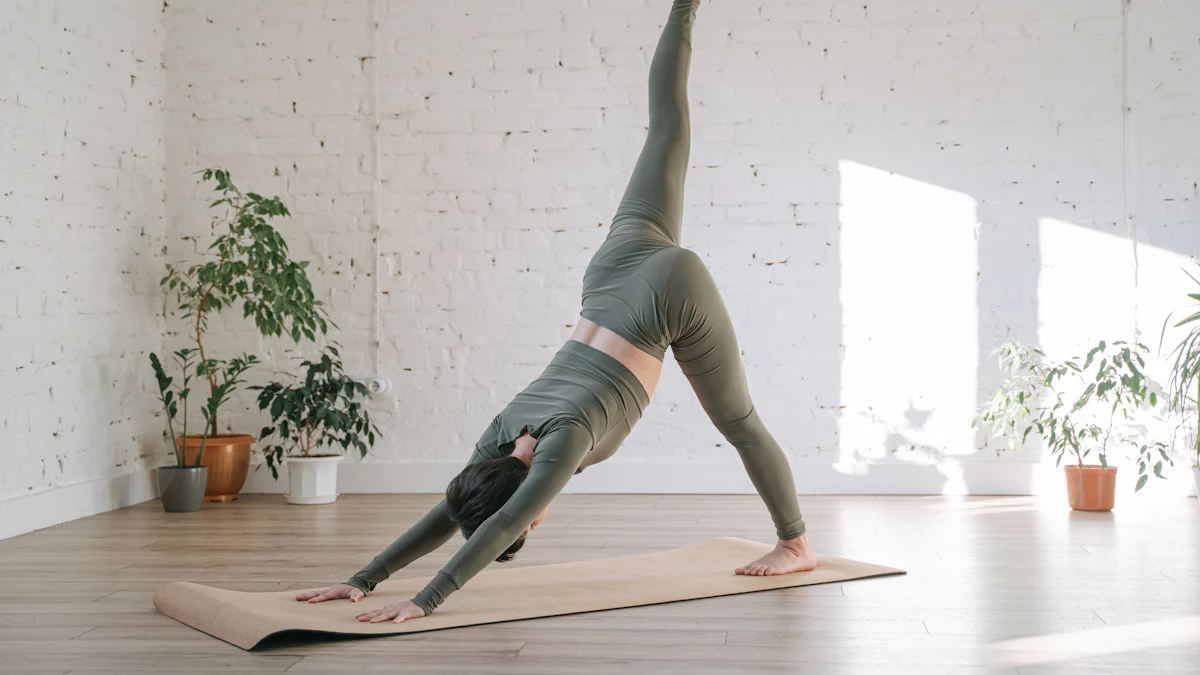
Downward-Facing Dog (Adho Mukha Svanasana)
Benefits
Downward-Facing Dog is a rejuvenating pose that stretches your entire body while calming your mind. It helps relieve tension in your back, shoulders, and hamstrings. This pose also encourages blood flow to your brain, which can enhance mental clarity and reduce feelings of fatigue or sadness.
Precautions
If you have wrist or shoulder injuries, modify the pose by bending your knees or using blocks under your hands. Avoid locking your joints and focus on maintaining a steady, comfortable alignment.
Step-by-step instructions
Begin in a tabletop position with your hands shoulder-width apart and knees hip-width apart.
Tuck your toes under and lift your hips toward the ceiling, forming an inverted "V" shape.
Keep your hands and feet firmly grounded, spreading your fingers wide for stability.
Relax your neck and let your head hang naturally.
Hold the pose for 5-10 breaths, then gently lower back to the starting position.
Warrior II Pose (Virabhadrasana II)
Benefits
Warrior II Pose empowers your body and mind. It strengthens your legs, opens your hips, and improves your balance. This pose encourages you to focus on the present moment, helping to quiet racing thoughts. By holding this strong stance, you can build confidence and resilience, which are essential for overcoming depressive feelings. Warrior II also promotes better circulation, energizing your body and uplifting your mood.
Precautions
If you have knee or hip issues, approach this pose with caution. Avoid overextending your front knee past your ankle to prevent strain. Keep your back foot firmly grounded to maintain stability. If you feel discomfort in your shoulders, lower your arms slightly or take breaks as needed.
Step-by-step instructions
Stand tall with your feet wide apart, about 3-4 feet.
Turn your right foot out 90 degrees and your left foot slightly inward.
Raise your arms parallel to the floor, palms facing down.
Bend your right knee, ensuring it aligns with your ankle.
Gaze over your right hand and hold the pose for 5-10 breaths.
Straighten your leg and repeat on the other side.
Legs-Up-The-Wall Pose (Viparita Karani)
Benefits
Legs-Up-The-Wall Pose offers deep relaxation and relief from stress. It helps reduce swelling in your legs and feet while improving blood flow to your upper body and brain. This gentle inversion calms your nervous system, making it an excellent choice for easing anxiety and depressive symptoms. By practicing this pose, you can create a sense of peace and stillness, which supports emotional healing.
Precautions
If you experience discomfort in your lower back, place a folded blanket or cushion under your hips for support. Avoid this pose if you have glaucoma or other eye pressure issues. Move slowly when coming out of the pose to prevent dizziness.
Step-by-step instructions
Sit sideways next to a wall with your knees bent and feet flat on the floor.
Lie back and swing your legs up against the wall, adjusting your position so your hips are close to the wall.
Rest your arms by your sides, palms facing up.
Close your eyes and take slow, deep breaths.
Stay in the pose for 5-15 minutes, allowing your body to relax completely.
Yoga offers you a gentle path to nurture your mental health and manage depression symptoms. By incorporating these poses into your daily routine, you can create moments of calm and connection that uplift your spirit. Research, like Dr. Cramer’s analysis, shows yoga can be as effective as antidepressants for major depressive disorder, making it a powerful complementary practice. Remember, yoga supports your journey but doesn’t replace professional care. Approach each session with self-compassion and patience. Small, consistent steps lead to meaningful progress. Embrace this practice as a way to honor your well-being and move toward a brighter tomorrow.
See Also
Yoga Techniques To Alleviate Anxiety And Stress
Explore Yoga Asanas That Reduce Blood Pressure Levels
Five Yoga Positions To Improve Hip Flexibility
Hi my name is Lia and i am your host in this yoga journey in Portugal, Subscribe to our newsletter to receive every week the best of Yoga in Portugal.

We bring back the importance of initiation into womanhood by Roos-Veerle Krijnen & Ella-June Henrard
Welcome to the Women’s Initiation Retreat by Naked Truth Retreats, a transformative journey into the depths of your True Feminine Nature. This retreat invites you to remember the sacredness and wholeness of your being.
Roos-Veerle Krijnen & Ella-June Henrard