Find the Best Yoga Certification Course by Government of India

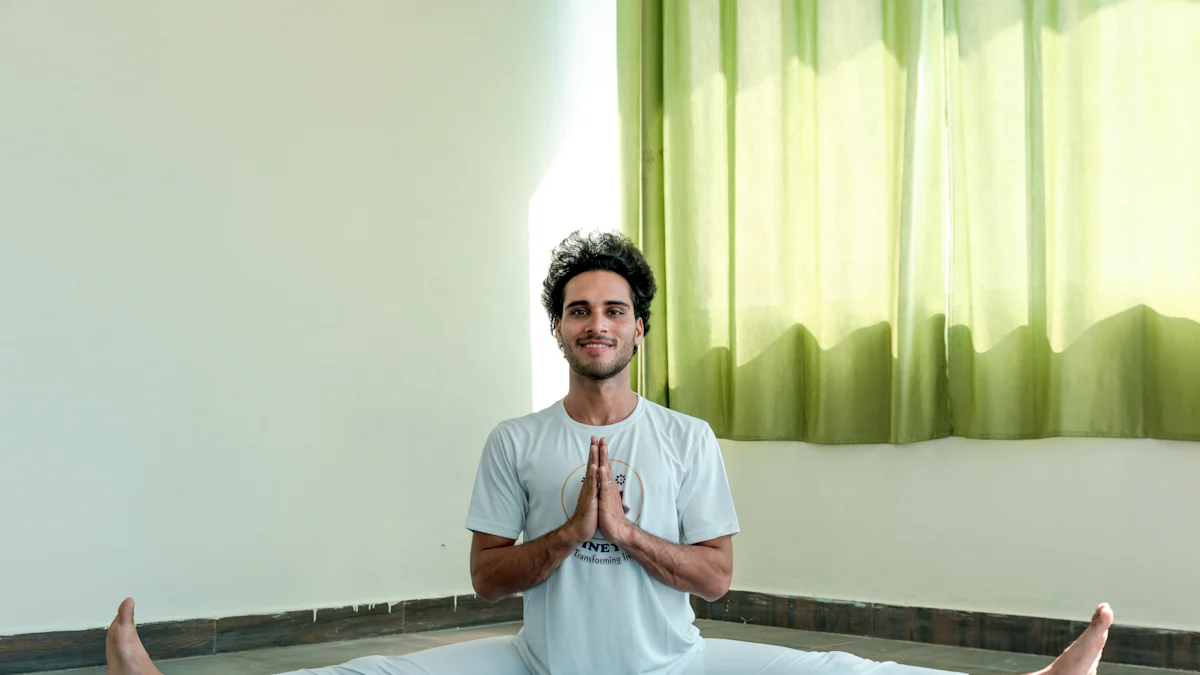
Choosing a yoga certification course by government of India ensures you receive a credible and recognized qualification. Government-approved courses offer a structured path to becoming a certified yoga professional. You gain access to a variety of programs, such as the Foundation Course in Yoga Science for Wellness or the Diploma in Yoga Science. These courses not only enhance your skills but also open doors to numerous career opportunities like becoming a yoga instructor or therapist. With government approval, your certification holds weight, making it easier to establish yourself in the yoga community.
Understanding Government Approval
When you decide to pursue a yoga certification course by government of India, understanding what government approval entails becomes crucial. This approval ensures that the course meets specific standards set by the authorities, providing you with a credible and recognized qualification.
What Government Approval Means
Government approval signifies that the yoga certification course aligns with the standards established by the Ministry of Ayush. This ministry oversees the quality and authenticity of yoga education in India. When a course receives this approval, it means the curriculum, faculty, and facilities have been thoroughly evaluated and meet the necessary criteria. You can trust that the course content is comprehensive and up-to-date, covering essential aspects of yoga practice and philosophy.
Moreover, government-approved courses often include practical teaching experience, which is vital for developing your skills as a yoga instructor. For instance, programs like the Foundation Course in Yoga Science for Wellness or the Diploma in Yoga Science offer structured training that enhances your understanding and application of yoga principles.
Why Government Approval is Crucial
Choosing a yoga certification course by government of India with official approval is crucial for several reasons. First, it adds credibility to your qualification. When potential employers or clients see that your certification is government-approved, they recognize the value and authenticity of your training. This recognition can open doors to various job opportunities, such as becoming a yoga instructor, corporate yoga trainer, or yoga teacher.
Second, government approval ensures that you receive a high-quality education. The courses are designed to provide a balanced mix of theoretical knowledge and practical skills. This balance prepares you to teach yoga effectively and safely. Additionally, these courses often offer additional certifications from the Yoga Certification Board (YCB), further enhancing your credentials.
Lastly, enrolling in a government-approved course means you are part of a recognized network of yoga professionals. This network can provide support, resources, and opportunities for continuous learning and growth in your yoga career.
By choosing a yoga certification course by government of India, you invest in a future where your skills and knowledge are respected and valued. This decision not only benefits your personal growth but also contributes to the broader yoga community.
Key Criteria for Selection

When you're on the hunt for the best yoga certification course by government of India, it's essential to know what to look for. Here are some key criteria that can guide you in making an informed choice.
Accreditation
Accreditation is a crucial factor when selecting a yoga certification course by government of India. You want to ensure that the course is recognized by the Ministry of Ayush. This recognition guarantees that the program meets high standards and provides a credible qualification. Accredited courses often include comprehensive training that covers both theoretical and practical aspects of yoga. This ensures you receive a well-rounded education that prepares you for a successful career in yoga.
Curriculum
The curriculum of a yoga certification course by government of India should be diverse and comprehensive. Look for courses that cover a wide range of topics, including anatomy, physiology, philosophy, and teaching methodology. A well-structured curriculum will also focus on practical skills, such as class sequencing and adapting practices to different student levels. This kind of training equips you to create engaging and beneficial yoga sessions. Additionally, courses that offer a variety of yoga styles, like Ashtanga, Hatha, Vinyasa, and Iyengar, can provide you with the versatility needed to teach diverse students.
Faculty
The quality of the faculty is another important consideration. You want to learn from highly trained teachers who are dedicated to helping you achieve your goals. Smaller class sizes can offer a more intimate and personalized learning experience, ensuring you receive the guidance and mentorship necessary for your unique journey. Faculty members with expertise in yoga studies can provide valuable insights into both the practical and theoretical aspects of yoga. They can help you explore classical texts and understand the scientific research on yoga's effects, enriching your overall learning experience.
By focusing on these key criteria, you can find a yoga certification course by government of India that not only meets your educational needs but also supports your personal growth and career aspirations. This careful selection process ensures that you invest in a program that enhances your skills and opens doors to new opportunities in the yoga community.
Duration and Format
When selecting a yoga certification course by government of India, you should consider the duration and format of the program. These factors play a significant role in determining how well the course fits into your lifestyle and learning preferences.
Course Duration: The length of yoga certification courses can vary widely. Some programs offer intensive training over a few weeks, while others spread the curriculum over several months. For instance, the 200 Hour Yoga Teacher Training Course in Rishikesh provides a comprehensive foundation in yoga over a structured period. This course is ideal if you prefer an immersive experience that allows you to dive deep into yoga practice and philosophy.
Flexible Formats: Many courses offer flexible formats to accommodate different schedules. You might find options for weekend classes, evening sessions, or even online modules. This flexibility ensures that you can balance your yoga training with other commitments. Whether you're a full-time professional or a student, there's likely a format that suits your needs.
Practical and Theoretical Balance: A well-rounded yoga certification course by government of India should balance practical and theoretical learning. Courses often include daily yoga practice, meditation, and workshops. These elements help you develop personal practice and teaching skills. Additionally, engaging with classical texts like Patanjali’s Yoga Sutras enriches your understanding of yoga's philosophical roots.
Diverse Learning Experiences: Look for courses that offer a variety of yoga styles, such as Vinyasa, Hatha, Ashtanga, and Iyengar. This diversity equips you to teach a wide range of students and adapt to different teaching environments. Programs that incorporate retreats or immersive experiences can also provide a unique opportunity to deepen your practice in a supportive community.
By considering the duration and format, you can choose a yoga certification course by government of India that aligns with your personal and professional goals. This thoughtful selection ensures that your training is both effective and enjoyable, setting you on a path to becoming a skilled and confident yoga instructor.
Researching Institutions
Finding the right institution for your yoga certification course by government of India can feel overwhelming. With so many options available, knowing where to start is crucial. Here are some tips to help you navigate this process effectively.
Tips for Researching
Start with Online Research: Begin by searching for institutions that offer government-approved yoga certification courses. Websites and online forums can provide valuable insights into the reputation and quality of different programs. Look for reviews and testimonials from past students to gauge their experiences.
Visit Official Websites: Check the official websites of institutions to gather detailed information about their courses. Pay attention to the curriculum, faculty qualifications, and facilities. This information will help you assess whether the program aligns with your learning goals.
Attend Open Days or Webinars: Many institutions offer open days or webinars where you can learn more about their programs. These events provide an opportunity to ask questions and interact with faculty members. Attending these sessions can give you a better sense of the institution's teaching style and environment.
Consider Location and Accessibility: Think about the location of the institution and how accessible it is for you. If you prefer in-person classes, choose a location that is convenient for commuting. Alternatively, if you have a busy schedule, look for institutions that offer online or flexible learning options.
Evaluate Course Offerings: Institutions often provide various levels of yoga teacher training, such as 200-hour, 300-hour, or 500-hour certifications. If you're new to yoga teaching, starting with a 200-hour Yoga Teacher Training Course might be ideal. These courses typically last around 30 days and cover foundational aspects of yoga.
Identifying Reputable Institutions
Check Accreditation: Ensure the institution is accredited by the Ministry of Ayush. This accreditation guarantees that the course meets the required standards and provides a credible qualification. Accredited institutions often offer comprehensive training that includes both theoretical and practical components.
Look for Experienced Faculty: Reputable institutions have experienced faculty members who are experts in their field. They should have a strong background in yoga practice and teaching. Learning from knowledgeable instructors enhances your understanding and skills.
Explore Course Diversity: A good institution offers a variety of courses, such as Diploma in Yoga Courses or Certificate Courses in Yoga. These programs cater to different needs and preferences, allowing you to choose one that suits your career goals.
Assess Facilities and Resources: Visit the institution if possible to assess its facilities and resources. A well-equipped yoga center with modern amenities can enhance your learning experience. Additionally, access to a library or online resources can support your studies.
Consider Cost and Value: Evaluate the cost of the course and what it includes. While some programs may seem expensive, they might offer additional benefits like workshops or retreats. Consider the value you will receive for the price you pay.
By following these tips and identifying reputable institutions, you can find a yoga certification course by government of India that meets your needs. This careful research ensures you invest in a program that supports your growth and sets you on the path to becoming a skilled yoga instructor.
Evaluating Personal Goals
When choosing a yoga certification course by the government of India, it's essential to evaluate your personal goals. Aligning the course with your objectives ensures that your training supports your aspirations and enhances your journey in yoga.
Aligning with Personal Objectives
Identify Your Purpose: Start by asking yourself why you want to pursue a yoga certification. Are you looking to deepen your practice, teach yoga professionally, or explore yoga philosophy? Understanding your purpose helps you select a course that aligns with your intentions.
Consider Your Career Goals: If you aim to become a yoga instructor, look for courses that offer comprehensive teaching methodologies and practical experience. Programs that include teaching practicums or internships can provide valuable hands-on experience. This practical exposure prepares you for real-world teaching scenarios.
Reflect on Personal Growth: Yoga is not just about physical postures; it's a journey of self-discovery and personal growth. Choose a course that emphasizes personal development and self-awareness. Courses that incorporate meditation, mindfulness, and self-reflection can enrich your understanding of yoga beyond the mat.
Evaluate Your Learning Style: Everyone learns differently. Some prefer structured classroom settings, while others thrive in flexible, self-paced environments. Consider whether you learn best through in-person classes, online modules, or a combination of both. Selecting a course that matches your learning style enhances your educational experience.
Assess Time Commitment: Think about how much time you can dedicate to your yoga training. Intensive courses require a significant time commitment, while part-time or online options offer more flexibility. Ensure the course schedule fits your lifestyle and other commitments.
Read Reviews and Testimonials: Before enrolling, read reviews and testimonials from past students. Wenlin, an expert in yoga teacher training, emphasizes the importance of student feedback. Reviews provide insights into the course's quality, faculty, and overall experience. They help you make an informed decision.
"Student reviews and testimonials are crucial to look at before signing up for a training."
By aligning your personal objectives with the right yoga certification course, you ensure that your training is meaningful and fulfilling. This thoughtful approach sets you on a path to achieving your goals and making a positive impact in the yoga community.
Choosing a government-approved yoga certification course is a smart move. It ensures your qualification is credible and recognized. You gain access to quality education and a supportive network. Make sure you consider the outlined criteria when making your decision. This approach helps you find a course that aligns with your goals and enhances your journey in yoga.
"I started yoga to relieve stress and found balance through disciplined practice. Teaching yoga deepened my skills and transformed my life."
A recognized certification opens doors to new opportunities. It supports your growth and impact in the yoga community.
See Also
Selecting A Yoga Certification Course Approved By India
Finding The Best Government-Recognized Yoga Certification In India
Best 10 Yoga Programs Available In Your Area For 2024

Hi my name is Lia and i am your host in this yoga journey in Portugal, Subscribe to our newsletter to receive every week the best of Yoga in Portugal.

We bring back the importance of initiation into womanhood by Roos-Veerle Krijnen & Ella-June Henrard
Welcome to the Women’s Initiation Retreat by Naked Truth Retreats, a transformative journey into the depths of your True Feminine Nature. This retreat invites you to remember the sacredness and wholeness of your being.
Roos-Veerle Krijnen & Ella-June Henrard