Discover the Benefits of Yoga in Daily Life

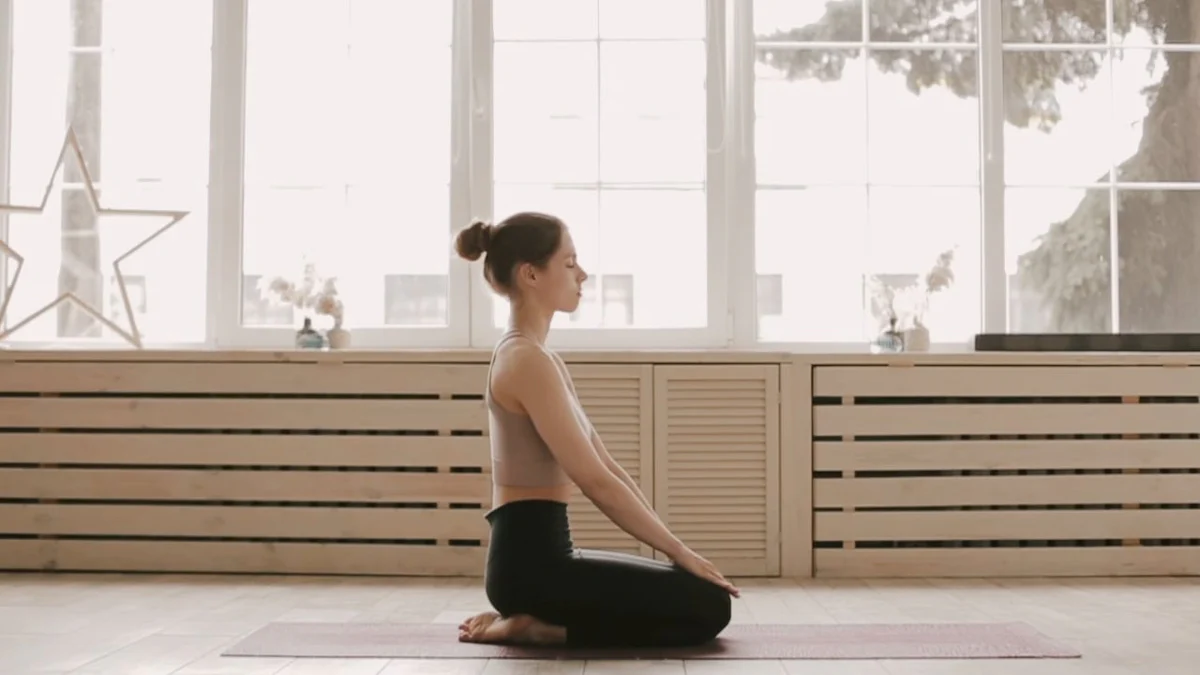
Yoga serves as a powerful tool for improving your mental health. It fosters emotional well-being by promoting mindfulness and self-awareness. Engaging in yoga allows you to connect with your body and mind, creating a sanctuary from daily chaos. You can easily integrate yoga practices into your routine, whether through morning stretches or evening relaxation techniques. Embrace the benefits of yoga in daily life and discover how it can transform your mental state and overall happiness.
Key Takeaways
Incorporate yoga into your daily routine to enhance mental health and emotional well-being.
Practice breathing exercises and restorative poses to effectively reduce stress and promote relaxation.
Utilize mindfulness and meditation techniques to manage anxiety and cultivate a sense of calm.
Engage in dynamic movements to release tension and boost your mood through the production of endorphins.
Build resilience by developing coping strategies through yoga, allowing you to navigate life's challenges with confidence.
Establish a consistent yoga routine by setting specific times for practice and creating a dedicated space.
Explore different yoga styles to find what resonates with you, making your practice enjoyable and fulfilling.
Stress Reduction through Yoga
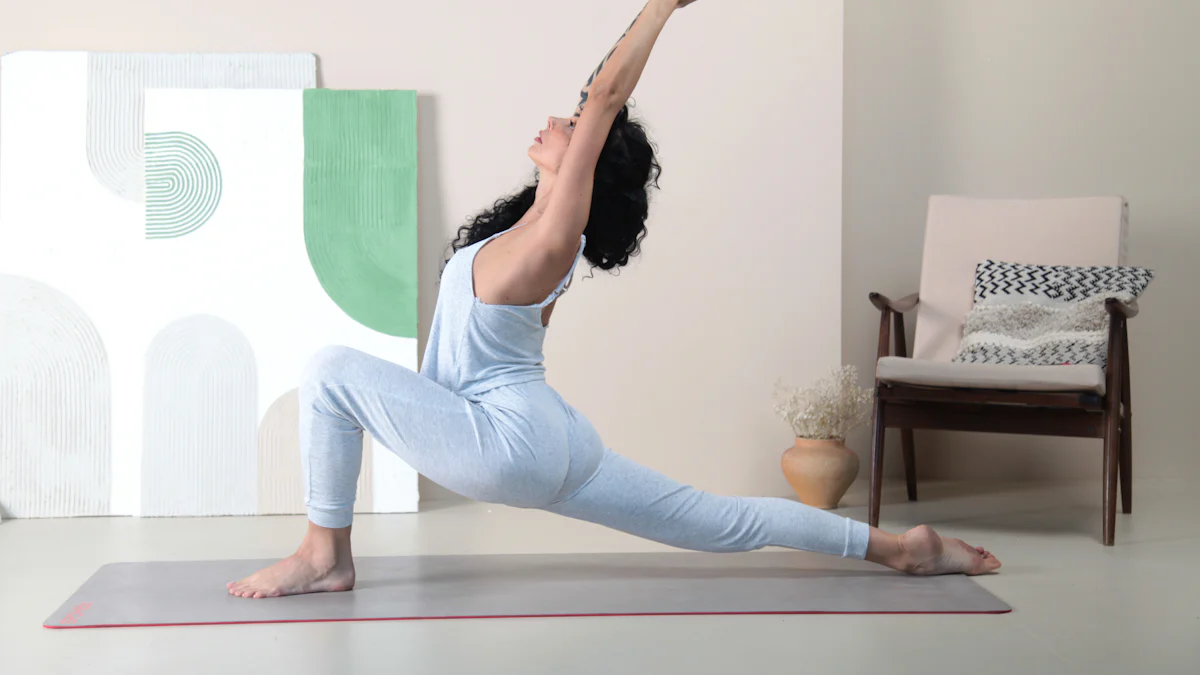
Understanding Stress and Its Impact
Definition of stress
Stress arises when you face challenges or demands that exceed your ability to cope. It can stem from various sources, including work, relationships, and daily responsibilities. Recognizing stress is the first step toward managing it effectively.
Effects of stress on mental health
Stress can significantly impact your mental health. It may lead to anxiety, depression, and other emotional disturbances. Chronic stress can disrupt your sleep patterns and diminish your overall quality of life. Understanding these effects empowers you to take action and seek relief.
Yoga Techniques for Stress Relief
Breathing exercises to promote relaxation
Breathing exercises form a core component of yoga. They help you focus your mind and calm your body. Techniques like deep belly breathing or alternate nostril breathing can lower your heart rate and reduce cortisol levels. These practices create a sense of tranquility, allowing you to navigate daily stressors with ease.
Restorative poses that calm the mind
Incorporating restorative yoga poses into your routine can enhance relaxation. Poses like Child’s Pose, Legs-Up-the-Wall, and Savasana encourage deep relaxation and release tension. These gentle stretches help you reconnect with your body and mind, fostering a peaceful state. Regular practice of these poses can lead to lasting stress relief.
Personal Stories of Stress Relief
Anecdotes from practitioners who found peace
Many individuals have discovered the transformative power of yoga in managing stress. One practitioner shared, “Yoga became my refuge. It helped me find calm amidst chaos.” Such personal stories highlight how yoga can serve as a sanctuary for your mind.
Research findings supporting stress reduction
Numerous studies support the benefits of yoga in reducing stress. Researchers found that yoga interventions can decrease psychological distress and improve mental health. These findings reinforce the idea that yoga is an effective strategy for managing stress and enhancing overall well-being.
Anxiety Management with Yoga
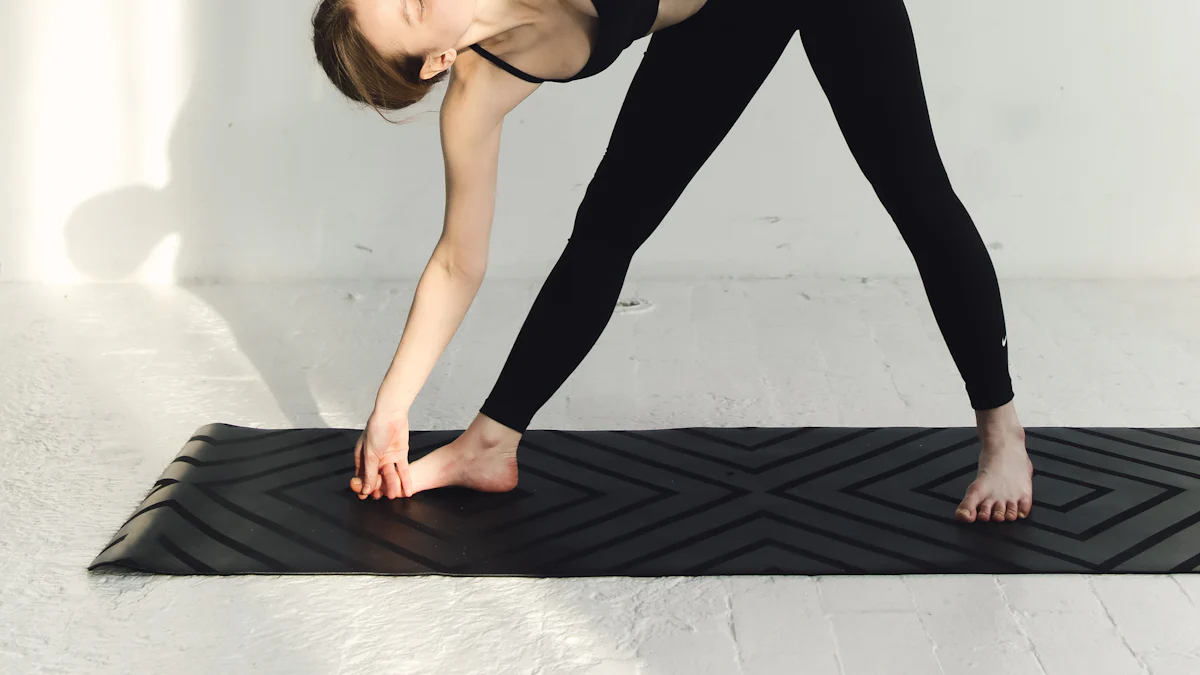
The Nature of Anxiety
Common symptoms of anxiety
Anxiety manifests in various ways. You might experience restlessness, rapid heartbeat, or excessive worry. Physical symptoms can include sweating, trembling, or difficulty concentrating. Recognizing these signs is crucial. Awareness allows you to address anxiety before it escalates.
How anxiety affects daily life
Anxiety can disrupt your daily activities. It may hinder your ability to focus at work or enjoy social interactions. You might find yourself avoiding situations that trigger anxiety, leading to isolation. Understanding how anxiety impacts your life empowers you to seek effective solutions.
Yoga Practices to Alleviate Anxiety
Mindfulness and meditation techniques
Yoga offers powerful mindfulness and meditation techniques to combat anxiety. These practices encourage you to focus on the present moment. Techniques like guided meditation or body scans help you cultivate awareness and calm your mind. Engaging in these practices regularly can significantly reduce anxiety levels.
“Yoga helps reduce stress and anxiety by activating the body's relaxation response and lowering cortisol levels.” This statement highlights the physiological benefits of yoga. By incorporating mindfulness into your routine, you create a mental space for peace and clarity.
Dynamic movements that release tension
Dynamic movements in yoga also play a vital role in alleviating anxiety. Poses such as Sun Salutations or Warrior sequences promote physical activity. These movements release built-up tension in your body. As you flow through these poses, you stimulate endorphin production, enhancing your mood.
Regular practice of these dynamic movements can lead to lasting relief from anxiety. You will find that your body feels lighter and your mind clearer after each session.
Success Stories in Anxiety Reduction
Testimonials from yoga practitioners
Many individuals have experienced profound changes through yoga. One practitioner shared, “Yoga transformed my life. It taught me to breathe through my anxiety and find calm.” Such testimonials illustrate the personal impact of yoga on mental health.
Scientific studies on anxiety relief
Research supports the effectiveness of yoga in reducing anxiety. Studies show that yoga interventions significantly lower anxiety levels in participants. These findings reinforce the idea that yoga serves as a therapeutic option for anxiety disorders.
Incorporating yoga into your daily routine can lead to remarkable improvements in your mental well-being. You can harness the benefits of yoga in daily life to manage anxiety effectively.
Enhancing Mood and Emotional Balance
The Link Between Yoga and Mood
How yoga influences neurotransmitters
Yoga significantly impacts your mood by influencing neurotransmitters in your brain. These chemical messengers play a crucial role in regulating emotions. When you practice yoga, your body releases endorphins, often referred to as "feel-good" hormones. This release can elevate your mood and create a sense of happiness. Additionally, yoga helps lower cortisol levels, the stress hormone. Lower cortisol levels contribute to a more balanced emotional state.
The role of physical activity in mood enhancement
Engaging in physical activity, such as yoga, enhances your mood through various mechanisms. Exercise increases blood flow and oxygen to your brain, promoting better cognitive function. A study published in the Journal of Alternative and Complementary Medicine found that yoga significantly decreases anxiety and depression. Regular practice not only improves your physical health but also uplifts your spirits. You can experience a profound shift in your emotional well-being through consistent yoga practice.
Yoga Poses for Mood Enhancement
Uplifting poses that elevate spirits
Certain yoga poses can directly uplift your spirits. Poses like Cobra Pose, Bridge Pose, and Warrior II stimulate energy flow and promote feelings of empowerment. These uplifting poses encourage you to open your heart and embrace positivity. As you hold these positions, focus on your breath. This connection between movement and breath enhances the mood-boosting effects of yoga.
Sequences for emotional balance and stability
Creating sequences that focus on emotional balance can further enhance your mood. Incorporate poses such as Child’s Pose, Cat-Cow, and Seated Forward Bend into your routine. These poses promote relaxation and stability. Flowing through these sequences allows you to release pent-up emotions and find inner peace. Regularly practicing these sequences can lead to lasting emotional balance.
Real-Life Examples of Mood Improvement
Personal experiences of mood transformation
Many individuals have experienced remarkable mood transformations through yoga. One practitioner shared, “Yoga helped me rediscover joy in my life. I felt lighter and more connected to myself.” Such personal stories illustrate the profound impact yoga can have on emotional well-being. You can find inspiration in these experiences as you embark on your own yoga journey.
Research evidence on mood enhancement
Research consistently supports the mood-enhancing benefits of yoga. Studies show that yoga interventions lead to significant reductions in depression and anxiety. For instance, one study highlighted that yoga downregulates the Hypothalamic-Pituitary-Adrenal (HPA) axis, which plays a role in stress response. This downregulation leads to improved mood and emotional stability. Engaging in yoga regularly can help you cultivate a more positive outlook on life.
Building Resilience through Yoga
Understanding Resilience
Definition and importance of resilience
Resilience refers to your ability to bounce back from challenges and adversity. It involves adapting well in the face of stress, trauma, or tragedy. Building resilience is crucial for maintaining mental health. It allows you to navigate life's ups and downs with strength and grace. When you cultivate resilience, you empower yourself to face difficulties head-on.
How resilience relates to mental health
Resilience plays a vital role in your mental health. It helps you manage stress and reduces the risk of anxiety and depression. When you develop resilience, you enhance your emotional stability. You learn to cope with setbacks and maintain a positive outlook. This connection between resilience and mental health underscores the importance of nurturing your inner strength.
Yoga's Role in Developing Resilience
Coping strategies learned through practice
Yoga equips you with valuable coping strategies. Through regular practice, you learn to manage stress effectively. Techniques such as mindful breathing and meditation help you stay grounded. You develop awareness of your thoughts and emotions, allowing you to respond rather than react. This proactive approach fosters resilience, enabling you to handle life's challenges with confidence.
Mind-body connection fostering resilience
The mind-body connection in yoga nurtures resilience. As you practice, you cultivate awareness of your body and its responses. This awareness helps you recognize stress signals early. You learn to listen to your body and respond with compassion. Yoga fosters self-compassion, encouraging you to treat yourself kindly during tough times. This kindness builds inner strength, allowing you to face adversity with a calm mind.
Stories of Resilience from Yoga Practitioners
Anecdotes of overcoming challenges
Many individuals have shared their journeys of resilience through yoga. One practitioner noted, “Yoga taught me how to breathe through my struggles. I found strength I never knew I had.” Such stories highlight the transformative power of yoga. They inspire you to embrace your own journey and discover your resilience.
Research insights on resilience building
Research supports the idea that yoga enhances resilience. Studies show that regular practice helps individuals cope better with stress. Yoga nurtures the mind, body, and spirit, equipping you with the tools needed to navigate life's challenges. Engaging in yoga not only strengthens your physical body but also fortifies your emotional and mental well-being.
Incorporating yoga into your daily routine can lead to remarkable improvements in your resilience. You can harness the benefits of yoga in daily life to build a stronger, more resilient self.
Creating a Daily Yoga Practice
Tips for Incorporating Yoga into Daily Life
Setting a routine for consistency
Establishing a consistent yoga routine can transform your life. Start by choosing a specific time each day to practice. Whether you prefer morning sessions to energize your day or evening practices to unwind, consistency is key. Aim for at least 15-30 minutes daily. This commitment helps you build a habit and experience the benefits of yoga in daily life.
Consider using reminders on your phone or calendar to keep you accountable. You might also find it helpful to create a dedicated space for your practice. A quiet corner with a mat and some calming decor can inspire you to engage in yoga regularly.
Finding the right style that suits you
Yoga offers various styles, each with unique benefits. Explore different types to discover what resonates with you. Hatha yoga focuses on gentle movements and is great for beginners. Vinyasa yoga emphasizes flow and breath, perfect for those seeking a dynamic practice. Restorative yoga provides deep relaxation, ideal for stress relief.
Take time to experiment with classes or online tutorials. You may find that trying different styles enhances your experience and keeps you motivated. Remember, the right style can make your practice enjoyable and fulfilling.
Overcoming Barriers to Practice
Common challenges faced by beginners
Many beginners face challenges when starting yoga. You might feel intimidated by advanced practitioners or unsure about your abilities. It's common to worry about flexibility or strength. Remember, everyone starts somewhere. Focus on your journey and progress rather than comparing yourself to others.
Time constraints can also pose a challenge. Life gets busy, but even short sessions can be beneficial. Prioritize your practice, and you'll notice improvements in your mental and physical health.
Solutions and encouragement for persistence
To overcome these barriers, set realistic goals. Start small and gradually increase the duration and intensity of your practice. Celebrate your achievements, no matter how minor they seem. Each step forward counts.
Connect with supportive communities, whether in-person or online. Sharing your experiences with others can motivate you to stay committed. Remember, persistence is vital. The more you practice, the more you will reap the benefits of yoga in daily life.
Community and Support in Yoga
Finding classes and groups for connection
Joining a yoga class or group can enhance your practice. Look for local studios or community centers offering classes. Engaging with others creates a sense of belonging and accountability. You can share experiences, learn from instructors, and gain inspiration from fellow practitioners.
If in-person classes aren't an option, consider virtual classes. Many platforms offer live sessions or recorded classes, allowing you to practice from home. Connecting with others online can provide support and encouragement as you embark on your yoga journey.
Online resources for guidance and support
Numerous online resources can guide your practice. Websites and apps offer tutorials, guided meditations, and community forums. These platforms can help you deepen your understanding of yoga and connect with like-minded individuals.
YouTube channels dedicated to yoga provide a wealth of free content. Explore different instructors and styles to find what resonates with you. Online resources can empower you to maintain your practice and discover new techniques.
Yoga offers numerous benefits for your mental health. It nurtures emotional balance, enhances clarity, and fosters a deeper connection with yourself. By exploring yoga as a daily practice, you embark on a transformative journey toward well-being. Each session brings you closer to inner peace and resilience. Embrace the opportunity to integrate yoga into your life. You hold the power to create positive change and cultivate a happier, healthier you.
See Also
Uncover the Wellness Advantages of Practicing Yoga
Explore the Health Advantages of Danda Yoga
Comprehending the Advantages of Bikram Yoga

Hi my name is Lia and i am your host in this yoga journey in Portugal, Subscribe to our newsletter to receive every week the best of Yoga in Portugal.

We bring back the importance of initiation into womanhood by Roos-Veerle Krijnen & Ella-June Henrard
Welcome to the Women’s Initiation Retreat by Naked Truth Retreats, a transformative journey into the depths of your True Feminine Nature. This retreat invites you to remember the sacredness and wholeness of your being.
Roos-Veerle Krijnen & Ella-June Henrard