Beginner's Guide to Slow Flow Yoga Practice

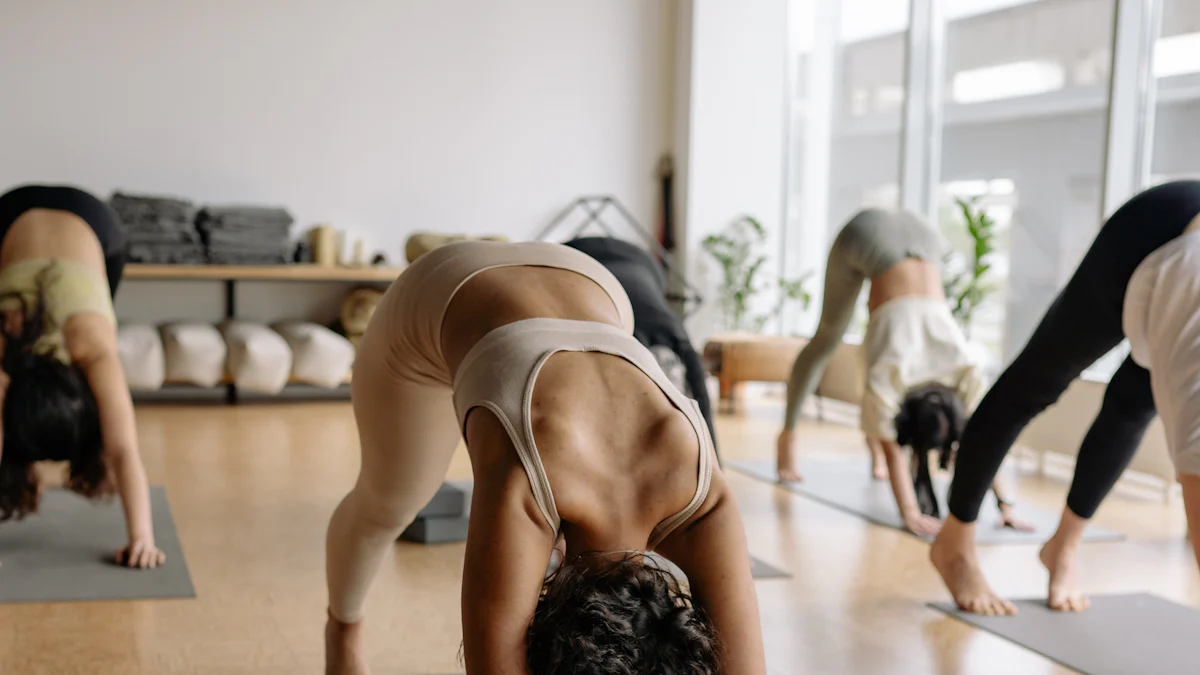
Slow flow yoga offers a unique approach to yoga practice, focusing on mindful movements at a slower pace. This style is perfect for beginners because it provides a gentle introduction to yoga, allowing you to ease into the practice without feeling overwhelmed. You’ll find that slow flow yoga is accessible and adaptable, making it suitable for all levels. By starting with this practice, you build a strong foundation, enhancing your flexibility, strength, and mental peace. Embrace the opportunity to connect with your body and mind, reducing stress and promoting overall well-being.
Understanding Slow Flow Yoga
What is Slow Flow Yoga?
Slow flow yoga offers a unique approach to traditional yoga practices. It emphasizes mindful movements and a deliberate pace. This style allows you to focus on your breath and body alignment. You can enjoy a more introspective and relaxing experience.
Key characteristics of slow flow yoga
In slow flow yoga, you hold poses for longer periods. This gives you the chance to explore each posture deeply. You can feel the stretch and understand the benefits of each pose. The practice often includes gentle movements that keep you close to the ground. This helps in stretching and releasing stress and tension. Unlike faster-paced styles, slow flow yoga omits complex transitions. This makes it more accessible for beginners.
Differences from other yoga styles
Slow flow yoga stands apart from other styles like Vinyasa or Ashtanga. Those styles focus on quick transitions and intense sequences. In contrast, slow flow yoga prioritizes a calm and steady rhythm. You get the opportunity to connect with your breath and body. This style activates the parasympathetic nervous system, promoting relaxation and stress reduction. It’s therapeutic and encourages a balanced yoga practice.
Why Choose Slow Flow Yoga as a Beginner?
Starting your yoga journey with slow flow yoga offers numerous benefits. It provides a gentle introduction to yoga, making it ideal for beginners. You can ease into the practice without feeling overwhelmed.
Benefits of starting with a gentle practice
Slow flow yoga brings a chill vibe to your practice. It calms the nervous system and helps you recenter your breath. This style is perfect for enjoying the physical benefits of yoga without the intensity. You’ll find improvements in digestion, immune system function, and oxygen levels. The practice promotes peace, relaxation, and positivity.
How it helps build a strong foundation
By choosing slow flow yoga, you build a strong foundation for your practice. You enhance your flexibility, strength, and physical alignment. The deliberate pace allows you to focus on proper posture and technique. This foundation supports your progress as you explore more advanced yoga styles. Slow flow yoga also boosts stamina, preparing you for more challenging sequences in the future.
Benefits of Slow Flow Yoga
Physical Benefits
Improved flexibility and strength
When you practice slow flow yoga, you gradually stretch your muscles, joints, and connective tissues. This gentle approach helps you improve flexibility over time. You’ll notice that your body becomes more limber and agile. As you hold poses longer, your muscles engage more deeply, building strength. This mindful movement ensures that you develop a balanced and strong physique without the risk of injury.
Enhanced balance and coordination
Slow flow yoga encourages you to focus on precise movements. This attention to detail enhances your balance and coordination. You learn to control your body better, which helps in everyday activities. By practicing regularly, you’ll find that your posture improves, and you move with more grace and confidence. The deliberate pace of slow flow yoga allows you to refine your skills, making you more aware of your body’s capabilities.
Mental and Emotional Benefits
Stress reduction and relaxation
The slower movements and intentional breathing in slow flow yoga activate your parasympathetic nervous system. This activation helps reduce stress and calm your mind. You’ll experience a sense of relaxation that permeates your entire being. As you focus on your breath, you let go of tension and anxiety. This practice becomes a sanctuary where you can unwind and recharge.
"The slower movements and intentional breathing of a Slow Flow yoga practice activate the parasympathetic nervous system, helping to reduce stress and calm the mind."
Increased mindfulness and focus
Slow flow yoga invites you to be present in each moment. You cultivate mindfulness by paying attention to your breath and body alignment. This practice sharpens your focus, allowing you to concentrate better in other areas of life. You become more aware of your thoughts and emotions, leading to greater self-awareness. As you continue your practice, you’ll find that this increased mindfulness enhances your overall well-being.
Essential Poses for Beginners
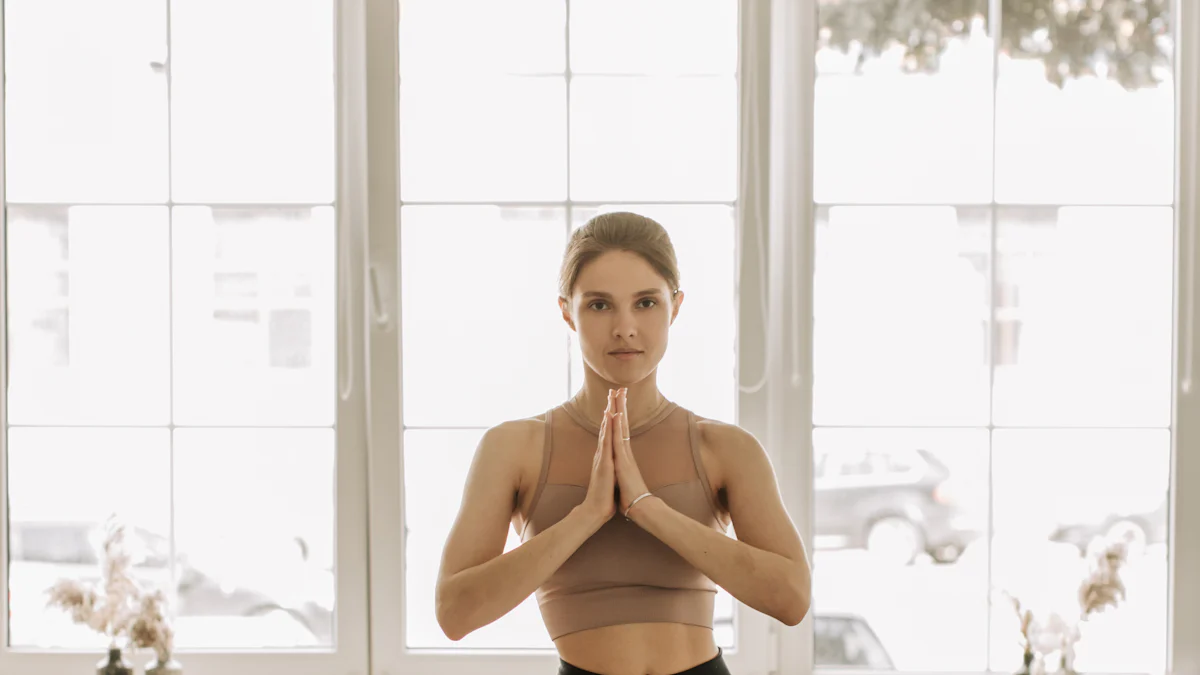
Basic Poses to Start With essential yoga poses
Mountain Pose (Tadasana)
Mountain Pose, or Tadasana, is the foundation of many yoga sequences. It might look simple, but it’s a powerful pose that helps you connect with your body. Stand tall with your feet together or hip-width apart. Ground your feet firmly into the mat. Engage your thighs and lift your kneecaps. Keep your spine straight and shoulders relaxed. Imagine a string pulling you up from the top of your head. This pose improves posture and balance. It also helps you focus on your breath and body alignment.
Downward-Facing Dog (Adho Mukha Svanasana)
Downward-Facing Dog, or Adho Mukha Svanasana, is a staple in yoga practice. It stretches your entire body and strengthens your arms and legs. Start on your hands and knees. Spread your fingers wide and press into the mat. Lift your hips up and back, forming an inverted V shape. Keep your knees slightly bent if needed. Focus on lengthening your spine and pressing your heels toward the ground. This pose energizes the body and calms the mind.
Building a Simple Routine
Combining poses for a beginner sequence
Creating a simple yoga routine can be a rewarding experience. Start with Mountain Pose to ground yourself. Transition into Downward-Facing Dog to stretch and strengthen. Add poses like Warrior I and Child’s Pose for variety. You can use props like blocks or straps to assist with alignment and deepen your practice. Props aren’t just for beginners; they help everyone achieve the best posture and avoid injury.
Tips for maintaining proper alignment
Proper alignment is key to a safe and effective yoga practice. Always listen to your body and avoid pushing too hard. Use a yoga mat for stability and grip. It protects your joints and provides a safe surface for practice. Pay attention to your breath. It guides your movements and helps maintain focus. Props like blocks and blankets support your body in various poses. They ensure you maintain healthy alignment as you bend, twist, and stretch. Remember, yoga is about progress, not perfection. Enjoy the journey and celebrate your growth.
Tips for Progressing in Your Practice
Setting Realistic Goals
Setting realistic goals is crucial for your yoga journey. You want to ensure that your practice remains enjoyable and sustainable. Here’s how you can do it:
Importance of patience and consistency
Patience and consistency are your best friends in yoga. You won't master every pose overnight, and that's perfectly okay. Yoga is about the journey, not the destination. By practicing regularly, you build strength and flexibility over time. Remember, every small step counts. Celebrate your progress, no matter how minor it seems. Consistency helps you develop a routine, making yoga a natural part of your life.
Tracking your progress
Tracking your progress keeps you motivated. You can use a journal to note down your achievements and challenges. Write about how you feel after each session. This reflection helps you see how far you've come. You might also take photos or videos of your practice. Visual records provide a clear picture of your improvements. They remind you of your dedication and growth.
Incorporating Mindfulness and Breathwork
Mindfulness and breathwork enhance your yoga practice. They deepen your connection with your body and mind. Let’s explore how you can incorporate them:
Techniques for mindful breathing
Mindful breathing centers you during yoga. Start by focusing on your breath. Inhale deeply through your nose, filling your lungs. Exhale slowly, releasing tension. Try the 4-7-8 technique: inhale for four counts, hold for seven, and exhale for eight. This method calms your mind and body. Practice this breathing throughout your session. It keeps you present and focused.
Integrating meditation into your practice
Meditation complements your yoga routine. Begin with a few minutes of meditation before or after your practice. Sit comfortably, close your eyes, and focus on your breath. Let thoughts come and go without judgment. Meditation enhances your mindfulness, helping you stay grounded. Over time, increase your meditation duration. You'll notice improved concentration and inner peace.
By setting realistic goals and incorporating mindfulness, you enrich your yoga experience. Embrace the journey with patience and dedication. Your practice will flourish, bringing balance and joy to your life.
Embark on your slow flow yoga journey with confidence. This practice offers a gentle path to mindfulness and relaxation. Enjoy the process and listen to your body. Each session is an opportunity to connect with yourself and find peace. Explore further resources and classes to deepen your practice. You might discover new poses or techniques that resonate with you. Remember, yoga is a personal journey. Embrace it with an open heart and mind. Whether you're starting your day or winding down, slow flow yoga can be your sanctuary.
See Also
A Beginner's Journey Into Vinyasa Yoga Explained
Your Home Yoga Practice: A Complete Beginner's Manual
Introductory Veena Yoga Techniques for New Practitioners
Hi my name is Lia and i am your host in this yoga journey in Portugal, Subscribe to our newsletter to receive every week the best of Yoga in Portugal.

We bring back the importance of initiation into womanhood by Roos-Veerle Krijnen & Ella-June Henrard
Welcome to the Women’s Initiation Retreat by Naked Truth Retreats, a transformative journey into the depths of your True Feminine Nature. This retreat invites you to remember the sacredness and wholeness of your being.
Roos-Veerle Krijnen & Ella-June Henrard