Beginner's Guide to Picking the Perfect Yoga Shoes

Do you really need yoga shoes as a beginner? Well, it depends on your comfort and practice style. While many yoga enthusiasts prefer going barefoot, yoga shoes can offer significant benefits. They provide superior traction and stability, which is crucial for mastering balance poses. In fact, about 27% of beginners find yoga shoes helpful in gaining confidence during practice. These shoes also ensure hygiene and protect your feet from rough surfaces. So, if you're starting out, consider trying yoga shoes to enhance your experience.
Understanding the Need for Yoga Shoes
Do You Really Need Yoga Shoes?
You might wonder if yoga shoes are necessary. Traditionally, yoga is practiced barefoot. However, yoga shoes can offer unique advantages. They provide a solid grip, which is crucial for maintaining balance during poses. This stability helps prevent slips and falls, especially in challenging postures. For beginners, this added confidence can make a big difference in your practice. Yoga shoes also protect your feet from cuts and bruises, making them a smart choice for outdoor sessions or on rough surfaces.
Benefits of Wearing Yoga Shoes
Enhanced Grip and Stability
Yoga shoes typically feature rubber soles that prevent slipping. This traction is more important than you might think. A solid grip on the ground ensures you can perform poses without fear of awkward falls. This stability is vital for both beginners and advanced practitioners. It allows you to focus on mastering poses with confidence.
Protection and Hygiene
Yoga shoes offer protection from cuts, bruises, and blisters. They shield your feet from rough surfaces and debris. This protection is especially beneficial if you practice outdoors. Additionally, yoga shoes maintain hygiene by keeping your feet clean. They prevent direct contact with shared mats, reducing the risk of infections.
Support and Comfort
Yoga shoes are designed to move with your feet. They provide support without restricting movement. This flexibility is essential for a smooth flow during practice. Many yoga shoes also double as water shoes, which is handy if you encounter wet conditions. Investing in a good pair of yoga shoes enhances your comfort and enjoyment, allowing you to get the most out of your practice.
Key Features to Look for in Yoga Shoes
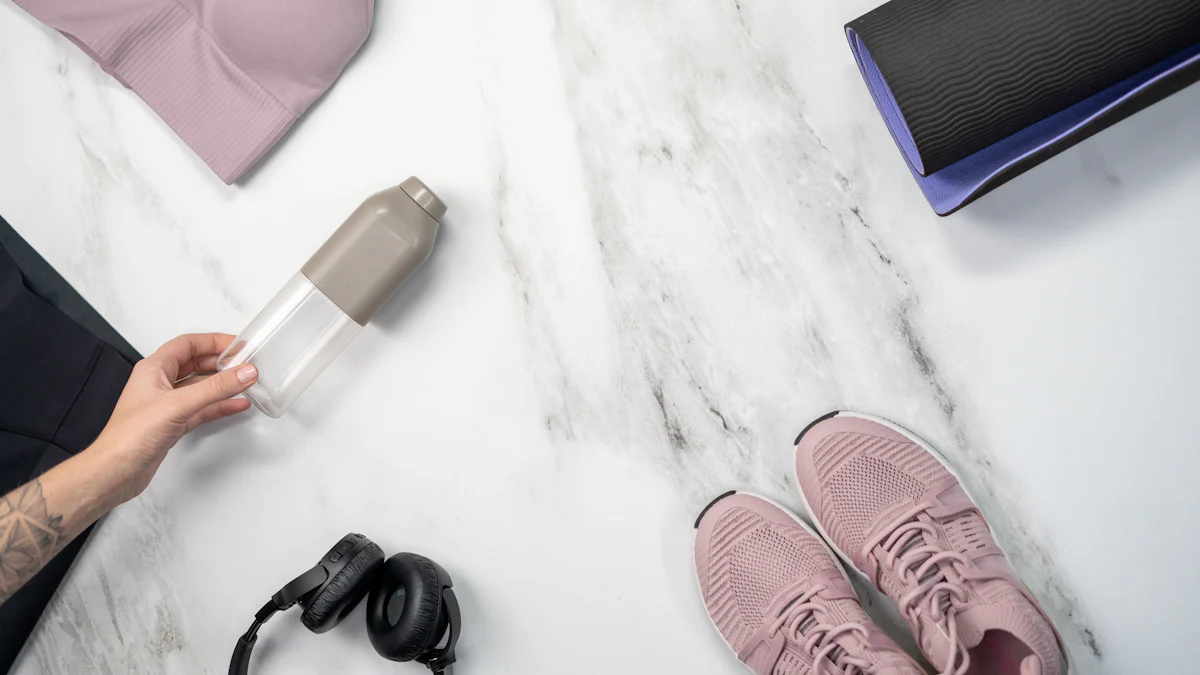
When you're on the hunt for the perfect yoga shoes, certain features can make all the difference in your practice. Let's dive into what you should keep an eye out for.
Flexibility
Flexibility is a must-have in yoga shoes. You want shoes that move with your feet, not against them. The best yoga shoes have thin, flexible soles that allow your feet to bend and stretch naturally. This flexibility is crucial for maintaining balance and strength during poses. Look for materials like polyamide, which offer elasticity and ensure your shoes won't restrict your movements. Whether you're flowing through a sun salutation or holding a challenging pose, flexible shoes will support your every move.
Grip
Grip is another essential feature. Yoga shoes typically come with rubber soles designed to prevent slipping. This traction is vital for maintaining stability, especially during challenging postures. A solid grip ensures you can focus on your practice without worrying about slipping. Some shoes even boast a patented grip design, providing extra security and balance. When choosing your shoes, make sure they offer the grip you need to feel confident on your mat.
Material
The material of your yoga shoes plays a big role in comfort and performance. Look for breathable and stretchy fabrics that keep your feet cool and comfortable. Breathable materials help prevent sweat buildup, which can lead to discomfort during long sessions. Additionally, the material should be sturdy enough to provide support but flexible enough to move with your body. Many yoga shoes are lightweight, making them easy to wear and carry. Whether you're practicing indoors or outdoors, the right material will enhance your yoga experience.
Breathability
When choosing yoga shoes, breathability is a key feature to consider. You want shoes that allow air to circulate around your feet, keeping them cool and dry during your practice. Breathable materials, like mesh or lightweight fabrics, help prevent sweat buildup, which can lead to discomfort or even slipping. Imagine flowing through your poses without worrying about sweaty feet. That's the comfort breathable yoga shoes provide. They ensure your feet stay fresh, allowing you to focus entirely on your practice.
Fit and Comfort
Fit and comfort are crucial when selecting yoga shoes. You need shoes that fit snugly but not too tight. A good fit ensures that your shoes move with your feet, providing the support you need without restricting movement. Look for shoes with a flexible design that adapts to your foot's natural shape. Comfort is equally important. You want shoes that feel like an extension of your body, allowing you to concentrate on your poses rather than your footwear. Properly fitting yoga shoes enhance your practice by offering stability and ease, making each session more enjoyable.
Comparing Different Types of Yoga Footwear
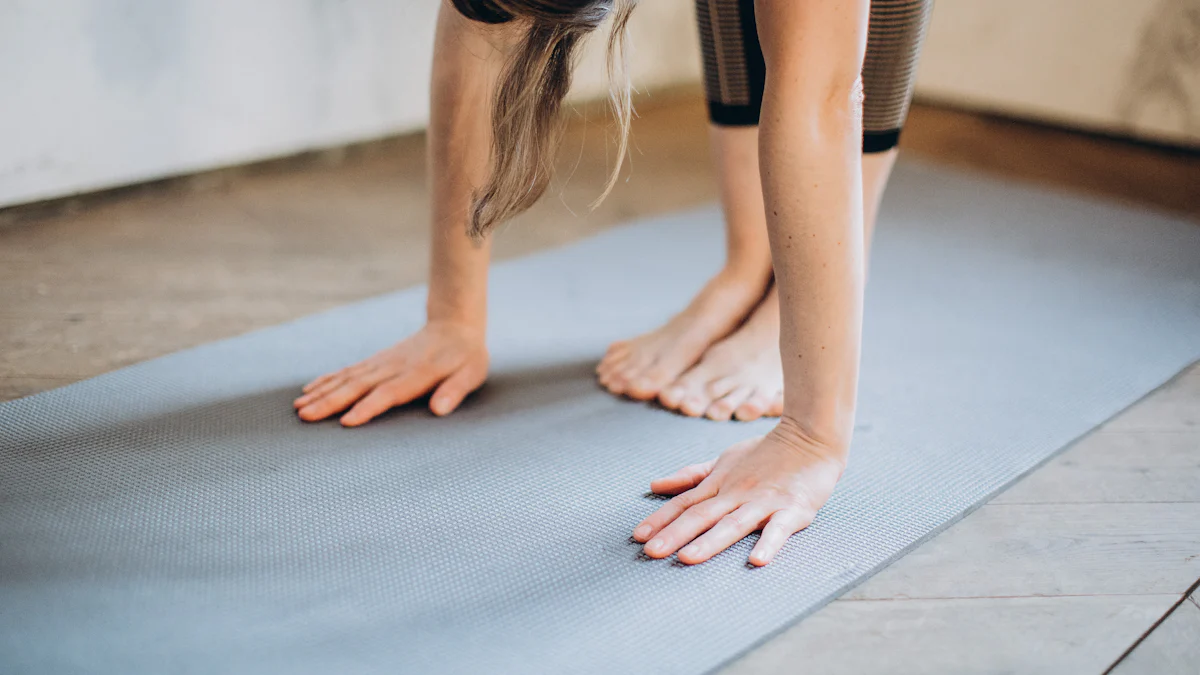
When it comes to yoga, choosing the right footwear can make a big difference in your practice. Let's explore the different types of yoga footwear and weigh their pros and cons.
Yoga Shoes
Yoga shoes are a popular choice for many practitioners. They offer several benefits that can enhance your yoga experience.
Pros
Enhanced Grip: Yoga shoes often come with rubber soles that provide excellent traction. This grip helps you maintain stability during poses, reducing the risk of slipping.
Support and Comfort: Many yoga shoes are designed with the foot's structure in mind. They incorporate cushioning and arch support, which reduces pressure on your feet and joints. This design promotes comfort and stability throughout your practice.
Breathability: The breathable and stretchy fabric of yoga shoes keeps your feet cool and comfortable. This feature is especially beneficial during long sessions.
Versatility: Some yoga shoes double as water shoes, offering protection and grip in various environments. This versatility makes them a practical choice for outdoor yoga or wet conditions.
Cons
Cost: Yoga shoes can be more expensive than other options like yoga socks. The investment might not be necessary for everyone, especially if you prefer practicing barefoot.
Limited Flexibility: While many yoga shoes are designed to be flexible, they may still restrict some movements compared to being barefoot. This limitation can affect your ability to fully engage in certain poses.
Barefoot
Practicing yoga barefoot is the traditional approach and remains a favorite for many yogis.
Pros
Natural Feel: Going barefoot allows you to connect directly with the ground. This connection enhances your balance and stability during poses.
Flexibility: Without any footwear, your feet can move freely. This freedom allows for a full range of motion, which is essential for certain yoga poses.
Cost-Effective: Practicing barefoot eliminates the need for purchasing additional footwear, making it a budget-friendly option.
Cons
Lack of Protection: Without shoes, your feet are exposed to potential cuts, bruises, and blisters, especially on rough surfaces.
Hygiene Concerns: Practicing barefoot on shared mats can pose hygiene risks. Direct contact with the mat increases the chance of infections.
Yoga Socks
Yoga socks offer a middle ground between shoes and going barefoot. They provide some benefits while maintaining a natural feel.
Pros
Grip: Many yoga socks come with non-slip soles, providing traction similar to yoga shoes. This grip helps maintain stability during poses.
Hygiene: Yoga socks act as a barrier between your feet and the mat, reducing the risk of infections. They keep your feet clean and protected.
Affordability: Generally, yoga socks are more affordable than yoga shoes, making them an accessible option for beginners.
Cons
Limited Support: Unlike yoga shoes, socks don't offer much support or cushioning. This lack of support can affect comfort during longer sessions.
Durability: Yoga socks may wear out faster than shoes, especially with frequent use. This wear and tear can lead to additional costs over time.
Choosing the right yoga footwear depends on your personal preferences and practice style. Whether you opt for yoga shoes, go barefoot, or choose yoga socks, each option has its unique advantages and drawbacks. Consider what matters most to you in your practice and make a choice that enhances your yoga experience.
Choosing the Right Footwear for Your Yoga Style
Selecting the right footwear for your yoga practice can significantly enhance your experience. Different yoga styles have unique demands, and your choice of footwear should align with these needs. Let's explore how to choose the best option for various yoga styles.
Hatha and Vinyasa Yoga
Hatha and Vinyasa yoga focus on flowing movements and balance. For these styles, you might prefer going barefoot. This choice allows you to connect directly with the mat, enhancing your balance and stability. Barefoot practice engages the small stabilizing muscles in your feet and ankles, helping you maintain poses with ease. If you prefer some protection, consider yoga socks. They offer grip without restricting your foot's natural movement, providing a middle ground between barefoot and shoes.
Hot Yoga
Hot yoga involves practicing in a heated room, which can make your mat slippery. In this case, yoga shoes with excellent grip and breathability are ideal. These shoes provide traction, preventing slips and falls during your session. Look for shoes with breathable materials to keep your feet cool and comfortable. The added stability from yoga shoes can help you focus on your poses rather than worrying about slipping.
Restorative and Yin Yoga
Restorative and Yin yoga emphasize relaxation and deep stretching. For these gentle styles, going barefoot is often the best choice. It allows you to fully flex and point your feet, spreading your toes without restriction. This freedom of movement helps you sink deeper into poses, enhancing your flexibility. If you practice on a cold floor, yoga socks can provide warmth while maintaining a natural feel.
Choosing the right footwear depends on your yoga style and personal preferences. Whether you opt for yoga shoes, socks, or go barefoot, each option offers unique benefits. Consider what feels best for your practice and enhances your yoga journey.
Personal Needs and Preferences
When choosing yoga footwear, your personal needs and preferences play a crucial role. Everyone's feet are different, and what works for one person might not work for another. Here are some factors to consider:
Comfort: Your comfort should be the top priority. If you feel more at ease practicing barefoot, go for it. Barefoot yoga allows you to connect directly with the mat, enhancing your balance and stability. It also helps engage the small stabilizing muscles in your feet and ankles.
Foot Health: Consider any foot issues you might have. If you need extra support due to flat feet or other conditions, yoga shoes with arch support might be beneficial. They provide stability and reduce pressure on your feet and joints.
Environment: Think about where you practice yoga. If you often practice outdoors or on rough surfaces, yoga shoes can protect your feet from cuts and bruises. Their textured soles offer traction and slip resistance, making them ideal for smooth or uneven surfaces.
Hygiene Concerns: If you're worried about hygiene, especially when using shared mats, yoga socks can be a great option. They act as a barrier between your feet and the mat, reducing the risk of infections while still providing some grip.
Style of Yoga: Different yoga styles may require different footwear. For high-intensity practices like hot yoga, supportive shoes that provide stability and traction are ideal. In contrast, for restorative styles like yin yoga, going barefoot might be more beneficial to connect with the mat and allow greater freedom of motion.
Ultimately, the choice of yoga footwear depends on what feels best for you. Experiment with different options to find what enhances your practice and aligns with your personal preferences.
Choosing the right yoga footwear boils down to comfort and personal preference. You should explore different options to find what suits you best. Whether you opt for shoes, socks, or go barefoot, each choice offers unique benefits. As UGA Wear Experts suggest, "There is no universally 'right' answer—the optimal footwear depends on your specific needs and preferences." Remember, the right choice enhances your yoga experience, allowing you to focus on balance and strength in poses. Let comfort guide you, and enjoy the journey of discovering what feels right for your practice.
See Also
The Complete Handbook for Selecting Your Ideal Yoga Studio
The Definitive Resource for Finding Your Perfect Yoga Studio
Tips for Selecting the Best Yoga Studio for You

Hi my name is Lia and i am your host in this yoga journey in Portugal, Subscribe to our newsletter to receive every week the best of Yoga in Portugal.

We bring back the importance of initiation into womanhood by Roos-Veerle Krijnen & Ella-June Henrard
Welcome to the Women’s Initiation Retreat by Naked Truth Retreats, a transformative journey into the depths of your True Feminine Nature. This retreat invites you to remember the sacredness and wholeness of your being.
Roos-Veerle Krijnen & Ella-June Henrard