Beginner's Guide to Basic Yoga Positions


Yoga has become a beloved practice for millions, with over 55 million people currently engaging in it across the U.S. This ancient discipline offers a path to both physical and mental well-being. As a beginner, starting with basic yoga positions is crucial. These foundational poses help you build strength, flexibility, and confidence. Remember, yoga is a personal journey. You should explore it at your own pace, embracing each pose and moment. Whether you're trying a basic yoga position nyt or simply breathing deeply, every step counts in your yoga adventure.
Benefits of Practicing Yoga
Physical Benefits
Improved Flexibility
Yoga is a fantastic way to enhance your flexibility. When you practice regularly, you'll notice that your muscles become more pliable. This increased flexibility can help you move more freely and reduce the risk of injury. Many studies have shown that yoga can significantly improve flexibility in people of all ages, from young individuals to seniors. So, if you're looking to touch your toes without bending your knees, yoga might just be the answer!
Enhanced Strength
You might think yoga is all about stretching, but it also builds strength. Holding poses like Warrior I or Plank requires muscle engagement and endurance. Over time, these poses strengthen your core, arms, and legs. Research indicates that yoga can improve strength and flexibility, making it a well-rounded exercise option. So, if you want to feel stronger without lifting weights, yoga offers a gentle yet effective alternative.
Better Posture
Good posture is essential for overall health, and yoga can help you achieve it. Many yoga poses focus on aligning the spine and opening the chest, which encourages better posture. By practicing poses like Mountain Pose or Cobra Pose, you become more aware of your body's alignment. This awareness can translate into improved posture in your daily life. Better posture not only makes you look taller and more confident but also reduces strain on your muscles and joints.
Mental Benefits
Stress Reduction
Yoga is renowned for its ability to reduce stress. The combination of mindful breathing and gentle movement helps calm the mind and relax the body. Studies have shown that yoga can decrease the stress hormone cortisol, leading to a more peaceful state of mind. When you feel overwhelmed, taking a few minutes to practice yoga can provide a much-needed break from the chaos of daily life.
Increased Focus
In today's fast-paced world, maintaining focus can be challenging. Yoga encourages mindfulness, which can enhance your concentration and mental clarity. By focusing on your breath and movements during yoga practice, you train your mind to stay present. This increased focus can carry over into other areas of your life, helping you tackle tasks with greater efficiency and attention.
Emotional Balance
Yoga promotes emotional balance by encouraging self-awareness and acceptance. As you practice, you learn to observe your thoughts and emotions without judgment. This mindfulness can lead to greater emotional stability and resilience. Research suggests that yoga can improve mental health outcomes, making it a valuable tool for managing emotions and enhancing overall well-being. Whether you're dealing with stress, anxiety, or simply seeking inner peace, yoga offers a path to emotional harmony.
Categories of Basic Yoga Positions
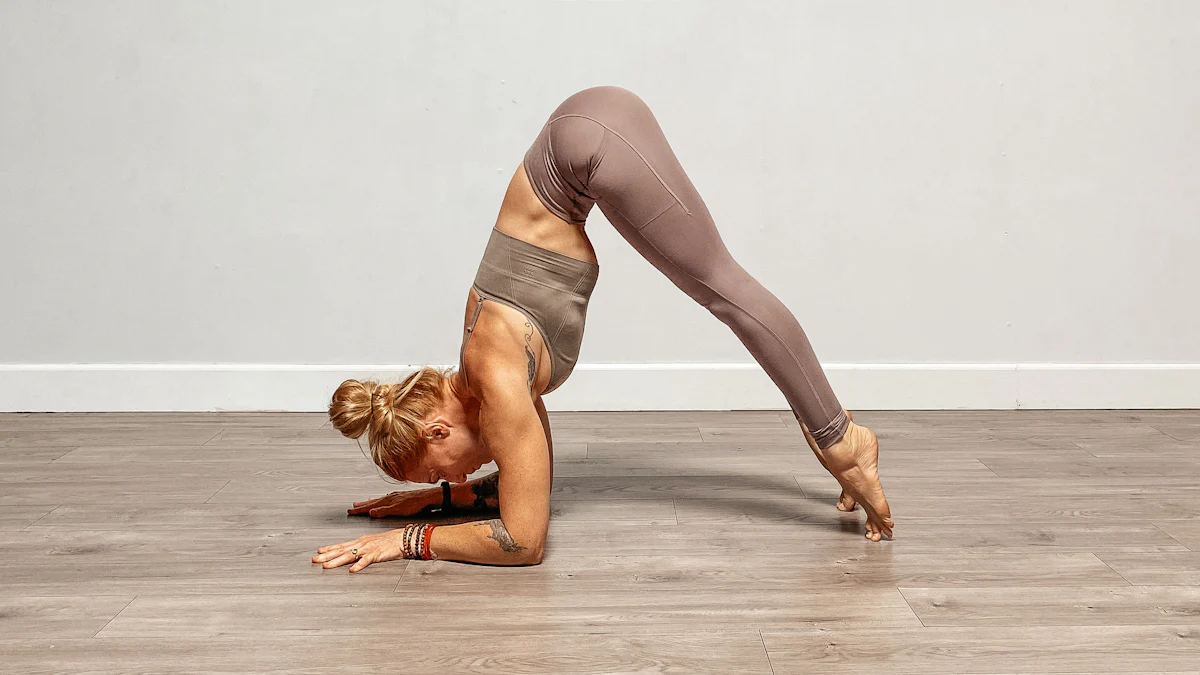
Embarking on your yoga journey means starting with the basics. These foundational poses are essential for building strength, flexibility, and mindfulness. As you practice, you'll find that these basic yoga positions are just the beginning of your exploration into the world of yoga. Let's dive into some of the most common categories of basic yoga positions.
Standing Poses
Standing poses form the backbone of many yoga practices. They help you develop balance and strength while grounding you in the present moment.
Mountain Pose (Tadasana)
Mountain Pose, or Tadasana, is often considered the starting point for all standing poses. In this pose, you stand tall with your feet together, arms at your sides, and shoulders relaxed. Imagine a string pulling you upward from the crown of your head. This pose helps improve posture and balance, making it a fundamental basic yoga position nyt. Practicing Mountain Pose regularly can enhance your awareness of body alignment.
Warrior I (Virabhadrasana I)
Warrior I, known as Virabhadrasana I, is a powerful pose that builds strength in your legs and core. To perform this pose, step one foot forward and bend the knee while keeping the other leg straight behind you. Raise your arms overhead and gaze forward. Warrior I encourages focus and determination, qualities that are essential in both yoga and life. This basic yoga position nyt also opens your hips and chest, promoting flexibility.
Seated Poses
Seated poses offer a chance to relax and stretch your body while focusing on your breath. They are perfect for calming the mind and improving flexibility.
Easy Pose (Sukhasana)
Easy Pose, or Sukhasana, is a simple cross-legged position that promotes relaxation and mindfulness. Sit with your legs crossed, spine straight, and hands resting on your knees. This pose encourages you to focus on your breath and find inner peace. It's a great basic yoga position nyt for meditation and grounding yourself in the present moment.
Staff Pose (Dandasana)
Staff Pose, or Dandasana, is a seated pose that strengthens your core and improves posture. Sit with your legs extended in front of you, feet flexed, and hands resting beside your hips. Keep your spine straight and engage your core muscles. This pose helps you become more aware of your body's alignment and is an excellent foundation for other seated poses. Practicing Staff Pose regularly can enhance your overall yoga practice.
Balancing Poses
Balancing poses challenge your stability and concentration. They require focus and determination, making them an exciting part of your yoga journey.
Tree Pose (Vrksasana)
Tree Pose, or Vrksasana, is a classic balancing pose that enhances stability and concentration. Stand on one leg and place the sole of your other foot on your inner thigh or calf. Bring your hands together in front of your chest or raise them overhead. This basic yoga position nyt encourages you to find your center and stay grounded. Practicing Tree Pose regularly can improve your balance and focus.
Eagle Pose (Garudasana)
Eagle Pose, or Garudasana, is a challenging balancing pose that requires focus and flexibility. Stand on one leg and wrap the other leg around it. Cross your arms in front of you and bring your palms together. This pose stretches your shoulders and hips while improving concentration. Eagle Pose is a fantastic basic yoga position nyt for building strength and stability.
Yoga Instructors emphasize the importance of these foundational poses: "Keep practicing these fundamental poses regularly to build strength, flexibility, and mindfulness." Remember, these basic yoga positions are just starting points on your yoga journey. As you continue to explore and practice, you'll discover the transformative power of yoga.
Backbends
Backbends are an exciting category of basic yoga positions that open up your chest and strengthen your back. They can invigorate your body and mind, providing a refreshing boost of energy. Let's explore two fundamental backbends that are perfect for beginners.
Cobra Pose (Bhujangasana)
Cobra Pose, or Bhujangasana, is a gentle backbend that stretches your spine and opens your chest. To perform this pose, lie on your stomach with your legs extended and your palms placed under your shoulders. As you inhale, lift your chest off the ground, keeping your elbows slightly bent. Focus on drawing your shoulders back and down, away from your ears. This basic yoga position nyt helps improve flexibility in your spine and strengthens your back muscles. Practicing Cobra Pose regularly can enhance your posture and relieve tension in your upper body.
Yoga Instructors say, "Keep practicing these fundamental poses regularly to build strength, flexibility, and mindfulness." Cobra Pose is a great starting point for anyone new to backbends.
Bridge Pose (Setu Bandhasana)
Bridge Pose, or Setu Bandhasana, is another essential backbend that strengthens your back and opens your chest. Begin by lying on your back with your knees bent and feet flat on the floor, hip-width apart. Place your arms alongside your body, palms facing down. As you exhale, press your feet into the ground and lift your hips toward the ceiling. This basic yoga position nyt engages your core and glutes, providing a full-body workout. Bridge Pose can help improve your posture and increase flexibility in your spine.
Yoga Instructors remind us, "Remember that these basic yoga positions are just starting points on your yoga journey!" Bridge Pose offers a solid foundation for exploring more advanced backbends in the future.
Both Cobra Pose and Bridge Pose are excellent basic yoga positions nyt for beginners. They offer a gentle introduction to backbends, helping you build strength and flexibility. As you continue to practice, you'll discover the transformative power of these poses. Embrace each moment on your mat, and enjoy the journey of self-discovery through yoga.
Practical Advice for Beginners
Starting your yoga journey can feel exciting and a bit overwhelming. But don't worry! Here are some practical tips to help you navigate your first yoga classes and practice at home.
What to Expect in Yoga Classes
When you attend a yoga class, knowing what to expect can make the experience more enjoyable and less intimidating.
Class Structure
Yoga classes usually follow a structured format. You'll begin with a warm-up to prepare your body. The instructor will guide you through a series of poses, focusing on alignment and breath. Classes often end with a cool-down and relaxation period, allowing you to absorb the benefits of your practice. Each class may vary slightly, but this general structure helps you build a routine.
Common Etiquette
Understanding yoga class etiquette ensures a respectful and harmonious environment. Arrive a few minutes early to settle in. Silence your phone and avoid talking during the session. Listen to your instructor and respect their guidance. If you're unsure about a pose, feel free to ask for help. Remember, yoga is a personal journey, so focus on your practice without comparing yourself to others.
Tips for Practicing at Home
Practicing yoga at home offers flexibility and convenience. Here are some tips to create a successful home practice.
Creating a Comfortable Space
Designate a quiet, clutter-free area for your yoga practice. Use a yoga mat or a soft surface to cushion your body. Ensure the space has good ventilation and natural light if possible. Personalize your space with calming elements like candles or plants. A comfortable environment enhance your focus and relaxation.
Using Props and Modifications
Props like blocks, straps, and blankets can support your practice. They help you achieve proper alignment and make poses more accessible. Don't hesitate to use them, especially if you're a beginner. Modifications allow you to adapt poses to your body's needs. Listen to your body and adjust as necessary. Remember, yoga is about progress, not perfection.
Yoga has taught many to overcome challenges and embrace joy. As you embark on your yoga journey, keep an open mind and heart. Whether you're in a class or practicing at home, each pose brings you closer to self-discovery and well-being. Enjoy the process and celebrate your progress along the way!
Yoga offers you a wealth of benefits, from improved flexibility and strength to mental clarity and emotional balance. As you explore the categories of basic yoga positions, you'll find that each pose contributes to your overall well-being. Keep practicing and discovering new aspects of yoga. Your journey is unique, and every step forward is progress.
Yoga Teacher: "Teach from your own experience and keep studying."
Share your experiences and progress with others. Your story might inspire someone else to start their own yoga journey. Embrace the community and enjoy the path to self-discovery.
See Also
Starting a Basic Yoga Practice: A Beginner's Guide
Starting Chair Yoga for Novices: A Step-by-Step Approach
Perfecting Camel Pose in Yoga: Beginner's Edition
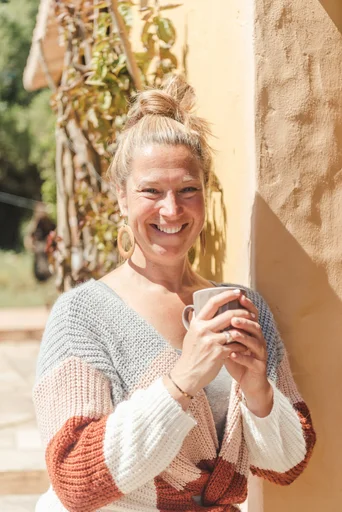
Hi my name is Lia and i am your host in this yoga journey in Portugal, Subscribe to our newsletter to receive every week the best of Yoga in Portugal.

We bring back the importance of initiation into womanhood by Roos-Veerle Krijnen & Ella-June Henrard
Welcome to the Women’s Initiation Retreat by Naked Truth Retreats, a transformative journey into the depths of your True Feminine Nature. This retreat invites you to remember the sacredness and wholeness of your being.
Roos-Veerle Krijnen & Ella-June Henrard