How to Begin Your Yoga and Meditation Journey

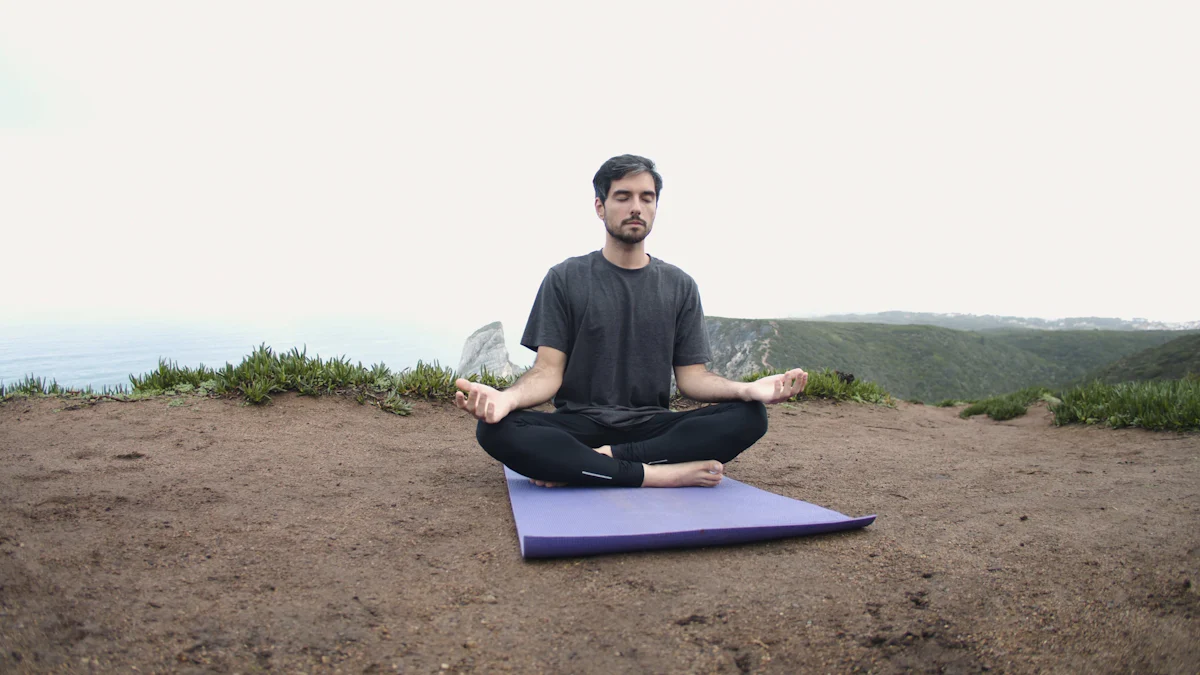
Embarking on a yoga meditation journey offers numerous benefits for both your mind and body. Regular practice can significantly enhance your flexibility, strength, and balance. It also promotes inner peace and overall well-being. Meditation, in particular, has been shown to reduce stress by 14% and improve mood and focus. Starting this journey is crucial for cultivating a healthier lifestyle. As a beginner, you might feel overwhelmed, but remember that every expert was once a novice. Embrace the process with patience and persistence, and you'll soon experience the transformative power of yoga meditation.
Understanding Yoga and Meditation
What is Yoga?
Definition and Origins
Yoga is an ancient practice that originated in India over 5,000 years ago. It combines physical postures, breathing exercises, and meditation to promote harmony between the mind and body. The word "yoga" comes from the Sanskrit word "yuj," which means to unite or join. By practising yoga, you aim to achieve a balance between your physical and mental states, leading to improved overall well-being.
Different Styles of Yoga
Yoga offers a variety of styles, each with its unique focus and benefits. Some popular styles include:
Hatha Yoga: This style is ideal for beginners. It focuses on basic postures and breathing techniques, providing a gentle introduction to yoga meditation.
Vinyasa Yoga: Known for its dynamic flow, Vinyasa synchronises movement with breath. It offers a more vigorous practice, enhancing cardiovascular health.
Ashtanga Yoga: A more intense style, Ashtanga follows a specific sequence of postures. It builds strength and flexibility through a disciplined approach.
Iyengar Yoga: This style emphasises precision and alignment. It often uses props like blocks and straps to help you achieve the correct posture.
Bikram Yoga: Practised in a heated room, Bikram consists of a set series of 26 postures. It aims to detoxify the body and improve flexibility.
Each style of yoga meditation provides unique benefits, allowing you to choose one that aligns with your personal goals and preferences.
What is Meditation?
Definition and Origins
Meditation is a practice that involves focusing your mind to achieve a state of mental clarity and emotional calmness. It has roots in ancient spiritual traditions, including Buddhism and Hinduism. By engaging in meditation, you can cultivate mindfulness, reduce stress, and enhance your overall mental health. Research has shown that regular meditation can alleviate symptoms of mental disorders and positively impact your physical health.
Types of Meditation Practices
Meditation encompasses various techniques, each offering distinct benefits:
Mindfulness Meditation: This practice encourages you to focus on the present moment without judgment. It helps increase awareness and reduce stress.
Transcendental Meditation: In this technique, you silently repeat a mantra to settle your mind into a state of profound rest. It promotes relaxation and inner peace.
Guided Meditation: Often led by a teacher or audio recording, guided meditation involves visualising calming scenes or scenarios. It aids in relaxation and stress reduction.
Loving-Kindness Meditation: This practice involves mentally sending goodwill and kindness to yourself and others. It fosters compassion and emotional well-being.
Zen Meditation: Also known as Zazen, this form of meditation involves observing your thoughts and surroundings without attachment. It enhances concentration and insight.
By exploring different meditation practices, you can find the one that resonates with you, enriching your yoga meditation journey.
Preparing for Your Yoga Meditation Journey
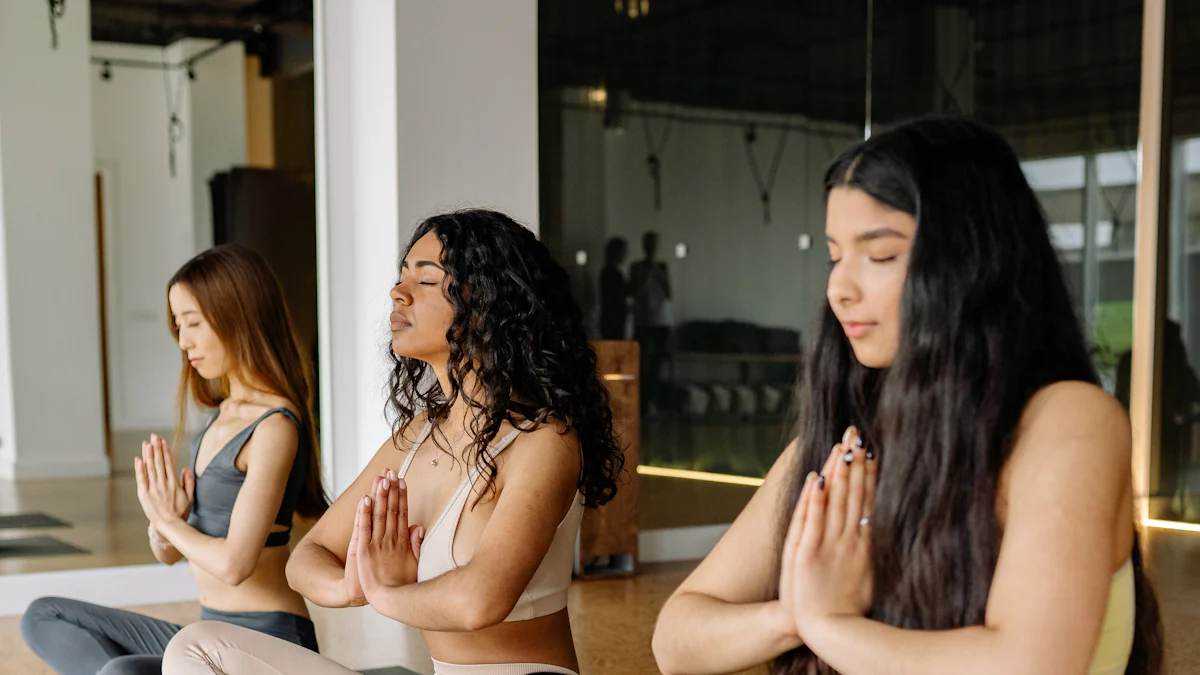
Embarking on your yoga meditation journey requires thoughtful preparation. This stage sets the foundation for a fulfilling practice, ensuring you remain motivated and focused. By setting clear intentions and creating a dedicated space, you pave the way for a transformative experience.
Setting Your Intentions
Importance of Having Clear Goals
Setting intentions in yoga meditation is crucial. It provides you with a sense of purpose and direction. When you have clear goals, you can focus your energy and efforts more effectively. Intentions act as a guiding light, helping you stay committed to your practice. They remind you why you started this journey and what you hope to achieve. Whether it's improving flexibility, reducing stress, or finding inner peace, having a defined purpose enhances your motivation.
How to Set Realistic Intentions
To set realistic intentions, start by reflecting on what you truly want from your yoga meditation practice. Consider your current lifestyle and commitments. Choose intentions that are achievable and align with your personal values. For instance, if you aim to practice yoga meditation daily, begin with short sessions and gradually increase the duration. Write down your intentions and revisit them regularly. This practice keeps you accountable and allows you to track your progress.
Creating a Dedicated Space
Choosing the Right Environment
Your environment plays a significant role in your yoga meditation journey. Select a space that is quiet and free from distractions. This could be a corner in your home or a spot in a local studio. The right environment fosters a sense of calm and focus, essential for effective practice. Ensure the space is well-ventilated and has enough room for you to move comfortably. A serene setting enhances your ability to connect with your inner self.
Essential Items for Your Practice
Equipping your space with essential items can enhance your yoga meditation experience. A quality yoga mat provides comfort and stability during poses. Props like blocks and straps can assist in achieving proper alignment, especially for beginners. Consider adding a cushion or bolster for meditation, supporting your posture and promoting relaxation. Candles or incense can create a soothing atmosphere, helping you unwind and focus. These items transform your space into a sanctuary, making each session more enjoyable and effective.
"Yoga became a significant part of my daily life, it became my safe space, my moment for reflection, release and healing."
By setting intentions and creating a dedicated space, you lay a strong foundation for your yoga meditation journey. These steps ensure you remain focused and motivated, allowing you to reap the full benefits of your practice.
Starting Your Yoga Meditation Practice
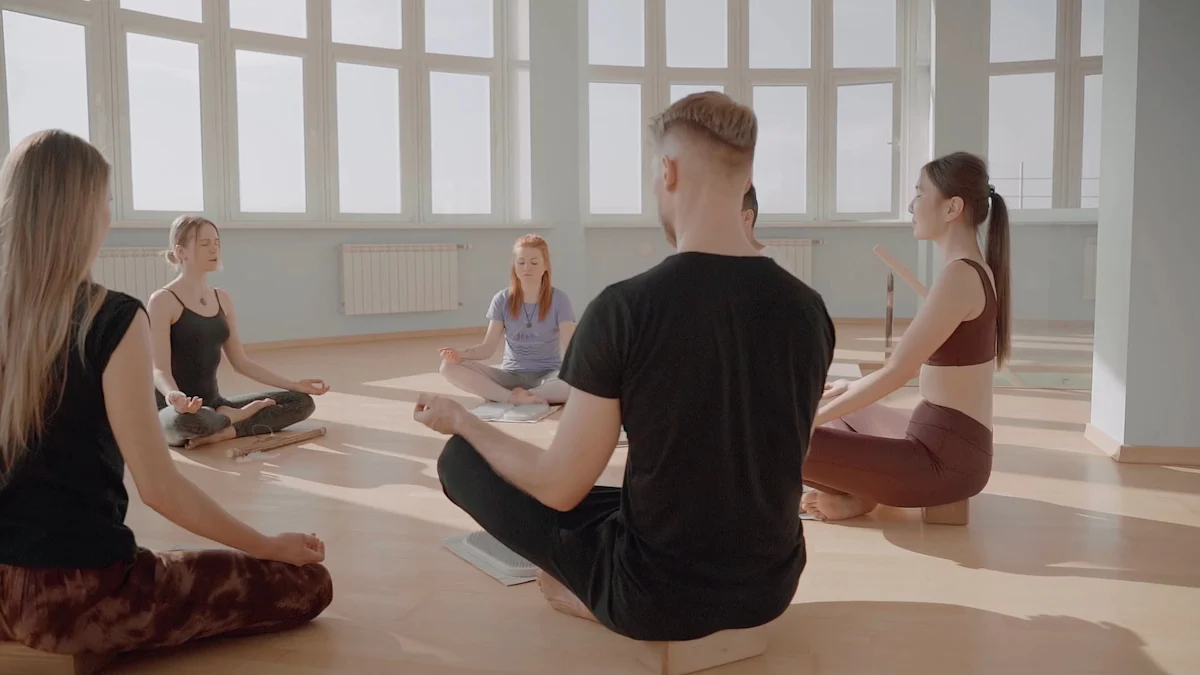
Embarking on your yoga meditation practice involves learning foundational poses and meditation techniques. These elements form the core of your journey, helping you build strength, flexibility, and mental clarity. As you begin, focus on mastering simple poses and basic meditation exercises. This approach ensures a smooth transition into more advanced practices.
Beginner Yoga Poses
Simple Poses to Start With
Starting with simple yoga poses helps you ease into the practice. These poses improve your balance and flexibility while preparing your body for more challenging postures. Here are a few beginner-friendly poses:
Mountain Pose (Tadasana): Stand tall with your feet together. Distribute your weight evenly across both feet. Keep your arms at your sides and engage your core. This pose enhances posture and balance.
Downward-Facing Dog (Adho Mukha Svanasana): Begin on your hands and knees. Lift your hips towards the ceiling, forming an inverted V-shape. Keep your hands shoulder-width apart and feet hip-width apart. This pose stretches the spine and strengthens the arms and legs.
Child's Pose (Balasana): Kneel on the floor, sit back on your heels, and stretch your arms forward. Rest your forehead on the ground. This pose promotes relaxation and gently stretches the back.
Warrior I (Virabhadrasana I): Step one foot forward and bend the knee, keeping the other leg straight behind you. Raise your arms overhead. This pose builds strength in the legs and improves focus.
Tips for Proper Alignment
Proper alignment in yoga poses is crucial for preventing injuries and maximising benefits. Here are some tips to ensure correct posture:
Engage Your Core: Activating your core muscles provides stability and support during poses.
Focus on Breath: Coordinate your movements with your breath. Inhale to lengthen and exhale to deepen into the pose.
Use Props: Blocks and straps can assist in achieving proper alignment, especially if you're new to yoga meditation.
Seek Guidance: An experienced yoga instructor can offer valuable insights and adjustments. As Rayburn, a seasoned yoga instructor, suggests, "A qualified yoga teacher can answer your questions during your class, as well as help you achieve the proper posture for each pose."
Basic Meditation Techniques
Breathing Exercises
Breathing exercises form the foundation of meditation. They help calm the mind and enhance focus. Here are some basic techniques to try:
Deep Breathing: Sit comfortably with your back straight. Inhale deeply through your nose, filling your lungs. Exhale slowly through your mouth. This exercise reduces stress and promotes relaxation.
Alternate Nostril Breathing (Nadi Shodhana): Close your right nostril with your thumb and inhale through the left. Close the left nostril with your ring finger and exhale through the right. This technique balances energy and improves concentration.
Guided Meditation Options
Guided meditation offers structured support, making it ideal for beginners. It involves following verbal instructions to achieve a state of relaxation. Consider these options:
Audio Recordings: Listen to guided meditation tracks that lead you through visualisations and breathing exercises. These recordings provide a calming experience and help you focus.
Online Classes: Join virtual meditation sessions led by experienced instructors. These classes offer real-time guidance and create a sense of community.
Incorporating these yoga meditation practices into your routine fosters physical and mental well-being. As you progress, you'll discover the transformative power of yoga meditation, enhancing your overall quality of life.
Building a Routine
Establishing a consistent routine is vital for your yoga meditation journey. It ensures you remain committed and allows you to experience the full benefits of your practice. By finding time for regular sessions and staying motivated, you can integrate yoga meditation seamlessly into your daily life.
Finding Time for Practice
Scheduling Your Sessions
Creating a schedule for your yoga meditation practice helps you prioritise it amidst your daily activities. Begin by identifying the times when you feel most energised and focused. Morning sessions can invigorate you for the day ahead, while evening practices help you unwind. Allocate specific time slots in your calendar for yoga meditation, treating them as non-negotiable appointments with yourself. Consistency is key. Regular practice, even if brief, fosters discipline and enhances your progress.
Overcoming Common Obstacles
You may encounter obstacles that hinder your yoga meditation routine. These could include time constraints, lack of motivation, or external distractions. To overcome these challenges, adopt a flexible mindset. Adjust your schedule when necessary, but ensure you return to your practice. Simplify your sessions if you're short on time. A 10-minute meditation or a few yoga poses can still be beneficial. Remember, the goal is to maintain a connection with your practice, regardless of life's demands.
Staying Motivated
Tracking Your Progress
Monitoring your progress keeps you motivated and highlights your achievements. Maintain a journal to record your yoga meditation experiences. Note any improvements in flexibility, strength, or mental clarity. Reflect on how your practice influences your mood and stress levels. This documentation serves as a reminder of your growth and encourages you to continue. As Karen, a yoga instructor, shares, “Through her yoga sessions, I was able to improve my situation with noticeable differences in my confidence and stress levels.”
Joining a Community or Class
Engaging with a community or attending classes can significantly boost your motivation. Practising with others fosters a sense of belonging and accountability. You gain support and encouragement from fellow practitioners, enhancing your commitment. Consider joining local yoga meditation groups or online classes. These platforms offer opportunities to connect with like-minded individuals and share experiences. As Andrea mentions, “Andrea makes me feel completely comfortable in her classes. Even in a large class, Andrea takes the time to provide me with individual encouragement, alternative poses, and support.”
Building a routine for your yoga meditation practice requires dedication and adaptability. By scheduling sessions, overcoming obstacles, tracking progress, and joining a community, you create a sustainable practice that enriches your life. Embrace this journey with an open heart and mind, and you'll discover the profound impact of yoga meditation on your well-being.
Overcoming Challenges
Embarking on a yoga meditation journey can present various challenges, both physical and mental. Understanding how to navigate these obstacles ensures a more fulfilling and sustainable practice. By addressing physical limitations and managing mental blocks, you can enhance your experience and reap the full benefits of yoga meditation.
Dealing with Physical Limitations
Modifications for Poses
Physical limitations should not deter you from practising yoga meditation. Many poses can be modified to accommodate different abilities and needs. For instance, if you struggle with flexibility, use props like blocks or straps to assist in achieving the correct posture. These tools provide support and help you maintain balance, allowing you to focus on the benefits of each pose. Maria P., a practitioner who experienced a real-life transformation through yoga therapy, found that adapting poses to her physical condition enabled her to progress steadily and confidently.
Use Props: Blocks and straps can help you achieve proper alignment.
Adjust Postures: Modify poses to suit your body's needs.
Seek Guidance: Consult a yoga instructor for personalised modifications.
Listening to Your Body
Listening to your body is crucial in yoga meditation. Pay attention to how each pose feels and adjust accordingly. Avoid pushing yourself beyond your limits, as this can lead to injury. Instead, focus on gradual improvement and celebrate small victories. Practising mindfulness during yoga meditation helps you become more attuned to your body's signals, promoting a safer and more effective practice.
Be Mindful: Notice how your body responds to each pose.
Avoid Overexertion: Do not push beyond your comfort zone.
Celebrate Progress: Acknowledge and appreciate small improvements.
Managing Mental Blocks
Cultivating Patience and Persistence
Mental blocks can hinder your yoga meditation journey, but cultivating patience and persistence can help you overcome them. Understand that progress takes time and that setbacks are part of the process. Embrace each session as an opportunity to learn and grow. Case 1: Anxiety Relief through Yoga Practice highlights how consistent practice led to total freedom from anxiety after one year. This case study demonstrates the power of perseverance in overcoming mental challenges.
Set Realistic Goals: Focus on achievable milestones.
Embrace Setbacks: View challenges as learning opportunities.
Stay Committed: Regular practice fosters growth and improvement.
Techniques for Maintaining Focus
Maintaining focus during yoga meditation enhances your practice and deepens your connection with the present moment. Techniques such as deep breathing and visualisation can help you stay centred. When distractions arise, gently redirect your attention to your breath or a specific point of focus. Guided meditation can also provide structure and support, making it easier to maintain concentration.
Deep Breathing: Use breath to anchor your attention.
Visualisation: Imagine calming scenes to enhance focus.
Guided Meditation: Follow verbal instructions for structured practice.
By addressing physical limitations and managing mental blocks, you create a more rewarding yoga meditation experience. Embrace the journey with an open mind and heart, and you'll discover the transformative power of yoga meditation in overcoming challenges and enhancing your well-being.
Embarking on your yoga and meditation journey offers profound benefits. You gain not only physical strength but also mental clarity and emotional balance. One practitioner shared how yoga became a vital routine, enhancing both health and business performance. As you continue, remember that each session is a step towards greater well-being. Embrace the process with gratitude and patience. Your practice nurtures your body and mind, fostering a sense of calm and contentment. Keep progressing, and you'll find that yoga and meditation become indispensable parts of your life, guiding you towards a more balanced and fulfilling existence.
See Also
Exploring the Best Yoga and Meditation Retreats in NSW
Perfecting the Crow Pose in Yoga: An Easy-to-Follow Tutorial
Exploring the Top 10 Yoga and Meditation Retreats in Thailand

Hi my name is Lia and i am your host in this yoga journey in Portugal, Subscribe to our newsletter to receive every week the best of Yoga in Portugal.

We bring back the importance of initiation into womanhood by Roos-Veerle Krijnen & Ella-June Henrard
Welcome to the Women’s Initiation Retreat by Naked Truth Retreats, a transformative journey into the depths of your True Feminine Nature. This retreat invites you to remember the sacredness and wholeness of your being.
Roos-Veerle Krijnen & Ella-June Henrard