How to Begin Your SUP Yoga Journey

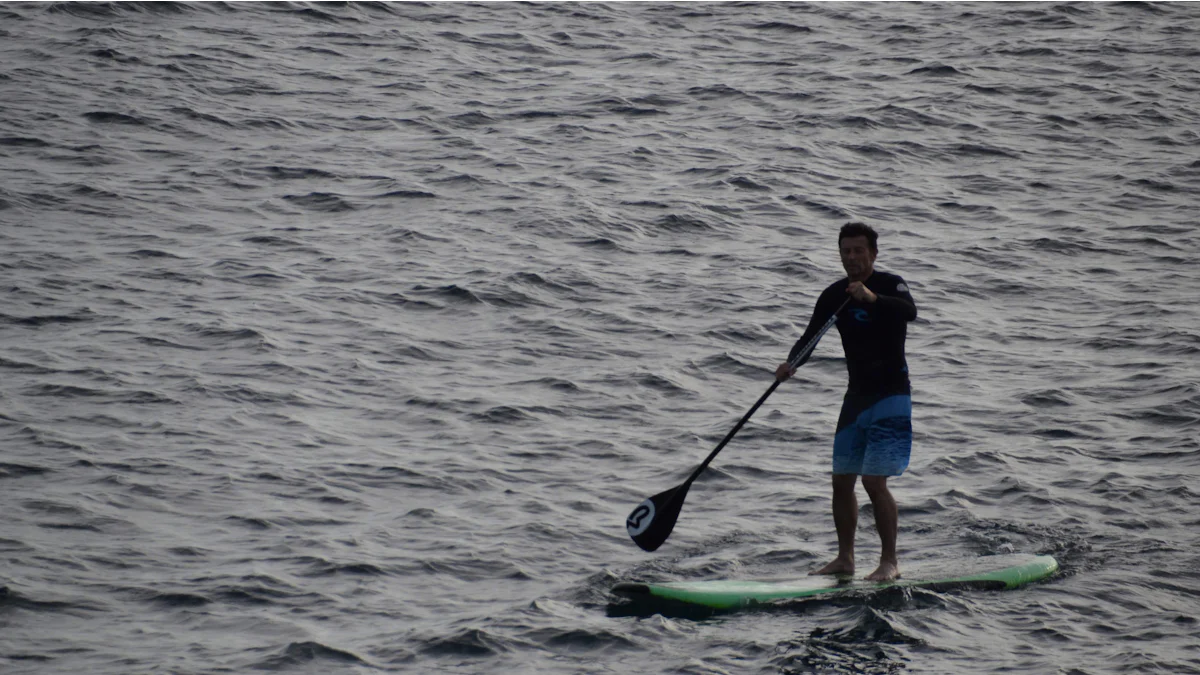
Embarking on your SUP yoga journey can be both exciting and rewarding. This unique practice combines the tranquility of yoga with the refreshing experience of being on the water. You don't need to be an expert to start; SUP yoga is beginner-friendly and easy to pick up. As you engage in this activity, you'll find it works nearly 85% of your muscles, providing a comprehensive workout for your core, arms, legs, and feet. Embrace the calming experience and discover the essentials that will set you up for a successful practice.
Understanding Basic Yoga Poses on Land
Importance of Mastering Land Yoga First
Before you dive into the world of SUP yoga, it's crucial to get comfortable with basic yoga poses on solid ground. Mastering these poses on land helps you build a strong foundation. You develop balance, flexibility, and strength, which are essential when transitioning to a paddleboard. Practicing yoga on land also allows you to focus on your breath, enhancing mindfulness and reducing anxiety. As a result, you feel more centered and prepared for the challenges of SUP yoga.
Key Poses to Practice
To set yourself up for success, start with some fundamental yoga poses. These poses not only improve your physical abilities but also boost your confidence.
Downward Dog
The Downward Dog is a staple in yoga practice. It stretches your hamstrings, calves, and shoulders while strengthening your arms and legs. This pose helps you find your balance and stability, which are vital when you're on a paddleboard.
Warrior II
Warrior II is all about strength and focus. It engages your legs, core, and arms, building endurance and concentration. Practicing this pose on land prepares you for maintaining balance on the water, where every movement counts.
Tree Pose
Tree Pose challenges your balance and concentration. By standing on one leg, you strengthen your core and improve your stability. This pose is particularly beneficial for SUP yoga, as it mimics the need to maintain balance on a moving surface.
By mastering these key poses on land, you lay the groundwork for a successful SUP yoga journey. You'll feel more confident and ready to embrace the calming experience of practicing yoga on the water.
Mastering Standup Paddleboarding
Getting the hang of standup paddleboarding (SUP) is a crucial step in your SUP yoga journey. It might seem a bit daunting at first, but with the right approach, you'll find it both fun and rewarding. Let's dive into the basics and ensure you're well-prepared for this adventure.
Basics of Paddleboarding
Choosing the Right Paddleboard
Picking the right paddleboard can make all the difference. As a beginner, you want a board that's stable and easy to maneuver. Beginner Paddle Boards are usually wide and long, offering a high volume that keeps you steady on the water. These boards often have parallel rails, which help you paddle in a straight line. This design keeps your feet dry and warm, making your experience more comfortable.
Inflatable paddle boards are a great choice for newcomers. They perform almost as well as hard boards and are easier to transport. The Retrospec Weekender 2 Inflatable Stand Up Paddle Board is an affordable option that inflates quickly and works well on calm waters. However, it's best to stick to ideal conditions until you gain more confidence.
Paddleboarding Techniques
Once you've got your board, it's time to learn some basic techniques. Start by practicing your stance. Keep your feet hip-width apart and your knees slightly bent. This position helps you maintain balance. Hold the paddle with one hand on the top and the other about halfway down the shaft. Use your core to paddle, not just your arms. This technique gives you more power and control.
When you're ready to move, start with gentle strokes. Keep your eyes on the horizon to help with balance. Remember, practice makes perfect. The more you paddle, the more comfortable you'll become.
Safety Tips for Beginners
Safety should always be a priority when you're out on the water. Here are some tips to keep in mind:
Wear a Personal Flotation Device (PFD): It's essential for your safety. Even if you're a strong swimmer, a PFD provides extra security.
Use a Leash: A coil leash keeps your board close if you fall off. It prevents the board from drifting away.
Check the Weather: Always check the weather forecast before heading out. Avoid paddling in strong winds or rough waters.
Stay Close to Shore: As a beginner, it's wise to stay near the shore. This way, you can easily return to land if needed.
By mastering these basics and following safety guidelines, you'll set a solid foundation for your SUP yoga practice. Enjoy the process and embrace the journey!
Essential SUP Yoga Gear
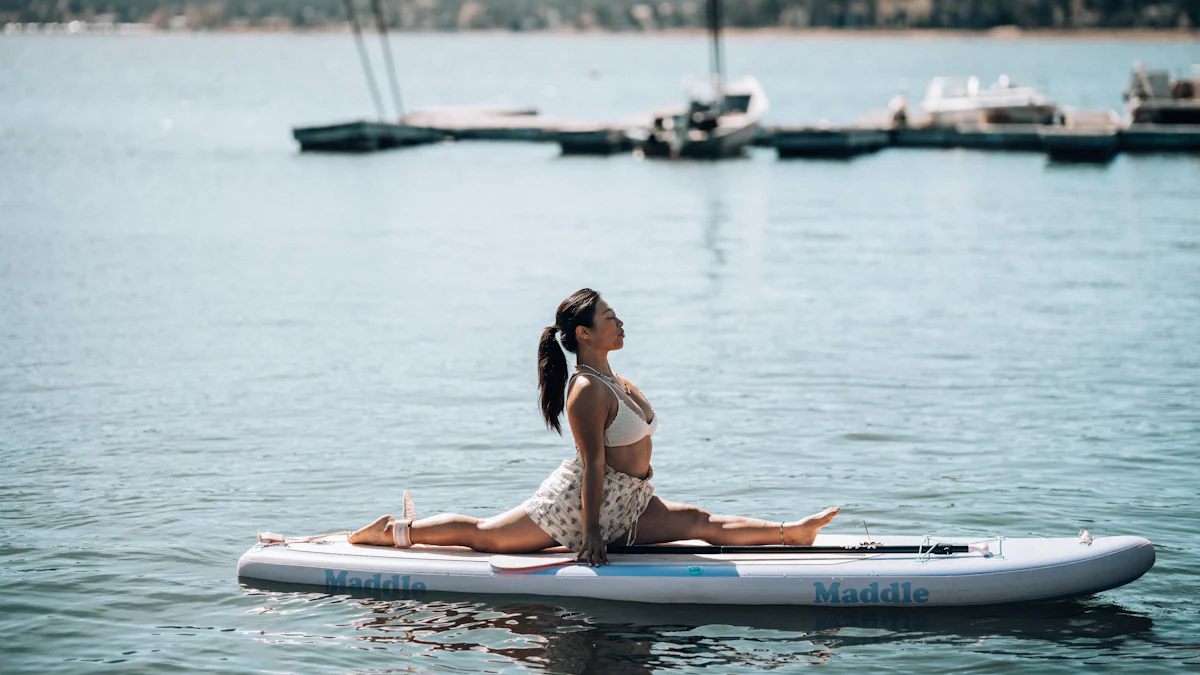
Getting the right gear is crucial for a smooth and enjoyable SUP yoga experience. Let's dive into what you'll need to get started.
Paddleboard Selection for Yoga
Choosing the right paddleboard can make a big difference in your practice. For SUP yoga, you want a board that's stable and comfortable. Inflatable Paddle Boards (iSUPs) are a popular choice because they sit higher out of the water and provide a stable deck pad for yoga poses. Look for boards like the 10'6 Komodo Inflatable Paddle Board, which offers special paddle holders to keep your paddle secure during your session. If you're looking for something specifically designed for SUP yoga, consider the Glide Lotus or O2 Lotus Board. These boards are wider and bulkier, providing a longer mat area for your practice.
Necessary Accessories
To enhance your SUP yoga experience, you'll need a few essential accessories:
Paddle
An adjustable SUP Paddle is perfect for SUP yoga. It allows you to easily switch between paddling and practicing yoga. Some boards come with special paddle holders, so you can focus on your poses without worrying about your paddle drifting away.
Anchor
An anchor is a must-have for SUP yoga. It keeps your board in place, allowing you to fully relax into your session without floating away. You can use a Paddle Board Anchor or tether your board to a floating dock or tether line for added security.
Personal Flotation Device (PFD)
Safety should always come first. A PFD is essential, especially since some lakes and parks require you to wear one. Even if you're a strong swimmer, a PFD provides extra peace of mind while you're on the water.
Other useful items include a coiled ankle leash to keep your board close if you fall in, and a dry bag to store valuables and keep them safe from water. Don't forget sunscreen, as UV rays reflect off the water, making it easy to get sunburned even on cloudy days.
With the right gear, you'll be well-prepared to enjoy the calming and invigorating experience of SUP yoga. Happy paddling!
Beginner SUP Yoga Poses
Starting your SUP yoga journey with beginner-friendly poses can help you build confidence and stability on the water. These poses are simple yet effective, allowing you to focus on balance and breathing while enjoying the serene environment.
Poses to Start With
Cat-Cow Pose
The Cat-Cow Pose is a gentle flow that warms up your spine and improves flexibility. Begin on all fours, with your hands under your shoulders and knees under your hips. Inhale as you arch your back, lifting your head and tailbone towards the sky (Cow Pose). Exhale as you round your spine, tucking your chin to your chest (Cat Pose). This movement helps you connect with your breath and find your center on the paddleboard.
Child's Pose
Child's Pose offers a moment of rest and reflection. Kneel on your board, sit back on your heels, and stretch your arms forward, lowering your forehead to the board. This pose gently stretches your back, hips, and shoulders, providing a calming effect. It’s a great way to pause and regain balance if you feel unsteady.
Seated Forward Bend
The Seated Forward Bend stretches your hamstrings and lower back. Sit with your legs extended in front of you, and slowly reach forward, aiming to touch your toes. Keep your spine long and breathe deeply. This pose encourages relaxation and helps you maintain focus, crucial for staying balanced on the water.
Benefits of Each Pose
Practicing these beginner SUP yoga poses offers numerous benefits. The Cat-Cow Pose enhances spinal flexibility and helps you synchronize movement with breath, which is essential for maintaining balance on an unstable surface. Child's Pose provides a peaceful retreat, allowing you to reset and find calmness amidst the gentle sway of the water. The Seated Forward Bend not only stretches your muscles but also promotes mindfulness, helping you stay present and aware of your surroundings.
"SUP yoga is a total body workout that engages your core, legs, and upper body muscles. Balancing on the water requires you to activate your core muscles constantly, making every yoga pose more challenging and effective."
By incorporating these poses into your SUP yoga practice, you engage your entire body, improve flexibility, and enhance your overall yoga skills. The unstable surface of the paddleboard forces you to work harder, highlighting any imbalances and encouraging you to refine your technique. As you progress, you'll notice improvements in strength, balance, and concentration, both on the water and back on land.
Tips for Joining a SUP Yoga Class
Finding the Right Class
Finding the right SUP yoga class can set the tone for your entire experience. Start by researching local options. Look for classes that cater to beginners if you're new to SUP yoga. Check online reviews and ask for recommendations from friends or local yoga studios. Consider the location of the class. A serene lake or calm bay provides an ideal setting for SUP yoga. You want a peaceful environment to enhance your practice.
What to Expect in Your First Class
Your first SUP yoga class might feel a bit daunting, but knowing what to expect can ease your nerves. Classes typically begin with a short paddle to warm up. Instructors will guide you through basic poses, focusing on balance and breathing. Don't worry about falling in; it's part of the fun and learning process. Wear comfortable, water-friendly clothing. Bring a towel and sunscreen. Most importantly, keep an open mind and enjoy the experience.
Building Confidence in Group Settings
Building confidence in a group setting takes time, but it's achievable. Remember, everyone was a beginner once. Focus on your own practice and progress. Celebrate small victories, like holding a pose longer or feeling more stable on the board. Engage with fellow participants. Sharing experiences and tips can boost your confidence. Over time, you'll feel more comfortable and enjoy the camaraderie of practicing SUP yoga with others.
Progressing in Your SUP Yoga Practice
As you continue your SUP yoga journey, you'll want to see progress and set new challenges for yourself. This section will guide you on how to advance your practice effectively.
Setting Personal Goals
Setting personal goals is crucial for growth in SUP yoga. Start by identifying what you want to achieve. Do you want to improve your balance, master a specific pose, or increase your time on the water? Write down your goals and break them into smaller, manageable steps. For example, if your goal is to hold a pose longer, focus on increasing your hold time by a few seconds each session. Celebrate your achievements, no matter how small. This positive reinforcement keeps you motivated and engaged.
Tracking Your Progress
Tracking your progress helps you stay on course and recognize improvements. Keep a journal of your SUP yoga sessions. Note the poses you practiced, the conditions on the water, and how you felt during and after your practice. Reflect on any challenges you faced and how you overcame them. This record will show you how far you've come and highlight areas for improvement. You can also take photos or videos of your practice. Visual feedback can be incredibly motivating and provide a clear picture of your progress.
Exploring Advanced Poses
Once you feel comfortable with beginner poses, it's time to explore more advanced options. Advanced poses challenge your balance and strength, pushing you to new heights. Start with poses like the Crow Pose or Headstand. These require focus and core strength, making them perfect for SUP yoga. Remember to take it slow and listen to your body. Falling is part of the learning process, so embrace it and learn from each attempt. As you explore advanced poses, you'll deepen your connection with the water and nature. SUP yoga forces you to adapt to the environment, teaching you to "go with the flow" and accept the conditions. This mindset not only enhances your practice but also enriches your overall experience.
By setting goals, tracking your progress, and exploring advanced poses, you'll continue to grow in your SUP yoga journey. Enjoy the process and the unique connection with nature that SUP yoga offers.
Starting your SUP yoga journey involves a few key steps. First, master basic yoga poses on land to build a strong foundation. Then, get comfortable with standup paddleboarding. Regular practice will enhance your skills and enjoyment. Remember, SUP yoga isn't just about the physical workout; it's a chance to connect with nature and find peace on the water. Joining a class or community can provide support and camaraderie. You'll meet like-minded individuals who share your passion for this unique practice. Embrace the journey, and enjoy the benefits of improved balance, strength, and mindfulness.
See Also
Starting Your Yoga Practice From The Comfort Of Home
Kickstart Your 30-Day Yoga Challenge As A Newbie
A Comprehensive Guide For Beginners At Yoga Alam Sutera

Hi my name is Lia and i am your host in this yoga journey in Portugal, Subscribe to our newsletter to receive every week the best of Yoga in Portugal.

We bring back the importance of initiation into womanhood by Roos-Veerle Krijnen & Ella-June Henrard
Welcome to the Women’s Initiation Retreat by Naked Truth Retreats, a transformative journey into the depths of your True Feminine Nature. This retreat invites you to remember the sacredness and wholeness of your being.
Roos-Veerle Krijnen & Ella-June Henrard