How to Become a Yoga Instructor in the UK: A Step-by-Step Guide

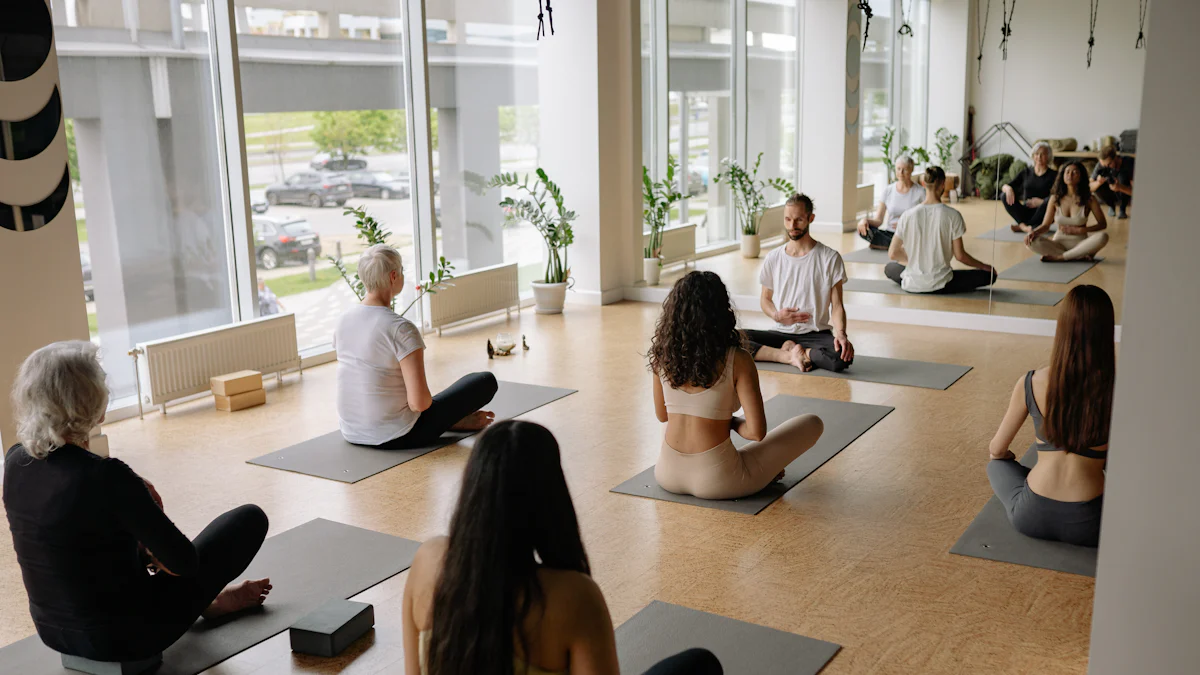
Becoming a yoga instructor offers a fulfilling career path. You guide others in achieving physical and mental well-being. In the UK, yoga's popularity has soared. Over 460,000 Brits practise yoga weekly, contributing to a sector worth over £800 million. With more than 4,900 yoga studios nationwide, the demand for skilled instructors is high. As you embark on this journey, you'll find numerous yoga instructor jobs available. These roles allow you to share your passion and expertise, making a positive impact on people's lives.
Understanding the Role of a Yoga Instructor
Responsibilities and Duties
As a yoga instructor, you hold a pivotal role in guiding students through their yoga journey. Your responsibilities extend beyond just demonstrating poses.
Teaching Classes
You lead classes with clarity and confidence. Each session requires you to demonstrate poses, guide breathing exercises, and ensure students maintain proper alignment. You adapt your teaching style to suit different skill levels, ensuring everyone benefits from the class. Flexibility in your approach is crucial. As Origym highlights, being able to adapt classes and swap out poses that don’t work for particular students is an essential skill.
Developing Lesson Plans
Creating lesson plans forms a significant part of your duties. You design sequences that cater to the needs of your students, incorporating a variety of poses and techniques. This planning ensures that each class is structured and purposeful. You also consider the physical and mental goals of your students, tailoring sessions to help them achieve these objectives.
Skills and Qualities Required
To excel as a yoga instructor, you need a blend of skills and personal qualities. These attributes enable you to connect with students and deliver effective instruction.
Communication Skills
Effective communication is vital. You must convey instructions clearly and provide feedback that encourages and motivates students. Your ability to listen and respond to student queries enhances their learning experience. Good communication fosters a supportive and inclusive environment, making students feel valued and understood.
Physical Fitness
Physical fitness is another key requirement. You need to demonstrate poses accurately and maintain stamina throughout classes. Your fitness level inspires confidence in your students, showing them the benefits of regular practice. Additionally, maintaining your own practice keeps you engaged and passionate about yoga.
Insure4Sport emphasises the importance of enthusiasm in yoga instruction. Enthusiasm stems from a genuine interest in yoga, ensuring you remain passionate and committed to your role. This passion is contagious, encouraging students to engage fully in their practice.
By understanding these responsibilities and honing these skills, you position yourself as an effective and inspiring yoga instructor.
Qualifications and Training
Basic Qualifications
Educational Background
To embark on your journey as a yoga instructor, you don't need a specific educational background. However, having a foundation in health, fitness, or anatomy can be beneficial. These subjects provide insights into the human body, enhancing your ability to guide students safely through poses. If you have a background in these areas, you may find it easier to understand the physical aspects of yoga.
Personal Practice Experience
Your personal practice experience plays a crucial role in becoming a yoga instructor. Regular practice helps you develop a deep understanding of yoga's principles and techniques. It allows you to experience the benefits firsthand, which you can then share with your students. Aim to practice consistently, exploring different styles and approaches. This diversity enriches your teaching and broadens your perspective on yoga.
Yoga Teacher Training Programmes
Choosing the Right Programme
Selecting the right yoga teacher training programme is a pivotal step. Look for programmes that align with your goals and interests. Consider factors such as the style of yoga, the reputation of the instructors, and the curriculum offered. Research thoroughly and read reviews from past participants. A well-chosen programme will provide you with the knowledge and skills needed to teach effectively.
Accreditation and Certification
Accreditation and certification are essential when choosing a training programme. Ensure the programme is accredited by a recognised body, such as Yoga Alliance. Accreditation adds credibility to your qualifications and assures potential employers of your competence. Upon completion, you'll receive a certification that demonstrates your ability to teach yoga professionally. This certification is often required to obtain insurance and secure teaching positions.
By meeting these qualifications and completing a reputable training programme, you lay a solid foundation for your career as a yoga instructor. Your dedication to learning and personal growth will shine through in your teaching, inspiring your students to embrace yoga with enthusiasm.
Gaining Experience
Practical Teaching Experience
Gaining practical teaching experience is crucial for your development as a yoga instructor. It allows you to apply your knowledge and refine your teaching skills in real-world settings.
Volunteering Opportunities
Volunteering offers a fantastic way to gain experience. You can volunteer at community centres, schools, or wellness events. These opportunities allow you to teach diverse groups, enhancing your adaptability and understanding of different student needs. Volunteering also helps you build connections within the yoga community, which can lead to future job opportunities.
Teaching at Local Studios
Teaching at local studios provides valuable experience and exposure. Many studios offer opportunities for new instructors to lead classes or assist experienced teachers. This experience helps you understand studio dynamics and student expectations. It also allows you to receive feedback from seasoned instructors, which is invaluable for your growth.
Building a Portfolio
Creating a portfolio showcases your skills and experience. It serves as a visual and written record of your journey as a yoga instructor.
Documenting Classes
Documenting your classes is an essential part of building your portfolio. You can take photos or videos of your sessions, highlighting your teaching style and the atmosphere you create. These visuals provide potential employers or clients with a glimpse into your classes. They also serve as a personal record of your progress and achievements.
Gathering Testimonials
Testimonials from students add credibility to your portfolio. They offer insights into your teaching effectiveness and the impact you have on your students. For example, Emma Petitt found that adding a testimonials page to her website created a helpful resource for potential students. Similarly, Jeff Phenix received praise for his inspirational and transformational teaching style:
"You are an amazing yoga teacher, Jeff. I just experienced the most inspirational, creative, vibrant and deeply transformational yoga retreat with you. I feel wonderful, energised and inspired on my yoga journey."
Gathering testimonials like these can enhance your reputation and attract more students. Encourage your students to share their experiences, and include these testimonials in your portfolio to demonstrate your impact as a yoga instructor.
Establishing Your Yoga Business

Setting Up a Studio
Creating your own yoga studio involves several key considerations. You need to focus on location, space, equipment, and supplies to ensure a welcoming and functional environment for your students.
Location and Space Considerations
Choosing the right location is crucial for your studio's success. You should look for a space that is easily accessible and visible to potential clients. Consider areas with high foot traffic or proximity to complementary businesses like gyms or wellness centres. The space itself should be spacious enough to accommodate your classes comfortably. Ensure there is adequate ventilation and natural light to create a calming atmosphere. A well-chosen location can significantly enhance your studio's appeal and attract more students.
Equipment and Supplies
Equipping your studio with the right supplies is essential for providing quality classes. You will need yoga mats, blocks, straps, and bolsters to support various poses and practices. Consider investing in high-quality equipment that will last and provide comfort to your students. Additionally, you may want to include sound systems for music and mirrors to help students with alignment. Having the right equipment ensures that your classes run smoothly and that students have a positive experience.
Marketing and Promotion
Promoting your yoga business effectively is key to attracting and retaining students. You need to build an online presence and network with other instructors to reach a wider audience.
Building an Online Presence
In today's digital age, having a strong online presence is vital. Create a professional website that showcases your studio, classes, and schedule. Use social media platforms like Instagram and Facebook to engage with potential students and share updates. Regularly post content that reflects your studio's ethos and offerings. Consider writing a blog or creating videos to provide value and establish yourself as an expert in the field. An active online presence helps you connect with a broader audience and build a community around your studio.
Networking with Other Instructors
Networking with fellow yoga instructors can open up new opportunities for your business. Attend yoga workshops, events, and conferences to meet other professionals in the industry. Collaborate with instructors to host joint classes or workshops, which can introduce you to their student base. Building relationships with other instructors can lead to referrals and partnerships that benefit your studio. Networking helps you stay informed about industry trends and enhances your reputation within the yoga community.
Legal Vision advises that understanding lease agreements and securing adequate insurance coverage are essential steps in establishing a legally sound yoga studio. Compliance with employment law and data protection regulations is also crucial for running a successful business.
By carefully considering these aspects, you can establish a thriving yoga business that attracts and retains students. Your dedication to creating a welcoming environment and promoting your studio effectively will contribute to your success as a yoga instructor.
Legal and Financial Considerations
Insurance and Liability
As a yoga instructor in the UK, you must consider insurance and liability to protect yourself and your business. Understanding the types of insurance needed and your legal responsibilities will help you operate safely and professionally.
Types of Insurance Needed
Public Liability Insurance: This insurance covers you if a student gets injured during a class or if you accidentally damage property. It is essential for protecting yourself against claims and ensuring peace of mind.
Professional Indemnity Insurance: This type of insurance protects you if a student claims that your advice or instruction caused them harm. It covers legal costs and compensation, safeguarding your reputation and finances.
Employer’s Liability Insurance: If you employ staff, this insurance is a legal requirement. It covers claims made by employees who suffer injury or illness due to their work.
Business Equipment Insurance: This insurance covers the cost of replacing or repairing equipment used in your classes, such as mats and blocks, in case of theft or damage.
Insurance and Legal Recommendations for Yoga Teachers in the UK suggest registering with yoga associations and complying with legal regulations to enhance your credibility and ensure compliance with industry standards.
Legal Responsibilities
Operating as a yoga instructor involves several legal responsibilities. You must register with HMRC for tax purposes and ensure compliance with GDPR when handling student data. If you plan to play music during classes, obtaining a music licence is necessary. Additionally, if you work with vulnerable groups, such as children, a DBS check may be required.
Legal Requirements and Business Considerations for Yoga Instructors highlight the importance of planning permission if you intend to run a studio from home or a new location. Ensuring you meet these legal obligations will help you run a successful and compliant yoga business.
Understanding Salary Expectations
Understanding salary expectations is crucial for setting realistic financial goals as a yoga instructor. Several factors influence your income, and knowing how to set your rates will help you achieve financial stability.
Factors Influencing Income
Experience and Qualifications: More experienced instructors with advanced qualifications often command higher rates. Specialising in a particular style or offering unique classes can also increase your earning potential.
Location: Teaching in urban areas or affluent neighbourhoods may allow you to charge more due to higher demand and living costs.
Class Size and Frequency: Larger classes or more frequent sessions can boost your income. Offering private lessons or workshops can also provide additional revenue streams.
Reputation and Networking: Building a strong reputation and networking with other instructors can lead to more opportunities and referrals, enhancing your earning potential.
Setting Your Rates
When setting your rates, consider your costs, such as studio rental, equipment, and insurance. Research local market rates to ensure your prices are competitive yet reflective of your expertise. Offering introductory rates or package deals can attract new students and encourage long-term commitment.
By understanding these legal and financial considerations, you can establish a secure and prosperous career as a yoga instructor. Prioritising insurance, meeting legal obligations, and setting appropriate rates will contribute to your success and longevity in the industry.
Exploring Yoga Instructor Jobs
Embarking on a career as a yoga instructor opens up a world of opportunities. You can find diverse roles that allow you to share your passion for yoga and make a positive impact on others. This section will guide you through finding job opportunities and advancing your career in the yoga industry.
Finding Opportunities
Job Boards and Listings
To begin your search for yoga instructor jobs, explore online job boards and listings. Websites like Indeed, Glassdoor, and specialised yoga job platforms often feature vacancies for yoga instructors. These platforms allow you to filter jobs by location, experience level, and type of yoga. Regularly checking these listings increases your chances of finding a suitable position. Additionally, subscribing to job alerts ensures you receive notifications about new openings.
Networking and Referrals
Networking plays a crucial role in discovering yoga instructor jobs. Attend yoga workshops, retreats, and industry events to connect with fellow instructors and studio owners. Building relationships within the yoga community can lead to referrals and job offers. Many employers prefer hiring through recommendations, as it assures them of your skills and reliability. Engage with yoga groups on social media platforms to expand your network and stay informed about job opportunities.
Yoga Instructors often highlight the importance of networking. They emphasise that connecting with others in the industry can open doors to new opportunities and collaborations. Employers value instructors who can contribute positively to their team and adapt to various teaching environments.
Advancing Your Career
Specialisation and Further Training
To advance your career as a yoga instructor, consider specialising in a particular style or aspect of yoga. Pursuing further training in areas like prenatal yoga, yoga therapy, or advanced asana practice can set you apart from other instructors. Specialisation enhances your expertise and allows you to cater to specific student needs. Many training programmes offer certifications that add credibility to your qualifications and increase your employability.
Building a Reputation
Building a strong reputation is essential for career advancement. Focus on delivering high-quality classes and creating a positive experience for your students. Encourage feedback and continuously improve your teaching methods. Positive testimonials from students can enhance your reputation and attract more clients. Consider creating an online presence through a personal website or social media platforms. Sharing your yoga journey, insights, and achievements can establish you as an authority in the field.
Yoga Instructors often face questions about their teaching style and ability to handle diverse client needs. Demonstrating passion, adaptability, and effective communication skills can significantly boost your reputation. Employers seek instructors who can inspire and engage students, making these qualities invaluable in your career progression.
By actively seeking opportunities and focusing on career advancement, you can thrive as a yoga instructor. Your dedication to personal growth and professional development will pave the way for a successful and fulfilling career in the yoga industry.
Becoming a yoga instructor in the UK involves several key steps. You start by understanding the role, acquiring necessary qualifications, gaining practical experience, and establishing your business. Each step builds your skills and confidence, preparing you for a rewarding career. Pursuing a career in yoga offers personal growth and the chance to inspire others. Stay committed to your journey and embrace continuous learning. For additional support, consider resources like the Yoga Teacher Lesson Plan Kit, which previous students have praised for its insightful tips on enhancing teaching skills.
See Also
Guide on Becoming a Yoga Teacher in the UK
Your Complete Guide to Yoga in Primrose Hill, London
Discover the Best Yoga in Leamington Spa

Hi my name is Lia and i am your host in this yoga journey in Portugal, Subscribe to our newsletter to receive every week the best of Yoga in Portugal.

We bring back the importance of initiation into womanhood by Roos-Veerle Krijnen & Ella-June Henrard
Welcome to the Women’s Initiation Retreat by Naked Truth Retreats, a transformative journey into the depths of your True Feminine Nature. This retreat invites you to remember the sacredness and wholeness of your being.
Roos-Veerle Krijnen & Ella-June Henrard