What Are the Basics of Vinyasa Yoga?

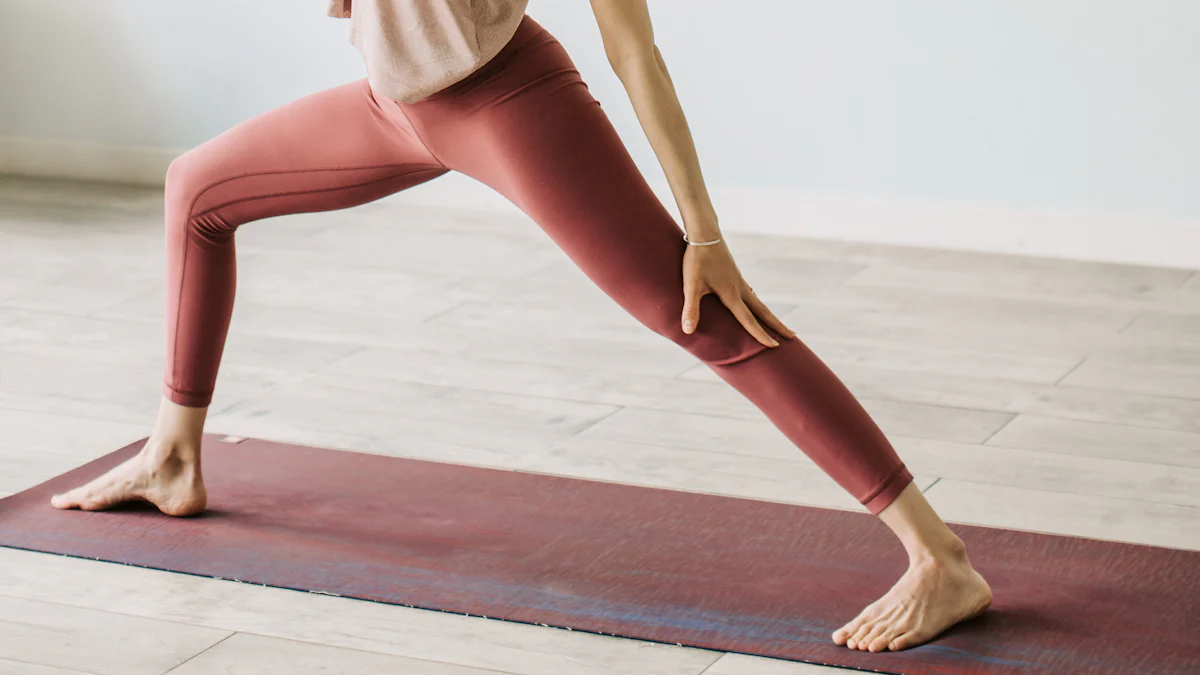
Vinyasa Yoga offers a dynamic practice that links movement with breath, creating a seamless flow. This style of yoga emphasises two core principles: flow and synchronisation. You will find that each movement aligns with your breath, making it central to the practice. Vinyasa in yoga is immensely popular, especially in countries like the United States, India, and the United Kingdom. This popularity stems from its ability to cater to various fitness levels and preferences, providing both physical and mental benefits. As you engage in Vinyasa Yoga, you will experience a dance-like quality that enhances mindfulness and relaxation.
Understanding Vinyasa Yoga
Definition and Origins
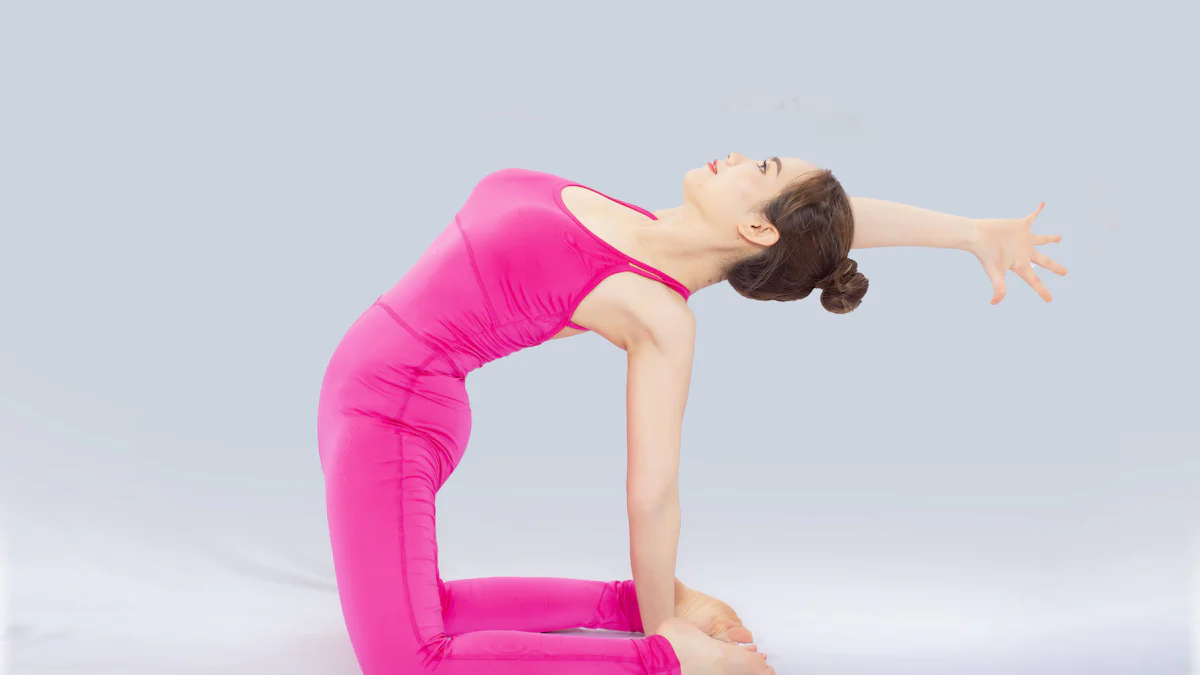
Vinyasa in yoga represents a style that seamlessly connects postures through the rhythm of your breath. This practice, rooted in ancient Indian traditions, has evolved over centuries. It combines the physical aspects of yoga with a meditative focus on breathing. The term "vinyasa" itself means "to place in a special way," highlighting the intentional and mindful nature of this practice. As you engage in vinyasa in yoga, you will find a harmonious blend of movement and breath, creating a fluid and dynamic experience.
Core Principles of Vinyasa
Flow
Flow is a fundamental principle of vinyasa in yoga. It involves transitioning smoothly from one pose to another, creating a continuous sequence. This flow mirrors the natural rhythm of your breath, allowing you to move with grace and ease. The practice often resembles a dance, where each movement is deliberate and purposeful. By focusing on flow, you enhance your physical coordination and develop a deeper connection with your body.
Breath Synchronisation
Breath synchronisation is central to vinyasa in yoga. Each movement aligns with an inhalation or exhalation, making your breath the guiding force of the practice. This synchronisation fosters mindfulness, as you become more aware of your breathing patterns. Studies have shown that vinyasa yoga can relieve tension and improve mood by encouraging mindfulness. By concentrating on your breath, you cultivate a sense of calm and presence, reducing stress and promoting relaxation.
The Role of Vinyasa in Yoga
Vinyasa in yoga plays a significant role in enhancing both physical and mental well-being. It offers a comprehensive workout that improves cardiovascular fitness, flexibility, and strength. Research indicates that vinyasa yoga can effectively promote weight loss and build muscle strength through its dynamic movements. Moreover, the practice encourages focus and self-discipline, helping you develop a balanced lifestyle. By incorporating vinyasa in yoga into your routine, you can experience a range of benefits that contribute to a healthier and more fulfilling life.
Benefits of Vinyasa Yoga
Physical Benefits
Improved Flexibility
Engaging in vinyasa in yoga significantly enhances your flexibility. The continuous flow of movements stretches and elongates your muscles, allowing you to move more freely. As you practice regularly, you will notice an increase in your range of motion. This improvement not only benefits your yoga practice but also enhances your daily activities. By incorporating vinyasa in yoga into your routine, you can achieve a more supple and agile body.
Enhanced Strength
Vinyasa in yoga is a powerful tool for building strength. The dynamic sequences require you to support your body weight in various poses, engaging multiple muscle groups. Over time, this practice strengthens your core, arms, and legs. You will find that your endurance improves as well. According to Quincéy Xavier, a DC-based coach and yoga instructor, vinyasa yoga provides a wealth of physical benefits. By committing to this practice, you can develop a stronger and more resilient body.
Mental and Emotional Benefits
Stress Reduction
Practising vinyasa in yoga offers a natural way to reduce stress. The focus on breath synchronisation helps calm your mind and release tension. As you move through the sequences, you become more present and aware, allowing stress to melt away. This practice encourages relaxation and promotes a sense of peace. By dedicating time to vinyasa in yoga, you can cultivate a calmer and more balanced state of mind.
Increased Mindfulness
Vinyasa in yoga enhances your mindfulness by encouraging you to connect with your breath and body. Each movement requires your full attention, fostering a deeper awareness of the present moment. This mindfulness extends beyond the mat, positively impacting your daily life. You become more attuned to your thoughts and emotions, leading to improved mental clarity. By embracing vinyasa in yoga, you can develop a greater sense of mindfulness and self-awareness.
"Vigorous yoga has many benefits," as noted by experts, highlighting the extensive research supporting the advantages of cardio exercise. Vinyasa in yoga, with its dynamic and fluid nature, aligns perfectly with these findings, offering both physical and mental rewards.
Vinyasa Yoga vs Other Yoga Styles
Comparison with Hatha Yoga
When you explore different yoga styles, you will notice distinct characteristics that set them apart. Vinyasa Yoga and Hatha Yoga offer unique experiences. Vinyasa focuses on a continuous flow of poses, synchronised with your breath. This style creates a dynamic and fluid practice. In contrast, Hatha Yoga emphasises individual postures with breaks in between. You will find that Hatha Yoga moves at a slower pace, allowing you to hold each pose longer. This approach helps you build strength and flexibility gradually.
In Vinyasa, the pace is faster, and the transitions between poses are seamless. You engage in a more vigorous workout, enhancing your cardiovascular fitness. Hatha Yoga, on the other hand, provides a more restorative experience. It focuses on stretching and relaxation, making it ideal for beginners or those seeking a gentler practice. Both styles emphasise controlled breathing, but Vinyasa requires greater breath integration due to its quicker transitions.
Comparison with Ashtanga Yoga
Ashtanga Yoga shares similarities with Vinyasa, yet it maintains its distinct identity. Both styles incorporate flowing sequences and breath synchronisation. However, Ashtanga follows a specific sequence of poses, known as the Primary Series. You will practice the same set of poses in every session, promoting discipline and consistency. Vinyasa, in contrast, offers more flexibility. You can experience varied sequences tailored to your needs and preferences.
Ashtanga Yoga is known for its energetic and active nature. It demands endurance and strength, challenging you physically. Vinyasa, while also dynamic, allows for more creativity in its sequences. You can explore different poses and transitions, making each practice unique. Ashtanga's structured approach appeals to those who enjoy routine and predictability. Vinyasa attracts practitioners who appreciate variety and adaptability in their yoga journey.
Is Vinyasa Yoga Suitable for Beginners?
What Beginners Can Expect
As a beginner stepping into the world of Vinyasa Yoga, you will find a welcoming environment that encourages exploration and growth. Teachers in Vinyasa classes focus on guiding you through the practice without expecting perfection. Your willingness to learn and explore how your body and mind respond to movement is what truly matters. This makes Vinyasa Yoga an ideal choice for both beginners and seasoned practitioners.
In your initial classes, you will encounter a series of flowing movements that link each pose with your breath. This dynamic style helps stretch and elongate your muscles while simultaneously building strength. As Rebecca Wallace notes, "the continual flowing movements of Vinyasa yoga help stretch and elongate your muscles while they are being strengthened, allowing you greater mobility and range of motion." You will gradually notice improvements in your flexibility and strength, enhancing your overall mobility.
Common Concerns and Tips
Starting a new practice can bring about concerns, but understanding these can ease your journey into Vinyasa Yoga. One common worry is the pace of the class. You might feel that the sequences move quickly. However, remember that it's perfectly acceptable to move at your own pace. Focus on your breath and let it guide your movements. Over time, you will become more comfortable with the flow.
Another concern is the complexity of poses. As a beginner, you may find some poses challenging. It's important to listen to your body and modify poses as needed. Use props like blocks or straps to support your practice. Teachers often provide variations to accommodate different levels, so don't hesitate to ask for guidance.
Here are some tips to enhance your Vinyasa Yoga experience:
Start with Beginner Classes: Look for classes specifically designed for beginners. These classes will introduce you to foundational poses and breath techniques.
Focus on Breath: Your breath is your anchor. Concentrate on synchronising your breath with each movement to maintain focus and calmness.
Be Patient: Progress takes time. Celebrate small achievements and be patient with yourself as you develop your practice.
Stay Consistent: Regular practice will help you build confidence and improve your skills. Aim to practice a few times a week to see noticeable benefits.
By embracing these tips and approaching your practice with an open mind, you will find that Vinyasa Yoga offers a rewarding journey of self-discovery and personal growth.
How to Start Practising Vinyasa Yoga
Finding a Class
Embarking on your Vinyasa Yoga journey begins with finding the right class. You have several options to explore:
Local Yoga Studios: Visit nearby yoga studios and inquire about their Vinyasa classes. Many studios offer beginner-friendly sessions, allowing you to ease into the practice. Attending a class in person provides the benefit of direct guidance from experienced instructors.
Online Platforms: If you prefer practising at home, explore online platforms that offer Vinyasa Yoga classes. Websites and apps provide a wide range of classes, catering to different skill levels. You can choose from live sessions or pre-recorded videos, giving you the flexibility to practise at your own pace.
Community Centres: Check out community centres or gyms in your area. They often host yoga classes, including Vinyasa, at affordable rates. These classes offer a supportive environment where you can connect with fellow practitioners.
When selecting a class, consider the instructor's experience and teaching style. Look for reviews or recommendations to ensure a positive learning experience. Remember, the right class will make your introduction to Vinyasa Yoga enjoyable and rewarding.
Home Practice Tips
Practising Vinyasa Yoga at home offers convenience and flexibility. Here are some tips to help you get started:
Create a Dedicated Space: Designate a quiet and clutter-free area in your home for your practice. A peaceful environment enhances focus and relaxation.
Gather Essential Props: Equip yourself with a yoga mat, blocks, and straps. These props support your practice and help you modify poses as needed.
Set a Routine: Establish a regular practice schedule. Consistency is key to progress. Aim for at least three sessions per week to experience noticeable benefits.
Follow Online Classes: Utilise online resources to guide your practice. Many platforms offer beginner-friendly Vinyasa sequences. Follow along with videos to ensure proper alignment and technique.
Listen to Your Body: Pay attention to your body's signals. Modify poses if necessary and avoid pushing yourself too hard. Practising with mindfulness prevents injury and promotes a positive experience.
Focus on Breath: Remember, breath is central to Vinyasa Yoga. Concentrate on synchronising your breath with each movement. This focus enhances mindfulness and deepens your practice.
By incorporating these tips, you can cultivate a fulfilling home practice. Vinyasa Yoga offers a dynamic and engaging experience, whether in a class or at home. Embrace the journey and enjoy the numerous benefits it brings to your physical and mental well-being.
Exploring Vinyasa Yoga can be a transformative journey for you. This practice offers immense potential for personal growth and well-being. As you engage in Vinyasa Yoga, you will notice improvements in flexibility and strength, as highlighted by practitioners like Rebecca Wallace. To begin, consider attending a class or trying a home practice. Vinyasa Yoga's adaptability ensures it suits all levels, from beginners to seasoned yogis. Embrace this dynamic practice and experience the harmonious blend of movement and breath, enhancing both your physical and mental health.
See Also
How to Choose the Perfect Yoga Class for Newbies
Exploring the Meaning and History of Yoga Asanas
An In-Depth Look at Yoga Poses and Terminology

Hi my name is Lia and i am your host in this yoga journey in Portugal, Subscribe to our newsletter to receive every week the best of Yoga in Portugal.

We bring back the importance of initiation into womanhood by Roos-Veerle Krijnen & Ella-June Henrard
Welcome to the Women’s Initiation Retreat by Naked Truth Retreats, a transformative journey into the depths of your True Feminine Nature. This retreat invites you to remember the sacredness and wholeness of your being.
Roos-Veerle Krijnen & Ella-June Henrard