How to Balance Your Root Chakra with Yoga


Chakras represent the energy centers within your body, each playing a vital role in your physical and emotional health. Among these, the root chakra stands as the foundation. It anchors you, providing stability and security. When balanced, it empowers you to face life's challenges with confidence. Yoga offers a powerful way to harmonize your chakras. By engaging in a root chakra yoga sequence, you can enhance your vitality and energy levels. This practice not only strengthens your body but also alleviates anxiety and stress, fostering a sense of well-being.
Understanding the Root Chakra

Definition and Location
What is the Root Chakra?
The root chakra, also known as the Muladhara, serves as the foundation of your energy system. It represents your connection to the earth and embodies the essence of survival and grounding. This chakra is the first of the seven chakras and plays a crucial role in your overall well-being. When you focus on balancing this chakra, you cultivate a sense of stability and security in your life.
Where is it located in the body?
You can find the root chakra at the base of your spine, near the tailbone. This location anchors you physically and energetically, connecting you to the earth's energy. By understanding its position, you can better visualize and engage with practices that promote balance and harmony within this energy center.
Significance of the Root Chakra
Role in physical and emotional health
The root chakra influences both your physical and emotional health. Physically, it governs the lower part of your body, including the legs, feet, and lower back. An imbalance in this chakra might manifest as digestive issues or lower back pain. Emotionally, it affects your feelings of safety and security. When balanced, you feel grounded and stable, ready to face life's challenges with confidence.
Connection to feelings of safety and security
Your root chakra is deeply connected to your sense of safety and security. When this chakra is in harmony, you experience a profound sense of belonging and trust in the world around you. You feel secure in your environment and confident in your ability to meet your basic needs. This stability allows you to pursue your goals and dreams without fear or hesitation. Balancing your root chakra empowers you to live a life filled with purpose and resilience.
Identifying Imbalances in the Root Chakra
Symptoms of an Imbalanced Root Chakra
Physical symptoms
When your root chakra falls out of balance, your body often sends clear signals. You might experience discomfort in your lower back or hips. Digestive issues can also arise, as the root chakra governs the lower part of your body. Fatigue and a lack of energy may become your constant companions. These physical symptoms serve as a wake-up call, urging you to pay attention to your body's foundational energy center.
Emotional symptoms
Emotionally, an imbalanced root chakra can leave you feeling ungrounded and insecure. You might struggle with anxiety or fear, finding it difficult to trust the world around you. A sense of instability can pervade your life, making it challenging to focus on your goals. You may feel disconnected from your surroundings, lacking the confidence to pursue your dreams. Recognizing these emotional symptoms is the first step toward restoring balance and reclaiming your sense of security.
Causes of Imbalance
Lifestyle factors
Several lifestyle factors can contribute to an imbalanced root chakra. A sedentary lifestyle, for instance, can disrupt the flow of energy in your body. Spending too much time indoors or disconnected from nature can also weaken your connection to the earth. Poor dietary choices, such as consuming processed foods, may further exacerbate the imbalance. By addressing these lifestyle factors, you can begin to restore harmony to your root chakra.
Emotional and psychological factors
Emotional and psychological factors play a significant role in root chakra imbalances. Stress and unresolved trauma can create blockages in this energy center. Negative thought patterns and self-doubt may also contribute to the imbalance. It's essential to address these underlying issues to promote healing and balance. Engaging in practices like mindfulness and meditation can help you release emotional baggage and cultivate a sense of inner peace.
"Understanding how to unblock the root chakra is crucial for maintaining overall well-being." This insight highlights the importance of addressing both physical and emotional symptoms to achieve balance. By recognizing the causes of imbalance, you empower yourself to take proactive steps toward healing and transformation.
Root Chakra Yoga Sequence
How Yoga Affects the Chakras
Connection between yoga and energy flow
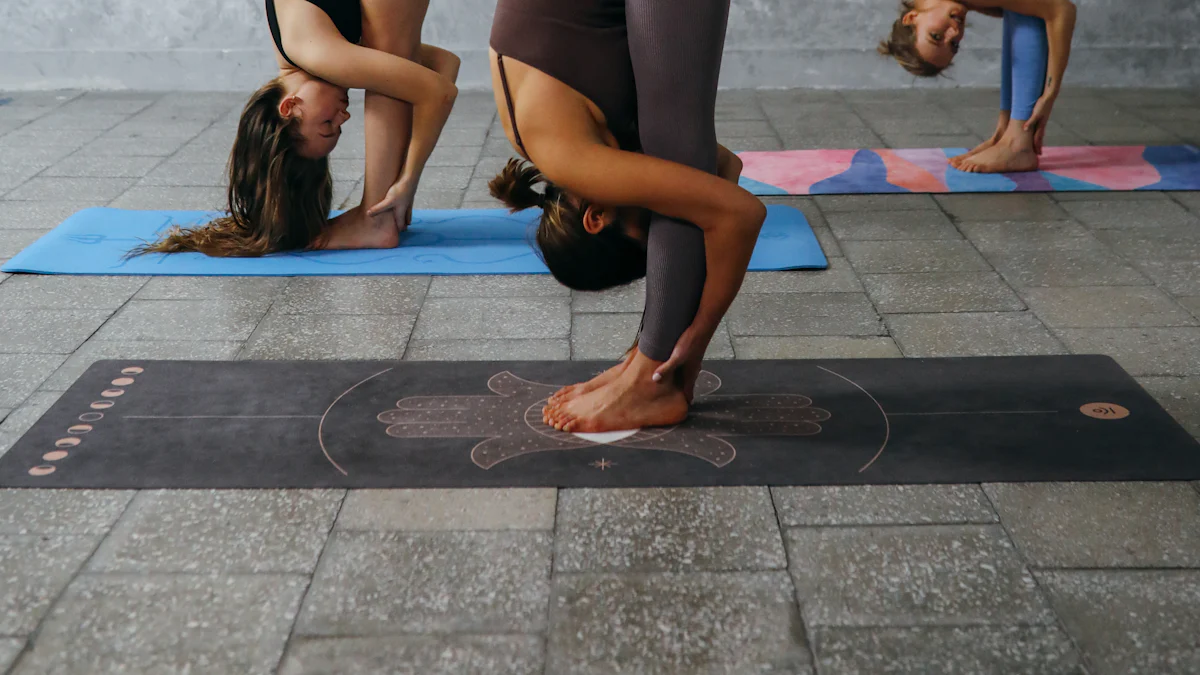
Yoga serves as a bridge to connect your physical body with your energetic self. Each pose you practice influences the flow of energy within your chakras. When you engage in yoga, you stimulate these energy centers, promoting balance and harmony. The root chakra, located at the base of your spine, benefits immensely from this practice. By focusing on grounding poses, you can enhance your connection to the earth, fostering a sense of stability and security.
Benefits of yoga for chakra alignment
Yoga offers numerous benefits for aligning your chakras. It helps release blockages and encourages the free flow of energy throughout your body. As you practice, you cultivate awareness and mindfulness, which are essential for maintaining balance. Yoga not only strengthens your physical body but also nurtures your emotional and spiritual well-being. By incorporating a root chakra yoga sequence into your routine, you empower yourself to face life's challenges with confidence and resilience.
Specific Yoga Poses for the Root Chakra
Mountain Pose (Tadasana)
Mountain Pose, or Tadasana, is a foundational pose that grounds you firmly to the earth. Stand tall with your feet hip-width apart, and distribute your weight evenly. This pose encourages a strong connection to your root chakra, promoting stability and balance. As you hold this pose, visualize energy flowing from the ground up through your body, anchoring you in the present moment.
Warrior Pose (Virabhadrasana)
Warrior Pose, known as Virabhadrasana, embodies strength and courage. Begin by stepping one foot forward and bending your knee, keeping the other leg straight behind you. This powerful stance activates your root chakra, enhancing your sense of security and confidence. As you hold the pose, focus on your breath and feel the energy radiating through your legs, grounding you to the earth.
Tree Pose (Vrksasana)
Tree Pose, or Vrksasana, challenges your balance and concentration. Stand on one leg and place the sole of your other foot against your inner thigh or calf. This pose strengthens your connection to the root chakra by encouraging stability and focus. Imagine yourself as a tree, with roots extending deep into the ground, providing support and nourishment. This visualization helps you cultivate a sense of grounding and inner peace.
Various Yoga Experts emphasize the importance of these poses in balancing the root chakra. They highlight how each pose contributes to a stable foundation, both physically and energetically. By practicing these poses regularly, you can enhance your overall well-being and foster a deeper connection to your root chakra.
Incorporating Yoga into Daily Routine
Creating a Consistent Practice
Setting a regular schedule
Establishing a regular yoga practice can transform your life. Begin by setting a specific time each day for your yoga routine. Consistency is key. Whether you choose morning or evening, stick to your schedule. This commitment helps you build a habit, making it easier to maintain over time. You might find that starting with just 15 minutes a day can lead to profound changes in your energy and mood.
Tips for maintaining motivation
You might also consider joining a yoga class or community. Sharing your journey with others can provide encouragement and accountability.
Complementary Practices
Meditation and mindfulness
Incorporating meditation and mindfulness into your routine enhances the benefits of yoga. Begin with a few minutes of deep breathing before or after your yoga session. Focus on your breath and let go of any distractions. This practice centers your mind and prepares you for the day ahead. Mindfulness encourages you to stay present, allowing you to fully experience each moment. Over time, you'll notice increased clarity and peace in your daily life.
Grounding exercises
Grounding exercises complement your yoga practice by strengthening your connection to the earth. Spend time outdoors, walking barefoot on grass or sand. Feel the earth beneath your feet and visualize roots extending from your body into the ground. This simple exercise can restore balance to your root chakra. Gardening or spending time in nature also provides grounding benefits. These activities remind you of your connection to the natural world, fostering a sense of stability and security.
David Williams, a renowned yoga practitioner, emphasizes the importance of a consistent practice. He continued practicing all four original Ashtanga Yoga series until he was about 45 years old. His dedication serves as an inspiration for those seeking to incorporate yoga into their daily lives. By following his example, you can create a routine that supports your physical and emotional well-being.
Additional Tips for Root Chakra Balance
Diet and Nutrition
Foods that support the root chakra
To nurture your root chakra, focus on foods that ground and stabilize you. Incorporate root vegetables like carrots, potatoes, and beets into your meals. These foods connect you to the earth's energy, promoting balance and security. Protein-rich foods such as beans, nuts, and lean meats also support this chakra by providing strength and vitality. Whole grains like brown rice and oats offer sustained energy, helping you feel anchored throughout the day.
Importance of hydration
Staying hydrated plays a crucial role in maintaining root chakra balance. Water acts as a conduit for energy flow, ensuring that your body's systems function optimally. Aim to drink at least eight glasses of water daily. This practice not only supports your physical health but also enhances your emotional stability. Proper hydration helps you stay grounded and focused, allowing you to face challenges with clarity and confidence.
Lifestyle Adjustments
Importance of nature and outdoor activities
Spending time in nature strengthens your connection to the root chakra. Engage in outdoor activities like hiking, gardening, or simply walking barefoot on grass. These experiences ground you, fostering a sense of stability and security. Nature provides a sanctuary where you can recharge and reconnect with your inner self. Embrace the healing power of the natural world to restore balance to your root chakra.
Lisa Elsworth, a chakra expert, observed that clients who feel secure in their family life often have a balanced root chakra. This insight highlights the importance of nurturing your connection to nature and loved ones.
Building a supportive environment
Creating a supportive environment enhances root chakra balance. Surround yourself with people who uplift and encourage you. Cultivate spaces that promote peace and security, whether at home or work. Incorporate elements like plants, crystals, or calming colors to create a harmonious atmosphere. A supportive environment empowers you to thrive, providing the foundation you need to pursue your goals with confidence.
By integrating these dietary and lifestyle adjustments, you can foster a balanced root chakra. Embrace these practices to cultivate a sense of grounding and stability in your life. As you nurture your root chakra, you empower yourself to face life's challenges with resilience and grace.
Balancing your root chakra is crucial for achieving overall well-being and stability. When you focus on this energy center, you enhance your physical health, mental clarity, and emotional stability. You feel grounded and secure, ready to face life's challenges with confidence.
To achieve these benefits, incorporate yoga and other practices into your daily routine. Engage in grounding exercises, meditation, and mindful eating. These activities nurture your root chakra, fostering a sense of belonging and connection.
Embrace these practices to cultivate a balanced life filled with resilience and grace. Your journey toward chakra balance begins today.
See Also
Mastering Root Chakra Yoga Flows Successfully
Efficient Yoga Positions to Balance Svadhisthana Chakra
Mastering Yin Yoga for Complete Relaxation

Hi my name is Lia and i am your host in this yoga journey in Portugal, Subscribe to our newsletter to receive every week the best of Yoga in Portugal.

We bring back the importance of initiation into womanhood by Roos-Veerle Krijnen & Ella-June Henrard
Welcome to the Women’s Initiation Retreat by Naked Truth Retreats, a transformative journey into the depths of your True Feminine Nature. This retreat invites you to remember the sacredness and wholeness of your being.
Roos-Veerle Krijnen & Ella-June Henrard