Discover Atha Yoga Anushasanam and Its Meaning

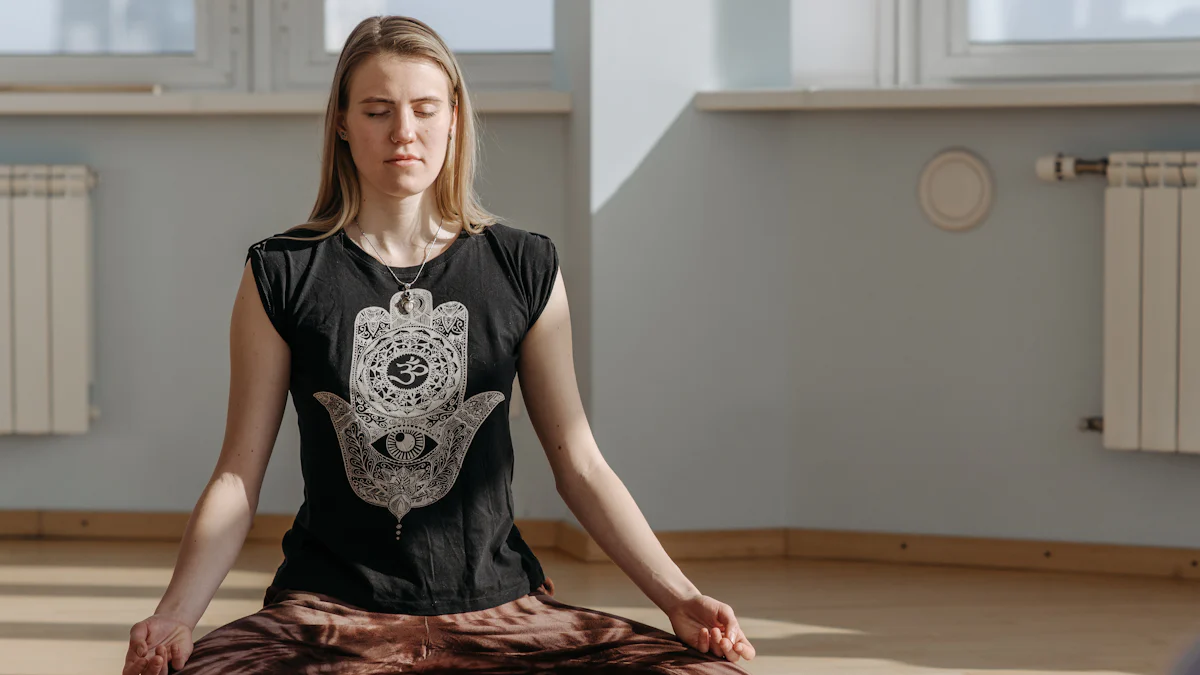
Have you ever wondered what "Atha Yoga Anushasanam" truly means? This phrase translates to "Now, the discipline of Yoga." It marks the moment when you consciously decide to embark on your yoga journey. The word "Atha" emphasizes the present moment, urging you to begin your practice right now. "Anushasanam" highlights the structured approach to yoga, guiding you through systematic teachings. Together, these words invite you to explore self-discovery and transformation in your life.
Key Takeaways
Embrace the present moment: 'Atha' reminds you that now is the perfect time to start your yoga journey.
Understand yoga as a holistic practice: It's not just about physical postures; it's about self-discipline and personal growth.
Commit to a structured approach: 'Anushasanam' emphasizes the importance of discipline in your practice for meaningful transformation.
Set clear intentions: Reflect on your goals for each practice to create a roadmap for your yoga journey.
Cultivate mindfulness: Focus on the 'now' to enhance your awareness and deepen your connection with your practice.
Recognize the historical significance: Understanding the roots of 'Atha Yoga Anushasanam' enriches your yoga experience and appreciation.
Apply yoga principles in daily life: Integrate the teachings of yoga into your interactions and routines for holistic well-being.
Understanding Atha Yoga Anushasanam
The Meaning of 'Atha'
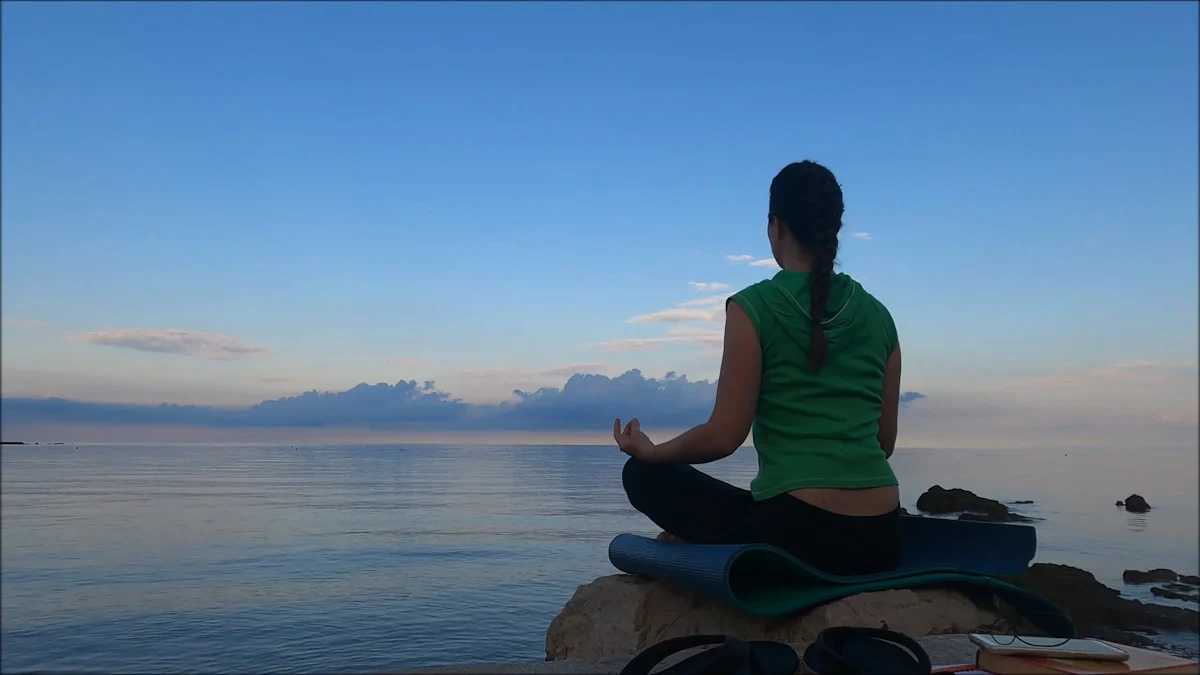
When you hear the word Atha, think of the present moment. This simple term carries a profound message. It tells you that now is the time to begin your journey into yoga. Patanjali, the father of yoga, emphasizes this idea in his teachings. He suggests that Atha is not just a starting point; it signifies your readiness and capability to engage with yoga. You stand at the threshold of discovery, prepared to explore the depths of your practice.
The Meaning of 'Yoga'
Next, let’s dive into the meaning of Yoga. Many people associate yoga with physical postures or asanas. However, yoga encompasses much more. It represents a systematic approach to self-discipline and awareness. The practice invites you to connect your mind, body, and spirit. As you engage in yoga, you cultivate a deeper understanding of yourself. This holistic perspective allows you to experience life more fully. Remember, yoga is not just about the poses; it’s about the journey of self-discovery and personal growth.
The Meaning of 'Anushasanam'
Finally, we arrive at Anushasanam. This term refers to a structured and systematic teaching. It highlights the importance of discipline in your yoga practice. When you embrace Anushasanam, you commit to following a path that leads to greater awareness and understanding. This discipline helps you navigate the complexities of life with grace. By incorporating Anushasanam into your practice, you create a solid foundation for growth and transformation.
The Importance of Atha Yoga Anushasanam in Yoga Philosophy
Historical Context
Understanding the historical context of Atha Yoga Anushasanam enriches your yoga practice. This phrase serves as the opening line of Patanjali's Yoga Sutras, a foundational text dating back to around 400 B.C.. The sutras provide a comprehensive guide to the philosophy and practices of yoga. They mark the beginning of your journey toward self-discovery and transformation. By recognizing this historical significance, you appreciate how ancient wisdom shapes modern practices.
Connection to Patanjali's Yoga Sutras
When you delve into Patanjali's Yoga Sutras, you find that Atha Yoga Anushasanam is not just a phrase; it’s a profound invitation. The first lesson in these sutras emphasizes the importance of starting your yoga journey in the present moment. This opening line encapsulates the essence of yoga as a systematic approach to self-discipline. It encourages you to embrace the teachings that follow, guiding you through the complexities of life with clarity and purpose.
"The Yoga Sutras begin with the phrase: 'Atha Yoga Anuśāsanam' – 'अथ योगानुशासनम्'." This statement highlights the significance of being present as you embark on your practice.
Philosophical Implications
The philosophical implications of Atha Yoga Anushasanam extend beyond mere words. This phrase embodies a complete philosophy of life. It teaches you that yoga is accessible at any moment, emphasizing the importance of discipline and mastery. You learn that the journey of yoga is not just about physical postures; it’s about cultivating awareness and understanding in every aspect of your life.
By embracing Atha Yoga Anushasanam, you commit to a path of growth and transformation. You recognize that each moment offers an opportunity to deepen your practice and connect with your true self. This philosophy encourages you to live mindfully, reminding you that the present moment is where your journey begins.
How Atha Yoga Anushasanam Influences Yoga Practice
Setting Intentions in Practice
Setting intentions plays a crucial role in your yoga practice. When you embrace Atha Yoga Anushasanam, you recognize the importance of starting with a clear purpose. This phrase encourages you to focus on what you want to achieve during your practice. Whether it’s finding peace, building strength, or enhancing flexibility, intentions guide your journey.
To set your intentions effectively, consider these steps:
Reflect: Take a moment to think about what you hope to gain from your practice.
Articulate: Write down your intentions. This act solidifies your commitment.
Visualize: Picture yourself achieving these goals during your practice.
By doing this, you create a roadmap for your yoga journey. You align your mind and body, making your practice more meaningful.
The Concept of 'Now' in Mindfulness
The concept of 'now' is central to mindfulness. When you practice Atha Yoga Anushasanam, you learn to appreciate the present moment. This awareness helps you let go of distractions and focus on your breath and movements.
Mindfulness allows you to experience each pose fully. You become aware of how your body feels and how your mind reacts. This connection deepens your practice and enhances your overall well-being.
As you cultivate mindfulness, you may notice changes in your daily life. You start to approach challenges with a calm mind. You respond to situations rather than react impulsively. This shift leads to greater clarity and peace.
The Role of Discipline in Yoga
Discipline is essential in yoga. Atha Yoga Anushasanam emphasizes the need for a structured approach. When you commit to a regular practice, you build resilience and strength. Discipline helps you stay focused on your intentions and goals.
Consider these aspects of discipline in your practice:
Consistency: Make yoga a regular part of your routine. Even short sessions can be beneficial.
Commitment: Stay dedicated to your intentions. Remind yourself why you started.
Patience: Understand that growth takes time. Celebrate small victories along the way.
By embracing discipline, you create a solid foundation for your yoga journey. You open yourself up to self-discovery and transformation.
Practical Applications of Atha Yoga Anushasanam for Modern Practitioners

Incorporating 'Atha' into Daily Life
You can easily bring the essence of Atha into your daily routine. Start by practicing mindfulness in small moments. When you wake up, take a few deep breaths and remind yourself that today is a new opportunity. This simple act grounds you in the present. Throughout your day, pause before responding to challenges. Tune into your body and breath. This practice helps you respond with intention rather than reacting impulsively.
In my own journey, “Atha Yoga Anushasanam” has served as a valuable touchstone. Stepping onto my mat with present moment awareness feels like I’m entering a sanctuary far away from life’s chaos. By anchoring in the present, you nurture readiness and embrace lifelong learning. This creates fertile ground for inner growth and transformation.
Understanding 'Yoga' Beyond Asanas
Many people think of yoga as just physical postures. However, yoga encompasses much more. It represents a holistic approach to self-discipline and awareness. You can explore yoga beyond the mat by integrating its principles into your life.
Consider how you can apply the teachings of yoga in your interactions with others. Practice compassion and understanding. Approach conflicts with a calm mind. This shift in perspective allows you to experience life more fully. Remember, yoga is about the journey of self-discovery and personal growth.
Rohit Arya beautifully captures this idea: “Atha Yoga Anushasanam. And now yoga. So discipline leads to self-mastery which keeps me in yoga, which keeps me in the now.” This statement highlights how the dimensions of yoga—physical, emotional, mental, and spiritual—intertwine in your daily life.
Embracing 'Anushasanam' in Personal Growth
Discipline plays a crucial role in your personal growth. Embracing Anushasanam means committing to a structured approach in your practice. Set clear goals for yourself. Whether it’s improving your flexibility or cultivating patience, having a plan helps you stay focused.
You can also apply this discipline outside of yoga. Create routines that support your well-being. This might include regular exercise, healthy eating, or dedicated time for self-reflection. By incorporating Anushasanam into your life, you build a solid foundation for growth and transformation.
The sage Patanjali invites you to go through the Exposition of Atha Yoga Anushasana to make you happy, peaceful, and calm, ultimately leading to a beautiful and balanced life. This wisdom encourages you to embrace the journey of self-discovery and transformation at every moment.
Common Misconceptions About Atha Yoga Anushasanam
Misunderstanding the Term 'Yoga'
Many people think of yoga as just a series of physical poses. This view limits the true essence of yoga. The phrase Atha Yoga Anushasanam opens the door to a broader understanding. It signifies that yoga encompasses various practices, including Hatha Yoga, Bhakti Yoga, Jnyana Yoga, and Raja Yoga. Each of these paths emphasizes self-discipline and mastery. When you embrace this wider perspective, you unlock the potential for personal growth and transformation.
"The Yoga Sutras describe the philosophy, practice, and principles of yoga."
This wisdom reminds you that yoga is not merely about flexibility or strength. It’s about connecting your mind, body, and spirit.
Overlooking the Importance of 'Now'
You might find yourself caught up in past regrets or future worries. This tendency distracts you from the present moment. The term Atha serves as a gentle reminder to focus on now. It encourages you to start your yoga journey at this very moment.
When you practice mindfulness, you cultivate awareness of your thoughts and feelings. This awareness helps you appreciate the beauty of the present. Remember, every moment offers a chance for growth. By embracing Atha, you open yourself to new experiences and insights.
Ignoring the Role of Discipline
Discipline often gets a bad rap. You might associate it with strict rules or limitations. However, Anushasanam teaches you that discipline is essential for progress. It provides structure and guidance in your yoga practice.
Consider how discipline impacts your daily life. When you commit to a regular practice, you build resilience and strength. You learn to stay focused on your intentions and goals.
Here are some ways to embrace discipline in your yoga journey:
Create a Routine: Set aside specific times for your practice. Consistency helps you stay committed.
Set Clear Goals: Define what you want to achieve. Whether it’s mastering a pose or cultivating patience, having a goal keeps you motivated.
Celebrate Progress: Acknowledge your achievements, no matter how small. This recognition fuels your desire to continue growing.
By understanding the importance of discipline, you lay a solid foundation for your yoga practice. You invite transformation into your life, one mindful moment at a time.
In summary, Atha Yoga Anushasanam marks the beginning of your yoga journey. It emphasizes the importance of being present and disciplined. You learn that yoga is not just about physical postures; it’s a holistic approach to self-discovery and transformation. By embracing this philosophy, you open yourself to growth in every moment. Remember, each practice invites you to connect with your true self and live mindfully. So, step onto your mat with intention and commitment, and let the journey unfold.
FAQ
What is the significance of 'Atha Yoga Anushasanam'?
Atha Yoga Anushasanam marks the beginning of your journey into self-discovery and transformation. This phrase emphasizes that every moment offers a chance to engage with yoga deeply. It invites you to embrace the practice fully, reminding you that growth starts now.
What does 'Atha Yoga Anushasanam' translate to in English?
In English, Atha Yoga Anushasanam translates to "Now, the practice of Yoga begins." This translation captures the essence of being present and ready to embark on your yoga journey. It highlights the importance of starting your practice in the moment.
What sentiment starts the whole text of the Yoga Sutras?
The sentiment that opens the Yoga Sutras is Atha Yoga Anushasanam. This phrase sets the tone for the entire text, emphasizing the significance of beginning your practice with awareness and intention. It serves as a reminder to approach yoga with a fresh perspective.
What is the opening line of the Yoga Sutras?
The opening line of the Yoga Sutras is Atha Yoga Anushasanam. This line encapsulates the essence of yoga philosophy, inviting you to engage with the teachings that follow. It encourages you to be present and disciplined as you explore the depths of yoga.
How can I apply the concept of 'Atha' in my daily life?
You can incorporate the concept of Atha by practicing mindfulness throughout your day. Start each morning with a few deep breaths, grounding yourself in the present moment. Whenever you face challenges, pause and focus on your breath. This practice helps you respond thoughtfully rather than react impulsively.
Why is discipline important in yoga practice?
Discipline plays a crucial role in your yoga journey. It provides structure and guidance, helping you stay committed to your intentions. By embracing discipline, you build resilience and strength, allowing you to deepen your practice and experience personal growth.
Can I practice yoga without physical postures?
Absolutely! Yoga extends beyond physical postures. It encompasses a holistic approach to self-discipline and awareness. You can explore yoga through meditation, breathwork, and mindful living. Each of these practices contributes to your overall well-being and self-discovery.
How does 'Anushasanam' relate to personal growth?
Anushasanam emphasizes the importance of a structured approach in your practice. By setting clear goals and routines, you create a solid foundation for personal growth. This discipline helps you stay focused and committed to your journey, leading to meaningful transformation.
What are some common misconceptions about yoga?
Many people mistakenly view yoga as merely a series of physical poses. This narrow perspective overlooks the broader essence of yoga, which includes mental, emotional, and spiritual practices. Remember, yoga is about connecting your mind, body, and spirit, fostering a deeper understanding of yourself.
How can I set intentions for my yoga practice?
To set intentions effectively, follow these steps:
Reflect: Think about what you hope to achieve during your practice.
Articulate: Write down your intentions to solidify your commitment.
Visualize: Picture yourself achieving these goals as you practice.
By setting clear intentions, you create a roadmap for your yoga journey, making your practice more meaningful.
See Also
Exploring Yoga: Its Meaning Explained in Hindi
Unraveling the Philosophy of Ishta Yoga
Uncovering the Wellness Advantages of Danda Yoga

Hi my name is Lia and i am your host in this yoga journey in Portugal, Subscribe to our newsletter to receive every week the best of Yoga in Portugal.

We bring back the importance of initiation into womanhood by Roos-Veerle Krijnen & Ella-June Henrard
Welcome to the Women’s Initiation Retreat by Naked Truth Retreats, a transformative journey into the depths of your True Feminine Nature. This retreat invites you to remember the sacredness and wholeness of your being.
Roos-Veerle Krijnen & Ella-June Henrard