How ASMR Transforms Your Yoga Routine for Relaxation

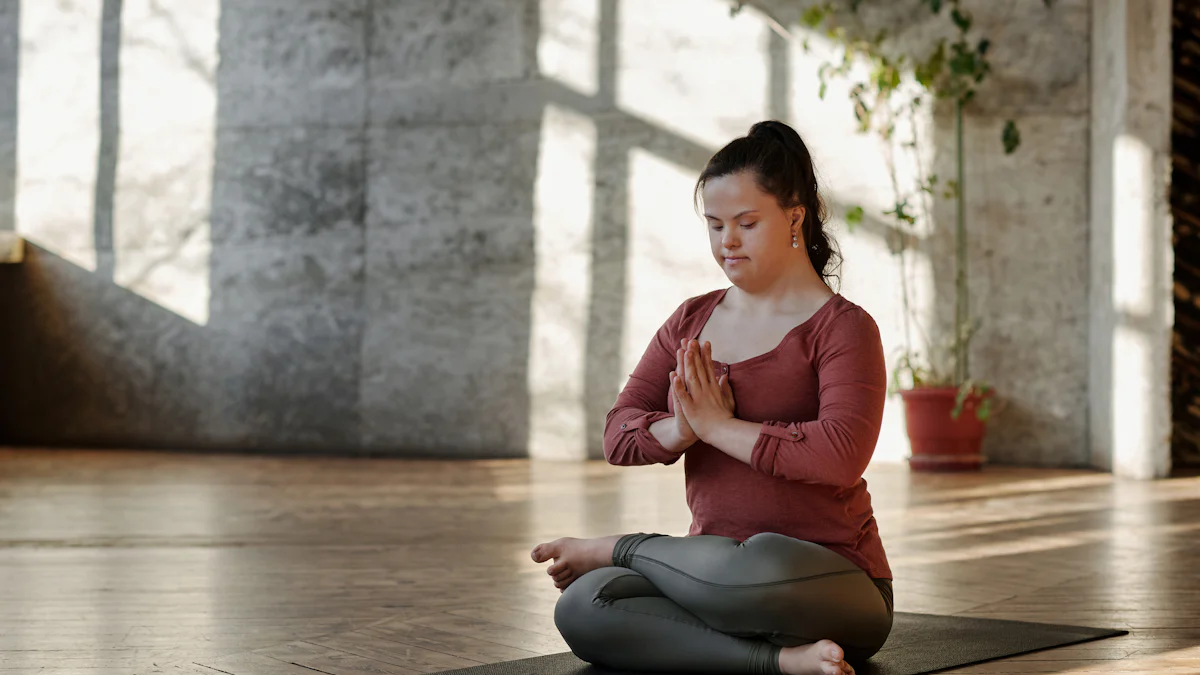
Imagine stepping onto your yoga mat and experiencing an instant sense of tranquility. This is the beauty of incorporating ASMR into your yoga routine. ASMR, celebrated for its calming properties, enhances your yoga practice by easing stress and silencing mental distractions. Through gentle whispers, soft tapping, or soothing sounds, ASMR yoga creates a peaceful environment that allows you to fully connect with your breath and movements. This harmonious combination turns your yoga routine into a serene retreat, fostering relaxation and mental clarity. With ASMR yoga, each pose becomes more engaging, leaving you feeling rejuvenated and balanced.
Key Takeaways
Incorporating ASMR into your yoga routine can significantly enhance relaxation and mental clarity, transforming your practice into a serene retreat.
Common ASMR triggers like soft whispers, tapping sounds, and nature noises can help reduce stress and promote mindfulness during yoga.
Experimenting with different ASMR sounds allows you to customize your yoga experience, making it more personal and effective for your relaxation needs.
Creating a calming yoga space with soft lighting and soothing scents can amplify the benefits of ASMR, fostering a deeper connection to your practice.
Balancing ASMR sounds with moments of silence during your routine can enhance mindfulness and deepen your relaxation experience.
Regular ASMR yoga sessions can help alleviate anxiety, improve emotional balance, and even provide relief from chronic pain.
Embrace ASMR yoga as a vital self-care practice that nurtures both your mind and body, guiding you toward a more peaceful and balanced life.
Understanding ASMR and Its Role in Relaxation
What Is ASMR and How Does It Work?
ASMR, short for Autonomous Sensory Meridian Response, refers to the tingling sensation you might feel on your scalp, neck, or spine when exposed to specific sounds or visual triggers. This phenomenon often creates a sense of calm and relaxation, making it a powerful tool for stress relief. ASMR works by stimulating your brain’s reward system, releasing feel-good chemicals like dopamine and serotonin. These chemicals help lower your heart rate and reduce anxiety, allowing you to enter a state of deep relaxation.
Scientific studies have shown that ASMR can significantly impact your mental and physical well-being. For instance, research published in Nature revealed that listening to ASMR sounds calms individuals faster than silence, reducing stress levels effectively. Another study from PMC highlighted how ASMR reduces heart rates, promoting relaxation and positive emotions. By understanding how ASMR works, you can harness its benefits to enhance your yoga practice and overall mindfulness.
Common ASMR Triggers That Promote Calmness
ASMR triggers vary from person to person, but certain sounds and sensations are widely recognized for their calming effects. Here are some common ASMR triggers that can help you relax:
Soft Whispers: Gentle, soothing voices can create a sense of intimacy and calm.
Tapping Sounds: Rhythmic tapping on surfaces like wood or glass can evoke a meditative state.
Crinkling Noises: The sound of crumpled paper or plastic can be oddly satisfying and relaxing.
Gentle Touch or Visuals: Watching slow, deliberate hand movements or feeling light touches can stimulate ASMR responses.
Nature Sounds: Rainfall, rustling leaves, or ocean waves often provide a grounding and tranquil experience.
Studies, such as those published in Calm and Medium, confirm that these triggers can reduce anxiety and promote relaxation. Incorporating these elements into your yoga routine can deepen your connection to the present moment. For example, pairing soft whispers with your breathing exercises can help you focus on your breath, while nature sounds can create a serene atmosphere for your practice.
By exploring these triggers, you can discover what resonates with you. Whether it’s the sound of gentle tapping or the rustle of leaves, integrating ASMR into your yoga routine can transform your practice into a deeply calming experience.
The Benefits of Combining ASMR with Your Yoga Routine
Deepening the Mind-Body Connection Through ASMR Yoga
Your yoga routine becomes more meaningful when you feel a deeper connection between your mind and body. ASMR yoga enhances this bond by engaging your senses in a unique way. The gentle sounds and soothing triggers of ASMR guide your focus inward, helping you stay present in every movement. When you hear soft whispers or rhythmic tapping during your practice, your mind naturally aligns with your breath and body. This alignment fosters mindfulness, allowing you to experience each pose with greater awareness.
"I love the connection between my mind, body, and breath and have recently discovered another form of relaxation and meditation through ASMR," shared one practitioner. This sentiment reflects how ASMR yoga can transform your practice into a meditative journey. By incorporating ASMR, you create a space where your thoughts quiet down, and your body feels more attuned to the present moment.
ASMR also triggers the release of endorphins, which promote feelings of calm and contentment. This chemical response enhances your ability to focus on your movements and breathing. Over time, this practice strengthens your mind-body connection, making your yoga routine not just an exercise but a holistic experience of self-awareness and peace.
Enhancing Relaxation and Stress Relief with ASMR Yoga
Stress often disrupts your ability to relax during yoga. ASMR yoga provides a solution by creating an environment that soothes your mind and body. The calming nature of ASMR sounds, such as rainfall or soft crinkling, helps you unwind after a long day. These sounds act as a gentle escape from daily stressors, allowing you to fully immerse yourself in your practice.
Research supports the stress-relieving benefits of ASMR. Studies have shown that ASMR reduces symptoms of anxiety and depression, similar to mindfulness practices. By integrating ASMR into your yoga routine, you can amplify these effects. For example, pairing ASMR triggers with slow, deliberate poses can help lower your heart rate and ease tension in your muscles. This combination creates a powerful relaxation response, leaving you feeling refreshed and balanced.
Regular ASMR yoga sessions can also provide relief from chronic pain. The soothing sounds and mindful movements work together to calm your nervous system, reducing discomfort and promoting healing. Whether you practice in the morning to start your day with clarity or in the evening to prepare for restful sleep, ASMR yoga offers a sanctuary of relaxation and renewal.
Choosing the Right ASMR Elements for Your Yoga Routine
Exploring Different ASMR Sounds for Yoga
Selecting the right ASMR sounds can elevate your yoga routine into a deeply calming experience. Each sound carries its own unique ability to soothe your mind and enhance your focus. By experimenting with various ASMR triggers, you can discover what resonates with you and aligns with your practice.
Here are some popular ASMR sounds to consider:
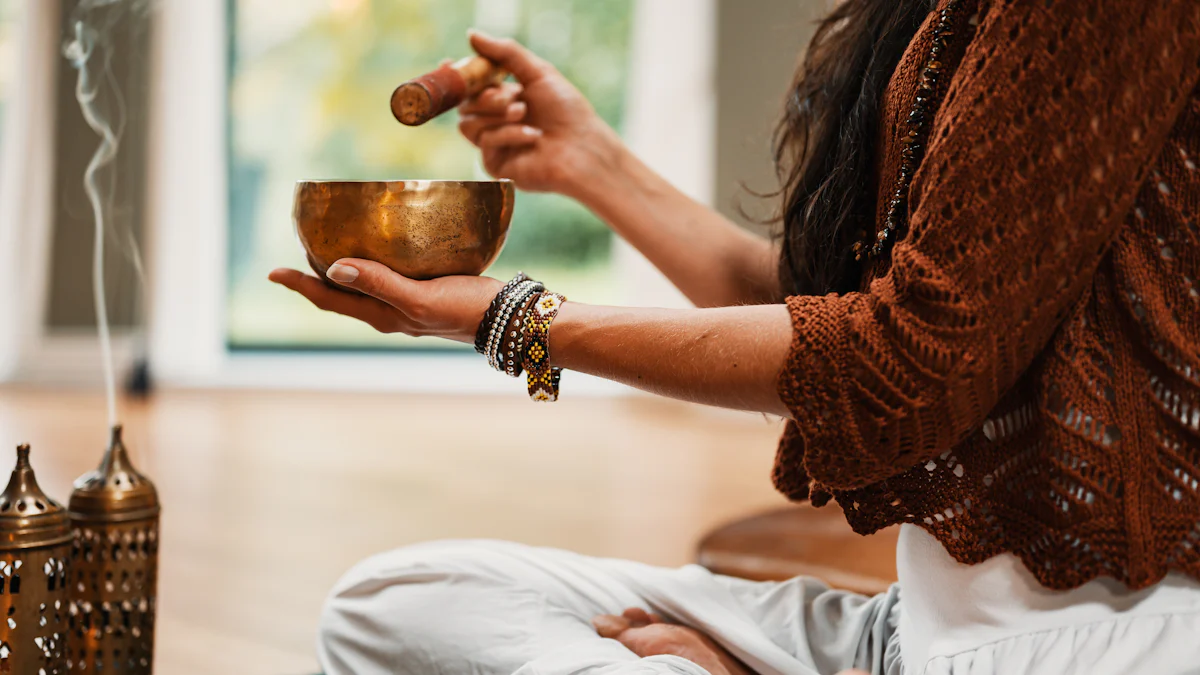
Singing Bowls: The resonant tones of singing bowls create a meditative atmosphere. Their vibrations help you center your thoughts and connect with your breath. Many yoga practitioners use these bowls to mark transitions between poses or to conclude their sessions with a sense of harmony.
Nature Sounds: The gentle rhythm of rainfall, rustling leaves, or ocean waves can transport you to a serene outdoor setting. These sounds ground your practice and encourage mindfulness.
Soft Whispers and Gentle Tapping: Whispered affirmations or rhythmic tapping can guide your focus inward. These sounds promote relaxation and help you stay present in each movement.
Crinkling Noises: The subtle crackle of paper or fabric can evoke a sense of calm. While unconventional, these sounds may surprise you with their ability to quiet your mind.
To find the perfect ASMR sounds for your yoga routine, try incorporating one or two triggers at a time. Pay attention to how they influence your breathing, movements, and overall sense of relaxation. Over time, you’ll identify the sounds that best complement your practice.
Tools and Resources to Enhance Your ASMR Yoga Practice
Incorporating ASMR into your yoga routine becomes even more effective when you use the right tools and resources. These additions can amplify the calming effects of ASMR and create a more immersive experience.
Consider these tools to enhance your practice:
Singing Bowls: These bowls are not only a source of soothing sound but also a tactile tool for mindfulness. Striking or circling the bowl allows you to engage with its vibrations, deepening your connection to the present moment.
ASMR Therapy Apps and Videos: Many apps and online platforms offer curated ASMR content tailored for relaxation and yoga. Explore guided sessions that combine ASMR sounds with yoga flows to inspire your practice.
Comfortable Yoga Props: Soft mats, bolsters, and blankets can make your space more inviting. A cozy setup enhances your ability to relax and fully immerse yourself in the experience.
Relaxation Techniques: Pairing ASMR with deep breathing exercises or meditation can amplify its benefits. For example, practicing slow, intentional breaths while listening to ASMR sounds can calm your nervous system and prepare your body for yoga.
Creating a dedicated ASMR yoga space can also transform your routine. Use dim lighting, calming scents, and minimal distractions to set the tone for relaxation. By combining these tools with your chosen ASMR sounds, you can craft a yoga routine that feels both restorative and inspiring.
Practical Tips for Incorporating ASMR into Your Yoga Routine
Setting Up a Relaxing ASMR Yoga Space
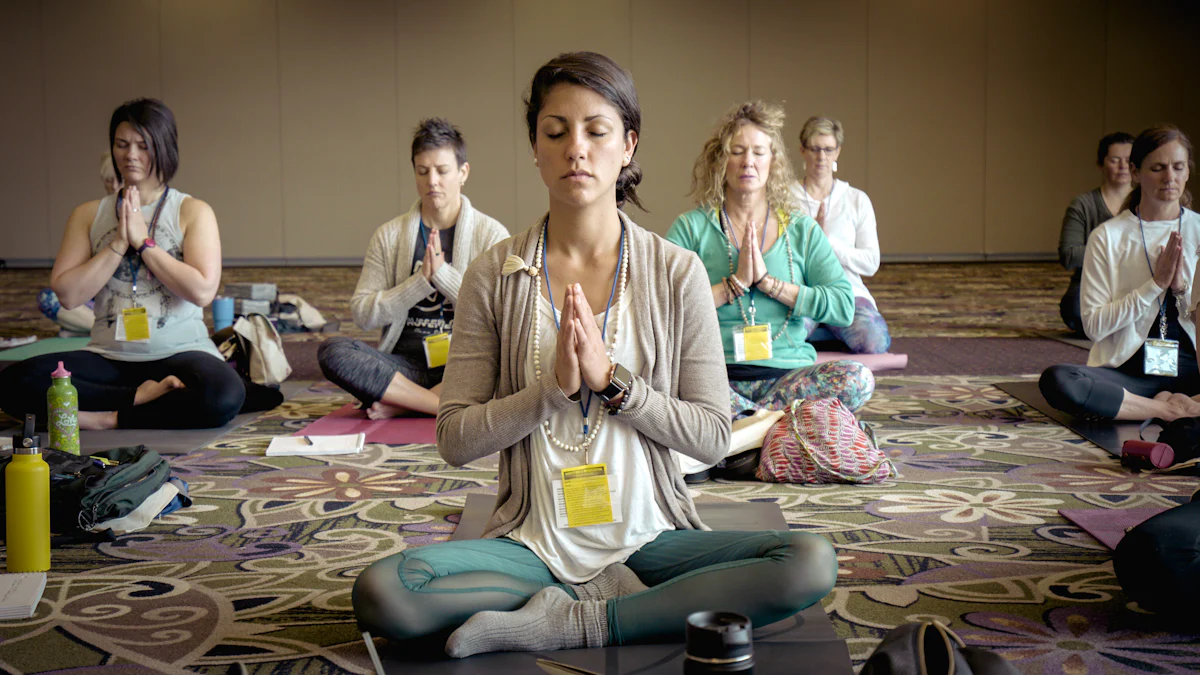
Creating the right environment is essential for a fulfilling ASMR yoga experience. Your space should feel like a sanctuary, inviting relaxation and focus. Start by choosing a quiet area where you can practice without interruptions. A calm setting allows you to fully immerse yourself in the soothing sounds and movements of your yoga routine.
Enhance the atmosphere with soft lighting. Dim lamps or candles can create a warm, tranquil glow that complements the calming nature of ASMR. Adding calming scents, such as lavender or sandalwood, can further elevate the experience. Aromatherapy works harmoniously with ASMR to relax your mind and body.
Incorporate props that make your practice more comfortable. A soft yoga mat, cozy blankets, or supportive bolsters can help you feel at ease. These elements encourage you to stay present and enjoy the moment. For an added touch, consider using singing bowls or chimes. Their gentle tones can signal the start or end of your session, grounding you in the practice.
"Enhance your ASMR experience by incorporating other relaxation methods," suggests an expert in ASMR and yoga. Combining these elements with mindfulness techniques, such as deep breathing, can amplify the calming effects of your practice.
By thoughtfully setting up your ASMR yoga space, you create an environment that nurtures peace and mindfulness. This preparation ensures that each session feels restorative and inspiring.
Integrating ASMR Sounds into Your Yoga Flow
Incorporating ASMR sounds into your yoga flow can transform your practice into a deeply immersive experience. Begin by selecting sounds that resonate with you. Soft whispers, rhythmic tapping, or nature sounds like rainfall can guide your focus and enhance your connection to each movement.
Pair specific ASMR triggers with different parts of your routine. For example, use gentle tapping sounds during warm-up stretches to ease into your practice. During poses that require balance or concentration, soft whispers can help you stay centered. Nature sounds, such as ocean waves, can accompany your breathing exercises, creating a serene rhythm that aligns with your breath.
Experiment with timing to find what works best for you. Some practitioners prefer ASMR sounds throughout their entire session, while others use them during meditation or cooldowns. Singing bowls, often used by yoga teachers, can mark transitions between poses or signal the end of your practice. These sounds create a sense of flow and harmony.
"Leading yoga in a soothing whisper is a common way ASMR integrates into the practice," notes an expert in ASMR and yoga. This approach can make your session feel more intimate and calming.
To deepen the experience, combine ASMR sounds with mindfulness techniques. Practice slow, intentional breathing while listening to your chosen triggers. This combination helps calm your nervous system and enhances your ability to stay present. Over time, integrating ASMR into your yoga flow will make your routine more engaging and rejuvenating.
Customizing Your ASMR Yoga Experience
Experimenting with ASMR Triggers to Suit Your Needs
Your ASMR yoga journey becomes truly transformative when you tailor it to your unique preferences. Everyone responds differently to ASMR triggers, so exploring various options can help you discover what resonates most with your mind and body. This process of experimentation allows you to create a yoga routine that feels personal and deeply relaxing.
Start by trying out different ASMR sounds during your practice. Soft whispers, rhythmic tapping, or the soothing hum of singing bowls can evoke distinct sensations. Pay attention to how each sound affects your focus and relaxation. For instance, you might find that nature sounds like ocean waves help you feel grounded, while gentle tapping enhances your concentration during challenging poses.
You can also experiment with visual ASMR triggers. Watching slow, deliberate hand movements or incorporating calming visuals like flickering candles can add another layer of tranquility to your practice. These elements engage your senses and deepen your connection to the present moment.
"I love the connection between my mind, body, and breath and have recently discovered another form of relaxation and meditation through ASMR," shared a yoga enthusiast. This sentiment highlights the importance of finding what works best for you. By experimenting with different triggers, you can craft an ASMR yoga experience that aligns perfectly with your needs.
Keep a journal to track your experiences. Note which triggers enhance your relaxation and which ones feel less effective. Over time, this practice will help you refine your routine, ensuring that each session leaves you feeling rejuvenated and at peace.
Adapting ASMR Yoga to Your Mood and Time of Day
Your mood and the time of day play a significant role in shaping your ASMR yoga practice. Adapting your routine to these factors ensures that your sessions remain effective and enjoyable, no matter the circumstances.
In the morning, you might prefer energizing ASMR sounds like birdsong or gentle chimes. These triggers can help you start your day with clarity and focus. Pair them with dynamic yoga poses to awaken your body and mind. On the other hand, evening sessions may call for calming sounds like rainfall or soft whispers. These triggers, combined with restorative poses, can help you unwind and prepare for restful sleep.
Your mood also influences your choice of ASMR elements. If you feel stressed, soothing sounds like singing bowls or crinkling paper can help you relax. When you need motivation, rhythmic tapping or uplifting whispers can provide a gentle boost. Adjusting your practice to match your emotional state allows you to fully embrace the benefits of ASMR yoga.
Consider the environment as well. A quiet, dimly lit space may enhance your evening practice, while natural light and fresh air can invigorate your morning sessions. By aligning your ASMR yoga routine with your mood and the time of day, you create a practice that feels intuitive and deeply satisfying.
"Yoga is a journey of self-discovery," said a seasoned practitioner. Customizing your ASMR yoga experience ensures that this journey remains meaningful and rewarding. Whether you seek energy, relaxation, or balance, adapting your routine helps you meet your goals with ease.
Overcoming Challenges in ASMR Yoga
Managing Distractions and Overstimulation
Distractions can disrupt your ASMR yoga practice, pulling your focus away from relaxation. To manage these interruptions, create a space that minimizes external noise and visual clutter. Choose a quiet room where you feel at ease. Turn off devices or notifications that might break your concentration. A calm environment allows you to fully immerse yourself in the soothing sounds and movements of ASMR yoga.
Overstimulation can also occur if you use too many ASMR triggers at once. Your mind may feel overwhelmed, making it harder to relax. Start with one or two triggers, such as soft whispers or gentle tapping. Observe how they affect your focus and mood. Gradually introduce new elements as you become more comfortable. This approach ensures that your practice remains calming rather than overwhelming.
"ASMR works best when it complements your natural rhythm," says a mindfulness expert. By simplifying your setup and focusing on what resonates with you, you can avoid overstimulation and distractions.
If your mind wanders during practice, bring your attention back to your breath. Deep breathing helps anchor your focus and calms your nervous system. Pairing this technique with ASMR sounds like rainfall or singing bowls can enhance your ability to stay present. Over time, these strategies will help you overcome distractions and fully embrace the benefits of ASMR yoga.
Finding the Right Balance Between ASMR and Silence
Balancing ASMR sounds with moments of silence creates a harmonious yoga experience. While ASMR triggers promote relaxation, silence offers space for reflection and mindfulness. Alternating between the two can deepen your connection to the practice.
Begin your session with ASMR sounds to set a calming tone. Soft whispers or nature sounds can guide your focus as you ease into your routine. During poses that require stillness, allow silence to take over. This quiet moment helps you tune into your breath and body without external stimuli. Transitioning between sound and silence creates a rhythm that enhances your mindfulness.
"Silence is as powerful as sound in creating a meditative state," shares a yoga instructor. Embracing both elements allows you to explore different layers of relaxation.
Experiment with the duration of ASMR sounds and silence. Some practitioners prefer longer periods of sound, while others find brief intervals more effective. Adjust your practice based on your preferences and needs. For example, if you feel overstimulated, extend the silent moments to regain balance. If you seek deeper relaxation, increase the use of ASMR triggers.
By finding the right balance, you create a practice that feels intuitive and restorative. This harmony between sound and silence transforms your ASMR yoga routine into a deeply enriching experience.
ASMR yoga offers a transformative path to relaxation and mindfulness. By blending soothing sounds with intentional movement, you can create a practice that calms your mind, reduces stress, and deepens your connection to the present moment. This unique combination encourages emotional balance and physical well-being.
Take the first step by experimenting with ASMR triggers that resonate with you. Discover how soft whispers, nature sounds, or gentle tapping can enhance your yoga routine.
"Self-care is not a luxury; it’s a necessity." Embrace ASMR yoga as a personalized tool for relaxation and renewal, and let it guide you toward a more peaceful and balanced life.
See Also
Starting Your Easy Yoga Practice: A Beginner's Guide
Kickstart Your Yoga Adventure: Tips for Newbies
15 Free Online Yoga Sessions to Enhance Your Skills

Hi my name is Lia and i am your host in this yoga journey in Portugal, Subscribe to our newsletter to receive every week the best of Yoga in Portugal.

We bring back the importance of initiation into womanhood by Roos-Veerle Krijnen & Ella-June Henrard
Welcome to the Women’s Initiation Retreat by Naked Truth Retreats, a transformative journey into the depths of your True Feminine Nature. This retreat invites you to remember the sacredness and wholeness of your being.
Roos-Veerle Krijnen & Ella-June Henrard