How to Add ASMR to Your Yoga Routine for Ultimate Relaxation

Have you ever experienced a tingling sensation triggered by certain sounds, like soft whispers or gentle tapping? That’s ASMR, or Autonomous Sensory Meridian Response, a powerful relaxation tool that’s more than just a trend. Research shows ASMR can lower heart rates and ease anxiety, fostering a calm state similar to meditation. When integrated into your yoga routine, ASMR yoga amplifies these benefits, enhancing focus and deepening your connection to each pose. This combination transforms your practice into a fully immersive experience, creating a serene space for your mind and body to completely unwind.
Key Takeaways
ASMR can significantly enhance your yoga practice by promoting relaxation and mindfulness, making it easier to connect with your body and breath.
Experiment with different ASMR triggers, such as soft whispers or nature sounds, to discover what resonates with you and enhances your focus during yoga.
Create a calming environment for your ASMR yoga sessions by choosing a quiet space, using soft lighting, and incorporating soothing scents like lavender.
Integrate ASMR sounds at strategic points in your yoga routine, such as during warm-ups or meditation, to deepen your relaxation and mindfulness.
Balance ASMR sounds with moments of silence to avoid overstimulation and allow for reflection, enhancing the overall experience of your practice.
Consider combining ASMR with other relaxation techniques, like meditation or sound healing, to amplify the benefits and create a holistic self-care routine.
Understanding ASMR and Its Role in Relaxation
What Is ASMR?
ASMR, or Autonomous Sensory Meridian Response, refers to the tingling sensation you might feel when exposed to certain sounds or visual triggers. This sensation often starts at the scalp and moves down the spine, creating a wave of relaxation. While it might sound unusual, ASMR has gained significant attention for its ability to calm the mind and body.
Researchers have found that ASMR can reduce heart rates and lower blood pressure, which are clear signs of deep relaxation. It’s not just about feeling good—it’s about engaging your brain in a way that promotes tranquility. When you experience ASMR, your brain activates patterns linked to stress relief and relaxation. This makes it a powerful tool for managing anxiety and improving overall well-being.
You don’t need to be an expert to enjoy ASMR. It’s as simple as listening to soft whispers, gentle tapping, or even the sound of rain. These triggers create a soothing environment that helps you unwind, making ASMR a perfect addition to your self-care routine.
Common ASMR Triggers and Their Effects
ASMR triggers vary from person to person, but some are universally calming. Here are a few common ones and how they can enhance your relaxation:
Whispering or Soft-Spoken Voices: A gentle voice can create a sense of intimacy and calm. Many ASMR enthusiasts find this particularly soothing during meditation or yoga.
Tapping or Scratching Sounds: The rhythmic nature of these sounds can help you focus and ease tension. They’re great for grounding yourself during moments of stress.
Nature Sounds: Rainfall, rustling leaves, or ocean waves can transport you to a peaceful mental space. These sounds pair beautifully with yoga, enhancing your connection to the present moment.
Personal Attention Scenarios: Role-play scenarios, like someone pretending to give you a massage or haircut, can evoke feelings of care and comfort. This can deepen your relaxation during a yoga routine.
Repetitive Motions or Sounds: Watching or hearing repetitive actions, like brushing or folding, can create a hypnotic effect that calms the mind.
Each trigger works differently for everyone, so it’s worth experimenting to find what resonates with you. Studies show that ASMR not only reduces anxiety but also engages the brain’s reward pathways. This means it doesn’t just relax you—it can also improve your mood and help you feel more positive.
When you combine these triggers with your yoga routine, you create a multi-sensory experience that enhances relaxation. For example, playing soft ASMR sounds during your practice can help synchronize your movements with your breath. This makes your yoga session more immersive and effective.
Why ASMR and Yoga Are a Perfect Match
Shared Goals of Relaxation and Mindfulness
Yoga and ASMR share a common purpose: helping you relax and stay present. Both practices encourage you to slow down and focus on the moment. Yoga uses breathwork and movement to calm your mind, while ASMR relies on soothing sounds to create a sense of peace. Together, they form a powerful duo for reducing stress and promoting mindfulness.
When you practice yoga, you aim to connect your body and mind. ASMR enhances this connection by engaging your senses. For example, soft whispers or gentle tapping sounds can help you stay grounded during your yoga routine. These triggers guide your attention inward, making it easier to let go of distractions.
Both yoga and ASMR also activate relaxation responses in your body. Studies show that ASMR slows your heart rate and breathing, much like yoga and meditation. This shared effect makes them a natural fit. By combining the two, you create a practice that supports both physical and mental well-being.
How ASMR Enhances the Meditative Aspects of Yoga
Meditation is a key part of yoga, and ASMR takes it to the next level. The calming sounds of ASMR help you enter a meditative state more easily. They create a tranquil atmosphere that allows you to focus on your breath and movements without effort.
Imagine practicing yoga with the sound of gentle rain in the background. The rhythmic patter of raindrops can help you synchronize your breath with your poses. This harmony deepens your meditation, making your yoga routine more immersive and effective.
ASMR also helps you stay present. It draws your attention to subtle sensations, like the tingling feeling triggered by certain sounds. This heightened awareness aligns perfectly with yoga’s goal of mindfulness. Together, they help you build a stronger connection to your body and mind.
Incorporating ASMR into your yoga routine doesn’t require much effort. You can play an ASMR audio track during your practice or choose a yoga class that includes ASMR elements. Either way, you’ll notice how the soothing sounds enhance your focus and relaxation. This combination transforms your yoga practice into a truly meditative experience.
Practical Tips for Adding ASMR to Your Yoga Routine
Selecting the Right ASMR Sounds for Your Yoga Routine
Choosing the right ASMR sounds can transform your yoga practice into a deeply relaxing experience. Start by exploring different ASMR triggers to find what resonates with you. Some people enjoy soft whispers or gentle tapping, while others prefer nature sounds like rainfall or ocean waves. You might even find comfort in repetitive sounds, such as brushing or folding.
“ASMR yoga incorporates sensory triggers resembling whispers, gentle voice tones, singing bowls, and music into the physical yoga practice.” – Manly, Yoga Instructor
Consider how these sounds align with your yoga routine. For example, soft-spoken voices can guide you through poses, while ambient nature sounds can help you stay grounded. Experiment with a few ASMR audio tracks or videos during your practice. Pay attention to how each sound affects your focus and relaxation. Over time, you’ll discover which triggers enhance your connection to your body and breath.
Setting Up a Calming Environment for ASMR Yoga
Creating the right environment is essential for ASMR yoga. A peaceful space helps you fully immerse yourself in the practice. Start by choosing a quiet area where you won’t be interrupted. Dim the lights or use soft lighting to create a soothing atmosphere. Adding calming scents, like lavender or sandalwood, can further enhance the experience.
Set up your yoga mat and any props you need, like blocks or cushions. Place your device nearby to play ASMR sounds or videos. Keep the volume low enough to avoid distractions but loud enough to hear the subtle details of the sounds. This balance ensures the ASMR complements your yoga routine without overpowering it.
You can also incorporate visual elements, such as candles or gentle movements, to deepen the sensory experience. These small touches make your ASMR yoga practice feel more intentional and relaxing.
Timing ASMR Integration During Your Yoga Practice
Timing plays a crucial role in blending ASMR with yoga. Think about when ASMR sounds will have the most impact during your session. For many, starting with ASMR during the warm-up helps set a calming tone. Gentle sounds can guide your breathing and prepare your mind for the practice ahead.
During the main part of your yoga routine, use ASMR to maintain focus and mindfulness. For instance, rhythmic tapping or soft whispers can help you stay present as you move through poses. If you’re practicing meditation or savasana at the end, switch to soothing nature sounds or personal attention scenarios. These triggers can deepen your relaxation and leave you feeling refreshed.
“You can use ASMR as part of your daily meditation practice. Find a few videos you really enjoy and play them during your meditation sessions.”
Experiment with different timings to see what works best for you. Whether you use ASMR throughout your entire practice or only during specific moments, the key is to let the sounds enhance your connection to the present moment.
Sample ASMR Yoga Routine for Beginners

Preparing for Your ASMR Yoga Session
Starting your ASMR yoga session requires a little preparation to create the perfect environment. Begin by selecting a quiet space where you feel comfortable and free from distractions. This could be a corner of your home or even a spot outdoors if the weather allows. The goal is to make the space feel like a sanctuary.
Set up your yoga mat and gather any props you might need, such as blocks, straps, or cushions. These tools can help you ease into poses and stay relaxed throughout your practice. To enhance the sensory experience, consider dimming the lights or using candles. Soft lighting creates a calming atmosphere that complements the soothing sounds of ASMR.
Next, choose your ASMR sounds. Experiment with different triggers to find what resonates with you. Some people enjoy the sound of gentle rain, while others prefer soft whispers or rhythmic tapping. You can play an ASMR audio track on your phone or speaker, keeping the volume low enough to blend seamlessly with your practice.
Adding a touch of aromatherapy can elevate your session. Scents like lavender or eucalyptus promote relaxation and pair beautifully with ASMR. A few drops of essential oil on your yoga mat or in a diffuser can make a big difference. Once everything is set, take a moment to sit quietly and focus on your breath. This helps you transition into the practice with a calm and open mind.
“The snipping of scissors or clippers around my ears was somehow soothing and relaxing, almost meditative.” This personal experience highlights how small sensory details can create a profound sense of calm. Use this as inspiration to embrace the subtle yet powerful effects of ASMR in your yoga routine.
Step-by-Step Guide to an ASMR Yoga Routine
Start with Grounding Breaths
Sit comfortably on your mat and close your eyes. Play your chosen ASMR sounds softly in the background. Take slow, deep breaths, inhaling through your nose and exhaling through your mouth. Focus on the sound of your breath blending with the ASMR audio. This helps you center yourself and prepare for the session.Warm-Up with Gentle Stretches
Begin with simple stretches to loosen your body. Cat-Cow poses are a great choice. As you move between the poses, sync your movements with the rhythm of the ASMR sounds. For example, let the sound of rain guide your inhale as you arch your back and your exhale as you round it.Flow Through Basic Poses
Transition into a gentle flow of poses like Downward Dog, Warrior I, and Child’s Pose. Move slowly and mindfully, paying attention to how your body feels in each position. Let the ASMR sounds keep you grounded. If you’re listening to soft whispers, imagine the voice guiding you through each pose.Pause for Mindful Breathing
Halfway through your routine, pause in a seated position. Close your eyes and focus on your breath again. This is a great time to tune into the ASMR sounds more deeply. Notice how they affect your mood and physical sensations. This moment of stillness enhances mindfulness.End with Savasana
Lie down on your back and let your body completely relax. Play calming ASMR sounds like ocean waves or a crackling fire. Focus on the tingling sensations these sounds might evoke. Stay in this position for five to ten minutes, allowing your mind and body to fully unwind.Reflect and Transition
Slowly sit up and take a few final breaths. Reflect on how the combination of yoga and ASMR made you feel. Did the sounds help you stay present? Did they deepen your relaxation? Carry this sense of calm with you as you move through the rest of your day.
By following this step-by-step guide, you’ll create a yoga routine asmr yoga experience that feels immersive and restorative. The combination of mindful movement and soothing sounds can transform your practice into a powerful tool for relaxation and self-care.
Enhancing Your ASMR Yoga Practice
Experimenting with Different ASMR Triggers
Exploring various ASMR triggers can elevate your yoga practice to a whole new level. Everyone responds differently to sounds, so experimenting helps you discover what resonates most with you. Start by trying common triggers like soft whispers, tapping, or nature sounds. You might find that the sound of gentle rain enhances your focus, or perhaps the rhythmic tapping of wood creates a sense of calm.
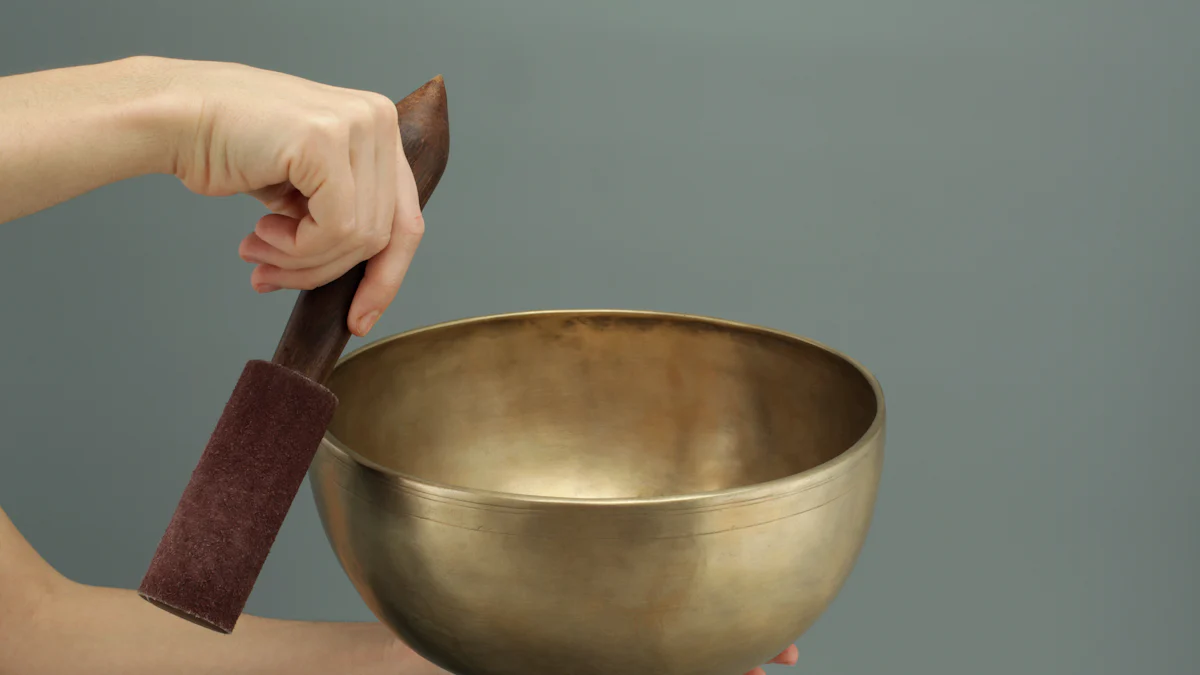
You can also incorporate unique elements into your routine. Tibetan singing bowls, for example, produce soothing vibrations that align beautifully with yoga. These bowls create resonant tones that complement breathing exercises or chanting mantras. Similarly, gongs can cleanse your energy and deepen relaxation, making them a powerful addition to your self-care practice.
“The snipping of scissors or clippers around my ears was somehow soothing and relaxing, almost meditative.” This highlights how even unexpected sounds can create profound calmness. Use this as inspiration to explore unconventional triggers.
Don’t limit yourself to just one type of sound. Mix and match different ASMR elements to create a personalized experience. For instance, combine soft-spoken instructions with ambient nature sounds during your yoga flow. Pay attention to how each trigger affects your mood and physical sensations. Over time, you’ll develop a deeper understanding of what works best for you.
Combining ASMR with Other Relaxation Techniques
Pairing ASMR with other relaxation methods can amplify its benefits. Meditation, for instance, blends seamlessly with ASMR. Imagine sitting in a quiet space, focusing on your breath while listening to the hum of Tibetan singing bowls. The sound vibrations calm your mind and help you stay present, enhancing the meditative experience.
Sound healing is another technique worth exploring. Ancient practices like nada yoga use sound vibrations to release stress and promote inner peace. Incorporating ASMR into this tradition can create a modern twist. For example, you could use whispering instructions or sound mixing equipment to craft a unique meditation session. This combination not only relaxes your body but also engages your senses in a meaningful way.
You might also try integrating ASMR into mindfulness exercises. Focus on the subtle details of the sounds, like the rhythm of tapping or the softness of a whisper. This practice trains your mind to stay in the moment, reducing distractions and deepening your connection to the present.
For a more immersive experience, consider adding aromatherapy or gentle movements. Pair calming scents like lavender with ASMR sounds to create a multi-sensory environment. Or, use repetitive motions like brushing or folding alongside your yoga poses. These small additions can make your practice feel more intentional and restorative.
By experimenting with triggers and combining ASMR with other techniques, you’ll unlock new ways to enhance your yoga routine. This approach transforms your practice into a holistic experience, nurturing both your mind and body.
Avoiding Common Mistakes in ASMR Yoga
Balancing ASMR with Silence
Finding the right balance between ASMR sounds and silence is essential for a fulfilling yoga practice. Overloading your session with constant sounds can overwhelm your senses, making it harder to focus on your breath and movements. Silence, on the other hand, provides space for reflection and allows you to tune into your body’s natural rhythm.
To strike this balance, consider using ASMR sounds selectively. For example, play soft whispers or nature sounds during transitions between poses or during meditation. Let moments of silence take over during more intense stretches or challenging poses. This approach creates a harmonious flow, where sound enhances your practice without dominating it.
“An ASMR study in 2017 found participants’ heart rates and breathing slowed, similar to relaxation techniques like meditation and yoga.” This shows how ASMR can complement the quiet moments in your routine, helping you achieve deeper relaxation.
Pay attention to how your body and mind respond. If you feel overstimulated, reduce the volume or take a break from the sounds. Remember, the goal is to create a calming environment that supports mindfulness. Silence can be just as powerful as sound when used intentionally.
Choosing Compatible Sounds for Your Yoga Practice
Not all ASMR sounds work well with yoga. Some triggers, while relaxing on their own, might clash with the flow of your practice. Choosing compatible sounds ensures that the ASMR enhances your experience rather than distracting you.
Start by selecting sounds that match the pace and mood of your yoga routine. For a slow, restorative session, opt for gentle rain or soft-spoken guidance. If you’re practicing a more dynamic flow, rhythmic tapping or subtle instrumental music might be a better fit. Avoid harsh or abrupt sounds, as they can disrupt your focus and pull you out of the moment.
“ASMR yoga incorporates sensory triggers such as whispers, gentle voice tones, singing bowls, and music into the physical yoga practice.” These elements blend seamlessly with yoga, creating a cohesive and soothing experience.
Experiment with different audio tracks to find what resonates with you. Pay attention to how each sound influences your movements and breathing. If a particular trigger feels distracting, set it aside and try something else. The key is to create a soundscape that complements your practice and helps you stay present.
By balancing ASMR with silence and choosing sounds that align with your yoga style, you’ll create a practice that feels both immersive and restorative. These small adjustments can make a big difference, transforming your ASMR yoga routine into a truly mindful experience.
Combining ASMR with yoga creates a powerful tool for relaxation and mindfulness. This unique pairing helps you reduce stress, deepen your connection to the present, and enhance your overall well-being. By exploring different ASMR triggers and tailoring them to your practice, you can craft a routine that feels personal and effective.
“ASMR offers a readily accessible way to dial down the stress, coaxing the mind into a state of profound peace and relaxation.”
Embrace this innovative approach to self-care. Let it guide you toward a more serene and fulfilling yoga journey. Your path to ultimate relaxation starts here.
See Also
Starting Your Easy Yoga Practice Made Simple
Kickstart Your Yoga Adventure for Newcomers
Embarking on Your Yoga Path with Adriene

Hi my name is Lia and i am your host in this yoga journey in Portugal, Subscribe to our newsletter to receive every week the best of Yoga in Portugal.

We bring back the importance of initiation into womanhood by Roos-Veerle Krijnen & Ella-June Henrard
Welcome to the Women’s Initiation Retreat by Naked Truth Retreats, a transformative journey into the depths of your True Feminine Nature. This retreat invites you to remember the sacredness and wholeness of your being.
Roos-Veerle Krijnen & Ella-June Henrard