How to Use ASMR in Your Yoga Practice

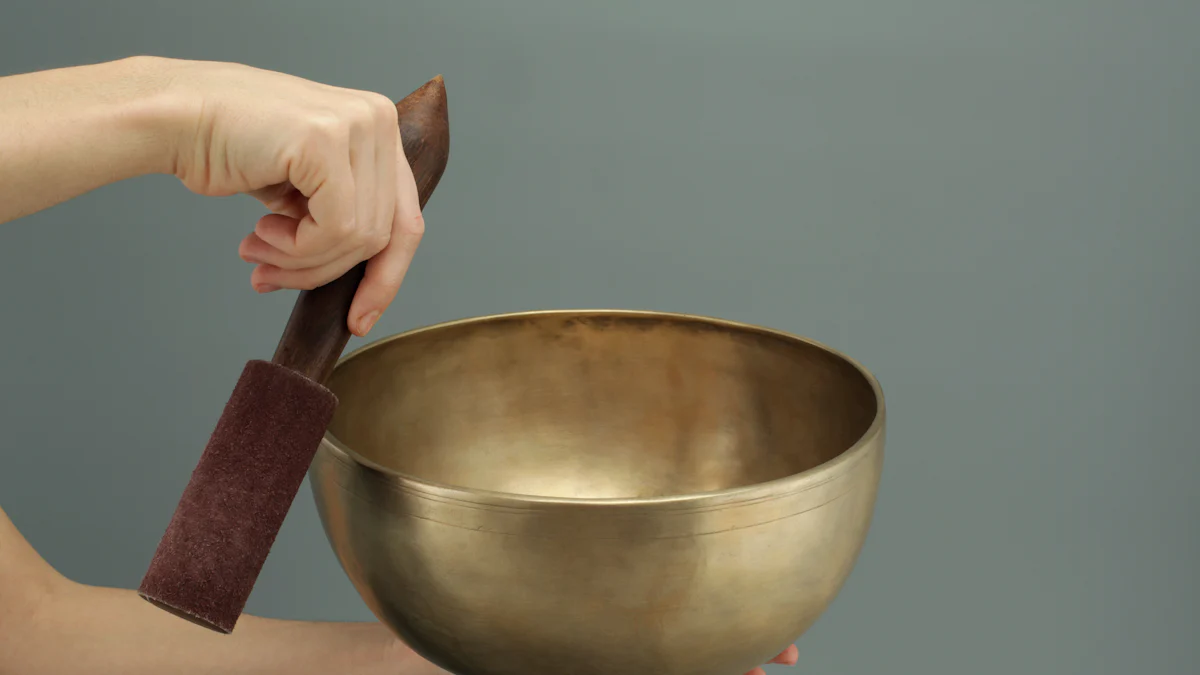
ASMR, or Autonomous Sensory Meridian Response, creates a unique sensation of calmness through gentle sounds and soothing visuals. This phenomenon helps you relax by lowering your heart rate and reducing stress levels. When incorporated into a yoga routine, ASMR yoga can deepen your focus and enhance your connection to the present moment. The combination of these practices promotes mindfulness and amplifies stress relief. By integrating ASMR into your yoga routine, you can create a tranquil environment that nurtures both your mind and body, helping you achieve a profound sense of relaxation and inner peace.
Key Takeaways
ASMR can significantly enhance your yoga practice by promoting relaxation and mindfulness through soothing sounds and visuals.
Incorporating ASMR into yoga helps lower heart rates and reduce stress, making your sessions more restorative and calming.
Experiment with different ASMR triggers, such as soft whispers or natural sounds, to find what resonates best with you and enhances your focus.
Create a tranquil yoga environment by preparing your space with soft lighting and comfortable props to support your ASMR experience.
Start small by integrating ASMR into short meditation sessions before gradually incorporating it into full yoga routines.
Guided yoga sessions that include ASMR elements can help beginners adapt and deepen their practice, fostering a greater sense of peace.
Balance is key; introduce ASMR gradually to avoid overwhelming your senses and ensure a harmonious blend with your yoga practice.
Understanding ASMR and Its Role in Relaxation
What Is ASMR?
ASMR, or Autonomous Sensory Meridian Response, refers to a tingling sensation that often begins on the scalp and moves down the neck and spine. This response is triggered by specific sounds, visuals, or gentle actions, such as whispering, tapping, or soft hand movements. Many people describe it as deeply calming and pleasurable, making it a powerful tool for relaxation.
You may have noticed ASMR videos gaining popularity online. These videos often feature soothing voices or repetitive sounds designed to evoke this unique sensation. While ASMR might seem like a simple trend, research highlights its ability to lower heart rates and improve mood. For individuals sensitive to ASMR, it can create a profound sense of calm and well-being.
"ASMR has been shown to reduce anxiety levels and improve sleep quality, making it a valuable practice for mental health." - Research studies on ASMR
By understanding ASMR, you can unlock its potential to enhance your relaxation practices, including your yoga routine.
How ASMR Promotes Relaxation and Stress Relief
ASMR works by engaging your senses in a way that soothes the mind and body. When you listen to soft sounds or watch gentle movements, your brain releases feel-good chemicals like dopamine and serotonin. These chemicals help reduce stress and anxiety, leaving you feeling more at ease.
Studies reveal that ASMR can lower heart rates, which is a key indicator of relaxation. This makes it an effective tool for managing stress and promoting mindfulness. Regular exposure to ASMR stimuli has also been linked to improved sleep quality, helping you unwind after a long day.
Incorporating ASMR into your yoga routine can amplify these benefits. Imagine practicing yoga while listening to soft whispers or the rhythmic tapping of rain. These triggers can deepen your focus, allowing you to connect more fully with your breath and movements. This combination creates a tranquil environment that nurtures both your mental and physical well-being.
"ASMR triggers relaxation and mindfulness benefits, reducing anxiety levels and enhancing overall mental health." - Research studies on ASMR
By using ASMR to complement your yoga practice, you can transform your sessions into a more immersive and restorative experience.
The Science Behind ASMR and Its Benefits
How ASMR Affects the Brain and Body
ASMR creates a unique response in your brain that promotes relaxation and well-being. When you experience ASMR, your brain activates regions linked to emotional arousal, self-awareness, and the reward system. These areas release chemicals like dopamine and serotonin, which improve your mood and reduce stress. This process helps you feel calm and centered.
Physiological changes also occur during ASMR. Your heart rate slows, and cortisol levels—the hormone associated with stress—decrease. These effects mirror the relaxation response triggered by meditation or deep breathing exercises. Watching ASMR videos or listening to soothing sounds can even lower blood pressure, enhancing your overall sense of tranquility.
Neuroimaging studies reveal that ASMR stimulates brain activity patterns associated with relaxation and stress relief. Sensitive individuals often report a tingling sensation that starts at the scalp and moves down the spine. This sensation not only feels pleasurable but also helps you focus on the present moment, making it easier to let go of worries.
"ASMR engages the brain's reward pathways, reduces cortisol levels, and activates regions linked to pleasure and relaxation." - Scientific Research Findings
By understanding how ASMR affects your brain and body, you can harness its power to create a more peaceful and restorative yoga practice.
Evidence Supporting ASMR for Relaxation and Stress Relief
Scientific research highlights the profound impact ASMR can have on your mental and physical health. Studies show that ASMR reduces anxiety, improves sleep quality, and lowers heart rates. These benefits make it an effective tool for managing stress and enhancing relaxation.
For individuals dealing with high levels of anxiety or neuroticism, ASMR offers significant relief. The soothing sounds and gentle visuals help calm the mind, making it easier to unwind after a long day. Regular exposure to ASMR stimuli has also been linked to better short-term memory and increased focus, which can enhance your daily life.
ASMR's ability to lower cortisol levels plays a key role in its stress-relieving effects. High cortisol levels can lead to feelings of tension and overwhelm. By reducing this hormone, ASMR helps you feel more balanced and at ease. Additionally, the relaxation response triggered by ASMR can improve your sleep, allowing you to wake up feeling refreshed and rejuvenated.
"ASMR benefits include stress reduction, improved sleep, and enhanced mental health." - Scientific Research Findings
Incorporating ASMR into your yoga routine amplifies these benefits. The combination of ASMR and yoga creates a powerful synergy that promotes mindfulness, relaxation, and emotional well-being. By embracing this practice, you can transform your yoga sessions into a deeply restorative experience.
Benefits of Combining ASMR with Yoga

Enhancing Relaxation and Mindfulness in Yoga
Combining ASMR with your yoga routine creates a serene environment that enhances relaxation and mindfulness. The gentle sounds and soothing triggers of ASMR, such as soft whispers or rhythmic tapping, help quiet your mind and bring your focus to the present moment. This heightened awareness allows you to connect more deeply with your breath and movements, making your yoga practice more immersive.
ASMR encourages a state of tranquility by engaging your senses. For example, listening to the sound of rain or the rustling of leaves during your yoga session can evoke a sense of calm. These auditory triggers work alongside yoga’s meditative aspects to deepen your relaxation. Many individuals find that ASMR helps them unwind and achieve peace of mind, making it easier to let go of stress and distractions.
Mindfulness is a cornerstone of yoga, and ASMR amplifies this by anchoring your attention to soothing stimuli. When you focus on these triggers, your thoughts slow down, and you become more present in your practice. This combination fosters a deeper connection between your mind and body, helping you experience the full benefits of yoga.
"I personally enjoy the peace of mind and relaxation I feel when I watch an ASMR video. Some viewers use it for sleeplessness and others to help with their anxiety." – Viktrovnova
By integrating ASMR into your yoga routine, you can transform your practice into a sanctuary of calm and mindfulness.
Amplifying Stress Relief and Focus During Yoga Practice
ASMR and yoga share a common goal: reducing stress and promoting mental clarity. Together, they create a powerful synergy that amplifies stress relief and enhances focus. ASMR triggers, such as soft brushing sounds or gentle tapping, stimulate your brain’s reward pathways, releasing feel-good chemicals like dopamine and serotonin. These chemicals help lower cortisol levels, reducing feelings of tension and overwhelm.
Imagine practicing yoga while listening to the soothing sound of ocean waves or a soft-spoken guide. These ASMR elements can help you stay focused on your movements and breathing, preventing your mind from wandering. This heightened concentration allows you to fully engage with your practice, making each pose more intentional and effective.
Stress relief is another significant benefit of combining ASMR with yoga. The calming effects of ASMR help counteract the physical and mental strain caused by daily life. Many people report using ASMR as an effective tool for managing anxiety, particularly before stressful events. When paired with yoga, which already promotes relaxation, ASMR creates a deeply restorative experience that leaves you feeling refreshed and balanced.
"ASMR videos and stimuli are known for their calming effects, and research has shown that they can reduce anxiety levels." – Emma Whisper Red
Incorporating ASMR into your yoga routine not only enhances your focus but also helps you achieve a profound sense of relaxation. This combination empowers you to approach your practice with clarity and calm, making it a valuable addition to your self-care routine.
Practical Steps to Incorporate ASMR into Your Yoga Routine

Preparing Your Yoga Space for ASMR
Creating the right environment is essential when combining ASMR with your yoga routine. Start by selecting a quiet, comfortable space where you can focus without distractions. Dim the lights or use candles to create a calming atmosphere. Soft lighting helps set the mood and enhances the sensory experience.
Consider adding elements that complement ASMR triggers. A small speaker or headphones can deliver high-quality sound, ensuring you fully immerse yourself in the soothing tones. You might also include items like a soft blanket or yoga props to make your practice more comfortable. These additions help you feel grounded and relaxed.
Keep your space clutter-free. A clean and organized area promotes mental clarity and allows you to focus on your practice. If possible, incorporate natural elements like plants or an open window for fresh air. These details enhance the connection between your mind and body, making your yoga routine more effective.
"Simply watching ASMR videos can actually lower heart rates, regardless of whether individuals are sensitive to ASMR or not." – Research on ASMR
By preparing your yoga space thoughtfully, you create an environment that supports both relaxation and mindfulness.
Choosing ASMR Triggers for Yoga
Selecting the right ASMR triggers is key to enhancing your yoga practice. Different sounds and visuals evoke unique responses, so experiment to find what resonates with you. Popular ASMR triggers include soft whispers, gentle tapping, and natural sounds like rain or ocean waves. These triggers can deepen your sense of calm and focus.
You might explore ASMR videos or apps like the Calm app to discover new triggers. Many ASMR videos encourage deep breathing and mindfulness, which align perfectly with yoga. For example, listening to a soft-spoken guide during your session can help you stay present and engaged.
Pay attention to how each trigger affects your mood and energy. Some sounds may feel more soothing during evening yoga, while others might energize you for a morning session. Tailoring your triggers to your needs ensures a more personalized and effective practice.
"ASMR elicits a soothing, tingly response in some individuals that can calm anxiety and promote better sleep." – ASMR Research Insights
Choosing the right ASMR triggers transforms your yoga routine into a deeply restorative experience.
Integrating ASMR into Your Yoga Practice
Incorporating ASMR into your yoga practice requires intention and mindfulness. Begin by selecting a yoga routine that complements ASMR, such as a slow flow or restorative sequence. These styles allow you to focus on your breath and movements while enjoying the calming effects of ASMR.
Start your session with a few minutes of listening to your chosen ASMR triggers. This helps you transition into a relaxed state before beginning your poses. For example, you could listen to the rhythmic tapping of rain or a soft-spoken guide offering gentle affirmations. These sounds create a tranquil backdrop for your practice.
As you move through your poses, maintain your focus on the ASMR sounds. Let them guide your breath and enhance your awareness of each movement. If you’re using an ASMR video, position your screen where it doesn’t distract you but still provides a visual element to enhance the experience.
End your session with a brief meditation or savasana while continuing to listen to ASMR. This final step helps you absorb the full benefits of both practices, leaving you feeling refreshed and centered.
"ASMR videos and Calm app both offer accessible relief from day-to-day stress." – ASMR and Relaxation Tools
By integrating ASMR into your yoga practice, you create a harmonious blend of relaxation and mindfulness that nurtures your well-being.
Tips for Beginners Using ASMR in Yoga
Starting Small and Experimenting with ASMR
When starting your journey with ASMR in yoga, simplicity is key. Begin by exploring a few ASMR triggers to discover what resonates with you. Popular options include soft whispers, gentle tapping, or natural sounds like rain or ocean waves. These triggers can help you ease into the practice without feeling overwhelmed.
You don’t need to commit to a full yoga session with ASMR right away. Instead, try incorporating ASMR into a short meditation or a few minutes of deep breathing. For example, listen to a calming ASMR video while sitting in a comfortable position. Pay attention to how the sounds affect your mood and focus. This small step allows you to build confidence and familiarity with ASMR before integrating it into your full yoga routine.
"ASMR is not about explicit content; it’s about creating a soothing and educational experience that promotes relaxation." – TheFrenchWhisperer
Experimentation is essential. Not every ASMR trigger will work for you, and that’s okay. Explore different sounds, tones, and styles to find what feels most calming. Some people prefer soft-spoken voices, while others enjoy the rhythmic tapping of objects. By trying various triggers, you can tailor the experience to suit your needs and enhance your yoga practice.
Combining ASMR with Guided Yoga Sessions
Guided yoga sessions provide an excellent starting point for incorporating ASMR into your practice. Many online yoga instructors now include ASMR elements, such as soft-spoken guidance or soothing background sounds. These sessions create a seamless blend of yoga and ASMR, making it easier for beginners to adapt.
Choose a guided session that aligns with your goals, whether it’s relaxation, stress relief, or mindfulness. For instance, a restorative yoga session with a soft-spoken instructor can help you unwind after a long day. The gentle voice and calming instructions keep you focused on your movements and breath, enhancing the overall experience.
If you prefer more control over your practice, consider pairing your favorite yoga routine with an ASMR audio track. Play the sounds softly in the background as you move through your poses. This approach allows you to customize the experience while still benefiting from the calming effects of ASMR.
"ASMR helps quiet the mind and brings focus to the present moment, making it a perfect complement to yoga." – Various ASMR-tists
Combining ASMR with guided yoga sessions transforms your practice into a deeply immersive experience. It encourages mindfulness, reduces distractions, and helps you connect more deeply with your body and breath. Over time, this integration can elevate your yoga routine and bring a greater sense of peace and balance to your life.
Overcoming Challenges When Using ASMR in Yoga
Finding the Right ASMR Triggers for Your Practice
Discovering the ASMR triggers that resonate with you can feel like a journey of self-discovery. Each person responds differently to various sounds, visuals, or sensations. Some may find soft whispers calming, while others might prefer the rhythmic tapping of rain or the gentle rustling of leaves. To identify your ideal triggers, start by experimenting with a variety of ASMR content. Explore videos, audio tracks, or apps that feature diverse stimuli.
Pay attention to how your body and mind react to each trigger. Do certain sounds help you feel more relaxed? Do others make it easier to focus on your breath and movements? These observations will guide you toward the triggers that enhance your yoga practice. For example, if natural sounds like ocean waves bring you peace, incorporate them into your sessions.
"ASMR elicits a soothing, tingly response that can calm anxiety and promote better sleep." – Research on ASMR
Remember, your preferences may change over time or vary depending on your mood. What works for an evening yoga session might differ from what energizes you in the morning. Stay open to exploring new triggers and adapting your practice as needed. By finding the right ASMR elements, you can create a deeply personalized and effective yoga experience.
Balancing ASMR with Your Yoga Routine
Integrating ASMR into your yoga practice requires balance and mindfulness. While ASMR can enhance relaxation and focus, overloading your session with too many stimuli might feel overwhelming. Start by introducing ASMR elements gradually. For instance, play soft background sounds during your warm-up or savasana. This approach allows you to ease into the experience without disrupting your flow.
Consider the style of yoga you’re practicing. A slow, restorative sequence pairs well with calming ASMR triggers like soft whispers or gentle tapping. On the other hand, a more dynamic flow might benefit from rhythmic sounds that match your movements. Tailoring the ASMR elements to your routine ensures harmony between the two practices.
"ASMR can uplift mood, reduce heart rate, and immerse individuals in a state of focused attention." – Scientific Insights
Maintain awareness of your sensory limits. If a particular sound or visual feels distracting, adjust the volume or switch to a different trigger. The goal is to enhance your practice, not detract from it. By balancing ASMR with your yoga routine, you create a space where both practices complement each other, fostering a deeper sense of calm and mindfulness.
"ASMR and mindfulness practices share similarities in focusing on positive feelings triggered by stimuli." – Comparative Analysis
Through thoughtful integration and experimentation, you can overcome challenges and unlock the full potential of combining ASMR with yoga. This balance will help you cultivate a practice that nurtures both your mind and body.
Integrating ASMR into your yoga routine can unlock a new level of relaxation, stress relief, and mindfulness. The soothing sounds and gentle triggers of ASMR create a serene environment that enhances your connection to the present moment. By experimenting with different ASMR elements, you can discover what resonates with your practice and tailor it to your needs. This combination has the potential to transform your sessions into deeply restorative experiences. Embrace the journey, and let the harmony of ASMR and yoga guide you toward a profound sense of calm and well-being.
See Also
Starting Your Yoga Adventure: A Guide for Newbies
Creating an Easy Yoga Practice for Starters
Introduction to Aerial Yoga: A Beginner's Guide

Hi my name is Lia and i am your host in this yoga journey in Portugal, Subscribe to our newsletter to receive every week the best of Yoga in Portugal.

We bring back the importance of initiation into womanhood by Roos-Veerle Krijnen & Ella-June Henrard
Welcome to the Women’s Initiation Retreat by Naked Truth Retreats, a transformative journey into the depths of your True Feminine Nature. This retreat invites you to remember the sacredness and wholeness of your being.
Roos-Veerle Krijnen & Ella-June Henrard