Unlocking the Anatomy of Hatha Yoga PDF Guide

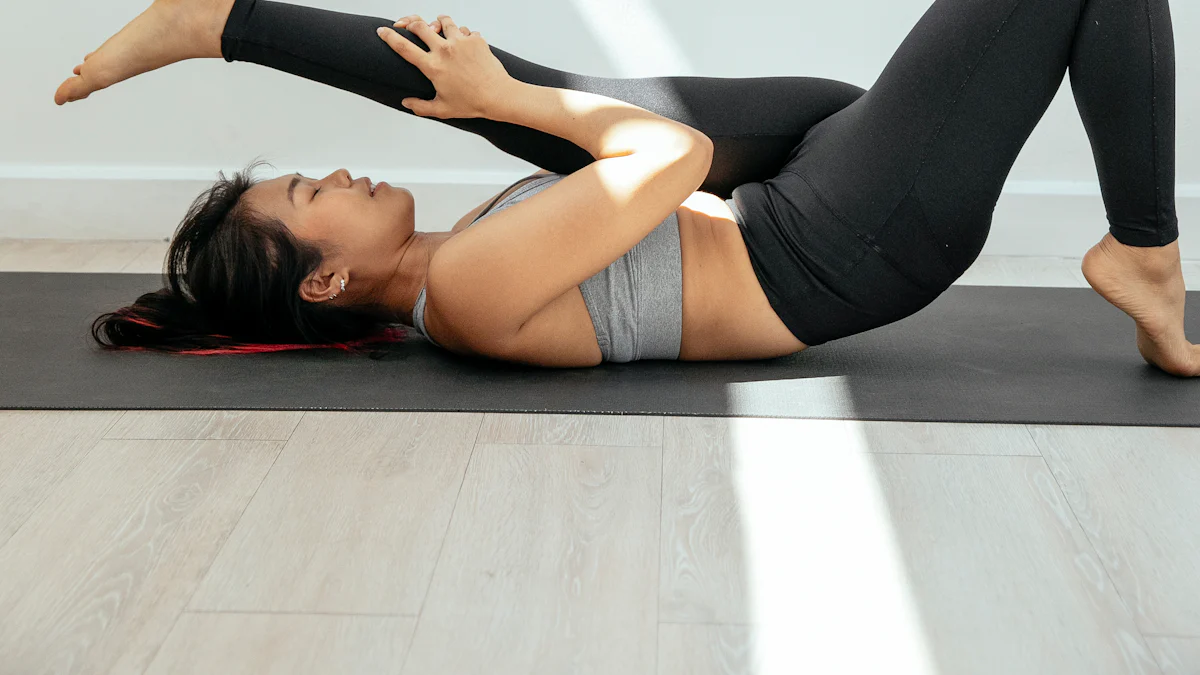
Understanding the anatomy of Hatha Yoga, as detailed in the anatomy of Hatha Yoga PDF, enhances your practice significantly. Knowledge of body mechanics improves your alignment and safety during poses. You can prevent injuries by recognizing how different poses affect your musculoskeletal and cardiovascular systems. Additionally, developing body awareness allows you to coordinate your breath effectively, deepening your practice. This connection between anatomy and mindful movement fosters a holistic approach to wellness.
Key Takeaways
Understanding the anatomy of Hatha Yoga enhances your practice by improving alignment and safety, helping to prevent injuries.
Develop body awareness to listen to your body and adjust poses accordingly, fostering a safer and more effective practice.
Engage your core, upper, and lower body muscles during poses to build strength, flexibility, and stability.
Maintain proper spinal alignment and joint mechanics to avoid strain and enhance your overall performance in yoga.
Coordinate your breath with movement to deepen your practice, improve focus, and promote relaxation.
Incorporate anatomical knowledge into your practice by learning about key muscles and joints involved in common poses.
Practice mindfulness and listen to your body to recognize your limits, ensuring a safe and enjoyable yoga experience.
The Basics of Hatha Yoga Anatomy
Overview of Key Body Systems
Understanding the key body systems enhances your Hatha Yoga practice. You engage multiple systems during each session, including the musculoskeletal, nervous, and cardiovascular systems.
Musculoskeletal System: This system supports your body structure. It includes bones, muscles, tendons, and ligaments. Each pose requires specific muscle engagement, which helps you build strength and flexibility.
Nervous System: Your nervous system plays a crucial role in coordinating movement and balance. It consists of the sympathetic and parasympathetic systems. The sympathetic system prepares your body for action, while the parasympathetic system promotes relaxation. Practicing Hatha Yoga can help balance these systems, reducing stress and anxiety.
Cardiovascular System: This system circulates blood throughout your body. Hatha Yoga improves circulation and can lower blood pressure. Regular practice enhances heart health and promotes overall well-being.
Research shows that yoga positively influences the endocrine system. It reduces stress hormones and promotes the release of endorphins. This balance can alleviate symptoms of anxiety and depression, enhancing your mental health.
Importance of Body Awareness
Body awareness is vital for effective Hatha Yoga practice. It allows you to connect with your body and understand its limits. When you listen to your body, you can adjust your poses to prevent injuries.
Listening to Your Body: Pay attention to how each pose feels. If you experience discomfort, modify the pose or take a break. This practice fosters a safer environment for your body.
Enhancing Alignment: Good alignment prevents strain and injury. By being aware of your body, you can maintain proper alignment in each pose. This awareness leads to a more effective practice.
Breath Coordination: Body awareness also improves your breathing techniques. Coordinating breath with movement deepens your practice. It helps you stay present and focused during your sessions.
Incorporating body awareness into your practice can lead to significant improvements. You may notice enhanced balance, flexibility, and core strength. Regular practice of Hatha Yoga can transform your physical and mental health.
Major Muscle Groups in Hatha Yoga

Core Muscles
Your core muscles play a crucial role in Hatha Yoga. These muscles stabilize your body and support your movements. A strong core enhances your balance and posture. Engaging your core during poses helps you maintain alignment and prevents injuries. Research shows that regular yoga practice significantly increases core muscle strength. You can achieve this by incorporating poses like Plank and Boat into your routine.
Plank Pose: This pose activates your entire core. It strengthens your abdominal muscles and improves stability.
Boat Pose: This pose targets your hip flexors and lower back. It builds endurance in your core muscles.
Upper Body Muscles
Upper body strength is essential for many Hatha Yoga poses. Your shoulders, arms, and back work together to support your body weight. Strong upper body muscles enhance your ability to perform poses like Downward Facing Dog and Chaturanga.
Downward Facing Dog: This pose engages your shoulders and arms. It stretches your spine and strengthens your upper body.
Chaturanga Dandasana: This pose requires significant upper body strength. It builds muscle endurance in your arms and shoulders.
Practicing these poses regularly can lead to improved muscular strength and endurance. Studies indicate that consistent yoga practice increases strength across various age groups.
Lower Body Muscles
Your lower body muscles provide the foundation for your practice. Strong legs and hips support your balance and stability in standing poses. Engaging these muscles helps you transition smoothly between poses.
Warrior Poses: These poses strengthen your legs and improve your balance. They also enhance flexibility in your hips.
Tree Pose: This pose challenges your balance while engaging your leg muscles. It promotes stability and focus.
Incorporating lower body strength training into your practice can enhance your overall performance. Hatha Yoga not only builds strength but also improves body balance and postural control.
Skeletal Alignment in Hatha Yoga
Understanding Joint Mechanics
Joint mechanics play a crucial role in your Hatha Yoga practice. Each pose involves specific movements that engage your joints. Understanding how your joints function helps you maintain proper alignment and prevent injuries.
Mobilization: Yoga poses mobilize your joints safely. This practice maintains joint health and prevents stiffness. Regularly practicing Hatha Yoga can alleviate discomfort in your joints.
Range of Motion: Each joint has a unique range of motion. Knowing this range allows you to perform poses effectively. For instance, your shoulders and hips require flexibility for poses like Downward Facing Dog and Warrior II.
Joint Stability: Stability is essential for joint health. Engaging the surrounding muscles provides support. Strong muscles around your joints help you maintain balance and control during your practice.
Research indicates that regular yoga practice improves joint health. It enhances physical functioning and offers therapeutic benefits for various conditions.
Spinal Alignment
Spinal alignment is vital for a safe and effective Hatha Yoga practice. Your spine supports your entire body and plays a key role in movement. Proper alignment helps you avoid strain and injury.
Neutral Spine: Aim for a neutral spine in each pose. This position maintains the natural curves of your spine. It promotes optimal alignment and reduces the risk of injury.
Engagement: Engage your core muscles to support your spine. A strong core stabilizes your body and enhances your ability to hold poses.
Posture Awareness: Be mindful of your posture throughout your practice. Good posture aligns your spine and improves your overall balance.
Incorporating spinal alignment into your practice leads to better performance. You will notice improved flexibility and strength over time.
The Role of Breath in Hatha Yoga
Anatomy of Breathing
Breathing serves as a fundamental aspect of Hatha Yoga. Understanding the anatomy of breathing enhances your practice. Your respiratory system includes the lungs, diaphragm, and intercostal muscles. These components work together to facilitate effective breathing.
Lungs: Your lungs expand and contract to take in oxygen and release carbon dioxide. This process supports your body's energy needs during practice.
Diaphragm: This dome-shaped muscle sits beneath your lungs. It plays a crucial role in inhalation and exhalation. When you inhale, your diaphragm contracts and moves downward, allowing your lungs to fill with air.
Intercostal Muscles: These muscles lie between your ribs. They assist in expanding and contracting your chest cavity during breathing.
Research shows that breathwork practices in yoga can enhance lung capacity and improve respiratory health. Engaging in mindful breathing reduces stress and promotes relaxation. This connection between breath and movement fosters a deeper sense of focus and mental clarity.
Breath and Movement Coordination
Coordinating your breath with movement is essential in Hatha Yoga. This synchronization enhances your strength, flexibility, and balance. It also calms your mind and improves your overall posture.
Inhale and Exhale: Use your breath to guide your movements. Inhale as you expand into a pose and exhale as you deepen into it. This rhythm helps you maintain focus and presence during your practice.
Pranayama Techniques: Incorporate pranayama, or breath control, into your routine. Techniques like Ujjayi breathing create a soothing sound and help regulate your breath. This practice optimizes oxygen exchange and improves overall respiratory health.
Studies indicate that connecting body movement to breath rhythm enhances your yoga experience. You will notice improved strength and flexibility as you practice this coordination. By focusing on your breath, you cultivate a mindful approach to your practice, allowing for greater awareness and connection to your body.
Anatomical Implications of Common Hatha Yoga Poses
Downward Facing Dog
Downward Facing Dog is a foundational pose in Hatha Yoga. This pose stretches your spine, hamstrings, and calves. You engage your shoulders and arms while grounding your heels into the mat.
Muscle Engagement: Your core muscles stabilize your body. Engaging your quadriceps helps you maintain alignment. This pose also strengthens your upper body, particularly your shoulders and arms.
Joint Mechanics: Your wrists and ankles bear weight in this pose. Ensure you distribute your weight evenly to avoid strain. Keep your spine long and your head between your arms. This alignment promotes a healthy back and neck.
Breath Coordination: Inhale as you lift your hips and exhale as you deepen into the stretch. This rhythm enhances your focus and helps you relax into the pose.
Warrior Poses
Warrior Poses, including Warrior I, II, and III, build strength and stability. These poses engage your legs, core, and upper body.
Muscle Activation: Warrior I strengthens your legs and opens your hips. Warrior II enhances your balance and stability. Warrior III challenges your core and improves your posture. Each variation targets different muscle groups, promoting overall strength.
Skeletal Alignment: Maintain a strong foundation by aligning your knees over your ankles. Keep your spine straight and your shoulders relaxed. This alignment prevents injuries and enhances your performance.
Breath and Movement: Inhale as you rise into the pose and exhale as you settle into it. This connection between breath and movement fosters a deeper sense of awareness.
Tree Pose
Tree Pose is excellent for improving balance and focus. This pose engages your legs and core while promoting stability.
Muscle Engagement: Your standing leg bears your weight. Engage your thigh and calf muscles to maintain balance. The lifted leg activates your hip flexors and core, enhancing your overall strength.
Joint Stability: Focus on your ankle and knee alignment. Keep your standing leg strong to support your body. This stability helps you avoid unnecessary strain.
Mindfulness and Breath: Inhale deeply as you lift your arms overhead. Exhale slowly as you ground yourself. This practice encourages mindfulness and enhances your connection to your body.
Incorporating these common Hatha Yoga poses into your practice allows you to understand their anatomical implications. You can enhance your strength, flexibility, and overall well-being through mindful engagement and alignment.
Practical Tips for Practicing with Anatomical Awareness
Listening to Your Body
Listening to your body is essential in Hatha Yoga. You must pay attention to how each pose feels. If you experience discomfort or pain, modify the pose or take a break. This practice fosters a safer environment and helps prevent injuries.
Recognize Your Limits: Understand that every body is different. What works for one person may not work for you. Acknowledge your unique physical capabilities and adjust your practice accordingly.
Tune into Sensations: Notice the sensations in your muscles and joints. If you feel tightness or strain, ease off. This awareness allows you to maintain proper alignment and avoid overexertion.
Practice Mindfulness: Stay present during your practice. Focus on your breath and movements. This mindfulness enhances your connection to your body and promotes a deeper understanding of your physical limits.
Research highlights that developing body awareness significantly reduces the risk of injury in yoga. By comprehending how specific muscles, joints, and connective tissues interact, you can align your body precisely and move with purpose.
Incorporating Anatomy into Your Practice
Incorporating anatomical knowledge into your practice enhances your overall experience. Understanding the anatomy of Hatha Yoga allows you to make informed choices about your movements.
Learn Key Muscles and Joints: Familiarize yourself with the major muscle groups and joints involved in common poses. This knowledge helps you engage the right muscles and maintain proper alignment.
Use Visual Aids: Refer to resources like the anatomy of Hatha Yoga PDF. Visual aids can clarify how your body should move in each pose. They provide insights into muscle engagement and joint mechanics.
Seek Guidance: Work with a knowledgeable instructor. They can offer personalized adjustments based on your anatomical needs. This guidance ensures you practice safely and effectively.
Understanding anatomy empowers you to deepen your practice. It allows you to create safe sequences and address individual needs. By applying this knowledge, you enhance your alignment and overall well-being.
Understanding the anatomy of Hatha Yoga significantly enhances your practice. You gain insights into how each pose affects your body, leading to improved alignment and safety. Apply this anatomical knowledge to prevent injuries and deepen your connection to your movements. Explore resources like the anatomy of Hatha Yoga PDF to further enrich your practice. By integrating these principles, you cultivate a mindful approach that promotes overall well-being.
FAQ
Why is knowledge of anatomy and physiology important for Hatha Yoga teachers?
Understanding anatomy and physiology equips you as a Hatha Yoga teacher to identify and correct misalignments. You can offer modifications and suggest props to support your students in poses. This knowledge becomes crucial for students recovering from injuries or managing chronic conditions. You can adapt their practice to aid in rehabilitation and prevent re-injury.
How can understanding Yoga Anatomy help in preventing injuries?
By grasping the Yoga Anatomy behind common pitfalls in poses, you can mitigate risks and practice safely. This understanding allows you to recognize potential issues before they lead to injury, ensuring a safer experience on the mat.
What is one of the main reasons to learn about yoga anatomy?
One primary reason to learn about yoga anatomy is to teach safe practices. You can keep classes safe and appropriately sequenced by understanding how the body responds to different poses. This knowledge fosters a secure environment for all practitioners.
How does understanding anatomy and physiology empower yoga teachers?
When you understand anatomy and physiology, you gain the ability to create safe sequences. You can address individual needs and explain the benefits of poses to your students. This empowerment enhances their connection to the practice and promotes a deeper understanding of their bodies.
Why should a yoga teacher study the anatomy of the human body?
Studying the anatomy of the human body helps you answer questions related to how the body responds to yoga poses. This knowledge relates directly to overall well-being and allows you to guide your students more effectively.
What does anatomy in yoga deal with?
Anatomy in yoga deals with the basic structures of the body. This includes muscles, bones, blood vessels, nerves, and organs. Understanding these components helps you appreciate how they interact during practice.
How can I improve my body awareness during Hatha Yoga?
To enhance your body awareness, focus on how each pose feels. Pay attention to sensations in your muscles and joints. Regularly practicing mindfulness during your sessions will deepen your connection to your body.
What are some common injuries in Hatha Yoga, and how can I avoid them?
Common injuries in Hatha Yoga include strains and sprains, particularly in the lower back, knees, and shoulders. To avoid these injuries, maintain proper alignment, listen to your body, and modify poses as needed.
How often should I practice Hatha Yoga to see benefits?
Practicing Hatha Yoga two to three times a week can yield significant benefits. Consistency helps improve strength, flexibility, and overall well-being. Listen to your body and adjust your practice frequency based on your personal needs.
Can beginners practice Hatha Yoga safely?
Yes, beginners can practice Hatha Yoga safely. Start with foundational poses and focus on alignment. Consider working with a qualified instructor who can guide you through the basics and ensure a safe practice.
See Also
Beginner's Guide to Isha Hatha Yoga Basics
Essential Iyengar Yoga Tips for New Practitioners
Simplified Hatha Yoga Class Sequence for Everyone

Hi my name is Lia and i am your host in this yoga journey in Portugal, Subscribe to our newsletter to receive every week the best of Yoga in Portugal.

We bring back the importance of initiation into womanhood by Roos-Veerle Krijnen & Ella-June Henrard
Welcome to the Women’s Initiation Retreat by Naked Truth Retreats, a transformative journey into the depths of your True Feminine Nature. This retreat invites you to remember the sacredness and wholeness of your being.
Roos-Veerle Krijnen & Ella-June Henrard